PPS Injection Molding Guide: A Comprehensive Overview

PPS Injection Molding Guide: A Comprehensive Overview
Introduction to PPS Injection Molding
Polyphenylene Sulfide (PPS) is a high-performance thermoplastic known for its exceptional thermal stability, chemical resistance, and mechanical properties. PPS injection molding is a widely used manufacturing process that leverages these properties to produce high-quality, durable components for various industries, including automotive, electronics, and aerospace.
Key Benefits of PPS Injection Molding
PPS injection molding offers numerous advantages, making it a preferred choice for manufacturers. Some of the key benefits include:
1. High Thermal Stability
PPS can withstand extreme temperatures, making it ideal for applications that require thermal resistance. This property ensures that PPS components maintain their structural integrity even under harsh conditions.
2. Excellent Chemical Resistance
PPS is highly resistant to a wide range of chemicals, including acids, bases, and solvents. This makes it suitable for use in environments where exposure to corrosive substances is common.
3. Superior Mechanical Properties
PPS exhibits excellent mechanical strength, stiffness, and dimensional stability. These properties ensure that PPS components can endure significant stress and strain without deforming or failing.
The PPS Injection Molding Process
The PPS injection molding process involves several critical steps to ensure the production of high-quality components. Here’s an overview of the process:
1. Material Preparation
Before molding, PPS resin must be dried to remove any moisture. Proper drying is essential to prevent defects such as voids or surface imperfections in the final product.
2. Mold Design
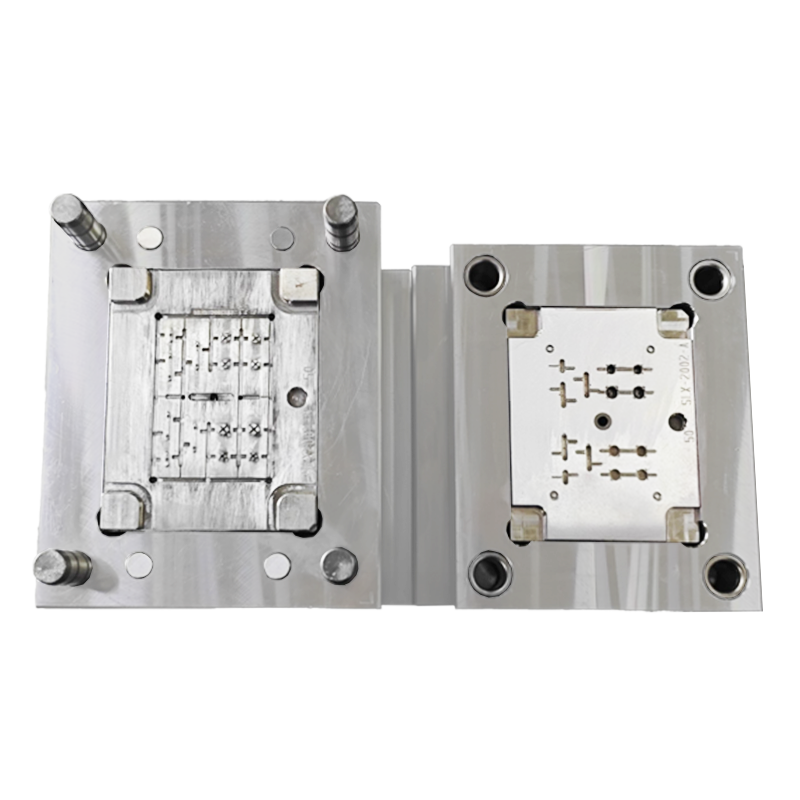
Designing the mold is a crucial step in the PPS injection molding process. The mold must be precision-engineered to accommodate the specific requirements of the PPS material and the desired component geometry.
3. Injection Molding
During the injection molding phase, the dried PPS resin is heated to its melting point and injected into the mold cavity under high pressure. The material is then cooled and solidified to form the final component.
4. Post-Processing
After molding, the components may undergo additional post-processing steps, such as trimming, machining, or surface treatment, to achieve the desired finish and functionality.
Applications of PPS Injection Molding
PPS injection molding is utilized in a wide range of applications across various industries. Some notable examples include:
1. Automotive Industry
PPS components are commonly used in automotive applications, such as fuel system parts, sensors, and electrical connectors, due to their ability to withstand high temperatures and exposure to chemicals.
2. Electronics Industry
In the electronics industry, PPS is used to manufacture components like connectors, sockets, and housings, where its excellent electrical insulation properties and dimensional stability are highly valued.
3. Aerospace Industry
The aerospace sector benefits from PPS injection molding for producing lightweight, high-strength components that can endure extreme environmental conditions, such as those found in aircraft engines and structural parts.
Conclusion
PPS injection molding is a versatile and reliable manufacturing process that offers numerous benefits, including high thermal stability, excellent chemical resistance, and superior mechanical properties. By understanding the key aspects of the PPS injection molding process and its applications, manufacturers can leverage this technology to produce high-quality components for a wide range of industries.
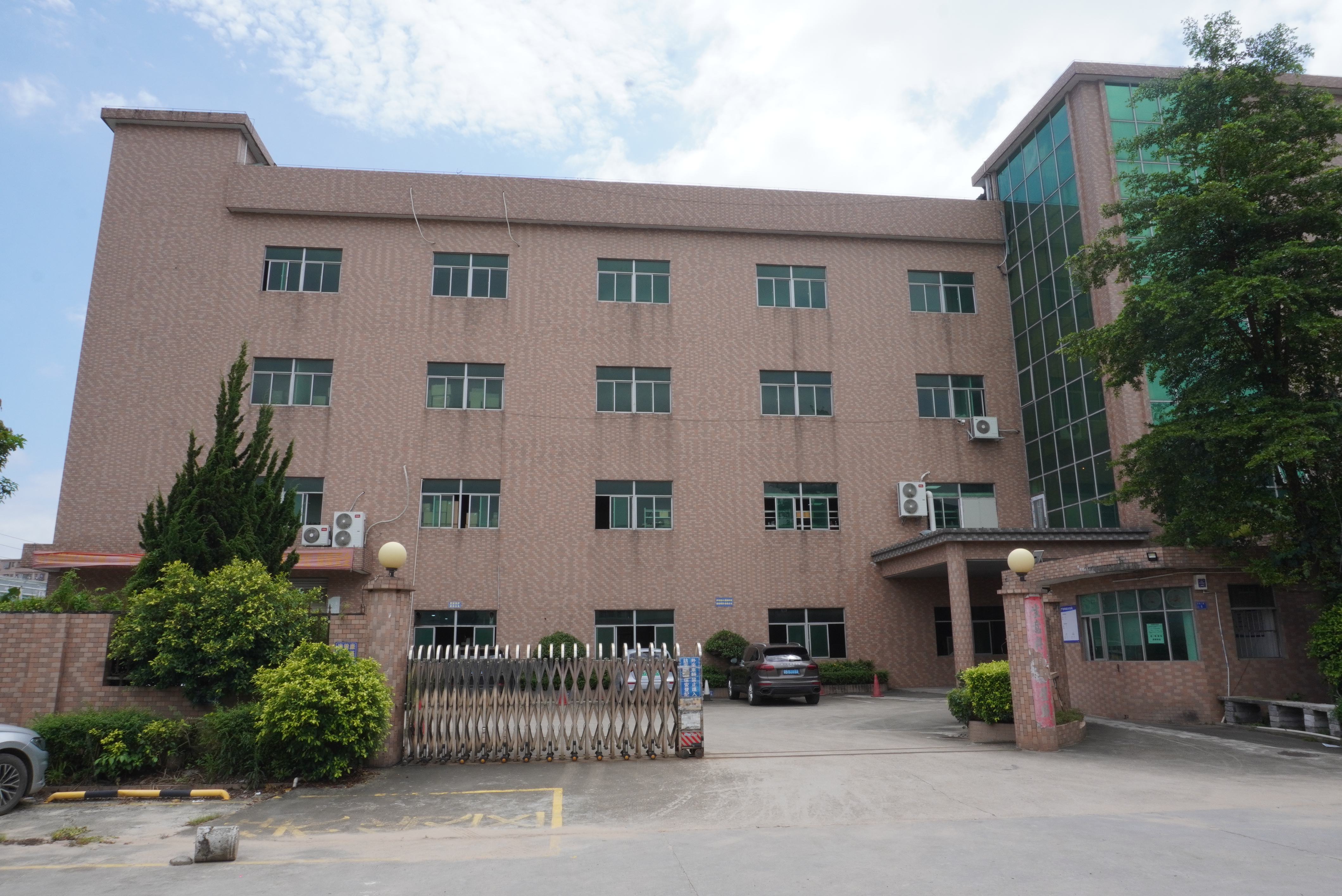
Dongguan Sanlixin Plastic Technology Co.,Ltd
Shenzhen Sanlixin Technology Co., Ltd. and Dongguan Sanlixin Plastic Technology Co., Ltd. is a manufacturer integrating precision plastic mold design, mold opening, single (double) color injection molding, IML injection molding processing, producing various single (double) color, IML process high-end appearance decorative structural parts, two-color buttons, USB dust plugs, panels and other plastic products, providing customers with fast, excellent, Midea all-round service, the company has 15 years of experience in precision plastic mold design, processing and production, with a variety of advanced machine injection molding equipment with excellent quality and fast service to win the trust and strong support of our customers.
Polyethylene (PE) Explained: A Comprehensive Guide
Tips to Reduce CNC Milling Cost