Understanding Clamp Force and Clamp Geometry in Plastic Injection Molding
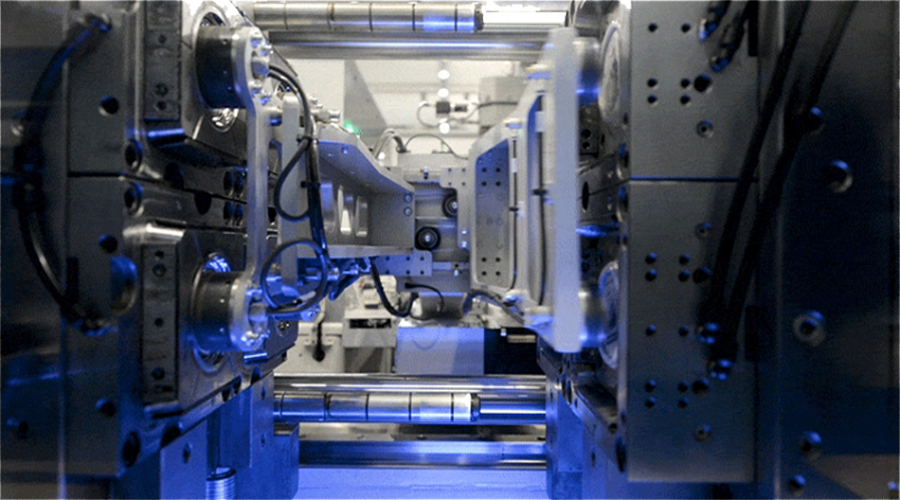
Enhancing Your Mold Production with Injection Molding Machine Retrofits
Introduction to Injection Molding Machine Retrofits
Injection molding machine retrofits involve upgrading or modifying existing machinery to improve performance, efficiency, and capabilities. Retrofitting can be a cost-effective alternative to purchasing new equipment, allowing manufacturers to enhance their mold production without significant capital investment. This guide explores the benefits, types, and considerations of retrofitting injection molding machines.
Benefits of Injection Molding Machine Retrofits
Retrofitting offers several advantages that can significantly enhance mold production:
1. Cost Savings
Retrofitting is generally more affordable than purchasing new machines, allowing manufacturers to extend the lifespan of their existing equipment while achieving improved performance.
2. Improved Efficiency
Upgrades can enhance machine efficiency, reducing cycle times, energy consumption, and material waste. This leads to increased productivity and lower operational costs.
3. Enhanced Capabilities
Retrofits can add new functionalities, such as advanced control systems, automation, and precision monitoring, enabling the production of more complex and high-quality parts.
4. Compliance with Industry Standards
Upgrading machinery can help manufacturers comply with the latest industry standards and regulations, ensuring safety, quality, and environmental sustainability.
5. Extended Equipment Lifespan
Retrofitting can rejuvenate older machines, extending their operational life and delaying the need for costly replacements.
Types of Injection Molding Machine Retrofits
There are various types of retrofits available, each targeting specific aspects of the injection molding process. Common retrofits include:
1. Control System Upgrades
Upgrading the control system to a modern, programmable logic controller (PLC) or a more advanced human-machine interface (HMI) can improve machine precision, repeatability, and ease of use.
2. Hydraulic System Retrofits
Replacing or upgrading hydraulic components, such as pumps, valves, and cylinders, can enhance machine performance, reduce energy consumption, and minimize maintenance requirements.
3. Electric Drive Conversions
Converting hydraulic machines to electric or hybrid drives can significantly improve energy efficiency, reduce noise levels, and enhance precision and speed.
4. Automation and Robotics
Integrating automation and robotics, such as robotic arms for part removal or automated quality inspection systems, can increase production speed, consistency, and reduce labor costs.
5. Energy Efficiency Upgrades
Installing energy-efficient components, such as variable frequency drives (VFDs) and high-efficiency motors, can reduce energy consumption and operational costs.
6. Safety Enhancements
Upgrading safety features, such as adding safety guards, emergency stop buttons, and advanced monitoring systems, can improve workplace safety and compliance with regulations.
Considerations for Injection Molding Machine Retrofits
Before undertaking a retrofit, several factors should be considered to ensure the success and cost-effectiveness of the project:
1. Machine Condition
Evaluate the current condition of the machine to determine if it is a suitable candidate for retrofitting. Machines in good mechanical condition are more likely to benefit from upgrades.
2. Cost-Benefit Analysis
Conduct a thorough cost-benefit analysis to compare the costs of retrofitting with the potential benefits, such as increased productivity, reduced energy consumption, and extended equipment life.
3. Compatibility
Ensure that the retrofit components are compatible with the existing machine. This includes checking mechanical, electrical, and software compatibility.
4. Downtime
Plan for potential downtime during the retrofit process. Minimizing downtime is crucial to maintaining production schedules and reducing lost revenue.
5. Expertise and Support
Work with experienced professionals and suppliers who can provide expert advice, quality components, and reliable support throughout the retrofit process.
Steps to Implement Injection Molding Machine Retrofits
Implementing a retrofit involves several steps to ensure a smooth and successful upgrade:
1. Assessment and Planning
Assess the current machine performance and identify areas for improvement. Develop a detailed retrofit plan, including objectives, budget, and timeline.
2. Component Selection
Select high-quality retrofit components that meet the specific needs of the machine and the production requirements.
3. Installation and Integration
Install the retrofit components and integrate them with the existing machine systems. Ensure proper calibration and testing to achieve optimal performance.
4. Training and Documentation
Provide training for operators and maintenance staff on the new systems and components. Document the retrofit process and any changes made for future reference.
5. Monitoring and Evaluation
Monitor the performance of the retrofitted machine and evaluate the results against the initial objectives. Make any necessary adjustments to optimize performance.
Conclusion
Injection molding machine retrofits offer a cost-effective way to enhance mold production by improving efficiency, capabilities, and compliance with industry standards. By carefully considering the types of retrofits, conducting a thorough cost-benefit analysis, and following a structured implementation process, manufacturers can achieve significant improvements in their production processes. Retrofitting not only extends the lifespan of existing equipment but also positions manufacturers to meet the evolving demands of the industry.
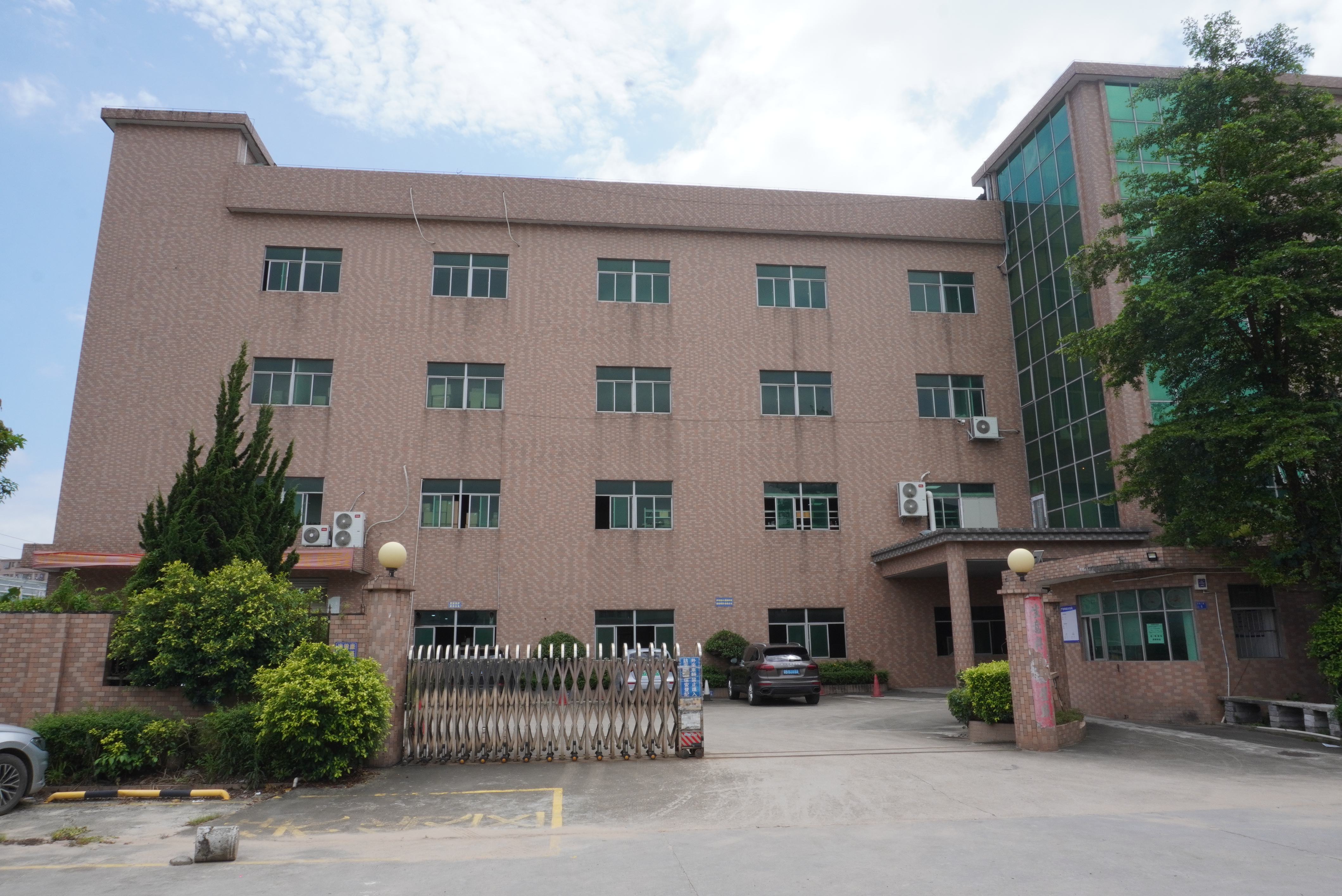
Dongguan Sanlixin Plastic Technology Co.,Ltd
Shenzhen Sanlixin Technology Co., Ltd. and Dongguan Sanlixin Plastic Technology Co., Ltd. is a manufacturer integrating precision plastic mold design, mold opening, single (double) color injection molding, IML injection molding processing, producing various single (double) color, IML process high-end appearance decorative structural parts, two-color buttons, USB dust plugs, panels and other plastic products, providing customers with fast, excellent, Midea all-round service, the company has 15 years of experience in precision plastic mold design, processing and production, with a variety of advanced machine injection molding equipment with excellent quality and fast service to win the trust and strong support of our customers.
How to Read Material Data Sheets: A Comprehensive Guide
Metal Injection Molding (MIM) Process: A Comprehensive Guide