Top Design Considerations for Injection Molding
Top Design Considerations for Injection Molding
Key Factors to Ensure a Successful Injection Molding Project
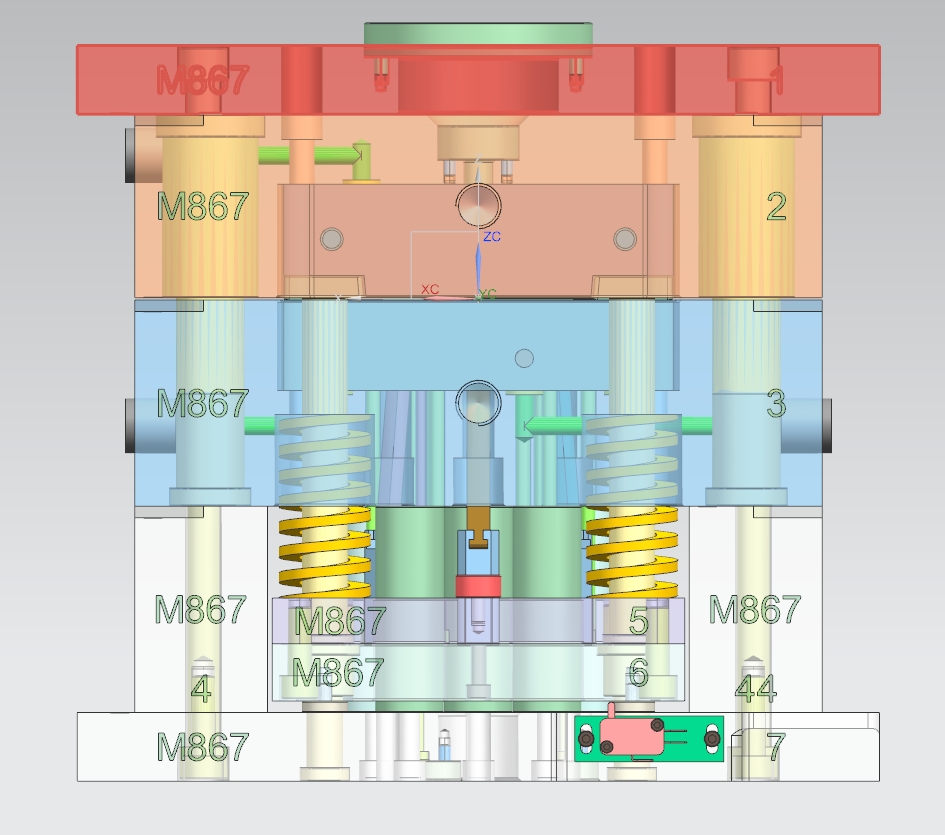
Injection molding is a highly efficient manufacturing process for producing plastic parts in large volumes. However, the success of an injection molding project heavily depends on the design of the part and the mold. To achieve optimal results, it’s essential to consider several critical design factors. Here are the top design considerations for injection molding:
1. Wall Thickness
Wall thickness is one of the most critical design considerations in injection molding. Uniform wall thickness ensures even cooling and reduces the risk of defects such as warping, sink marks, or voids. Typically, wall thickness should range between 1.5 mm to 3 mm, depending on the material and part size. Avoid abrupt changes in wall thickness, and use gradual transitions to maintain structural integrity.
2. Draft Angles
Draft angles are essential for easy ejection of the part from the mold. A draft angle is a slight taper applied to the vertical walls of the part, typically ranging from 1° to 2° for most materials. Insufficient draft angles can lead to ejection issues, surface scratches, or even damage to the mold. Always incorporate draft angles in your design to facilitate smooth demolding.
3. Ribs and Bosses
Ribs and bosses are used to enhance the strength and functionality of a part without increasing wall thickness. However, their design must be carefully considered to avoid defects. Ribs should be 50% to 60% of the adjacent wall thickness to prevent sink marks. Bosses, used for mounting or assembly, should have a similar wall thickness and be supported by ribs to ensure stability.
4. Gate Location
The gate is the point where molten plastic enters the mold cavity. Its location significantly impacts the flow of material, part quality, and appearance. Place gates in areas that allow for even filling of the mold and minimize visible gate marks. Common gate types include edge gates, tunnel gates, and direct sprue gates, each suited for different part geometries and requirements.
5. Material Selection
Choosing the right material is crucial for the performance and manufacturability of your part. Consider factors such as mechanical properties, thermal resistance, chemical resistance, and cost. Common injection molding materials include polypropylene (PP), acrylonitrile butadiene styrene (ABS), polycarbonate (PC), and nylon. Consult with material suppliers to select the best option for your application.
6. Undercuts
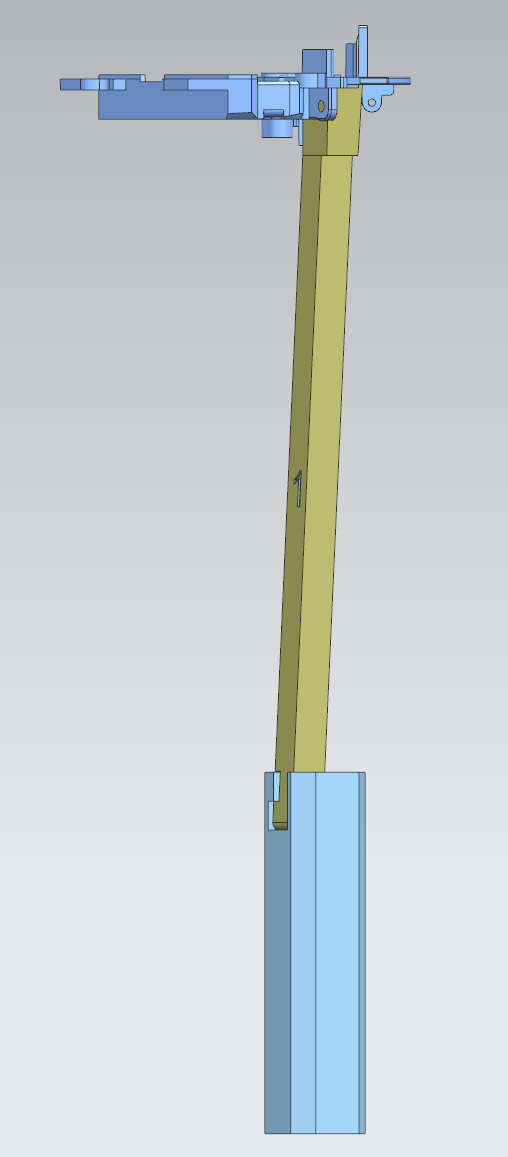
Undercuts are features that prevent the part from being ejected directly from the mold. While they can add functionality, they also complicate mold design and increase costs. If undercuts are necessary, consider using side actions, lifters, or collapsible cores in the mold design. Simplify your part design to minimize the need for undercuts whenever possible.
7. Surface Finish
The surface finish of your part can affect its appearance, functionality, and mold release. Common surface finishes include polished, textured, and matte finishes. Specify the desired surface finish early in the design process, as it can influence mold design and material flow. Textured finishes can help hide minor defects, while polished finishes are ideal for parts requiring a smooth appearance.
8. Tolerances
Injection molding tolerances depend on the material, part geometry, and mold design. Tight tolerances may be necessary for parts requiring precise fit and function, but they can increase mold complexity and cost. Clearly define tolerance requirements in your design specifications and consult with your mold maker to ensure they are achievable.
9. Parting Line
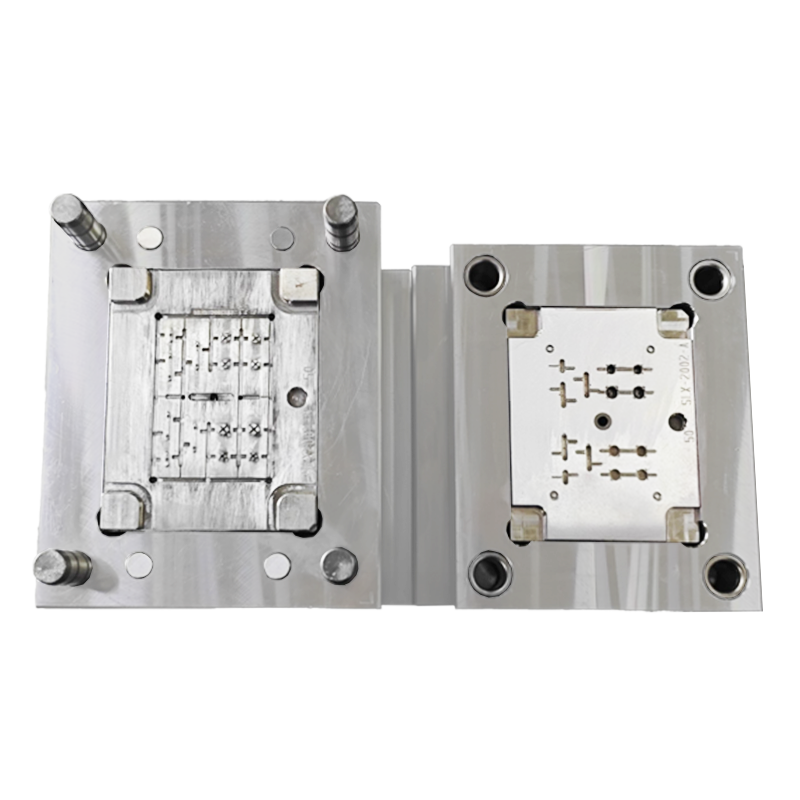
The parting line is where the two halves of the mold meet. Its location affects the mold design, part appearance, and ease of ejection. Design the parting line to minimize flash (excess material) and ensure it aligns with the part’s aesthetic requirements. Consider the parting line early in the design process to avoid costly mold modifications later.
10. Cooling Channels
Efficient cooling is essential for maintaining cycle times and part quality. Cooling channels in the mold help dissipate heat and ensure uniform cooling. Design cooling channels to follow the part’s geometry and avoid hot spots. Proper cooling reduces warping, improves dimensional stability, and extends mold life.
Conclusion
Designing for injection molding requires careful consideration of various factors to ensure part quality, manufacturability, and cost-effectiveness. By addressing wall thickness, draft angles, ribs, gate location, material selection, undercuts, surface finish, tolerances, parting lines, and cooling channels, you can optimize your design for successful injection molding. Collaborate closely with your mold maker and manufacturer to achieve the best results for your project.
Dongguan Sanlixin Plastic Technology Co.,Ltd
Shenzhen Sanlixin Technology Co., Ltd. and Dongguan Sanlixin Plastic Technology Co., Ltd. is a manufacturer integrating precision plastic mold design, mold opening, single (double) color injection molding, IML injection molding processing, producing various single (double) color, IML process high-end appearance decorative structural parts, two-color buttons, USB dust plugs, panels and other plastic products, providing customers with fast, excellent, Midea all-round service, the company has 15 years of experience in precision plastic mold design, processing and production, with a variety of advanced machine injection molding equipment with excellent quality and fast service to win the trust and strong support of our customers.
Why Automation is Trending in the Injection Molding Industry
Consider 3D Printing to Improve Your Products and Reduce Your Production Costs