What Is the Difference Between Plastics Extrusion and Injection Molding?
What Is the Difference Between Plastics Extrusion and Injection Molding?
Introduction
Plastics extrusion and injection molding are two of the most widely used manufacturing processes in the plastics industry. While both methods involve melting plastic and shaping it into a desired form, they differ significantly in their applications, processes, and outcomes. This article explores the key differences between plastics extrusion and injection molding.
1. Overview of Plastics Extrusion
Plastics extrusion is a continuous process used to create products with a consistent cross-sectional profile, such as pipes, tubes, and sheets. The process involves melting plastic resin and forcing it through a die to shape it into the desired form.
1.1 How Extrusion Works
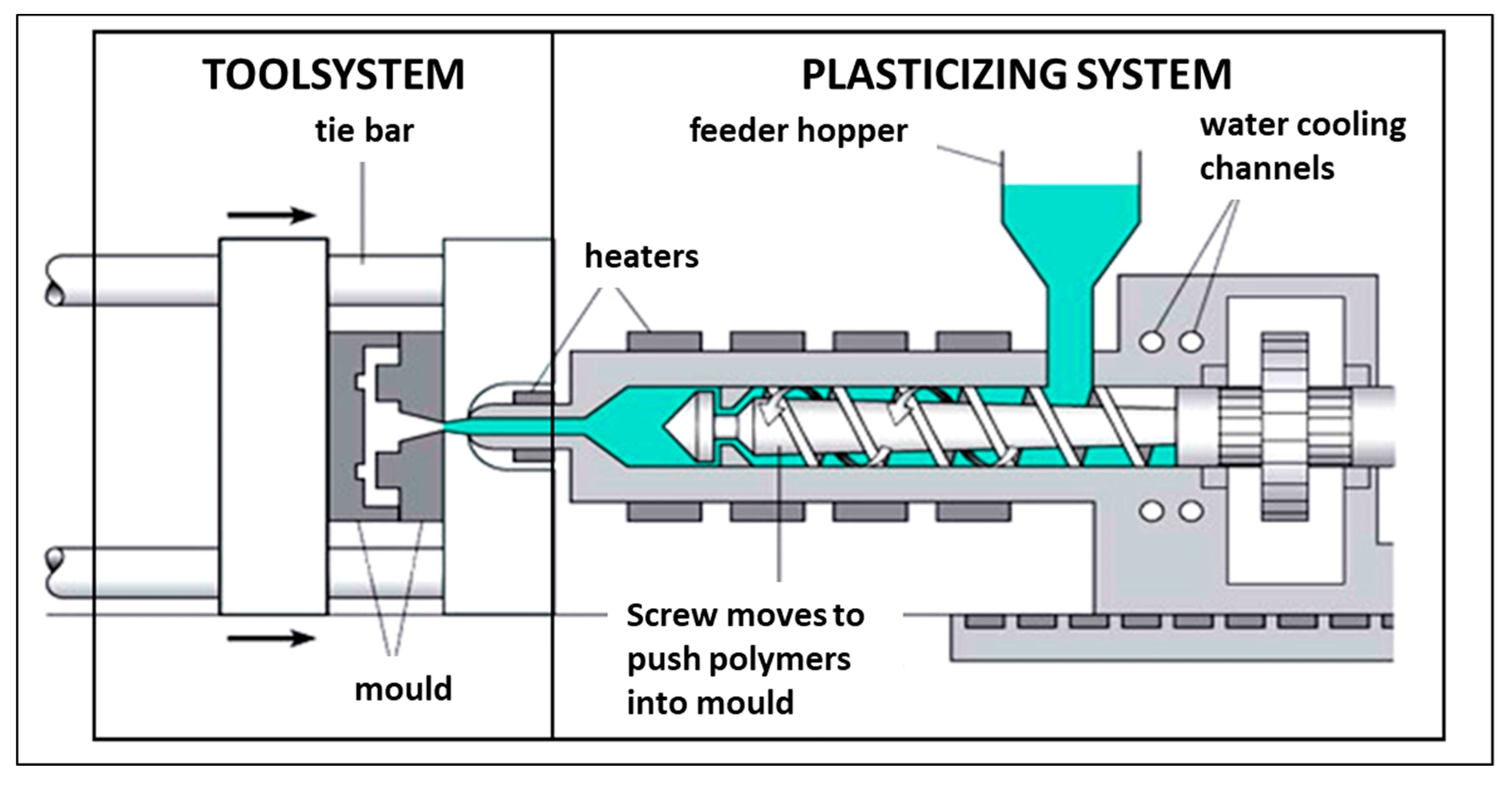
In extrusion, plastic pellets are fed into a hopper and conveyed through a heated barrel by a rotating screw. The heat and friction melt the plastic, which is then pushed through a die to create a continuous shape. The extruded plastic is cooled and cut to the desired length.
1.2 Applications of Extrusion
Extrusion is commonly used for manufacturing:
- Pipes and tubing
- Plastic sheets and films
- Window frames
- Wire insulation
2. Overview of Injection Molding
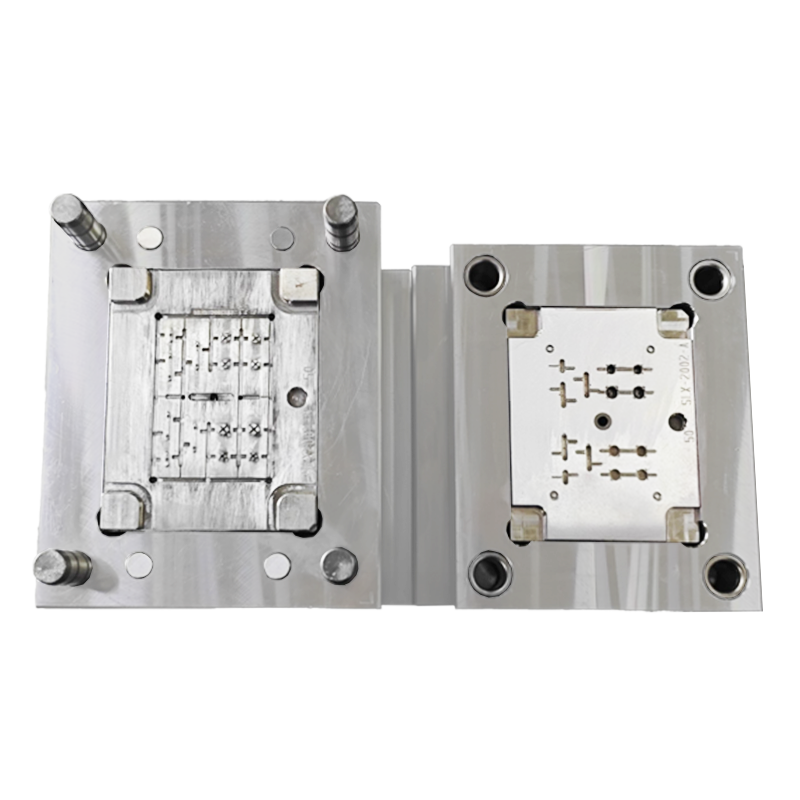
Injection molding is a cyclic process used to produce complex, three-dimensional parts with high precision. It involves injecting molten plastic into a mold cavity, where it cools and solidifies into the final shape.
2.1 How Injection Molding Works
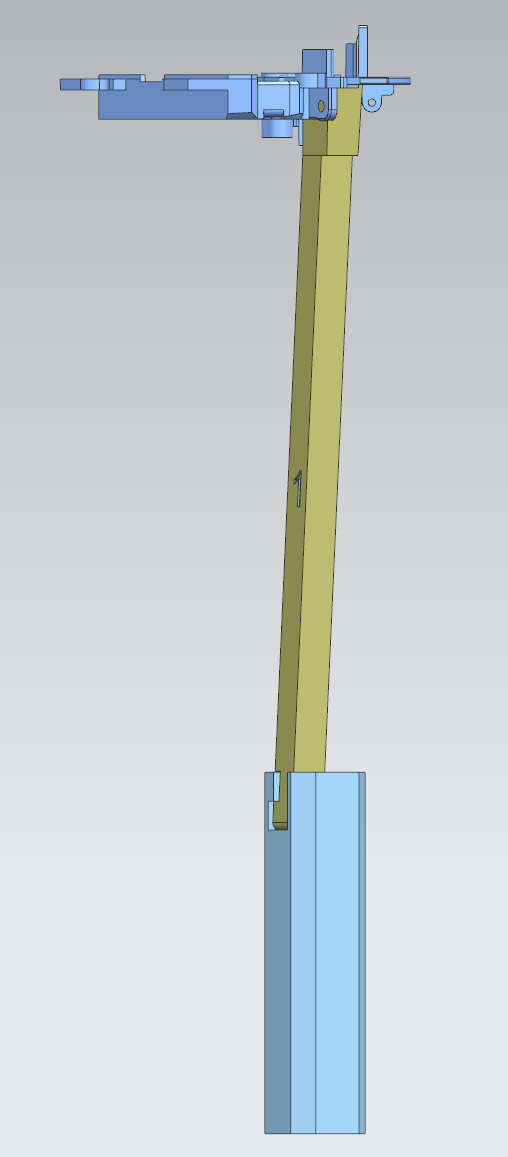
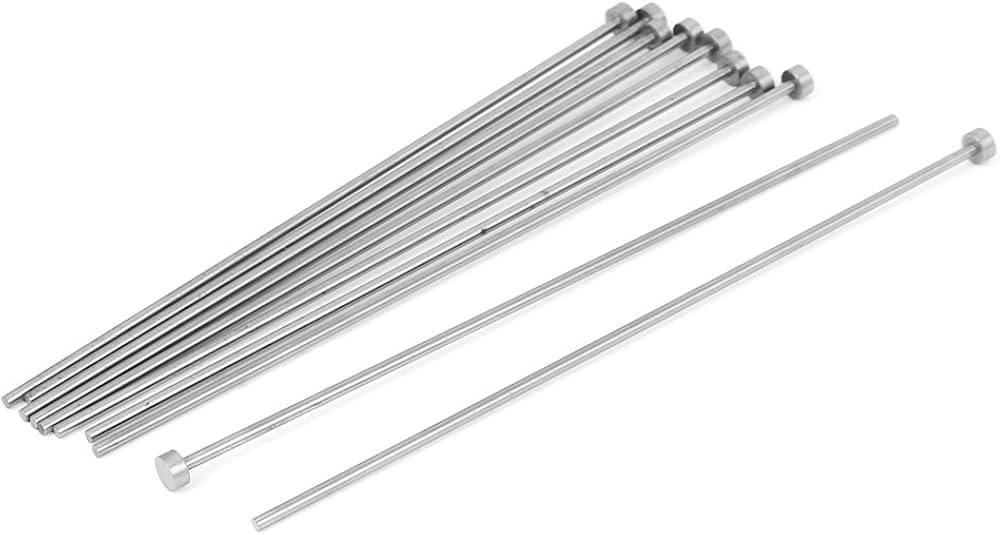
In injection molding, plastic pellets are melted and injected under high pressure into a mold. The mold is designed with the negative shape of the desired part. Once the plastic cools and solidifies, the mold opens, and the part is ejected.
2.2 Applications of Injection Molding
Injection molding is widely used for producing:
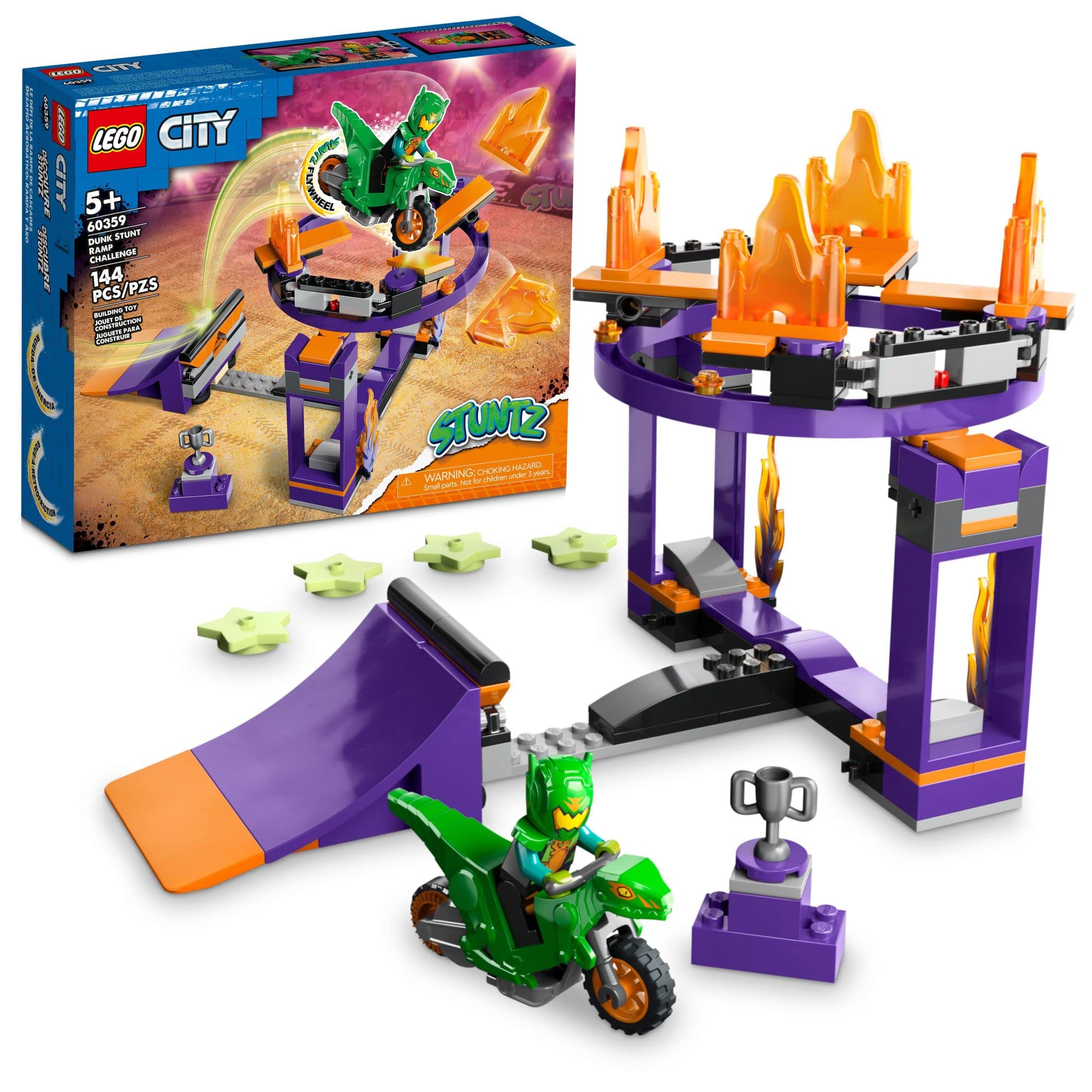
- Consumer products (e.g., toys, containers)
- Automotive components
- Medical devices
- Electronics housings
3. Key Differences Between Extrusion and Injection Molding
While both processes involve melting and shaping plastic, they differ in terms of process mechanics, product types, and tooling requirements.
3.1 Process Mechanics
Extrusion is a continuous process, producing long, uniform shapes, while injection molding is a cyclic process, producing discrete, complex parts.
3.2 Product Types
Extrusion is ideal for creating linear products with a constant cross-section, whereas injection molding is suited for intricate, three-dimensional parts.
3.3 Tooling and Equipment
Extrusion requires a die to shape the plastic, while injection molding uses a two-part mold with a cavity. Injection molds are typically more complex and expensive than extrusion dies.
4. Material Considerations
Both processes can use a wide range of thermoplastics, but material selection may vary based on the application and process requirements.
4.1 Extrusion Materials
Common materials for extrusion include polyethylene (PE), polyvinyl chloride (PVC), and polypropylene (PP). These materials are chosen for their flow properties and ability to maintain shape during cooling.
4.2 Injection Molding Materials
Injection molding often uses materials like acrylonitrile butadiene styrene (ABS), polycarbonate (PC), and nylon. These materials are selected for their strength, durability, and ability to fill complex molds.
5. Advantages and Limitations
Each process has its own set of advantages and limitations, making them suitable for different applications.
5.1 Advantages of Extrusion
- Cost-effective for long, continuous products
- High production rates
- Simple tooling requirements
5.2 Limitations of Extrusion
- Limited to products with constant cross-sections
- Less suitable for complex geometries
5.3 Advantages of Injection Molding
- High precision and repeatability
- Ability to produce complex parts
- Wide range of material options
5.4 Limitations of Injection Molding
- High initial tooling costs
- Longer setup times
- Not suitable for very large parts
Conclusion
Plastics extrusion and injection molding are distinct processes, each with its own strengths and applications. Extrusion is ideal for creating continuous, uniform products, while injection molding excels at producing complex, three-dimensional parts. Understanding the differences between these processes allows manufacturers to choose the most suitable method for their specific needs, ensuring optimal product quality and cost efficiency.
Dongguan Sanlixin Plastic Technology Co.,Ltd
Shenzhen Sanlixin Technology Co., Ltd. and Dongguan Sanlixin Plastic Technology Co., Ltd. is a manufacturer integrating precision plastic mold design, mold opening, single (double) color injection molding, IML injection molding processing, producing various single (double) color, IML process high-end appearance decorative structural parts, two-color buttons, USB dust plugs, panels and other plastic products, providing customers with fast, excellent, Midea all-round service, the company has 15 years of experience in precision plastic mold design, processing and production, with a variety of advanced machine injection molding equipment with excellent quality and fast service to win the trust and strong support of our customers.
Automatic Optimization of Mold Temperature Control
Better Plastic Parts Design With Bosses