How Plastic Injection Moulding is Applied in the Maritime Industry

How Plastic Injection Moulding is Applied in the Maritime Industry
Introduction to Plastic Injection Moulding in Maritime Applications
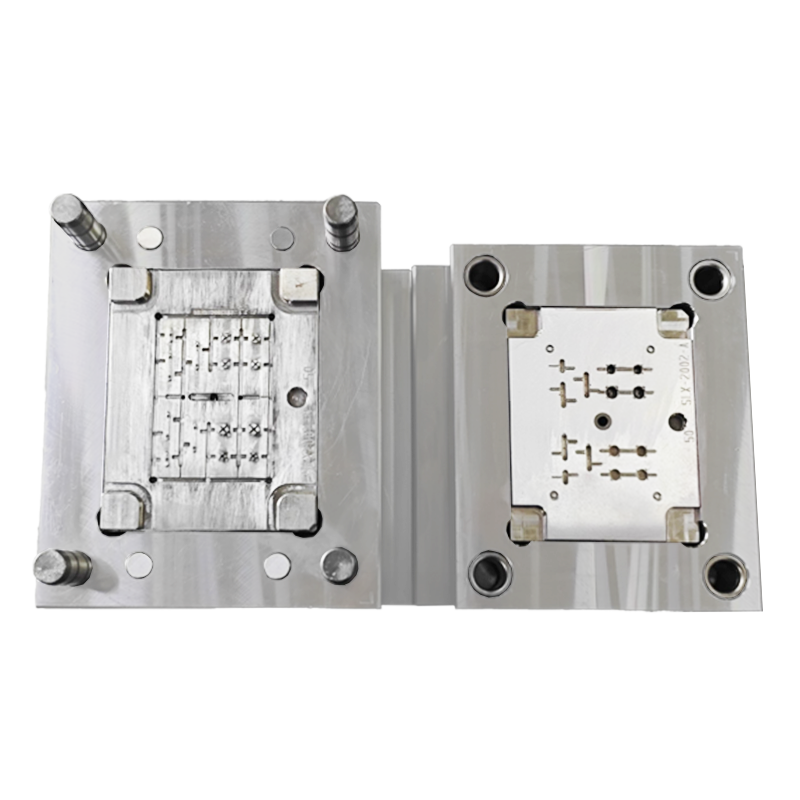
Plastic injection moulding is a versatile manufacturing process that has found significant applications in the maritime industry. This technique involves injecting molten plastic into a mould to create parts with precise shapes and dimensions. Given the harsh and demanding conditions at sea, the durability, corrosion resistance, and lightweight properties of injection-moulded plastics make them ideal for various maritime applications.
Key Benefits of Plastic Injection Moulding for the Maritime Industry
Plastic injection moulding offers several advantages that are particularly beneficial for the maritime industry:
Corrosion Resistance
Marine environments are highly corrosive due to saltwater exposure. Injection-moulded plastic components are inherently resistant to corrosion, making them ideal for use in such conditions. This resistance extends the lifespan of maritime equipment and reduces maintenance costs.
Lightweight and Durable
Injection-moulded plastics are lightweight yet durable, which is crucial for maritime applications where weight reduction can lead to improved fuel efficiency and performance. Despite their light weight, these components are strong enough to withstand the rigors of marine environments.
Design Flexibility
Injection moulding allows for the creation of complex geometries and intricate designs that can be tailored to specific maritime applications. This flexibility enables the production of custom components that meet the unique needs of marine vessels and equipment.
Cost-Effectiveness
The ability to produce high volumes of consistent, high-quality parts at a relatively low cost makes injection moulding an economical choice for the maritime industry. This cost-effectiveness is particularly important for large-scale maritime projects.
Applications of Plastic Injection Moulding in the Maritime Industry
Plastic injection moulding is utilized in a wide range of maritime applications, including:
Shipbuilding and Repair
Injection-moulded plastic components are used in various parts of ships, including interior panels, insulation, and decorative elements. These components contribute to the overall structural integrity and aesthetic appeal of marine vessels.
Marine Electronics and Instrumentation
Plastic housings and enclosures for marine electronics, such as navigation systems, communication devices, and sensors, are often produced using injection moulding. These components protect sensitive equipment from the harsh marine environment.
Piping and Fluid Handling Systems
Injection-moulded plastic pipes, valves, and fittings are used in marine fluid handling systems. These components are resistant to corrosion and chemical degradation, ensuring reliable performance in seawater and other challenging conditions.
Safety and Rescue Equipment
Plastic components for safety and rescue equipment, such as life jackets, life rafts, and emergency beacons, are manufactured using injection moulding. These components must meet stringent safety standards and perform reliably in emergency situations.
Deck and Hull Components
Injection-moulded plastics are used to produce various deck and hull components, including hatches, covers, and seals. These components provide essential functionality while withstanding the harsh conditions of the marine environment.
Innovative Examples of Plastic Injection Moulding in the Maritime Industry
Several innovative applications of plastic injection moulding have significantly enhanced maritime operations:
Composite Materials
Injection moulding is used to produce composite materials that combine plastics with other substances, such as fiberglass or carbon fiber. These composites offer enhanced strength and durability, making them ideal for high-stress maritime applications.
Anti-Fouling Components
Injection-moulded plastic components with anti-fouling properties help prevent the growth of marine organisms on ship hulls and other submerged structures. This reduces drag and improves fuel efficiency.
Modular Construction
Injection moulding enables the production of modular components that can be easily assembled and disassembled. This modularity is particularly useful for shipbuilding and repair, allowing for quicker and more efficient construction processes.
Customized Solutions
Injection moulding allows for the creation of customized solutions tailored to specific maritime needs. For example, custom-moulded gaskets and seals ensure a perfect fit and optimal performance in marine applications.
Conclusion
Plastic injection moulding plays a crucial role in the maritime industry by providing durable, corrosion-resistant, and cost-effective components that meet the unique challenges of marine environments. From shipbuilding and repair to safety equipment and fluid handling systems, injection moulding enhances the performance and reliability of maritime operations. As the industry continues to evolve, plastic injection moulding will remain a key enabler of innovation and efficiency in maritime applications.

Dongguan Sanlixin Plastic Technology Co.,Ltd
Shenzhen Sanlixin Technology Co., Ltd. and Dongguan Sanlixin Plastic Technology Co., Ltd. is a manufacturer integrating precision plastic mold design, mold opening, single (double) color injection molding, IML injection molding processing, producing various single (double) color, IML process high-end appearance decorative structural parts, two-color buttons, USB dust plugs, panels and other plastic products, providing customers with fast, excellent, Midea all-round service, the company has 15 years of experience in precision plastic mold design, processing and production, with a variety of advanced machine injection molding equipment with excellent quality and fast service to win the trust and strong support of our customers.
Why is Plastic Prototyping Important in Product Design?
How Injection Moulding Enhances Food Safety Standards