IML (In-Mold Labeling) Injection Mold Process: Introduction and Analysis
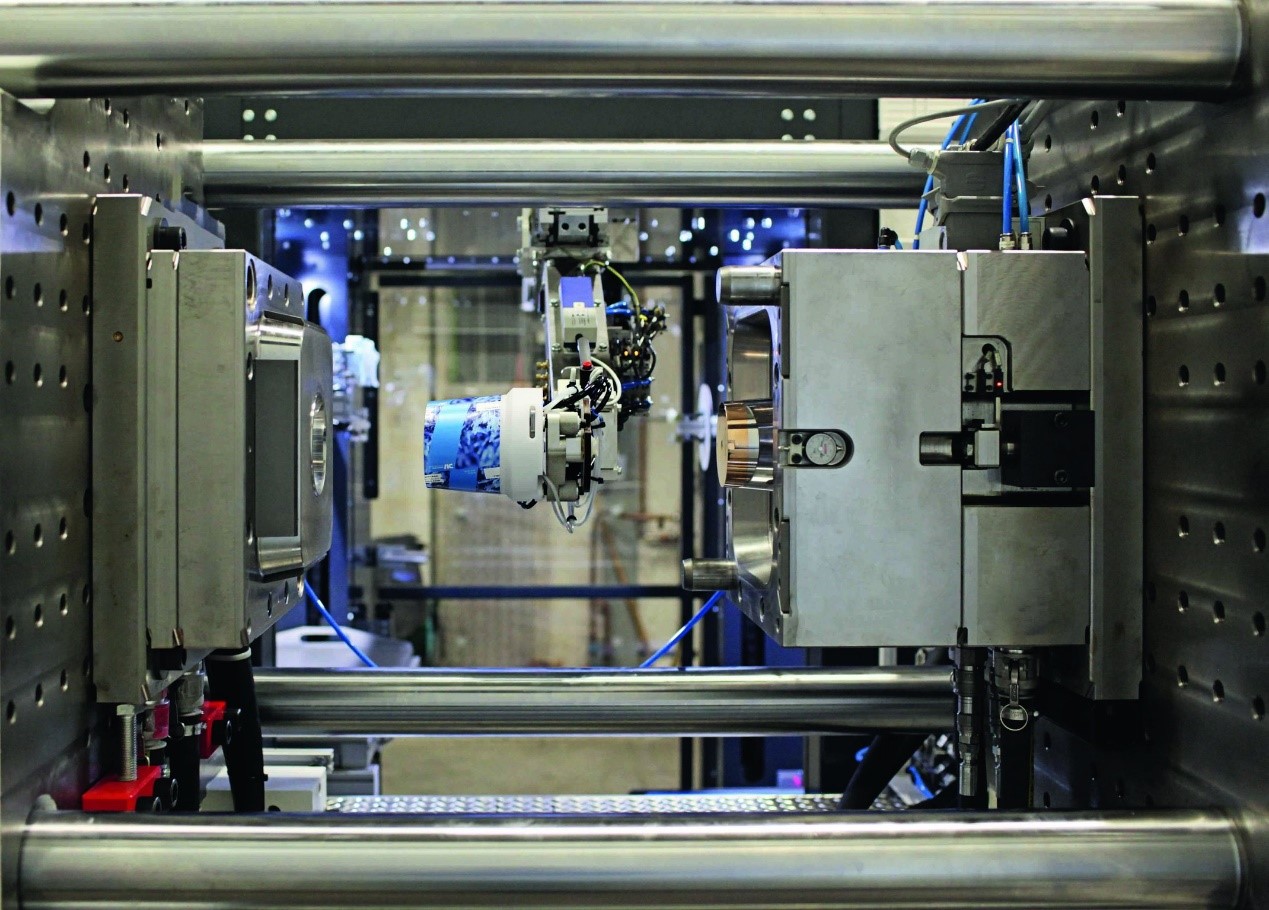
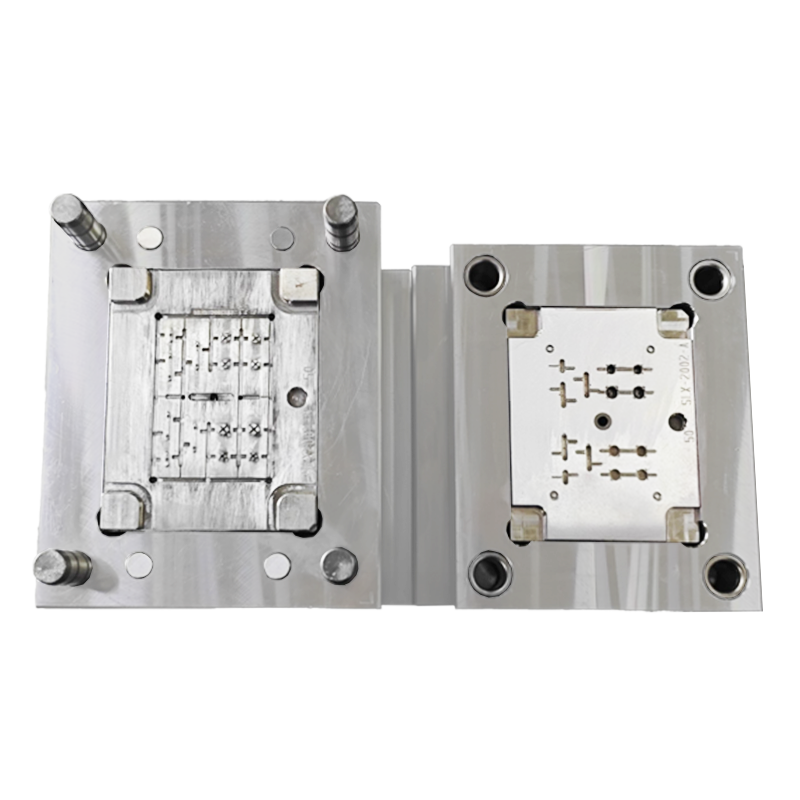
In-Mold Labeling (IML) is an advanced injection molding technique that integrates labeling directly into the molding process. This method enhances product aesthetics, durability, and functionality while streamlining production. Widely used in industries such as packaging, automotive, and consumer goods, IML offers numerous advantages over traditional labeling methods. This article provides an in-depth introduction to the IML injection mold process and analyzes its benefits, applications, and challenges.
What is IML?
Definition
In-Mold Labeling (IML) is a process where a pre-printed label or film is placed into the mold before the injection molding cycle begins. The molten plastic is then injected into the mold, bonding with the label to create a finished product with an integrated, durable label.
Key Components
The IML process involves three main components: the label or film, the mold, and the injection molding machine. The label is typically made from materials like polypropylene (PP) or polyethylene (PE) and is pre-printed with the desired design or information.
The IML Process
Label Preparation
The label is pre-printed with the desired design using techniques such as screen printing, digital printing, or gravure printing. It is then cut to the required size and shape.
Label Insertion
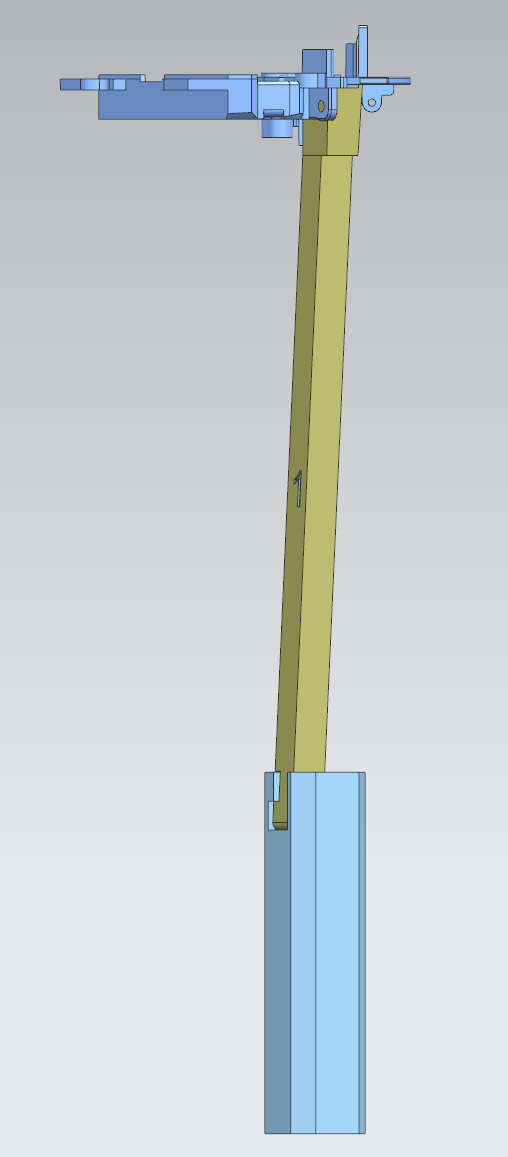
The pre-printed label is placed into the mold cavity. Special fixtures or robotic systems are often used to ensure precise placement and alignment.
Injection Molding
Molten plastic is injected into the mold under high pressure. The heat and pressure cause the label to bond with the plastic, creating a seamless integration.
Cooling and Ejection
After the plastic cools and solidifies, the mold opens, and the finished product is ejected. The result is a high-quality product with a durable, integrated label.
Advantages of IML
Enhanced Aesthetics
IML allows for high-quality, intricate designs and textures to be integrated directly into the product surface. This eliminates the need for secondary labeling processes and enhances the overall appearance.
Durability
The label is embedded within the plastic, making it resistant to wear, scratches, and fading. This is particularly beneficial for products exposed to harsh environments or frequent handling.
Cost Efficiency
By combining labeling and molding into a single step, IML reduces production time and labor costs. It also minimizes material waste compared to traditional labeling methods.
Design Flexibility
IML offers unparalleled design flexibility, enabling the creation of complex shapes, textures, and functional features such as touch-sensitive surfaces or backlighting.
Applications of IML
Packaging Industry
IML is widely used in the packaging industry for containers, tubs, and lids. It provides a durable and aesthetically pleasing labeling solution that enhances brand visibility and product appeal.
Automotive Industry
In the automotive industry, IML is used for interior and exterior components such as control panels, buttons, and decorative trims. The process ensures durability and resistance to environmental factors.
Consumer Goods
IML is employed in the production of consumer goods such as household appliances, toys, and electronic devices. It offers a high-quality, durable labeling solution that enhances product value.
Challenges and Considerations
Material Compatibility
Selecting the right combination of label material and plastic resin is crucial for achieving a strong bond and high-quality finish. Compatibility issues can lead to defects like delamination or warping.
Precision and Accuracy
The IML process requires precise control over factors like temperature, pressure, and label placement. Any deviation can result in defects such as air bubbles, misalignment, or uneven surfaces.
Initial Investment
While IML offers long-term cost savings, the initial investment in specialized equipment and tooling can be high. Manufacturers must carefully evaluate the cost-benefit ratio for their specific applications.
6. Future Trends in IML
Smart Labels
The integration of smart labels with features such as RFID (Radio-Frequency Identification) and NFC (Near Field Communication) is an emerging trend in IML. These labels offer enhanced functionality and traceability.
Sustainable Materials
As sustainability becomes a priority, the use of eco-friendly label materials and biodegradable plastics in IML is expected to grow. This aligns with the global push towards reducing environmental impact.
Advanced Printing Technologies
Advancements in printing technologies, such as digital printing and 3D printing, are enabling more complex and high-quality designs in IML. This enhances the aesthetic and functional possibilities of labeled products.
Conclusion
The IML (In-Mold Labeling) injection mold process is a cutting-edge technique that combines labeling and molding into a single, efficient step. With its ability to enhance product aesthetics, durability, and functionality, IML is revolutionizing industries ranging from packaging to automotive and consumer goods. By understanding the process, advantages, and challenges, manufacturers can leverage IML to create innovative and high-quality products that meet the demands of today's market. As technology continues to advance, the future of IML holds exciting possibilities for smart labels, sustainable materials, and advanced printing technologies.
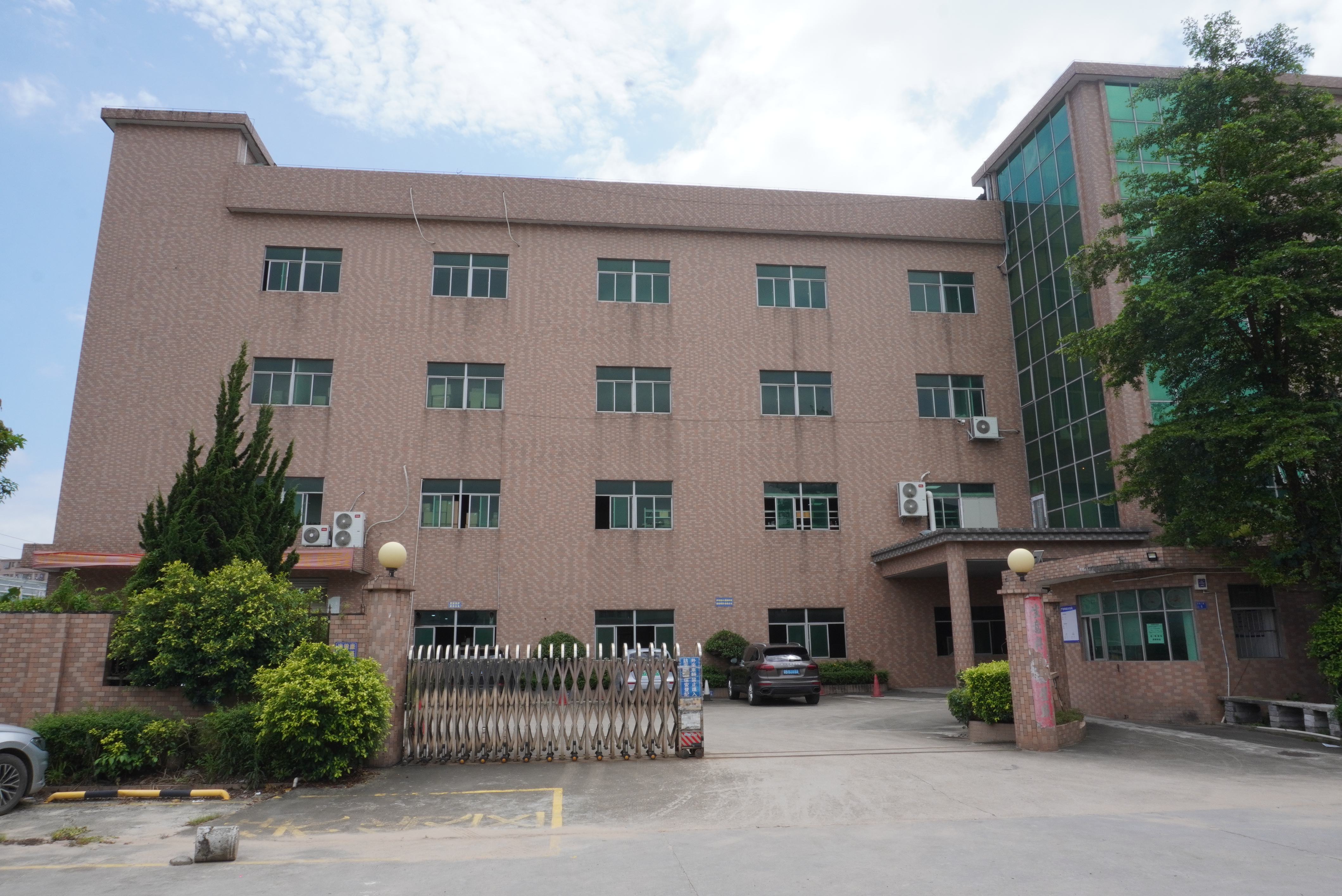
Dongguan Sanlixin Plastic Technology Co.,Ltd
Shenzhen Sanlixin Technology Co., Ltd. and Dongguan Sanlixin Plastic Technology Co., Ltd. is a manufacturer integrating precision plastic mold design, mold opening, single (double) color injection molding, IML injection molding processing, producing various single (double) color, IML process high-end appearance decorative structural parts, two-color buttons, USB dust plugs, panels and other plastic products, providing customers with fast, excellent, Midea all-round service, the company has 15 years of experience in precision plastic mold design, processing and production, with a variety of advanced machine injection molding equipment with excellent quality and fast service to win the trust and strong support of our customers.
IMD (In-Mold Decoration) Injection Mold Process: Introduction and Analysis
What Does an Injection Mold Manufacturer Do?