IML vs. IMD: Which In-Mold Technology is Right
Table of Contents
- Overview of In-Mold Technologies
- What is IML?
- What is IMD?
- Key Differences: IML vs. IMD
- Frequently Asked Questions (FAQ)
Overview of In-Mold Technologies
In-mold labeling (IML) and in-mold decoration (IMD) are advanced manufacturing processes used to integrate designs, labels, or functional elements directly into plastic products during molding. Both technologies enhance aesthetics and durability but cater to different applications.
What is IML (In-Mold Labeling)?
Advantages of IML
- Cost-Effective: Suitable for high-volume production with simple designs.
- Durability: Resistant to scratching, fading, and chemicals.
- Eco-Friendly: Reduces post-production waste by integrating labels during molding.
Disadvantages of IML
- Design Limitations: Best for flat or slightly curved surfaces.
- Tooling Costs: Initial mold setup can be expensive for small batches.

What is IMD (In-Mold Decoration)?
Advantages of IMD
- Complex Designs: Ideal for 3D shapes, textures, and multi-color graphics.
- High Precision: Enables detailed branding and functional elements (e.g., touchscreen icons).
- Reduced Assembly: Combines decoration and molding in one step.
Disadvantages of IMD
- Higher Costs: Requires specialized equipment and materials.
- Longer Cycle Times: Complex designs may slow production.

Key Differences: IML vs. IMD
Key Differences
|
In-Mold Labeling (IML) |
In-Mold Decoration (IMD) |
|
| Purpose | Focused on labeling and branding | Focused on decorative and functional enhancements |
| Materials Used | Typically uses pre-printed paper or plastic labels | Uses decorative films, often with special finishes and textures |
| Applications | Commonly used in packaging and containers | Commonly used in durable goods, automotive, electronics, and home appliances |
| End Result | Produces a product with an embedded label that is durable and integral to the product | Produces a product with a decorative surface that may also include functional elements |
In-mold labeling is advantageous for its durability, high-quality graphics, cost efficiency in large runs, sustainability, suitability for complex shapes, regulatory compliance, brand differentiation, and production efficiency.
In-mold decoration makes sense for products requiring a high-quality aesthetic finish, durability, integration of functional features, and customization. It is particularly beneficial in industries such as automotive, consumer electronics, and home appliances, where these attributes are essential.
Frequently Asked Questions (FAQ)
Which technology is better for high-gloss finishes?
IMD is preferred for high-gloss or metallic finishes due to its ability to incorporate advanced films.
Can IML handle curved surfaces?
IML works best on flat or mildly curved surfaces, while IMD excels with complex 3D geometries.
Is IMD more expensive than IML?
Yes, IMD typically involves higher material and tooling costs, but it offers superior design flexibility.
Which technology is faster for mass production?
IML generally has shorter cycle times, making it ideal for high-volume orders.
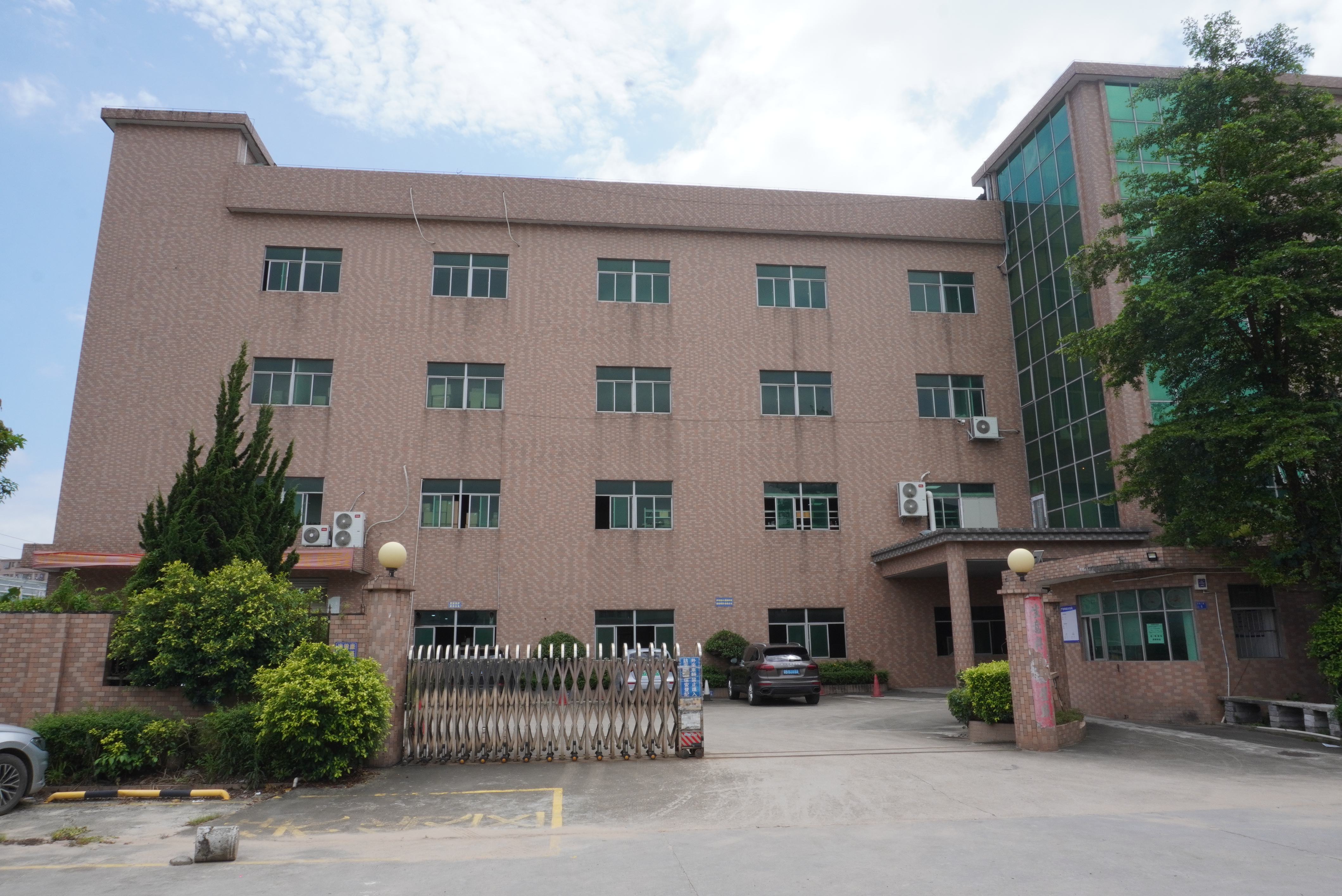
Dongguan Sanlixin Plastic Technology Co.,Ltd
Shenzhen Sanlixin Technology Co., Ltd. and Dongguan Sanlixin Plastic Technology Co., Ltd. is a manufacturer integrating precision plastic mold design, mold opening, single (double) color injection molding, IML injection molding processing, producing various single (double) color, IML process high-end appearance decorative structural parts, two-color buttons, USB dust plugs, panels and other plastic products, providing customers with fast, excellent, Midea all-round service, the company has 15 years of experience in precision plastic mold design, processing and production, with a variety of advanced machine injection molding equipment with excellent quality and fast service to win the trust and strong support of our customers.
IML and IMD Processes: Transforming Surfaces with Precision and Durability
What is Plastic Mold: The Core Tool in Modern Manufacturing