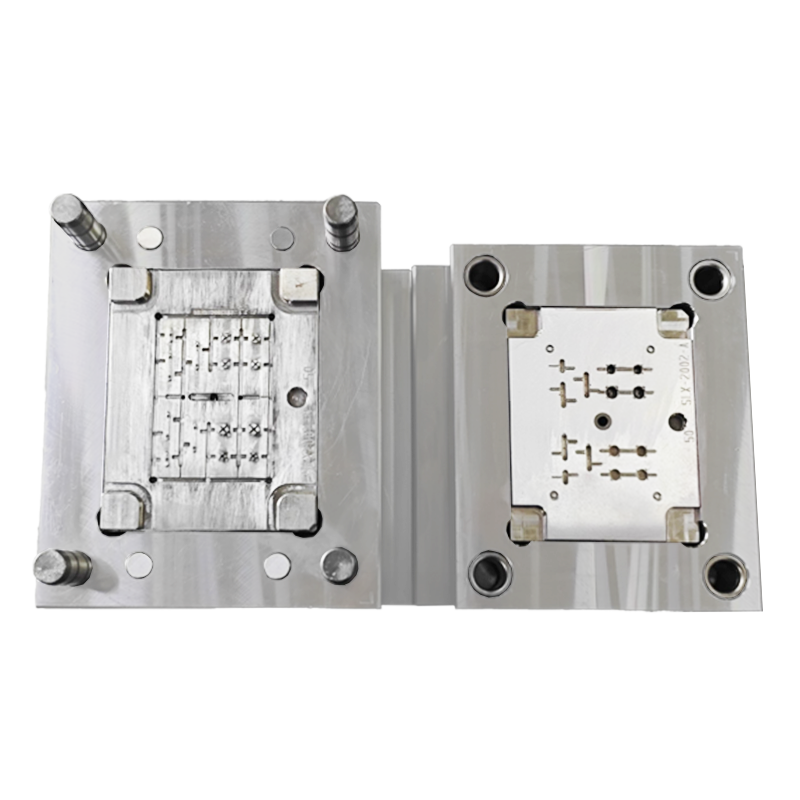
IMD Molding Process: Streamlining Production of High-Quality Plastic Casings and Components
The IMD molding process integrates film decoration with injection molding. It injects molten plastic over a pre-printed film, creating products with durable, high-quality surface patterns efficiently.

Table of Contents
- What is the IMD Molding Process?
- Key Stages of the IMD Molding Process
- The Indispensable Role of Plastic Casings & Components in IMD Molding
- IMD Plastic vs. Alternative Materials: A Comparative Breakdown
- Why Plastic Excels in the IMD Molding Process: Core Advantages
- Industry Applications of IMD Molding for Plastic Components
- Future Innovations in the IMD Molding Process
- Conclusion
1. What is the IMD Molding Process?
2. Key Stages of the IMD Molding Process
2.1. Film Preparation
2.2. Film Positioning
2.3. Plastic Injection
2.4. Demolding & Finishing
3. The Indispensable Role of Plastic Casings & Components in IMD Molding
- Structural Integrity: Plastic’s ability to be molded into complex shapes (e.g., thin-walled casings, intricate rib structures) provides the necessary framework for the IMD film. Without plastic’s moldability, the process could not produce the detailed, functional parts used in electronics, automotive, and appliances.
- Decoration Protection: As the substrate for the IMD film, plastic acts as a protective layer. The film is embedded just below the plastic surface, shielding the design from scratches, chemicals, UV light, and daily wear—something impossible with loosely applied decorations on rigid materials like metal.
- Cost & Efficiency Driver: Plastic’s low raw material cost and compatibility with high-speed injection molding make IMD scalable. Plastic components allow manufacturers to produce thousands of consistent, decorated parts per hour, far outpacing processes that use alternative materials.
4. IMD Plastic vs. Alternative Materials: A Comparative Breakdown
| Material | Cost (Per Unit) | Weight | Design Flexibility | Durability (Decoration & Surface) | Production Speed |
|---|---|---|---|---|---|
| IMD Plastic | Low-Moderate | Light | High (complex shapes, custom designs) | High (embedded film resists peeling/fading) | Fast (one-step) |
| Metal (Aluminum/Stainless Steel) | High | Heavy | Low (limited to simple forms) | Very High (scratch-resistant but rigid) | Slow (post-processing required) |
| Ceramic | Very High | Heavy | Very Low (brittle, hard to mold) | Very High (scratch/heat-resistant) | Very Slow (high defect rate) |
| Traditional Non-IMD Plastic | Low | Light | Moderate (simple to complex shapes) | Low (decoration peels/chips easily) | Moderate (two-step: mold + decorate) |
5. Why Plastic Excels in the IMD Molding Process: Core Advantages
5.1. One-Step Production for Cost Savings
5.2. Enhanced Durability and Longevity
5.3. Unmatched Design Versatility
5.4. Lightweight for Improved Usability
6. Industry Applications of IMD Molding for Plastic Components
- Consumer Electronics: Smartphones, tablets, and wearables rely on IMD plastic casings for their sleek designs and scratch-resistant surfaces. Brands like Apple and Samsung use IMD to create uniform, premium-looking devices.
- Automotive: Interior parts such as door panels, center console trims, and instrument clusters use IMD plastic for its UV resistance and ability to mimic wood or metal textures without the added weight.
- Home Appliances: Refrigerator handles, washing machine control panels, and microwave doors use IMD plastic for easy cleaning and resistance to food stains or cleaning chemicals.
- Medical Devices: IMD plastic casings for devices like blood pressure monitors or insulin pumps meet strict hygiene standards—their smooth, integrated surfaces prevent bacteria buildup, unlike parts with glued-on labels.
7. Future Innovations in the IMD Molding Process
- Sustainable Plastics: The industry is shifting to recycled or bio-based plastics for IMD, reducing environmental impact while maintaining performance. Companies are developing films made from plant-based materials that bond seamlessly with recycled plastic substrates.
- Smart IMD Integration: Future IMD plastic components will incorporate functional elements like flexible touch sensors or LED lighting directly into the film. This will enable "smart surfaces" in devices, such as a smartphone casing that doubles as a touch-sensitive control panel.
- Automated Film Handling: Advances in robotics will streamline film positioning in molds, reducing human error and increasing production speed—making IMD even more cost-effective for small-batch manufacturing.
8. Conclusion
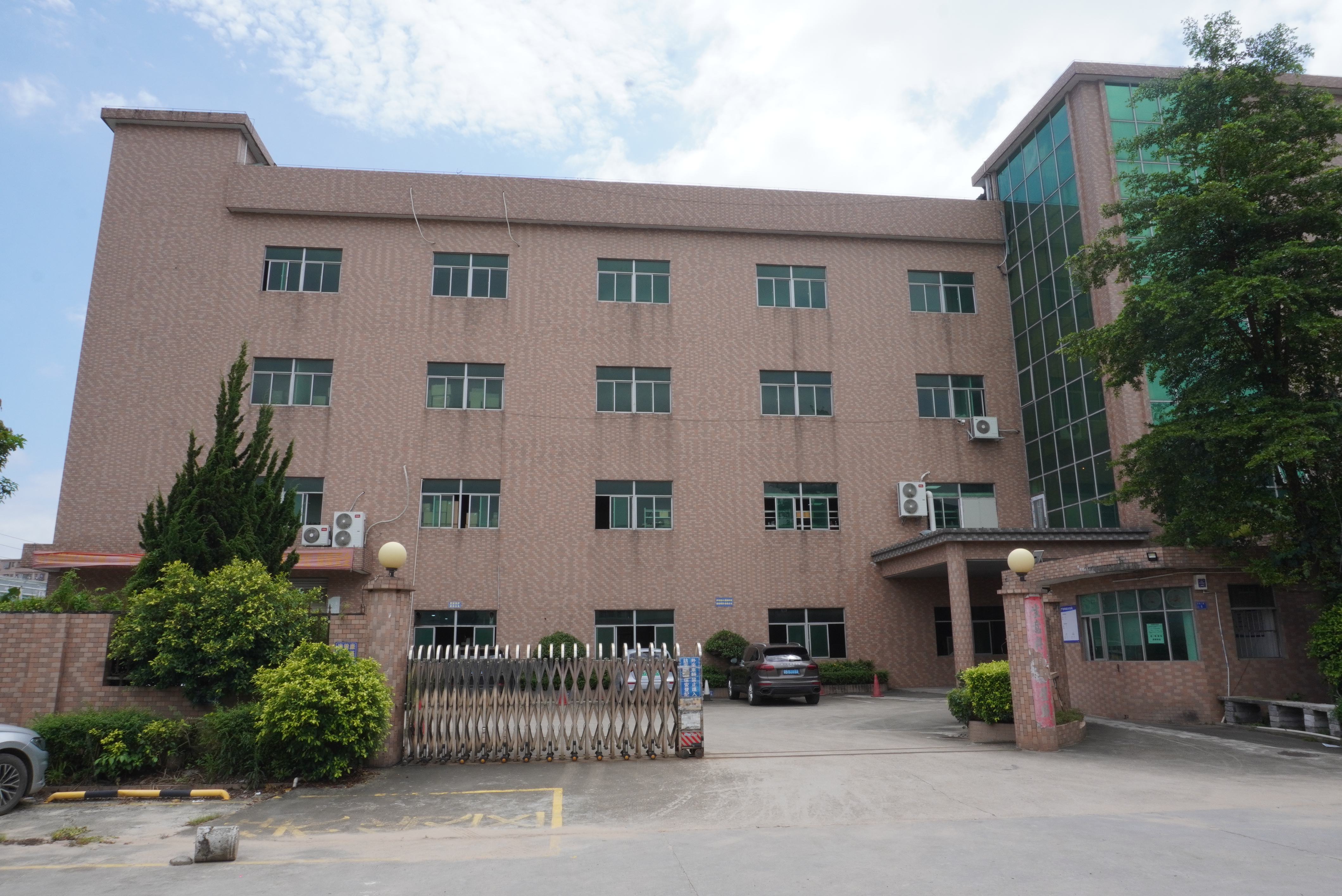
Dongguan Sanlixin Plastic Technology Co.,Ltd
Shenzhen Sanlixin Technology Co., Ltd. and Dongguan Sanlixin Plastic Technology Co., Ltd. is a manufacturer integrating precision plastic mold design, mold opening, single (double) color injection molding, IML injection molding processing, producing various single (double) color, IML process high-end appearance decorative structural parts, two-color buttons, USB dust plugs, panels and other plastic products, providing customers with fast, excellent, Midea all-round service, the company has 15 years of experience in precision plastic mold design, processing and production, with a variety of advanced machine injection molding equipment with excellent quality and fast service to win the trust and strong support of our customers.
Why Plastic Mold Polishing Is Non-Negotiable for High-Quality Plastic Parts: Benefits, Comparisons, and Best Practices
IMD Injection: Revolutionizing Plastic Casings and Components in Modern Manufacturing