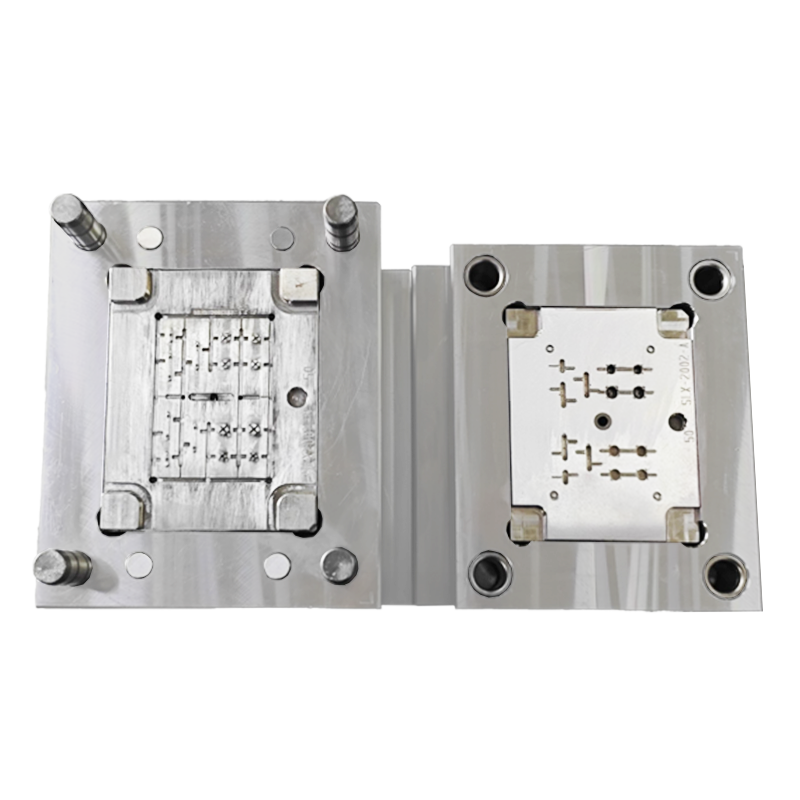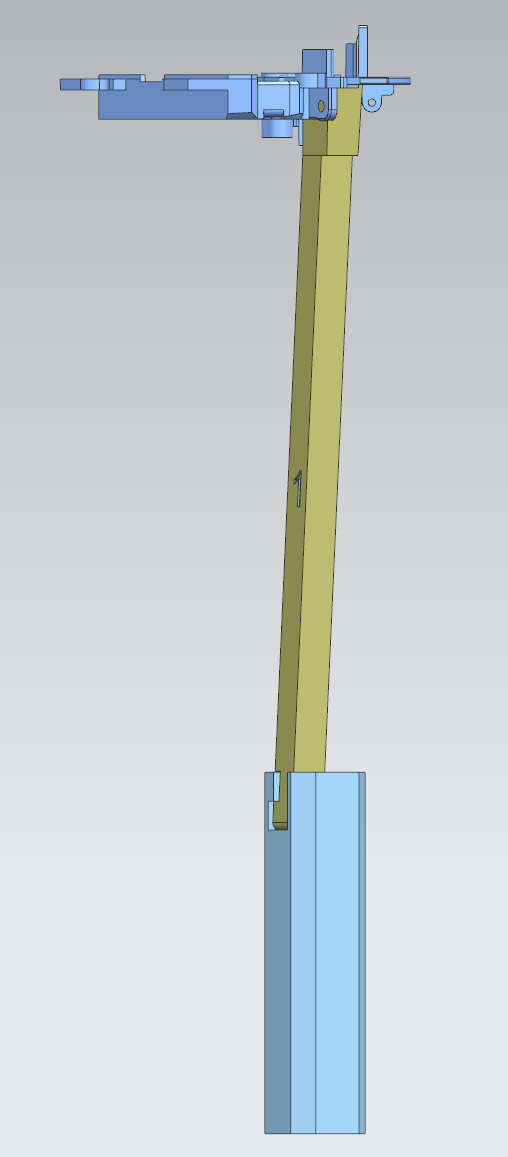
From Film to Art! Unveil the "One-step Molding" Magic of In-Mold Decoration.
IMD process: Pre-place a printed film in the injection mold, inject molten plastic to bond with the film, achieving shaping and decoration in one molding step.
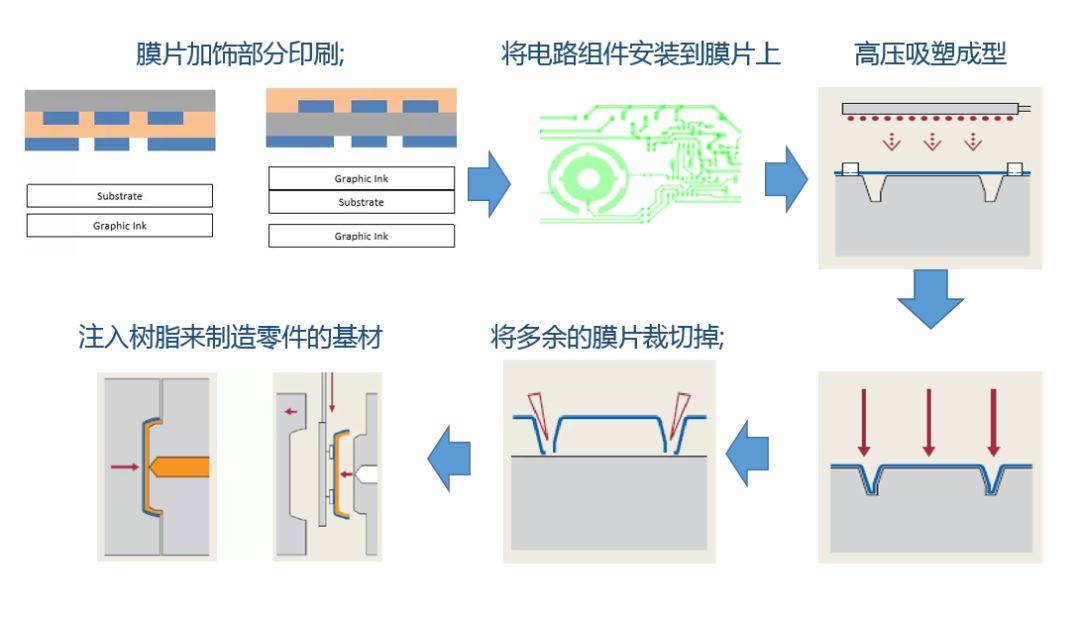
Table of Contents
- Introduction
- What is In-Mold Decoration (IMD)?
- The Process Parameters and Comparison of Different Decoration Processes
- Expert Views on In-Mold Decoration
- Industry FAQs about In-Mold Decoration
1. Introduction
2. What is In-Mold Decoration (IMD)?
2.1 Definition and Core Principle
2.2 Key Advantages of IMD
- Superior Aesthetic Appeal: IMD allows for high-resolution graphics, vibrant colors, and complex patterns to be applied to the surface of plastic parts. The decorative film can be designed to mimic various textures, such as wood, metal, or fabric, giving products a luxurious and high-quality appearance.
- Enhanced Functionality: The decorative film used in IMD can also provide additional functional properties, such as scratch resistance, chemical resistance, and UV protection. This not only improves the durability of the product but also extends its service life.
- Design Flexibility: With IMD, designers have greater freedom to create unique and innovative product shapes. The decorative film can be shaped and formed along with the plastic part during the molding process, allowing for complex 3D designs that are difficult or impossible to achieve with traditional decoration methods.
- Cost-Effective Production: By combining the molding and decoration processes into one step, IMD reduces the number of production steps, labor costs, and material waste. It also eliminates the need for expensive post-molding decoration equipment, making it a cost-effective solution for large-scale production.
3. The Process Parameters and Comparison of Different Decoration Processes
3.1 Process Parameters Table
|
Decoration Process
|
Process Steps
|
Material Selection
|
Production Cycle
|
Cost (per part)
|
Decoration Effect
|
耐候性 (Weather Resistance)
|
Environmental Friendliness
|
|
In-Mold Decoration (IMD)
|
1. Print and form decorative film;2. Place film in mold;3. Inject plastic and bond with film.
|
Polycarbonate (PC), Acrylonitrile Butadiene Styrene (ABS), Polyethylene Terephthalate (PET) films; various plastic resins for molding.
|
Short (typically 10-30 seconds per cycle for simple parts).
|
Moderate to high (depending on film complexity and mold cost).
|
High-resolution, vibrant colors, complex patterns, seamless integration.
|
Excellent (film provides UV and chemical resistance).
|
High (no volatile organic compounds emitted during process; recyclable films available).
|
|
Spray Painting
|
1. Prepare part surface;2. Apply paint layers;3. Cure paint.
|
Various paint types (solvent-based, water-based), primers, clear coats.
|
Medium to long (depending on number of coats and curing time, usually 30 minutes to several hours).
|
Low to moderate (material and labor costs for painting and curing).
|
Good color coverage, can achieve smooth surfaces; limited to 2D patterns.
|
Moderate (paint may fade or chip over time, especially in harsh environments).
|
Low to moderate (solvent-based paints may emit VOCs; water-based paints are more environmentally friendly).
|
|
Water Transfer Printing
|
1. Immerse part in water with floating film;2. Activate film with solvent;3. Remove excess film and cure.
|
Specialized water-soluble films with printed patterns.
|
Medium (process time around 10-20 minutes per part, plus curing time).
|
Moderate (film and solvent costs, labor for handling).
|
Can achieve complex 3D patterns, imitation of natural textures.
|
Moderate to good (depends on topcoat applied; may be susceptible to water and chemical damage).
|
Low to moderate (solvents used may be harmful to the environment; waste water treatment required).
|
|
Thermal Transfer Printing
|
1. Position transfer film on part;2. Apply heat and pressure to transfer pattern.
|
Thermal transfer films with pigmented layers.
|
Short to medium (几秒钟到几分钟 per part, depending on size and complexity).
|
Low to moderate (film cost and equipment for heat transfer).
|
Good for simple patterns and text, relatively fast process.
|
Moderate (transfer layer may wear off with friction or exposure to heat).
|
High (no solvents used, but film materials may have environmental impact).
|
3.2 Comparison of Advantages and Disadvantages
3.2.1 In-Mold Decoration (IMD)
- Advantages:
-
- Combines molding and decoration in one step, improving production efficiency.
-
- Offers excellent aesthetic and functional properties, with high design flexibility.
-
- Environmentally friendly compared to some other processes, especially when using recyclable films.
- Disadvantages:
-
- High initial investment in mold and film production, which may be prohibitive for small-scale production.
-
- Limited to certain plastic materials that can bond well with the decorative film.
3.2.2 Spray Painting
- Advantages:
-
- Widely applicable to various materials and shapes.
-
- Relatively low cost for simple color coating.
- Disadvantages:
-
- Separate process after molding, increasing production time and labor costs.
-
- Environmental concerns with solvent-based paints.
-
- Limited to 2D decoration and may have issues with paint adhesion and durability.
3.2.3 Water Transfer Printing
- Advantages:
-
- Capable of decorating complex 3D surfaces with intricate patterns.
-
- Relatively affordable for medium to large production runs.
- Disadvantages:
-
- Requires specialized equipment and skilled operators.
-
- Environmental impact due to the use of solvents and waste water.
-
- Decoration layer may be less durable compared to IMD.
3.2.4 Thermal Transfer Printing
- Advantages:
-
- Fast and simple process for simple patterns and text.
-
- Low initial investment in equipment.
- Disadvantages:
-
- Limited to flat or slightly curved surfaces.
-
- Decoration effect is less durable and may fade or peel over time.
4. Expert Views on In-Mold Decoration
5. Industry FAQs about In-Mold Decoration
5.1 Is IMD suitable for all types of plastic substrates?
5.2 Can IMD achieve complex 3D patterns and textures?
5.3 How to ensure the adhesion of the decorative layer in IMD?
5.4 What is the typical lifespan of a product decorated with IMD?
5.5 Is IMD an environmentally friendly process?
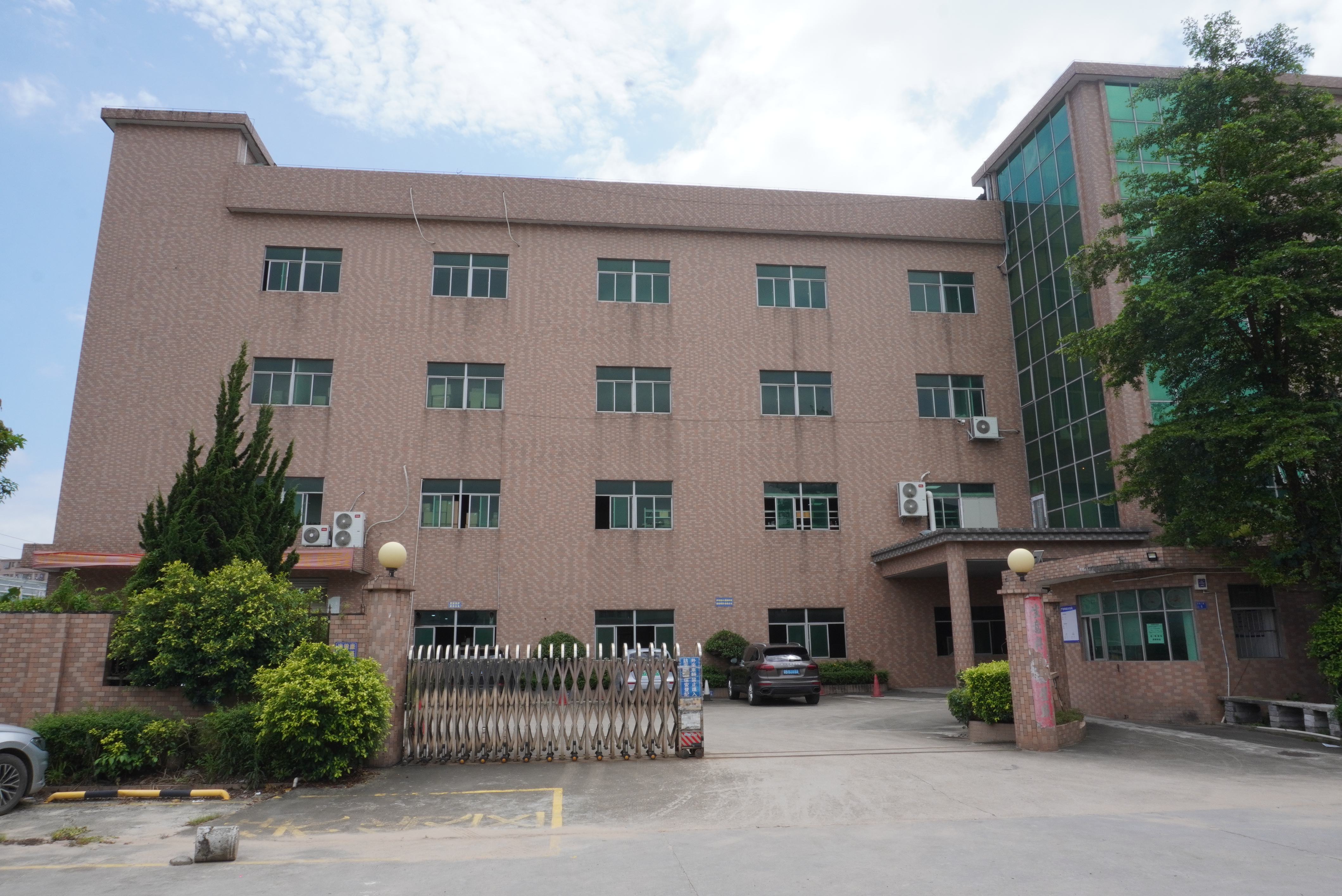
Dongguan Sanlixin Plastic Technology Co.,Ltd
Shenzhen Sanlixin Technology Co., Ltd. and Dongguan Sanlixin Plastic Technology Co., Ltd. is a manufacturer integrating precision plastic mold design, mold opening, single (double) color injection molding, IML injection molding processing, producing various single (double) color, IML process high-end appearance decorative structural parts, two-color buttons, USB dust plugs, panels and other plastic products, providing customers with fast, excellent, Midea all-round service, the company has 15 years of experience in precision plastic mold design, processing and production, with a variety of advanced machine injection molding equipment with excellent quality and fast service to win the trust and strong support of our customers.
Injection molding technology empowers toy production with impeccable details, worry-free safety, and boundless fun!
Cooling system: Optimize cycle time