IML and IMD Processes: Transforming Surfaces with Precision and Durability
Content Overview
Demystifying IML and IMD Technologies
In-Mold Labeling (IML)
IML integrates pre-printed polymer labels into plastic components during injection molding, eliminating post-production labeling. Widely used for food containers and appliance interfaces.
In-Mold Decoration (IMD)
IMD embeds multi-layer decorative films with textures/colors directly into molded parts, enabling scratch-resistant 3D surfaces for automotive trims and premium electronics.
IMD/IML Process
Process 1: Electroplating
- The traditional method is to make injection molding first + electroplating, which is not environmentally friendly. It is difficult to achieve partial electroplating. It can only be electroplated on the whole surface. After electroplating, the buckle position of the product becomes fragile, and the electroplating layer is conductive and causes defects such as shielding signals; it is also impossible to plate semi-transparent or fully transparent, only opaque; contains harmful substances and is not environmentally friendly. The IML process solves all these defects.
- Non-conductive electroplating gun color; semi-transparent/fully transparent effect
- Silver plating
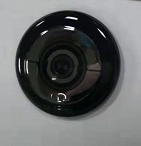
2. Conductive electroplating injection molding
- The traditional method is to make injection molding first + electroplating, which is not environmentally friendly. It is difficult to achieve partial electroplating. It can only be electroplated on the whole surface. After electroplating, the buckle position of the product becomes fragile, and the electroplating layer is conductive and causes defects such as shielding signals; it is also impossible to plate semi-transparent or fully transparent, only opaque; contains harmful substances and is not environmentally friendly.
- The IML process solves all these problems.
- Difference from non-conductive: it may oxidize, affect communication signals, and has lower cost than non-conductive.
- Non-conductive electroplating gun color; semi-transparent/fully transparent effect
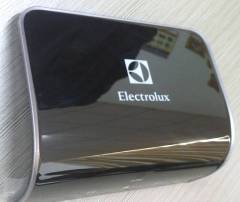
3. Color plating injection molding
- The traditional method is to make injection molding first + electroplating, which is not environmentally friendly. It is difficult to achieve partial electroplating. It can only be electroplated on the whole surface. After electroplating, the buckle position of the product becomes fragile and the electroplating layer is conductive, causing shielding signals and other defects; it is also impossible to plate semi-transparent or fully transparent, only non-transparent; it contains harmful substances and is not environmentally friendly.
- The IML process solves all these problems.
- Difference from non-conductive: the surface color of the product is brighter and richer, and it has a metallic effect, and the cost is higher than that of non-conductive.
- Effect: semi-transparent/fully transparent effect
- Can be plated with gold, color electroplating (blue, pink)
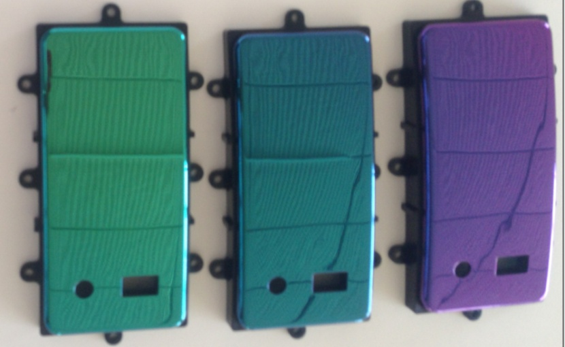
Process 2: Ultra-thin new injection molding technology
- The surface of traditional ultra-thin injection molding products cannot be decorated with complex patterns. Now through technical improvements, as long as equipment is introduced, ultra-thin injection molding can be achieved on the IMD/IML technology. Ultra-thin products are widely used in ultra-thin computers and smart electrical products, which is an innovation of traditional injection molding.
- The product is as thin as 0.8mm, with a local thickness of 0.7-0.75mm (currently mainly used for mobile phone shells)
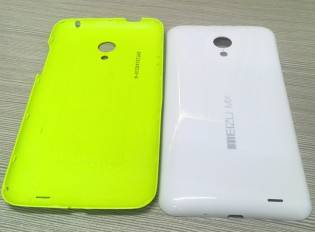
Process 3: Enjoy the feeling of genuine leather injection molding technology
- In the early days, genuine leather could not be placed in the mold for injection molding. The glue was first applied to the back of the leather and then glued to the surface of the injection molded part. Over time, the glue was easy to fall off, easy to peel, or poorly adhered, and the adhesion could not be guaranteed.
- The IMD/IML technology is to heat-press the genuine leather or leather (PU) after the inner surface is processed through multiple processes, and then put it into the mold cavity for injection molding into a product.
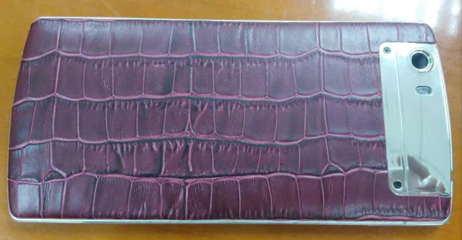
Process 4: Dynamic oil painting injection molding technology
- The traditional process can only make oil paintings into a flat effect, while the IMD/IML technology can process the flat oil painting and place it in the injection mold to make a three-dimensional effect.
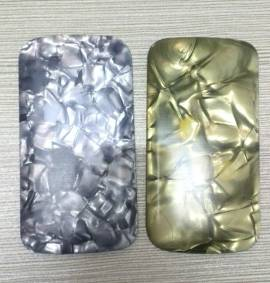
Process 5: Double-sided lamination technology + belt structure
- The conventional injection molding surface can only be printed on the outer surface, and it cannot be printed when the inner surface has a large arc. The IMD/IML process is based on the principle of two-color injection molding, and uses two-color injection molding equipment to achieve double-sided pattern decoration, which has a stronger three-dimensional sense, clearer layers, richer and more delicate colors, which cannot be achieved by two-color injection molding.
- The interior can also have buckles, screw columns, ribs, copper nuts, etc.
Process 6: External surface IMD/IML+ TPU secondary injection molding technology
- IMD/IML injection molded products are easy to deform, and TPU products are easy to run. Both are cold materials, and it is difficult to combine them by injection molding. Traditionally, two-color injection molding machines are required to solve this problem. Now, this problem has been solved through process improvement and equipment transformation, and the value of the product has been realized. The appearance is hard shell and the interior is soft glue.
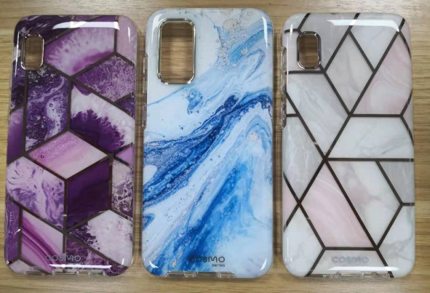
Process 7: Antibacterial technology
- It can resist the two most difficult bacteria in the world on the surface of the product: Escherichia coli and glucose bacteria. This process achieves disinfection and sterilization by adjusting the structural components of the sheet (the sheet has passed the Japanese JIS Z 2801:2010 standard verification, SGS test number: GZFDO121006634FD-2), truly achieving environmental protection requirements.
- It has been applied in the medical equipment industry.
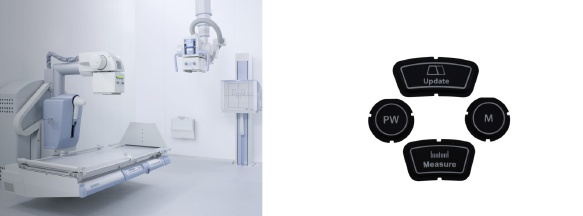
Process 8: Temperature-sensitive injection molding
- Through a special printing process, the sensitivity of the ink to temperature is adjusted to achieve a temperature-sensitive effect; when the hand touches the surface of the product, the human body temperature is transmitted to the surface of the product, and slowly a pattern appears...
- This technology can be used for air conditioners, refrigerators, electronic communications and other products
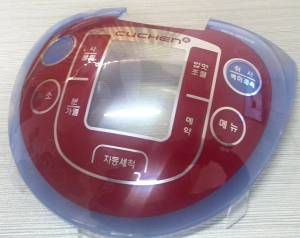
Process 9: Stereoscopic grating injection molding technology
-
Traditional plastic surfaces cannot achieve a stereoscopic grating effect
-
And IMD/IML technology can achieve this effect on 3D products, truly realizing a dynamic pattern effect, and the product pattern is vivid and lifelike, and has been widely used in air conditioners, toys, and communications industries.
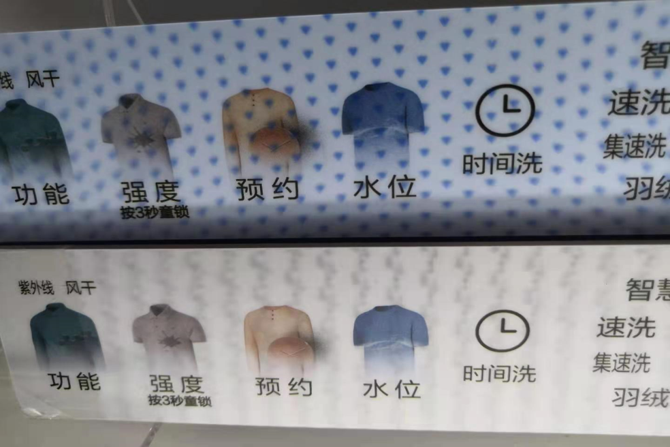
Process 10: Wire drawing injection molding technology
- Replacing aluminum, aluminum wire drawing can only be made into flat surfaces, this process can achieve 3D wire drawing; aluminum wire drawing will feel cold when you touch it in winter, but IMD/IML technology will not. . . . .
- Wire drawing can be seen on the surface, but there is no hand feeling.
- Surface wire drawing has a hand feeling.
- It can be regular or irregular, no matter how thin the wire drawing is, it can be done. . . . . .
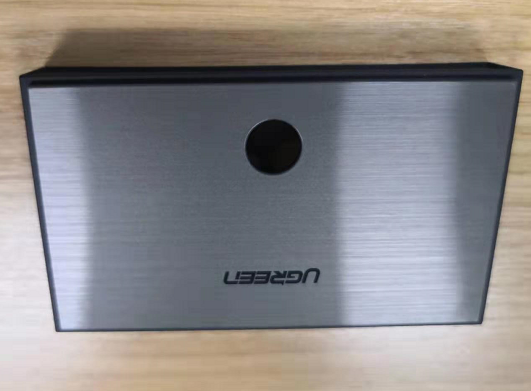
Process 11: Carbon fiber injection molding technology
- Traditional carbon fiber is made of bamboo fibers, made into cloth, and then molded and polished many times. The process is complicated and expensive, about 1,000 yuan/square meter. The IMD/IML technology not only has the same appearance as carbon fiber, but also has light weight, short production cycle, low price, and can be made into 3D shapes. It has been widely used in various high-end products.
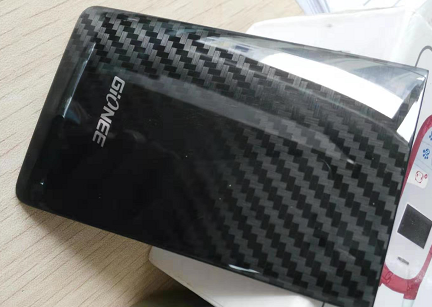
Process 12: Soft touch + IMD/IML technology
- Traditionally, to achieve the soft touch effect, rubber oil is sprayed on the plastic parts, but it is impossible to make complex patterns on the surface of the product, while IMD/IML technology can achieve it.
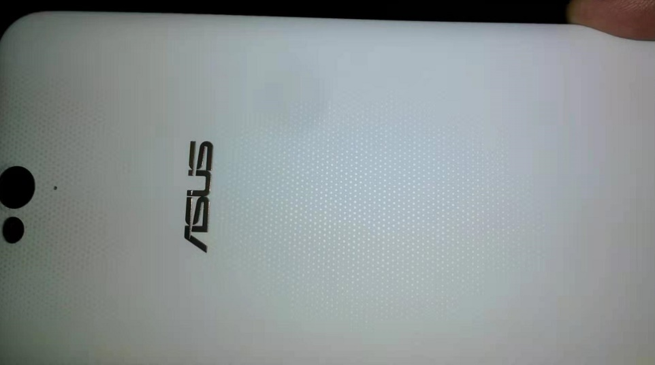
Process 13: Luminous effect injection molded parts
- On traditional injection molded products, when the light goes out, the pattern or function buttons on the surface of the product cannot be seen, which makes it inconvenient to operate. However, when the light of IMD/IML products goes out, the pattern is still bright and easy to operate. . .
- It has been widely used in medical and entertainment such as mahjong machines and communication mobile phones.
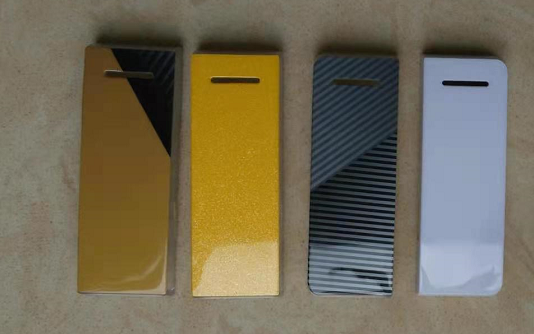
Process 14: Reverse hemming molding technology (high pressure molding)
- Traditional IMD/IML process sheets can only hem to the side. Now, through technical improvements, improving production capabilities and levels, and introducing advanced equipment, it can now hem to the bottom of the product, completely solving the problem of product exposure. But the cost is very high and it is generally not recommended.
- It has been used in products such as automobiles, washing machines, and razors.
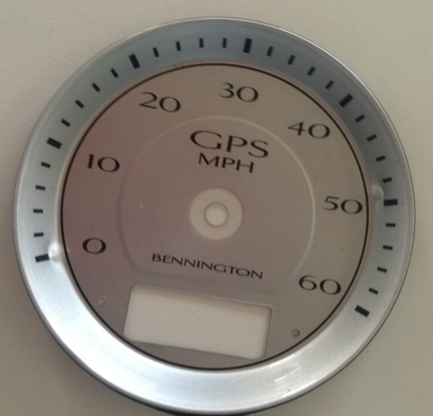
Process 15: Magnetic field induction printing technology
- The traditional IMD/IML process sheet achieves the desired effect through silk screen printing, while the magnetic field induction technology uses the magnetic field adsorption to produce patterns, patterns, text and LOGO on the inner surface of the sheet. Its characteristic is that it has a strong three-dimensional sense, which cannot be achieved by other printing processes.
- It has been applied to air conditioners, refrigerators and other products
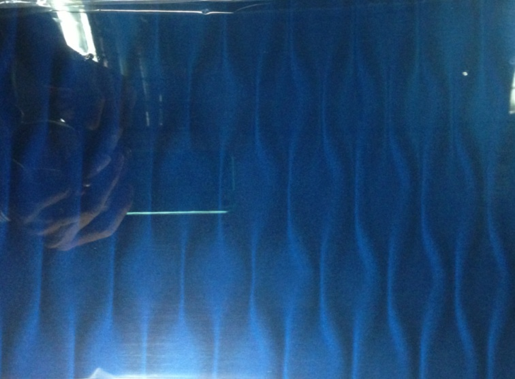
Process 16: Automatic repair film (the product can automatically repair after being scratched)
| Project | Self-healing film | Hardened film | |
| Sharp injury test | Pencil Hardness | HB | 2H |
| Resistant to SW 200g x 1000 round trips | Injured to the self-healing layer resulting in scratches | High hardness without scratches | |
| Structure | 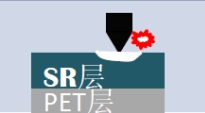 |
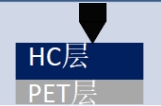 |
|
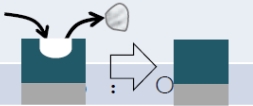
| Blunt Trauma Test | Shaking drum test※ 1 | ○ | △ |
| Iron brush test※ 2 | ○ | △ | |
| Structure | Make the self-healing layer concave, and it will recover immediately after a few seconds. | The momentary impact cannot be restored. | |
 |
 |
||
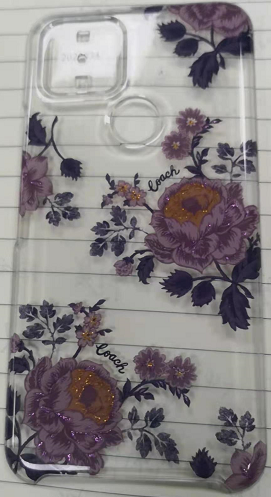
Industry FAQs: IML/IMD Decoded
Which offers better cost efficiency for mass production?
IML suits high-volume runs (10k+ units) due to faster cycles, while IMD excels in premium low/mid-volume applications.
Can these processes combine metalized effects?
Yes, IMD supports nano-metallization films for brushed aluminum or chrome finishes without plating.
How do they compare to traditional painting?
A: IML/IMD reduce VOC emissions by 90% and eliminate paint chipping risks.
Q: Minimum order quantities?
A: Typical MOQ: 5,000 pieces for IML, 1,000 for IMD due to complex tooling.
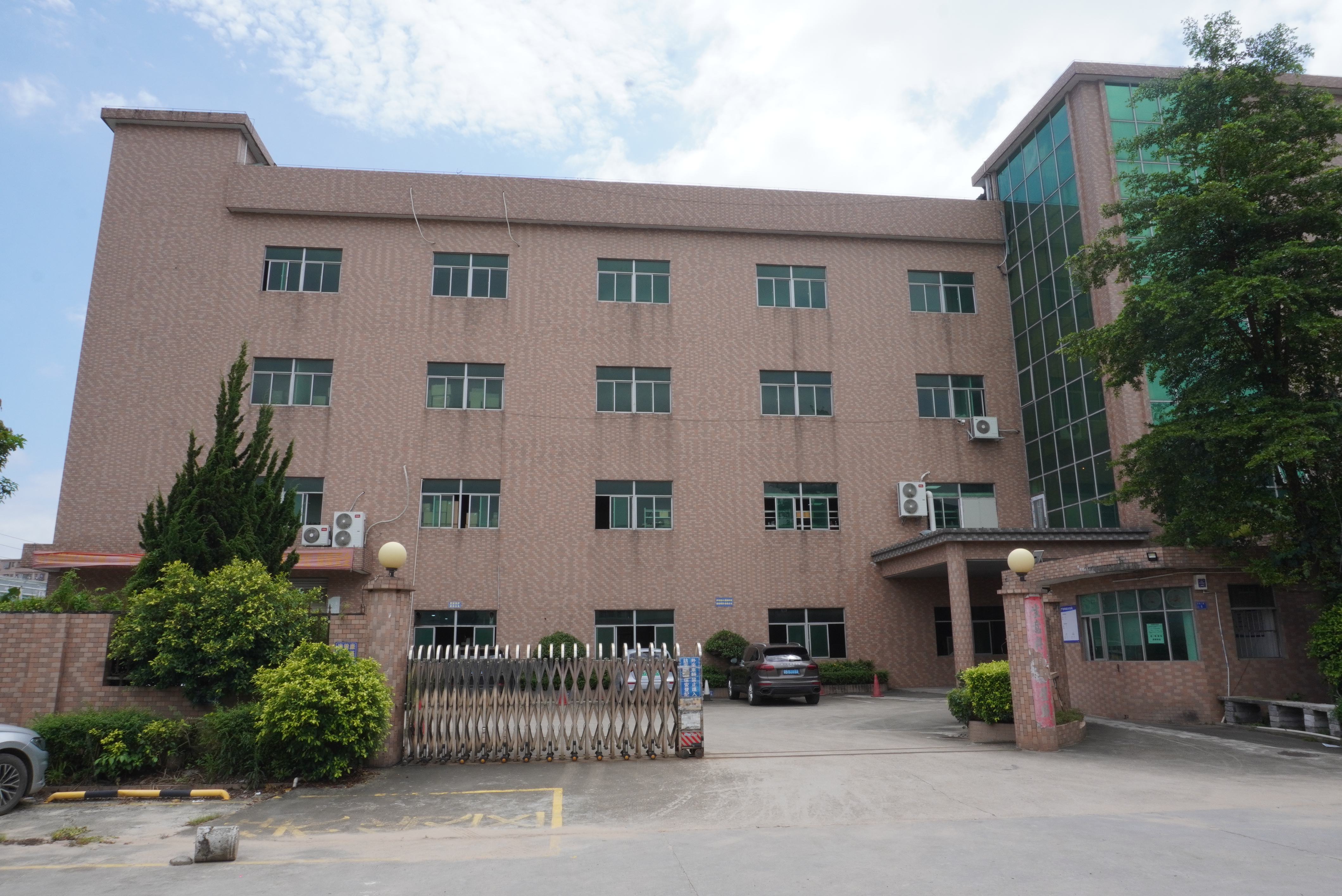
Dongguan Sanlixin Plastic Technology Co.,Ltd
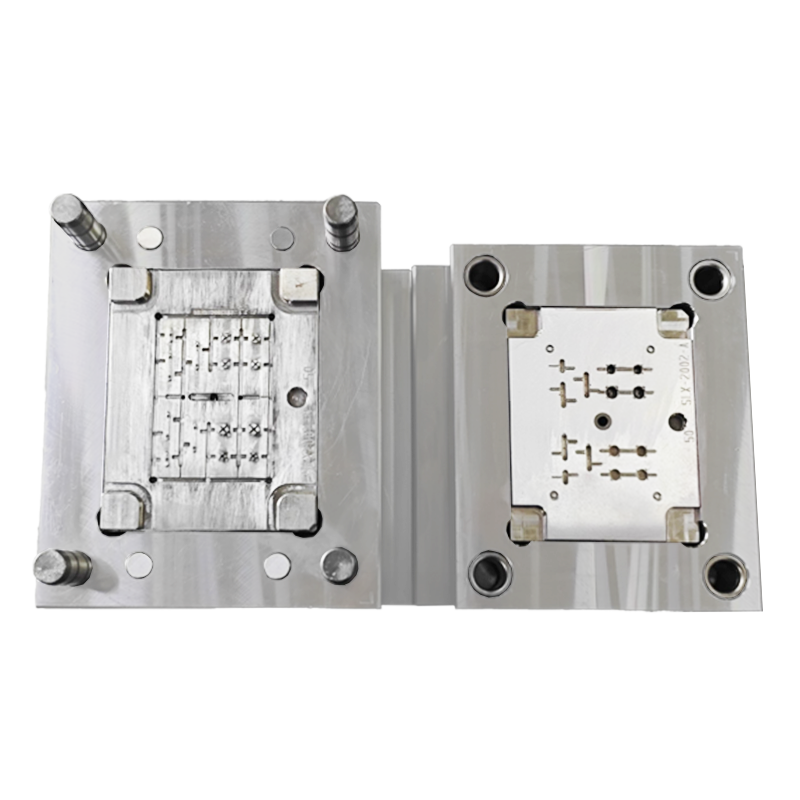
Shenzhen Sanlixin Technology Co., Ltd. and Dongguan Sanlixin Plastic Technology Co., Ltd. is a manufacturer integrating precision plastic mold design, mold opening, single (double) color injection molding, IML injection molding processing, producing various single (double) color, IML process high-end appearance decorative structural parts, two-color buttons, USB dust plugs, panels and other plastic products, providing customers with fast, excellent, Midea all-round service, the company has 15 years of experience in precision plastic mold design, processing and production, with a variety of advanced machine injection molding equipment with excellent quality and fast service to win the trust and strong support of our customers.
Understanding the In-Mold Labeling (IML) Process
IML vs. IMD: Which In-Mold Technology is Right