How to Choose Colors for Plastic Injection Molding
How to Choose Colors for Plastic Injection Molding
Introduction
In the process of plastic injection molding, the choice of color not only affects the appearance of the product but may also influence its market acceptance and functionality. This article will explore how to choose the right color for plastic injection molding to ensure that the product is both aesthetically pleasing and practical.
1. Understanding the Impact of Color on Products
Color is the first impression consumers have of a product, and it can influence their purchasing decisions. Different colors can convey different emotions and messages; for example, red often represents passion and energy, while blue conveys trust and stability.
1.1 Psychological Effects of Color
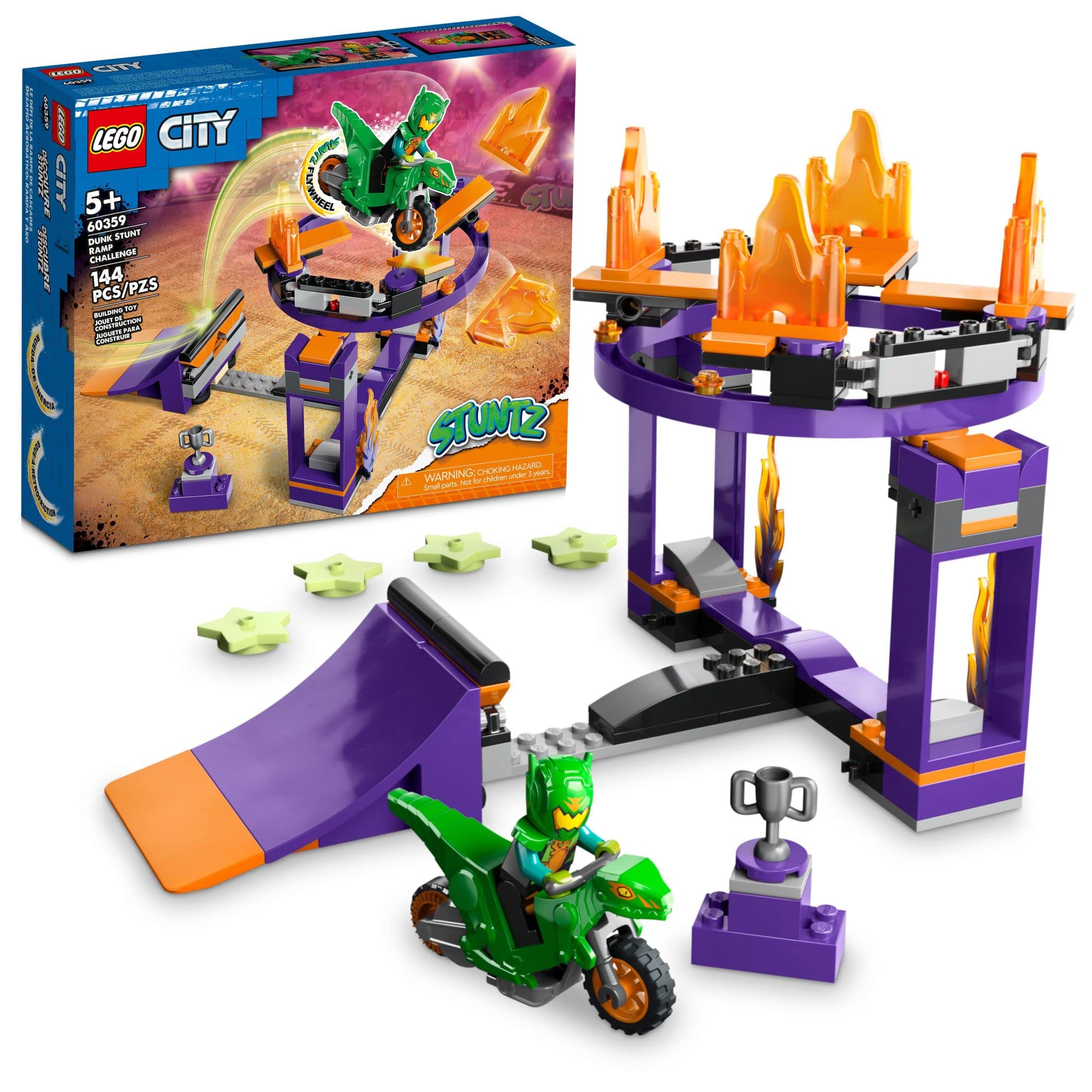
Understanding the psychological effects of color is crucial for selecting the right color for a product. For instance, children's toys often use bright colors to attract attention, while medical devices tend to use softer colors to reduce patient anxiety.
1.2 Functionality of Color
In some cases, color selection also involves functional considerations. For example, plastic products used outdoors may need to choose UV-resistant colors to prevent fading.
2. Considering Material Properties
Different plastic materials have different effects on color presentation. For example, transparent materials can display internal colors, while opaque materials need to consider color coverage.
2.1 Material Transparency
Highly transparent materials like polycarbonate (PC) and polymethyl methacrylate (PMMA) are suitable for products that need to showcase internal structures or colors.
2.2 Chemical Resistance of Materials
Certain plastic materials like polypropylene (PP) and polyethylene (PE) have good chemical resistance, making them suitable for products that need to come into contact with chemicals.
3. Considering Production Processes
The production process of plastic injection molding also affects color selection. For example, high-temperature injection molding may cause some colors to change.
3.1 Temperature Impact on Color
High-temperature injection molding may cause colors to darken or lighten, so temperature control during production must be considered when selecting colors.
3.2 Injection Pressure Impact on Color
High-pressure injection molding may cause uneven color distribution, so injection pressure control must be considered when selecting colors.
4. Market Trends and Brand Image
Color selection should also consider market trends and brand image. For example, eco-friendly products might choose green or blue to convey an environmental message.
4.1 Market Trends
Understanding current market trends can help select colors that align with consumer preferences. For instance, soft pink and blue have been very popular in the consumer goods market in recent years.
4.2 Brand Image
Brand image is also an important factor to consider when selecting colors. For example, luxury brands might choose black or gold to convey a sense of opulence.
Conclusion
Choosing the right color for plastic injection molding is a multifaceted decision-making process that requires considering the psychological effects of color, material properties, production processes, and market trends and brand image. By comprehensively considering these factors, one can select colors that are both aesthetically pleasing and practical, thereby enhancing the product's market competitiveness.
Better Plastic Parts Design With Bosses
Injection Molding Ejector Pins: Types and Considerations