High-Precision Injection Molding vs. Traditional Machining: In Which Scenarios Can Precision Injection Molding Create Greater Value?
High precision injection molding supports high-volume production while maintaining micron-level accuracy, reducing post-processing needs.
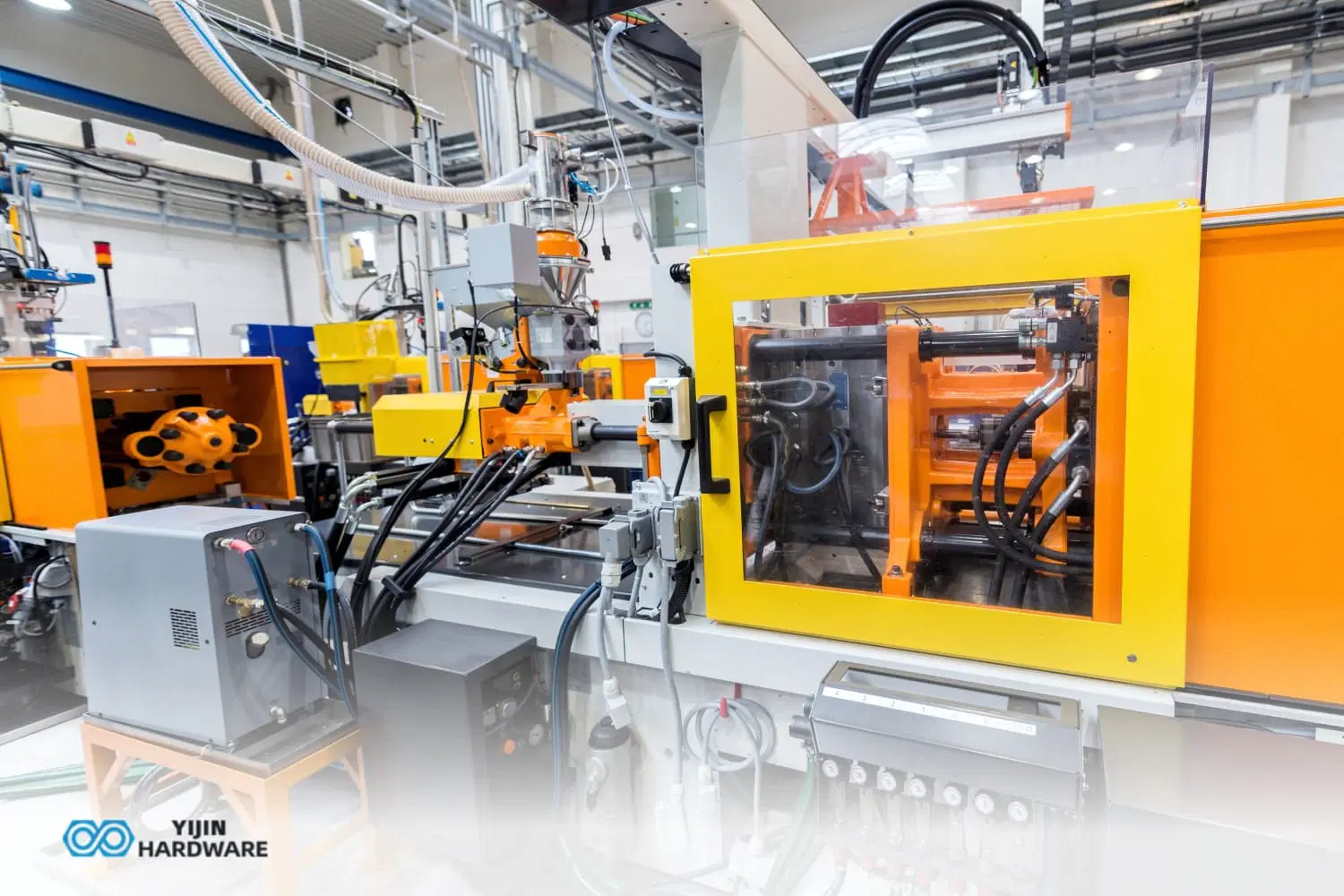
Table of Contents
1. Introduction: The Precision Manufacturing Dilemma
2. Defining the Contenders: What Are HPIM and Traditional Machining?
2.1 High-Precision Injection Molding (HPIM): Core Principles and Capabilities
How HPIM Works
- Material Preparation: High-performance polymers (e.g., PEEK, Ultem, PA66) or composite materials (filled with glass, carbon, or metal fibers) are dried to remove moisture (critical for avoiding part defects like bubbles) and fed into a heated barrel.
- Melting and Injection: The barrel uses precise temperature zones (controlled to ±1°C) to melt the material into a homogeneous "melt." A high-pressure screw (capable of up to 3,000 bar) injects the melt into a precision-machined mold at a controlled rate (measured in cm³/s) to avoid shear stress or uneven filling.
- Cooling and Solidification: The mold, often made from hardened steel (e.g., H13 or STAVAX) and machined with CNC equipment to ±0.0005mm accuracy, uses a closed-loop cooling system to regulate temperature. This ensures uniform solidification, preventing warpage or dimensional shrinkage.
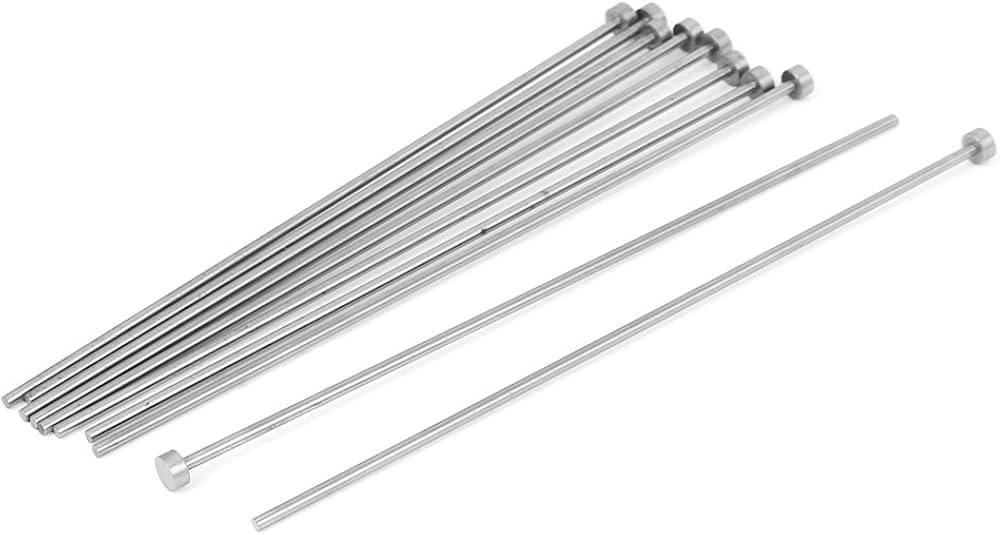
- Ejection and Quality Control: Once solidified, the part is ejected using precision pins (to avoid damage) and immediately inspected—often via automated systems (e.g., vision cameras, laser scanners) that check for dimensional accuracy, surface finish, and defects.
Key HPIM Capabilities
- Tolerance Range: ±0.001mm to ±0.05mm, depending on part size and material. For micro-components (e.g., medical catheters), tolerances can be as tight as ±0.0005mm.
- Repeatability: 95%+ dimensional consistency across 10,000+ parts, thanks to closed-loop process control (sensors monitor temperature, pressure, and injection speed in real time).
- Complexity: Can integrate multiple features (threads, ribs, bosses, internal cavities) in one shot, eliminating the need for post-processing (e.g., drilling, tapping).
- Material Compatibility: Works with engineering plastics (PEEK, PPS), thermoplastics (ABS, PC), composites (carbon-fiber reinforced PA), and even metal-polymer hybrids (via insert molding).
- Production Speed: Cycle times range from 5 seconds (small parts, e.g., connectors) to 2 minutes (large parts, e.g., automotive housings), enabling high-volume output.
Critical HPIM Equipment
- High-Precision Injection Machines: Equipped with servo-driven screws, closed-loop pressure/temperature control, and linear encoders (to measure screw position to ±0.001mm). Examples include machines from Arburg (Allrounder series) and Engel (e-motion series).
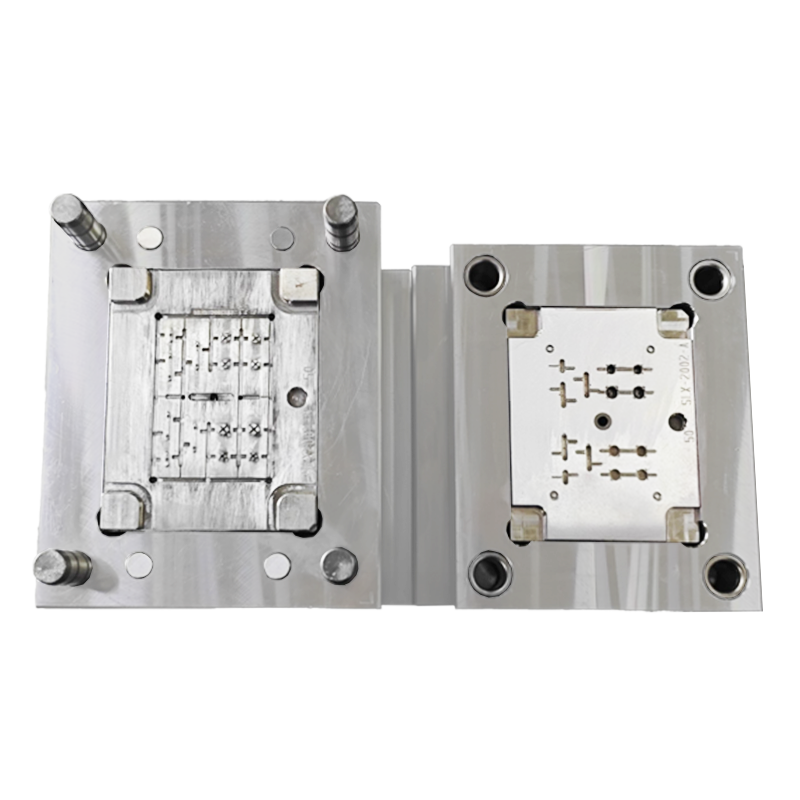
- Precision Molds: Machined using 5-axis CNC mills or electrical discharge machining (EDM) to ensure mold cavities and cores match design specifications exactly. Molds often include features like hot runners (to reduce material waste) and venting systems (to release trapped air).
- Quality Inspection Tools: Automated vision systems (e.g., Keyence IM series) and coordinate measuring machines (CMMs, e.g., Zeiss Contura) that verify part dimensions within seconds.
2.2 Traditional Machining: Key Methods and Limitations
Common Traditional Machining Methods
- CNC Milling: Uses rotating cutting tools to remove material from a workpiece clamped to a table. CNC (Computer Numerical Control) mills can handle 3–5 axes of movement, enabling 3D shapes. Typical tolerances: ±0.01mm to ±0.1mm for standard CNC; ±0.005mm for high-precision CNC.
- CNC Turning: Rotates the workpiece while a stationary cutting tool removes material (ideal for cylindrical parts like shafts or bolts). Tolerances: ±0.005mm to ±0.05mm for high-precision turning.
- Drilling: Creates holes in a workpiece using a rotating drill bit. Tolerances: ±0.02mm to ±0.1mm (holes may require reaming for tighter precision).
- Grinding: Uses an abrasive wheel to smooth surfaces or achieve tight tolerances. Precision grinding can reach ±0.001mm, but is slow and limited to simple shapes.
- EDM (Electrical Discharge Machining): Uses electrical sparks to erode material (ideal for hard metals like titanium or tool steel). Tolerances: ±0.001mm, but cycle times are long (hours per part for complex shapes).
Core Limitations of Traditional Machining
- Material Waste: Subtractive processes remove 30–70% of the raw material (e.g., machining a metal bracket from a solid block). This is costly for expensive materials (e.g., titanium, PEEK).
- Complexity Constraints: Integrating features like internal channels or undercuts requires multiple setups (e.g., milling one side, then flipping the part to mill the other). Each setup increases time and the risk of dimensional error.
- Scalability: Cycle times are slow—even high-precision CNC milling takes 10–60 minutes per part (vs. seconds/minutes for HPIM). At volumes above 1,000 parts, unit costs rise sharply.
- Consistency Risks: Human error (e.g., setup mistakes) or tool wear can lead to part-to-part variation. Even with CNC, tool degradation over time (e.g., dull cutting bits) reduces precision.
- Material Limitations: While excellent for metals, traditional machining is less effective for plastics—especially flexible or low-melt-point polymers (which can warp under cutting heat).
3. Head-to-Head: Critical Differences Between HPIM and Traditional Machining
|
Comparison Dimension
|
High-Precision Injection Molding (HPIM)
|
Traditional Machining
|
|
Dimensional Tolerance
|
±0.001mm to ±0.05mm (micron-level precision for small parts; consistent across high volumes)
|
±0.001mm (grinding/EDM) to ±0.1mm (standard CNC); precision degrades with tool wear
|
|
Part Complexity
|
Handles complex geometries (threads, undercuts, internal channels) in one shot; no multiple setups
|
Requires multiple setups for complex features; internal channels/undercuts are difficult/impossible
|
|
Production Speed (Cycle Time)
|
5 seconds–2 minutes per part (high-volume output: 10,000+ parts/day for small components)
|
10 minutes–2 hours per part (low-volume: <500 parts/day for complex components)
|
|
Cost Structure
|
High upfront mold cost (\(10,000–\)500,000+); unit cost drops sharply at volumes >1,000 parts
|
Low upfront cost (no molds); unit cost rises with volume (labor/tooling/material waste)
|
|
Material Compatibility
|
Excels with plastics/composites; insert molding for metal-polymer hybrids; minimal material waste (5–10%)
|
Excels with metals (steel, titanium); poor for flexible plastics; high waste (30–70%)
|
|
Post-Processing
|
Minimal (e.g., trimming gate marks); 80–90% of parts are ready-to-use after ejection
|
Extensive (drilling, tapping, grinding, deburring); 50–70% of parts need post-processing
|
|
Repeatability
|
95%+ consistency across 10,000+ parts (closed-loop process control)
|
85–90% consistency (risk of human error/tool wear); requires frequent quality checks
|
|
Weight Optimization
|
Enables lightweight designs (ribs, hollow cores) without sacrificing strength; 10–30% weight reduction vs. machined parts
|
Limited lightweighting (subtractive process can’t easily create hollow cores); heavier parts
|
Key Takeaways from the Comparison
- HPIM Shines at Scale: For volumes above 1,000 parts, HPIM’s low unit cost and high speed make it unbeatable. Traditional machining becomes cost-prohibitive here.
- Complexity = HPIM Advantage: Parts with integrated features (e.g., a medical valve with internal channels and threads) require 5–10x fewer steps with HPIM.
- Precision Consistency: HPIM maintains precision across thousands of parts, while traditional machining’s precision fades as tools wear.
- Traditional Machining Wins for Small Batches/Metals: For 1–100 parts (e.g., a custom aerospace bracket) or hard metals (e.g., titanium shafts), traditional machining is faster and cheaper upfront.
4. The Value Drivers of HPIM: Why It Outperforms in Targeted Scenarios
4.1 Ultra-Tight Dimensional Accuracy and Consistency
How HPIM Achieves This Accuracy
- Closed-Loop Process Control: Modern HPIM machines use sensors to monitor 10+ variables in real time: barrel temperature (±1°C), injection pressure (±1 bar), screw speed (±1 rpm), and mold temperature (±0.5°C). If a variable drifts outside the target range, the system adjusts automatically (e.g., increasing cooling time if mold temperature is too high).
- Precision Molds: Mold cavities are machined using EDM or 5-axis CNC mills to ±0.0005mm accuracy—10x more precise than standard injection molds. Molds also use heat-treated steel (HRC 50–60) to resist wear, ensuring cavity dimensions stay consistent for 100,000+ cycles.
- Material Science: HPIM uses advanced polymers with low shrinkage rates (e.g., PEEK has a shrinkage rate of 1.5–2%, vs. 5–7% for standard ABS). Mold designers use CAE (Computer-Aided Engineering) software (e.g., ANSYS Polyflow) to predict shrinkage and compensate by slightly oversizing mold cavities.
Real-World Impact of HPIM Accuracy
- 15% of parts failed tolerance checks (due to tool wear).
- Each part took 12 minutes to produce.
- Unit cost was $12.
- <0.5% of parts failed tolerance checks (consistent across 500,000 parts).
- Cycle time dropped to 45 seconds per part.
- Unit cost fell to $2.80.
4.2 Complex Geometries: Integrating Features in One Shot
HPIM’s Advantage in Complexity
- Undercuts and Internal Channels: HPIM molds use slide mechanisms or unscrewing cores to create undercuts (e.g., a snap-fit feature) or internal channels (e.g., a fluid flow path) that are impossible with traditional machining (which can’t reach "hidden" areas of a part).
- Feature Integration: A single HPIM part can replace 2–5 machined parts. For example, an automotive sensor housing previously required:
-
- CNC milling the outer shell.
-
- Drilling mounting holes.
-
- Tapping internal threads.
-
- Inserting a metal insert (via a separate process).
Case Example: Complex Aerospace Connector
- 8 internal electrical contact channels (0.8mm diameter, tolerance ±0.01mm).
- External threads (M12 x 1.75).
- A hollow core (5mm diameter) for cable routing.
- A metal insert for grounding.
- 6 separate setups (mill outer shape, drill channels, tap threads, bore core, insert metal, deburr).
- 45 minutes per part.
- 20% of parts had misaligned channels (due to multiple setups).
- 1 setup (mold includes all features; metal insert is pre-placed).
- Cycle time: 1.5 minutes per part.
- 0.3% of parts had misaligned channels (due to mold precision).
4.3 Scalability: Cost Efficiency at High Volumes
The HPIM Cost Curve: Scale = Savings
|
Cost Component
|
HPIM
|
CNC Machining
|
|
Upfront Cost (Mold/Tooling)
|
$50,000 (precision steel mold)
|
$2,000 (CNC tooling)
|
|
Unit Material Cost
|
$0.75 (low waste: 5%)
|
$2.25 (high waste: 60%)
|
|
Unit Labor/Operational Cost
|
$0.25 (1 operator per 4 machines)
|
$3.50 (1 operator per 1 CNC machine)
|
|
Total Cost for 100,000 Units
|
\(50,000 + (100,000 x \)1.00) = $150,000
|
\(2,000 + (100,000 x \)5.75) = $577,000
|
|
Unit Cost at 100,000 Units
|
$1.00
|
$5.75
|
Break-Even Analysis
Why HPIM Scales So Well
- Low Labor Requirements: One operator can monitor 3–4 HPIM machines (which run autonomously), vs. 1 operator per CNC machine (which requires constant supervision).
- Minimal Material Waste: HPIM produces 5–10% waste (from gate marks or runner systems, which are recyclable), vs. 30–70% waste with machining (scrap material that is often unrecyclable for high-precision parts).
- Fast Cycle Times: HPIM’s 1–2 minute cycle times (vs. 10–60 minutes for machining) mean more parts per hour—even with fewer machines.
4.4 Material Versatility: From Engineering Plastics to Composites
HPIM’s Material Range and Applications
|
Material Type
|
Examples
|
Key Properties
|
HPIM Applications
|
|
High-Temperature Polymers
|
PEEK, Ultem (PEI), PPS
|
Withstand 150–300°C; chemical resistance
|
EV battery housings, aerospace components
|
|
Flexible Polymers
|
Silicone, TPE (Thermoplastic Elastomer)
|
Elasticity; biocompatibility
|
Medical seals, consumer electronics gaskets
|
|
Composites
|
Carbon-fiber reinforced PA, Glass-fiber reinforced PC
|
High strength-to-weight ratio; rigidity
|
Automotive structural parts, drone frames
|
|
Biocompatible Polymers
|
PEEK, PP (Polypropylene), ETFE
|
Non-toxic; compatible with human tissue
|
Implantable devices, surgical instruments
|
|
Metal-Polymer Hybrids
|
PA + aluminum inserts, PEEK + steel
|
Combine plastic’s light weight with metal’s strength
|
Electrical connectors, automotive sensors
|
Why Traditional Machining Struggles with These Materials
- Flexible Plastics: CNC machining can’t cut silicone or TPE without deforming the material (the cutting tool pushes the plastic instead of cutting it).
- High-Temperature Polymers: PEEK and Ultem are so hard at room temperature that they dull CNC tools quickly (increasing tooling costs by 300–500%).
- Composites: Carbon-fiber composites are abrasive—they wear down CNC cutting tools in minutes, making machining impractical for high volumes.
Real-World Material Impact
- Part weight reduced by 40% (from 250g to 150g), improving EV range by 3–5%.
- Material cost cut by 50% (PPS costs \(8/kg vs. \)16/kg for aluminum).
- Production speed increased by 8x (HPIM cycle time: 90 seconds vs. 12 minutes for machining).
4.5 Lightweighting and Structural Optimization
HPIM’s Lightweighting Techniques
- Hollow Cores and Ribs: HPIM molds can include internal cores to create hollow parts (e.g., a 10mm-diameter tube with a 6mm hollow core) that are 30–50% lighter than solid machined parts. Ribs (thin, raised structures) can be added to the outer surface to reinforce the part—maintaining strength while reducing weight.
- Thin-Wall Molding: HPIM can produce parts with wall thicknesses as thin as 0.2mm (vs. 1mm minimum for CNC machining). Thin walls reduce material usage and weight, while still providing sufficient strength (when using high-performance polymers like PC or PEEK).
- Lattice Structures: For non-structural parts (e.g., consumer electronics casings), HPIM can create lattice patterns (honeycomb or grid designs) that reduce weight by 50–70% without compromising durability.
Aerospace Lightweighting Example
- Part weight: 450g.
- Cost: $180 per part (due to complex boring for hollow cores).
- Lead time: 7 days per part.
- Part weight: 180g (60% weight reduction).
- Strength: 20% higher than aluminum (tensile strength: 120 MPa vs. 100 MPa for aluminum).
- Cost: $45 per part.
- Lead time: 2 minutes per part.
5. High-Value Scenarios for HPIM: Industries and Applications
5.1 Medical Devices: Precision That Saves Lives
Key HPIM Applications in Medical Devices
- Disposable Surgical Instruments: Tools like forceps, scalpels, and catheter components require tight tolerances (±0.01mm) to ensure precision during surgery. HPIM produces these in volumes of 1–10 million per year, with <1% defect rates. For example, a manufacturer of disposable catheter tips (3mm diameter, 0.3mm internal channel) switched from CNC machining to HPIM:
-
- Defect rate dropped from 8% to 0.3%.
-
- Unit cost fell from \(3.50 to \)0.90.
-
- Regulatory pass rate rose from 88% to 99.7%.
- Implantable Devices: Parts like hip implant components, dental abutments, and pacemaker housings require biocompatible materials (e.g., PEEK) and ultra-tight tolerances (±0.005mm). HPIM’s ability to use medical-grade polymers and maintain consistency across small batches (100–1,000 parts) makes it ideal. A manufacturer of PEEK spinal implants used HPIM to replace CNC machining:
-
- Part weight reduced by 30% (improving patient recovery time).
-
- Production time per part cut from 4 hours to 15 minutes.
-
- Material waste dropped from 60% to 8% (critical for expensive PEEK).
- Diagnostic Equipment: Components like microfluidic chips (used in PCR tests) and sensor housings require precise internal channels (0.1–0.5mm diameter) to ensure accurate fluid flow. HPIM’s ability to create these channels in one step eliminates the need for post-processing (e.g., drilling), which can damage delicate structures. A diagnostic device maker used HPIM for microfluidic chips:
-
- Channel tolerance improved from ±0.05mm (machining) to ±0.008mm (HPIM).
-
- Test accuracy rose from 92% to 99.5%.
-
- Annual production capacity increased from 50,000 to 2 million chips.
Why Traditional Machining Fails in Medical Devices
- Regulatory Risk: Machining’s higher defect rate (5–15%) increases the chance of non-compliance with FDA/CE standards.
- Material Limitations: Machining can’t handle flexible biocompatible materials (e.g., silicone seals for catheters) without deformation.
- Cost at Scale: For disposable devices (e.g., 10 million catheter tips/year), machining’s unit cost (\(3.50) is prohibitive vs. HPIM’s \)0.90.
5.2 Automotive: Meeting EV and ADAS Demands
Key HPIM Applications in Automotive
- EV Battery Components: EV batteries require housings, cooling plates, and connectors that are lightweight (to extend range), heat-resistant (to withstand battery temperatures up to 150°C), and precise (to ensure proper fit with battery cells). HPIM’s use of high-temperature polymers (e.g., PPS) and lightweight designs makes it ideal. A major EV maker switched to HPIM for battery management system (BMS) housings:
-
- Part weight reduced by 35% (from aluminum machining to PPS HPIM).
-
- Production time per part cut from 20 minutes to 2 minutes.
-
- Cost per part dropped from \(18 to \)4.50.
- ADAS Sensors: ADAS systems (e.g., radar, LiDAR, cameras) require sensor housings with ultra-tight tolerances (±0.01mm) to ensure accurate data collection. Even a small deviation can misalign the sensor, leading to false alerts or system failure. HPIM’s consistency is critical here. A Tier 1 automotive supplier used HPIM for LiDAR sensor housings:
-
- Tolerance compliance rate rose from 85% (CNC machining) to 99.8% (HPIM).
-
- Post-processing time eliminated (machined parts required 30 minutes of grinding; HPIM parts are ready-to-use).
-
- Annual cost savings: $2.1 million (for 500,000 housings).
- Interior and Exterior Components: Modern cars require interior parts (e.g., dashboard vents, door handles) with complex shapes and tight fit-and-finish, as well as exterior parts (e.g., grille inserts, light housings) that are lightweight and durable. HPIM’s ability to integrate features (e.g., a vent with adjustable blades) in one step reduces assembly time. A car manufacturer used HPIM for dashboard vent assemblies:
-
- Number of parts per assembly reduced from 4 (machined) to 1 (HPIM).
-
- Assembly time per car cut from 12 minutes to 2 minutes.
-
- Warranty claims for vent failures dropped by 70% (due to fewer assembly points).
Why Traditional Machining Fails in Automotive
- Weight Penalty: Machined metal parts (e.g., aluminum BMS housings) add unnecessary weight, reducing EV range by 5–10%.
- Scalability: Automotive production runs are 100,000+ parts per year—machining’s high unit cost (\(18 vs. \)4.50 for HPIM) is unsustainable.
- Complexity: ADAS sensor housings require 5–7 features (e.g., mounting holes, cable channels, sealing grooves) that take 4+ setups with machining; HPIM does it in one.
5.3 Aerospace: Balancing Lightweighting and Reliability
Key HPIM Applications in Aerospace
- UAV (Drone) Components: Drones require lightweight, rigid parts (e.g., frames, propeller hubs) to maximize flight time. HPIM’s use of carbon-fiber composites and hollow designs delivers the perfect balance of weight and strength. A drone manufacturer switched from aluminum CNC machining to HPIM for propeller hubs:
-
- Part weight reduced by 50% (from 80g to 40g).
-
- Flight time increased by 25% (from 24 minutes to 30 minutes).
-
- Cost per hub dropped from \(65 to \)18 (for 10,000 units).
- Satellite Components: Satellites require parts that are lightweight (to reduce launch costs) and radiation-resistant (to withstand space conditions). HPIM’s use of high-performance polymers (e.g., PEEK) and precision molding meets these needs. A satellite maker used HPIM for signal receiver housings:
-
- Launch weight reduced by 1.2kg per satellite (saving $120,000 in launch costs).
-
- Radiation resistance improved (PEEK is more radiation-resistant than aluminum).
-
- Production lead time cut from 4 weeks (machining) to 1 week (HPIM).
- Aerospace Fasteners: Traditional aerospace fasteners (e.g., bolts, nuts) are made from titanium via CNC machining—heavy and expensive. HPIM can produce composite fasteners (e.g., carbon-fiber reinforced PA) that are lighter and cheaper, with comparable strength. An aerospace supplier used HPIM for interior panel fasteners:
-
- Weight reduced by 60% (from 15g to 6g per fastener).
-
- Cost per fastener dropped from \(3.20 to \)0.80.
-
- No loss in strength (tensile strength: 90 MPa vs. 95 MPa for titanium).
Why Traditional Machining Fails in Aerospace
- Launch Cost Penalty: Every kilogram added to a satellite increases launch costs by \(100,000–\)200,000. Machined metal parts add unnecessary weight.
- Material Waste: Titanium machining generates 70% waste—costly for a material that costs \(30–\)50/kg. HPIM’s 8% waste for composites is far more efficient.
- Lead Time: Aerospace parts often have long lead times (4–8 weeks) with machining; HPIM cuts this to 1–2 weeks.
5.4 Electronics & Semiconductors: Miniaturization and Performance
Key HPIM Applications in Electronics
- Semiconductor Packaging: Semiconductor chips require packaging that protects the chip from damage, dissipates heat, and provides electrical connections. HPIM’s use of thermally conductive polymers (e.g., aluminum-filled PA) and precision molding ensures proper fit with chips (tolerance ±0.005mm). A semiconductor manufacturer used HPIM for chip carriers:
-
- Tolerance compliance rate rose from 80% (CNC machining) to 99.9%.
-
- Thermal conductivity improved by 30% (vs. standard plastic machining).
-
- Unit cost dropped from \(8 to \)1.50 (for 1 million units).
- 5G Connectors: 5G technology requires connectors with ultra-small dimensions (e.g., 2mm x 1mm) and precise pin alignments (±0.003mm) to ensure signal integrity. Traditional machining can’t produce these at scale—HPIM can. A telecom equipment maker used HPIM for 5G antenna connectors:
-
- Pin alignment error reduced from 0.02mm (machining) to 0.002mm (HPIM).
-
- Signal loss dropped by 40% (critical for 5G’s high-frequency signals).
-
- Annual production capacity increased from 100,000 to 5 million connectors.
- LED Heat Sinks: LED bulbs require heat sinks to dissipate heat (prolonging bulb life). HPIM’s use of thermally conductive plastics (e.g., graphite-filled PC) creates lightweight, complex heat sinks that are cheaper than machined aluminum. A lighting manufacturer used HPIM for LED heat sinks:
-
- Part weight reduced by 45% (from 20g to 11g).
-
- Cost per heat sink cut from \(3.50 to \)1.10.
-
- LED bulb life increased by 20% (better heat dissipation).
Why Traditional Machining Fails in Electronics
- Miniaturization Limits: Machining can’t produce parts smaller than ~1mm (due to tool size constraints); HPIM can produce parts as small as 0.1mm (via micro-injection molding).
- Tolerance Requirements: 5G connectors require ±0.003mm tolerances—machining can only achieve ±0.01mm, leading to signal loss.
- Scalability: Electronics production runs are 1–10 million parts/year—machining’s high unit cost (\(8 vs. \)1.50 for HPIM) is unfeasible.
5.5 Consumer Electronics: Aesthetic Precision for Premium Products
Key HPIM Applications in Consumer Electronics
- Smartphone Camera Housings: Camera modules require housings with precise lens alignments (±0.01mm) and smooth surfaces (to avoid light reflection). HPIM’s ability to produce these with high-gloss finishes and tight tolerances makes it ideal. A smartphone maker used HPIM for camera housings:
-
- Lens alignment error reduced from 0.03mm (machining) to 0.008mm (HPIM).
-
- Surface finish improved from Ra 0.8μm (machining) to Ra 0.1μm (HPIM).
-
- Unit cost dropped from \(2.20 to \)0.60 (for 10 million units).
- Laptop Keyboard Mechanisms: Keyboard keycaps and hinges require precise dimensions (±0.02mm) to ensure smooth typing. Traditional machining can’t produce these in high volumes—HPIM can. A laptop manufacturer used HPIM for keycap hinges:
-
- Key travel consistency improved from 85% (machining) to 99.5% (HPIM).
-
- Warranty claims for keyboard failures dropped by 65%.
-
- Production time per hinge cut from 5 minutes (machining) to 30 seconds (HPIM).
- Smartwatch Bands and Cases: Smartwatches require lightweight, durable cases and bands that fit comfortably. HPIM’s use of flexible TPEs and high-strength PC/ABS blends creates parts that are both functional and stylish. A wearable tech maker used HPIM for smartwatch cases:
-
- Part weight reduced by 30% (from aluminum machining to PC/ABS HPIM).
-
- Impact resistance improved (PC/ABS is more shatterproof than aluminum).
-
- Cost per case cut from \(15 to \)4 (for 5 million units).
Why Traditional Machining Fails in Consumer Electronics
- Aesthetic Limitations: Machined parts have visible tool marks (requiring expensive polishing) and inconsistent surface finishes. HPIM parts have smooth, uniform surfaces right out of the mold.
- Scalability: Consumer electronics production runs are 5–10 million parts/year—machining’s high unit cost (\(2.20 vs. \)0.60 for HPIM) is unsustainable.
- Material Flexibility: Machining can’t handle flexible materials (e.g., TPE watch bands) without deformation; HPIM excels at TPE molding.
6. Case Studies: HPIM Creating Measurable Value
6.1 Case Study 1: HPIM for Disposable Insulin Pen Components
Customer Background
- Tolerance of ±0.005mm (to ensure accurate dose measurement).
- Biocompatible material (PP, polypropylene).
- Production volume of 5 million units/year.
- Regulatory compliance (FDA Class I medical device).
Challenge with Traditional Machining
- High Defect Rate: 12% of parts failed tolerance checks (due to thread misalignment or channel diameter variation). This required rework or scrapping—costly and risky for regulatory compliance.
- Slow Production: Each part required 3 setups (turn the outer diameter, mill the threads, drill the internal channel) and took 15 minutes to produce. With 10 CNC machines, production capacity was only 2.4 million units/year—insufficient to meet demand.
- High Cost: Unit cost was \(3.10 (including material waste of 60%—PP scrap from machining). For 5 million units, this translated to \)15.5 million in annual costs.
HPIM Solution
- Mold Design: A 4-cavity mold (producing 4 parts per cycle) made from STAVAX steel (HRC 52) with:
-
- Unscrewing cores to create the internal threads (eliminating post-processing).
-
- A slide mechanism to create the snap-fit feature.
-
- A precision core to create the 1mm internal channel.
-
- CAE simulation (ANSYS Polyflow) to predict PP shrinkage (2.5%) and compensate by oversizing the mold cavity by 0.015mm.
- Material: Medical-grade PP (FDA-approved) with low shrinkage (2.5%) and high impact resistance.
- HPIM Machine: Arburg Allrounder 370 S (servo-driven, closed-loop control) with:
-
- Temperature control to ±0.5°C (to prevent PP degradation).
-
- Injection pressure control to ±1 bar (to ensure uniform filling of the small channel).
- Quality Control: Automated vision system (Keyence IM-7000) that inspects each part for:
-
- Thread alignment (±0.003mm).
-
- Channel diameter (±0.005mm).
-
- Surface finish (Ra <0.2μm).
Results
- Tolerance Compliance: Defect rate dropped to 0.3% (from 12%), ensuring 99.7% pass rate for FDA inspections.
- Production Speed: Cycle time was 45 seconds per 4 parts (11.25 seconds per part). With 2 HPIM machines, production capacity increased to 6.4 million units/year (exceeding demand).
- Cost Savings: Unit cost fell to **\(0.85** (from \)3.10), a 72% reduction. Annual cost savings: \(11.25 million (5 million units x \)2.25 savings per unit).
- Regulatory Confidence: The consistent quality of HPIM parts reduced FDA audit findings by 80%, minimizing compliance risk.
6.2 Case Study 2: EV Battery Management System (BMS) Housings
Customer Background
- 12 mounting holes (M4 x 0.7) with tolerance ±0.01mm.
- 4 internal ribs (for structural support).
- A hollow core (to reduce weight).
- Heat resistance up to 180°C (to withstand battery heat).
- Production volume of 200,000 units/year.
Challenge with Traditional Machining
- Weight Penalty: The aluminum housing weighed 280g—adding unnecessary weight to the EV (reducing range by ~4km per vehicle).
- Slow Production: Each housing required 4 setups (mill outer shape, drill mounting holes, mill internal ribs, bore hollow core) and took 22 minutes to produce. With 20 CNC machines, production capacity was only 144,000 units/year—short of the 200,000-unit demand.
- High Cost: Aluminum cost \(16/kg, and machining generated 65% waste (182g of scrap per housing). Unit cost was \)19.50, translating to $3.9 million in annual costs for 200,000 units.
- Corrosion Risk: Aluminum is prone to corrosion from battery fluids—requiring an additional $2/unit for anodization (a post-processing step).
HPIM Solution
- Mold Design: An 8-cavity mold (producing 8 parts per cycle) made from H13 steel (HRC 54) with:
-
- Core pins to create the 12 mounting holes (eliminating drilling).
-
- Cavity inserts to form the internal ribs.
-
- A central core to create the hollow core (reducing weight).
-
- Hot runners to minimize material waste (only 8% waste).
- Material: 30% glass-fiber reinforced PPS (FDA-approved, UL 94 V-0 flame rating) with a shrinkage rate of 1.8%.
- HPIM Machine: Engel e-motion 310/85 (electric-driven, high-precision) with:
-
- Closed-loop temperature control (barrel temperature: 320–340°C, mold temperature: 120°C).
-
- Injection speed control (50–100 mm/s) to avoid fiber breakage in the PPS.
- Post-Processing: Minimal—only trimming of gate marks (10 seconds per part). No anodization needed (PPS is corrosion-resistant).
Results
- Weight Reduction: The PPS housing weighed 160g—43% lighter than the aluminum version. This improved EV range by ~7km per vehicle.
- Production Speed: Cycle time was 90 seconds per 8 parts (11.25 seconds per part). With 4 HPIM machines, production capacity increased to 230,400 units/year (exceeding demand).
- Cost Savings: Unit cost fell to **\(4.20** (from \)19.50), a 78% reduction. Annual cost savings: \(3.06 million (200,000 units x \)15.30 savings per unit).
- Durability: Corrosion testing showed no degradation after 5,000 hours of exposure to battery fluids—eliminating the $2/unit anodization cost.
6.3 Case Study 3: 5G Base Station RF Connector Housings
Customer Background
- 4 pin holes (0.8mm diameter) with tolerance ±0.003mm (to ensure pin alignment and minimize signal loss).
- A threaded outer surface (M12 x 1.0) for mounting.
- A smooth inner surface (Ra <0.1μm) to avoid signal reflection.
- Production volume of 1 million units/year.
Challenge with Traditional Machining
- Signal Loss: 20% of machined parts had pin alignment errors of >0.005mm—causing signal loss of 1.5–2.0 dB (exceeding the 0.5 dB maximum allowed for 5G).
- Slow Production: Each part required 2 setups (CNC turning for the outer thread, EDM for the pin holes) and took 8 minutes to produce. With 30 CNC/EDM machines, production capacity was only 720,000 units/year—insufficient for demand.
- High Cost: Brass cost \(8/kg, and machining generated 55% waste (4.4g of scrap per 8g part). Unit cost was \)7.50, translating to $7.5 million in annual costs for 1 million units.
HPIM Solution
- Low dielectric constant (2.9, vs. 6.0 for brass) to minimize signal loss.
- High dimensional stability (shrinkage rate: 0.5–1.0%).
- Smooth surface finish (Ra <0.1μm) right out of the mold.
- Mold Design: A 16-cavity mold (producing 16 parts per cycle) made from STAVAX steel (HRC 52) with:
-
- Precision pin cores (EDM-machined to ±0.001mm) to create the 0.8mm pin holes.
-
- An unscrewing mechanism to create the M12 outer thread.
-
- Polished cavities (Ra <0.05μm) to ensure a smooth inner surface.
- Material: 30% carbon-fiber reinforced LCP (UL 94 V-0, RoHS-compliant) with low moisture absorption (<0.02%).
- HPIM Machine: Sumitomo SE180EV (electric-driven, micro-injection capable) with:
-
- Injection pressure control to ±0.5 bar (to ensure uniform filling of the small pin holes).
-
- Mold temperature control to ±0.3°C (to prevent LCP crystallization defects).
- Quality Control: Automated laser scanner (Zeiss Calypso) that measures pin alignment to ±0.0005mm and surface finish to Ra <0.1μm.
Results
- Signal Performance: Pin alignment error was <0.002mm for 99.8% of parts—reducing signal loss to 0.2–0.3 dB (well below the 0.5 dB limit). Customer satisfaction with signal quality rose from 75% to 98%.
- Production Speed: Cycle time was 60 seconds per 16 parts (3.75 seconds per part). With 6 HPIM machines, production capacity increased to 1.38 million units/year (exceeding demand).
- Cost Savings: Unit cost fell to **\(1.20** (from \)7.50), an 84% reduction. Annual cost savings: \(6.3 million (1 million units x \)6.30 savings per unit).
- Weight Reduction: The LCP housing weighed 2.5g—69% lighter than the 8g brass housing—reducing shipping costs by 40% (from \(0.50 to \)0.30 per unit).
7. Overcoming HPIM Challenges: Myths vs. Real Solutions
7.1 Myth 1: "HPIM Molds Are Too Expensive"
The Myth
The Reality
Solutions to Reduce Mold Costs
- Multi-Cavity Molds: While a 1-cavity mold for a small part may cost \(15,000, a 4-cavity mold costs ~\)25,000 (not 4x $15,000). Multi-cavity molds increase production speed and reduce unit costs—shortening the break-even time.
- Prototype Molds: For initial testing, manufacturers can use aluminum prototype molds (cost: \(3,000–\)10,000) instead of steel molds. Aluminum molds are faster to produce (2–3 weeks vs. 4–8 weeks for steel) and work for small batches (1,000–10,000 parts). Once the design is finalized, a steel mold can be used for high-volume production.
- Mold Reusability: Steel HPIM molds have a lifespan of 100,000–1,000,000 cycles (depending on material). For example, a \(50,000 mold used for 500,000 parts costs only \)0.10 per part in mold amortization.
- Mold Sharing: For small manufacturers, some HPIM suppliers offer mold sharing programs—multiple customers use the same mold base (with custom cavity inserts) to split upfront costs.
Example
7.2 Myth 2: "HPIM Can’t Handle High-Temperature Materials"
The Myth
The Reality
Solutions for High-Temperature Materials
- High-Temperature HPIM Machines: Machines like the Arburg Allrounder 520 H or Engel victory 200H have barrel temperatures up to 400°C (sufficient for PEEK and Ultem) and heated nozzles to prevent material solidification.
- Heat-Resistant Molds: Molds for high-temperature materials use H13 or STAVAX steel (HRC 50–60) with cooling systems that can handle mold temperatures up to 200°C (required for PEEK, which needs high mold temperatures to reduce shrinkage).
- Process Optimization: High-temperature materials require slower injection speeds (to avoid shear heating) and longer cooling times (to ensure complete solidification). CAE software (e.g., Moldflow) helps optimize these parameters—reducing cycle time and defects.
- Material Drying: High-temperature materials are hygroscopic (absorb moisture), which causes bubbles or degradation. HPIM systems use desiccant dryers to reduce moisture content to <0.02% (critical for PEEK and Ultem).
Example
7.3 Myth 3: "HPIM Lacks Flexibility for Design Changes"
The Myth
The Reality
Solutions for Design Flexibility
- Modular Mold Design: Molds are built with interchangeable cavity inserts (the part of the mold that defines the part’s shape). If the design changes (e.g., a new hole location or slightly larger dimension), only the cavity insert needs to be replaced—costing \(1,000–\)5,000, vs. \(10,000–\)50,000 for a new mold.
- Prototype Molds: As mentioned earlier, aluminum prototype molds are cheap and easy to modify. Manufacturers can test multiple design iterations with aluminum molds before finalizing the design for a steel mold.
- CAE Simulation: CAE software allows manufacturers to test design changes virtually (e.g., "What if we reduce the wall thickness by 0.1mm?") before modifying the mold. This reduces the number of physical changes needed.
- Late-Stage Customization: For products with multiple variants (e.g., a smartphone case with different colors or logos), HPIM can use overmolding or insert molding to add custom features after the base part is molded. This avoids building separate molds for each variant.
Example
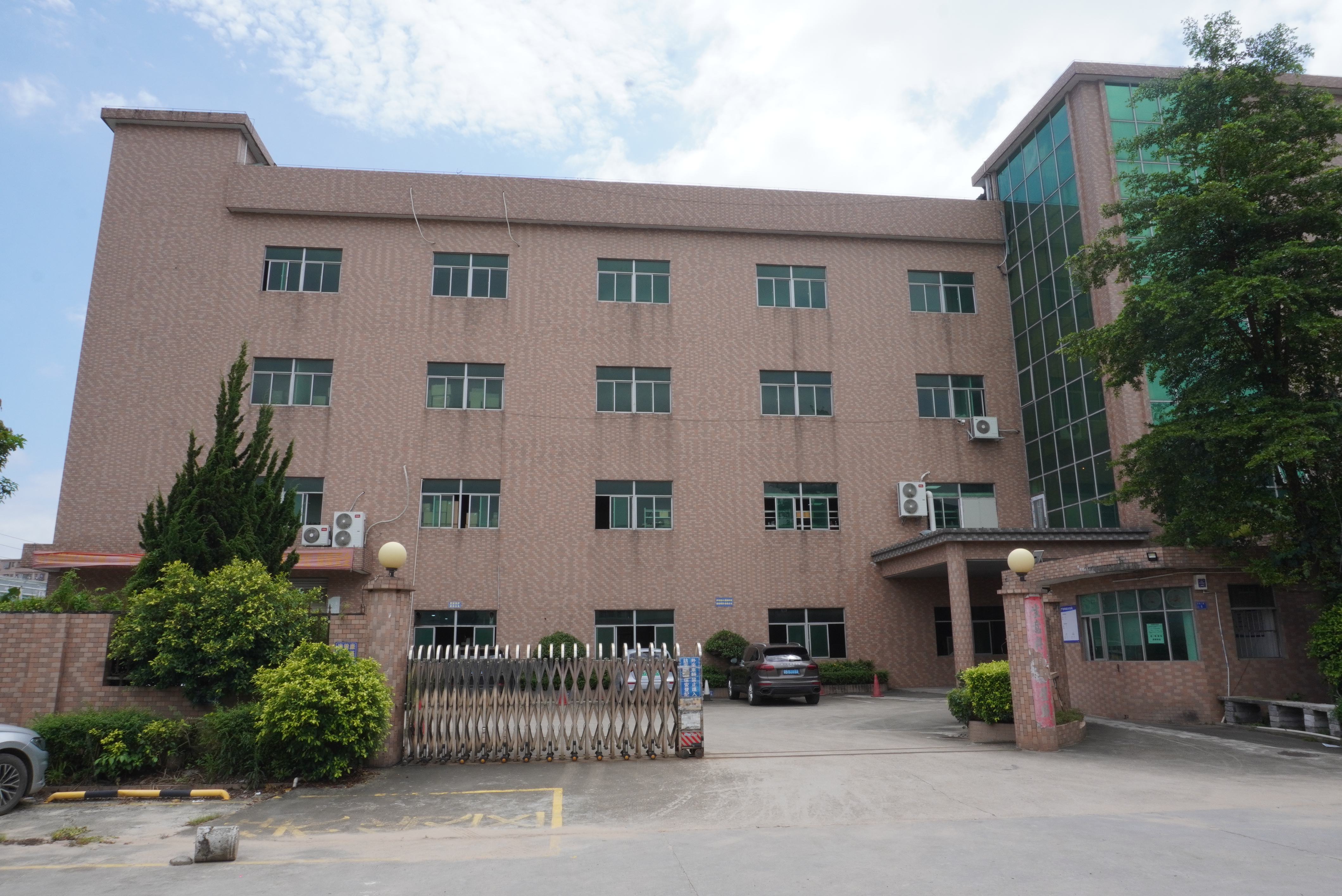
Dongguan Sanlixin Plastic Technology Co.,Ltd
Shenzhen Sanlixin Technology Co., Ltd. and Dongguan Sanlixin Plastic Technology Co., Ltd. is a manufacturer integrating precision plastic mold design, mold opening, single (double) color injection molding, IML injection molding processing, producing various single (double) color, IML process high-end appearance decorative structural parts, two-color buttons, USB dust plugs, panels and other plastic products, providing customers with fast, excellent, Midea all-round service, the company has 15 years of experience in precision plastic mold design, processing and production, with a variety of advanced machine injection molding equipment with excellent quality and fast service to win the trust and strong support of our customers.
Automotive Industry Leap: High-Strength Molded Parts Cut Vehicle Weight by 15%, Boosting Fuel Efficiency
From Materials to Costs: How High-Precision Injection Molding Balances Performance, Efficiency, and Mass Production Needs