Understanding the Key Differences Between HDPE, LDPE and LLDPE

1. Fundamental Differences
As the most widely used plastic materials globally, the three main polyethylene types - High-Density Polyethylene (HDPE), Low-Density Polyethylene (LDPE), and Linear Low-Density Polyethylene (LLDPE) - exhibit distinct molecular structures that lead to different physical properties and applications.
HDPE: The Rigid Performer
Features linear molecular chains with minimal branching (crystallinity 70-90%, density 0.941-0.965 g/cm³). Known for exceptional stiffness, strength and chemical resistance.
LDPE: The Flexible Workhorse
Characterized by highly branched molecular structure (crystallinity 40-60%, density 0.910-0.925 g/cm³). Prized for its superior flexibility and processing ease.
LLDPE: The Tough Innovator
Combines linear backbone with short-chain branching (crystallinity 50-70%, density 0.915-0.940 g/cm³). Distinguished by outstanding toughness and puncture resistance.
2. Mechanical Properties Comparison
| Property | HDPE | LDPE | LLDPE |
|---|---|---|---|
| Tensile Strength (MPa) | 22-31 | 7-17 | 15-25 |
| Elongation at Break (%) | 100-1000 | 300-900 | 500-1000 |
| Impact Strength | Excellent | Good | Exceptional |
| Hardness | High | Low | Medium |
3. Primary Applications
HDPE's Dominant Applications
- Packaging Containers: Milk jugs, detergent bottles, pharmaceutical containers
- Pipe Systems: Water supply, gas distribution, industrial piping
- Consumer Goods: Plastic furniture, toys, kitchenware
- Industrial Components: Storage tanks, chemical equipment linings
LDPE's Core Markets
- Packaging Films: Food wrap, grocery bags
- Flexible Packaging: Bread bags, frozen food packaging
- Injection Molded Products: Bottle cap liners, squeeze bottles
- Wire & Cable: Insulation jacketing
LLDPE's Growing Applications
- Stretch Films: Pallet wrap, agricultural films
- Heavy-Duty Bags: Fertilizer packaging, bulk commodity sacks
- Flexible Packaging: Liquid pouches, stand-up pouches
- Specialty Films: Breathable films, multilayer composites
4. Processing Characteristics
Each material has preferred processing methods:
- HDPE: Ideal for injection molding, blow molding, and extrusion (processing temp: 180-280°C)
- LDPE: Best for film blowing and extrusion (processing temp: 160-260°C)
- LLDPE: Requires specific equipment but offers wider processing versatility
5. Market Trends and Selection Guide
Current industry data reveals:
- HDPE commands ~40% market share, driven by pipe and packaging demand
- LLDPE shows fastest growth at 5.2% CAGR
- LDPE maintains stable demand in specific packaging segments
Material Selection Guidelines:
- Choose HDPE for rigidity and strength requirements
- Select LDPE when maximum flexibility is needed
- Opt for LLDPE when balanced properties are critical
Conclusion
HDPE, LDPE and LLDPE each serve distinct market needs based on their unique molecular architectures. As material modification technologies advance, the performance boundaries between these polyethylene types are becoming less distinct. However, understanding their fundamental differences remains essential for proper material selection. Looking ahead, recycling technologies for all three materials will become increasingly important as circular economy requirements intensify globally.
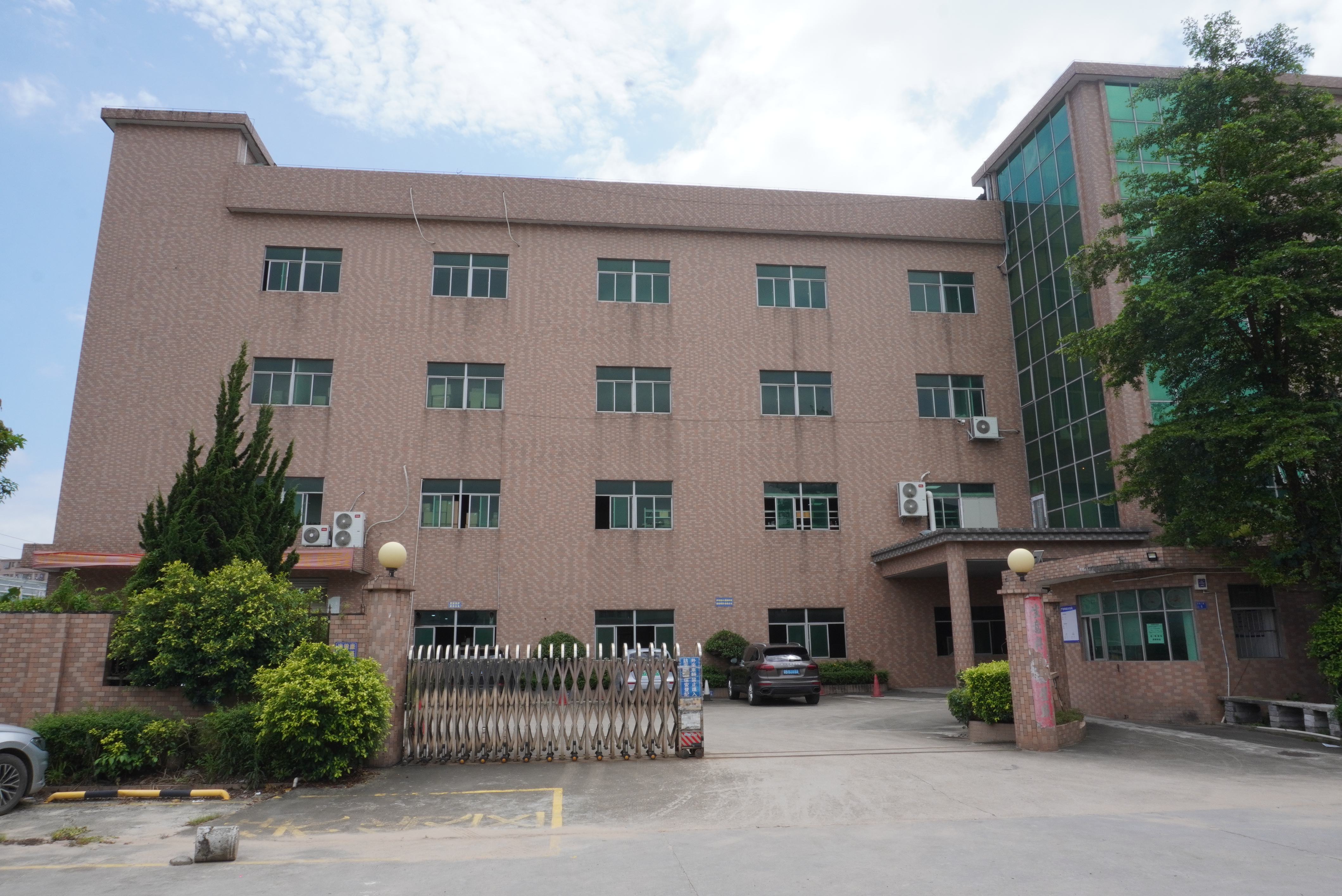
Dongguan Sanlixin Plastic Technology Co.,Ltd
Shenzhen Sanlixin Technology Co., Ltd. and Dongguan Sanlixin Plastic Technology Co., Ltd. is a manufacturer integrating precision plastic mold design, mold opening, single (double) color injection molding, IML injection molding processing, producing various single (double) color, IML process high-end appearance decorative structural parts, two-color buttons, USB dust plugs, panels and other plastic products, providing customers with fast, excellent, Midea all-round service, the company has 15 years of experience in precision plastic mold design, processing and production, with a variety of advanced machine injection molding equipment with excellent quality and fast service to win the trust and strong support of our customers.
Polyolefin Elastomers (POE): Advantages and Disadvantages
PA6 vs PA66: Understanding the Key Differences