HDPE Injection Molding: The Game-Changer in Modern Manufacturing – Advantages, Comparisons & Industry Impact
HDPE injection molding delivers high - strength, chemical - resistant plastic parts with excellent impact toughness, ideal for manufacturing bottles, containers and industrial components efficiently.
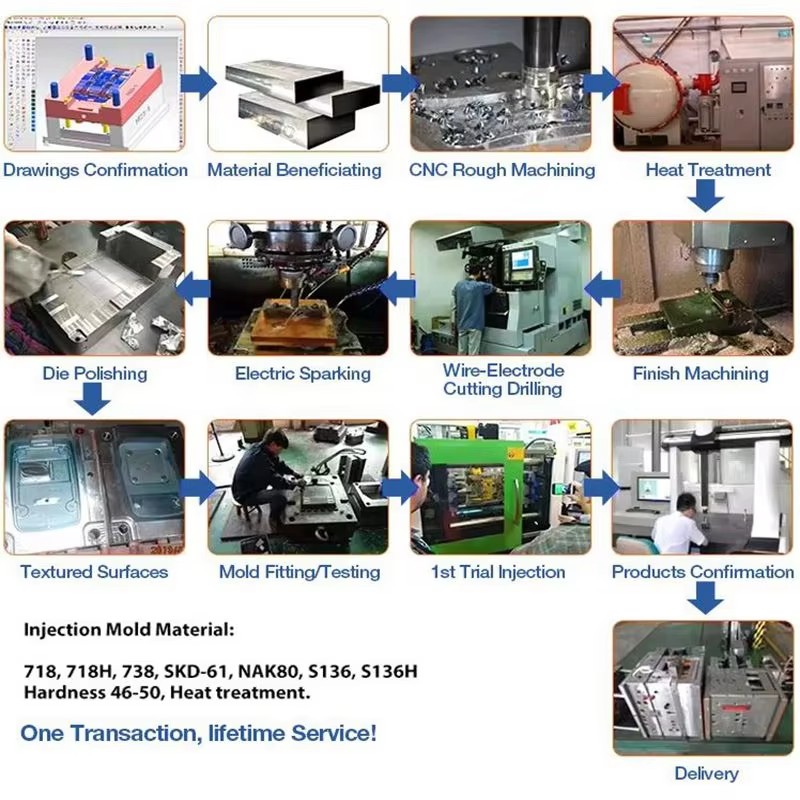
Table of Contents
- 1. Introduction: Why HDPE Injection Molding Dominates the Industry
- 2. Understanding HDPE Injection Molding
- 3. Core Advantages of HDPE Injection Molding
- 4. HDPE Injection Molding vs. Other Common Materials
- 5. Key Industry Applications of HDPE Injection Molding
- 6. Conclusion: Why HDPE Injection Molding Remains Indispensable
H2: 1. Introduction: Why HDPE Injection Molding Dominates the Industry
H2: 2. Understanding HDPE Injection Molding
H3: 2.1 What is HDPE?
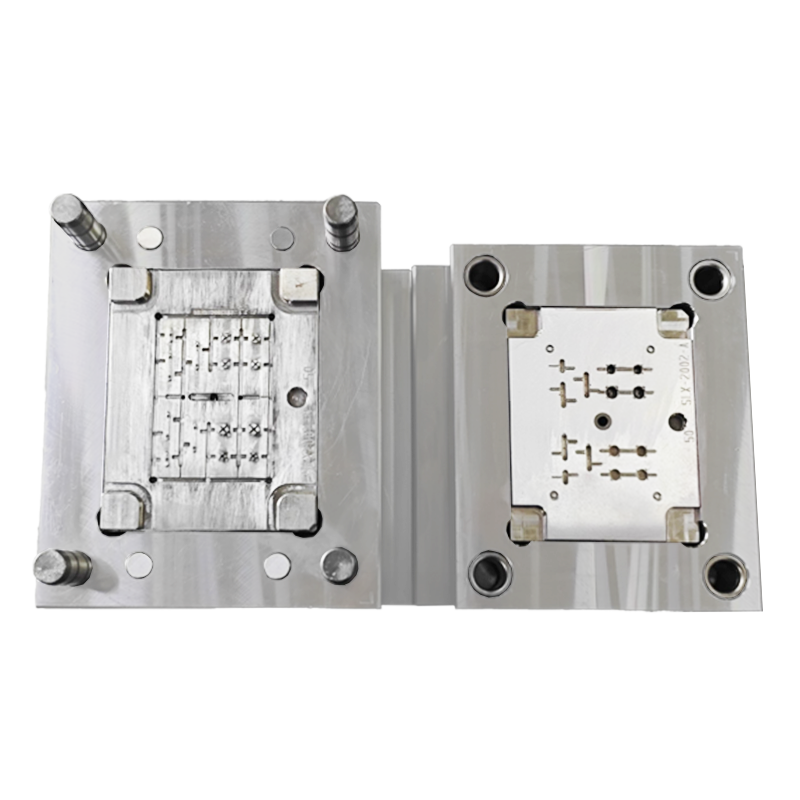
H3: 2.2 The HDPE Injection Molding Process
- Raw HDPE pellets are fed into a heated barrel, where they melt at 180–280°C.
- A reciprocating screw injects the molten HDPE into a custom mold cavity under high pressure.
- The material cools and solidifies, retaining the mold’s shape.
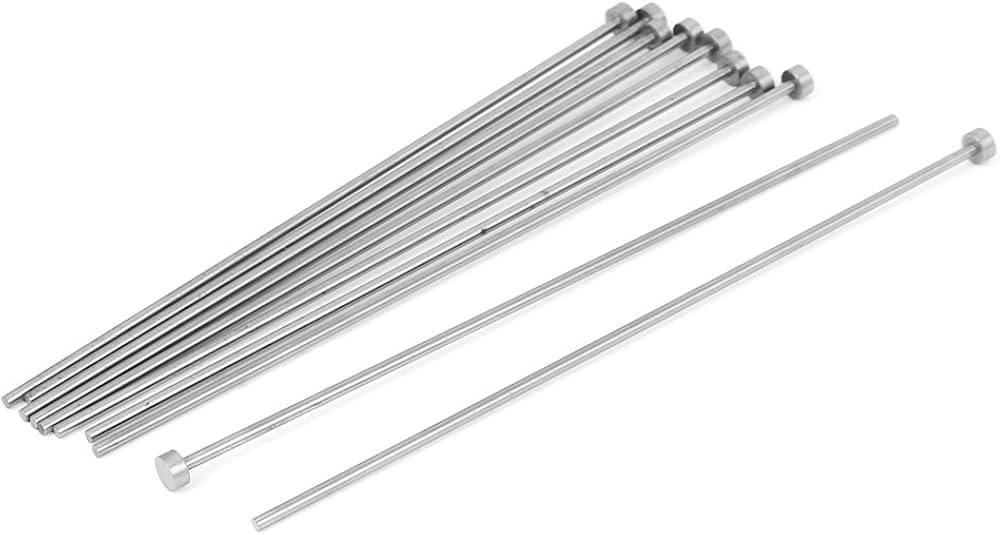
- The mold opens, and the finished part is ejected—ready for minimal post-processing.
H2: 3. Core Advantages of HDPE Injection Molding
H3: 3.1 Exceptional Chemical Resistance
H3: 3.2 Superior Strength-to-Density Ratio
H3: 3.3 Sustainability & Recyclability
H3: 3.4 Efficient Processing & Cost-Effectiveness
H3: 3.5 Versatility in Complex Designs
H2: 4. HDPE Injection Molding vs. Other Common Materials
H3: 4.1 HDPE vs. Polypropylene (PP)
H4: HDPE Advantages
- Superior low-temperature impact resistance (PP becomes brittle below 0°C).
- Better chemical resistance to hydrocarbons and solvents.
- Lower moisture absorption, ideal for humid environments.
H4: PP Advantages
- Higher heat resistance (continuous use up to 100°C vs. HDPE’s 80–100°C).
- Excellent flexural fatigue resistance (“百折胶” trait) for hinge applications.
- Slightly lower cost for certain non-critical applications.
H3: 4.2 HDPE vs. Acrylonitrile Butadiene Styrene (ABS)
H4: HDPE Advantages
- Significantly lower material and processing costs.
- Superior chemical resistance (ABS is vulnerable to solvents like acetone).
- Lighter weight and better impact resistance at low temperatures.
- Fully recyclable (ABS recycling is less widespread due to composite structure).
H4: ABS Advantages
- Higher rigidity and surface hardness, suitable for structural parts.
- Easier to paint, bond, or electroplate (HDPE requires surface treatment).
- Better heat resistance for high-temperature applications.
H3: 4.3 HDPE vs. Polyvinyl Chloride (PVC)
H4: HDPE Advantages
- Non-toxic and food-safe (PVC may leach plasticizers or release harmful fumes during processing).
- Superior impact resistance (rigid PVC is brittle at low temperatures).
- Simplified processing (PVC requires heat stabilizers and has a narrow melting range).
- More environmentally friendly (PVC recycling is complex and less efficient).
H4: PVC Advantages
- Lower cost for rigid applications like piping and construction materials.
- Better flame retardancy (PVC is self-extinguishing, while HDPE is flammable).
- Higher rigidity for structural components without reinforcement.
H2: 5. Key Industry Applications of HDPE Injection Molding
- Packaging: Food containers (milk bottles, yogurt cups), chemical drums, and caps—thanks to its non-toxicity and barrier properties.
- Automotive: Fuel tanks, air ducts, and interior components—valued for lightweight strength and chemical resistance.
- Medical: Diagnostic equipment housings, drug delivery components, and surgical tools—meeting strict biocompatibility standards.
- Construction: Piping systems, geotextiles, and outdoor fixtures—benefiting from weatherability and UV resistance (with additives).
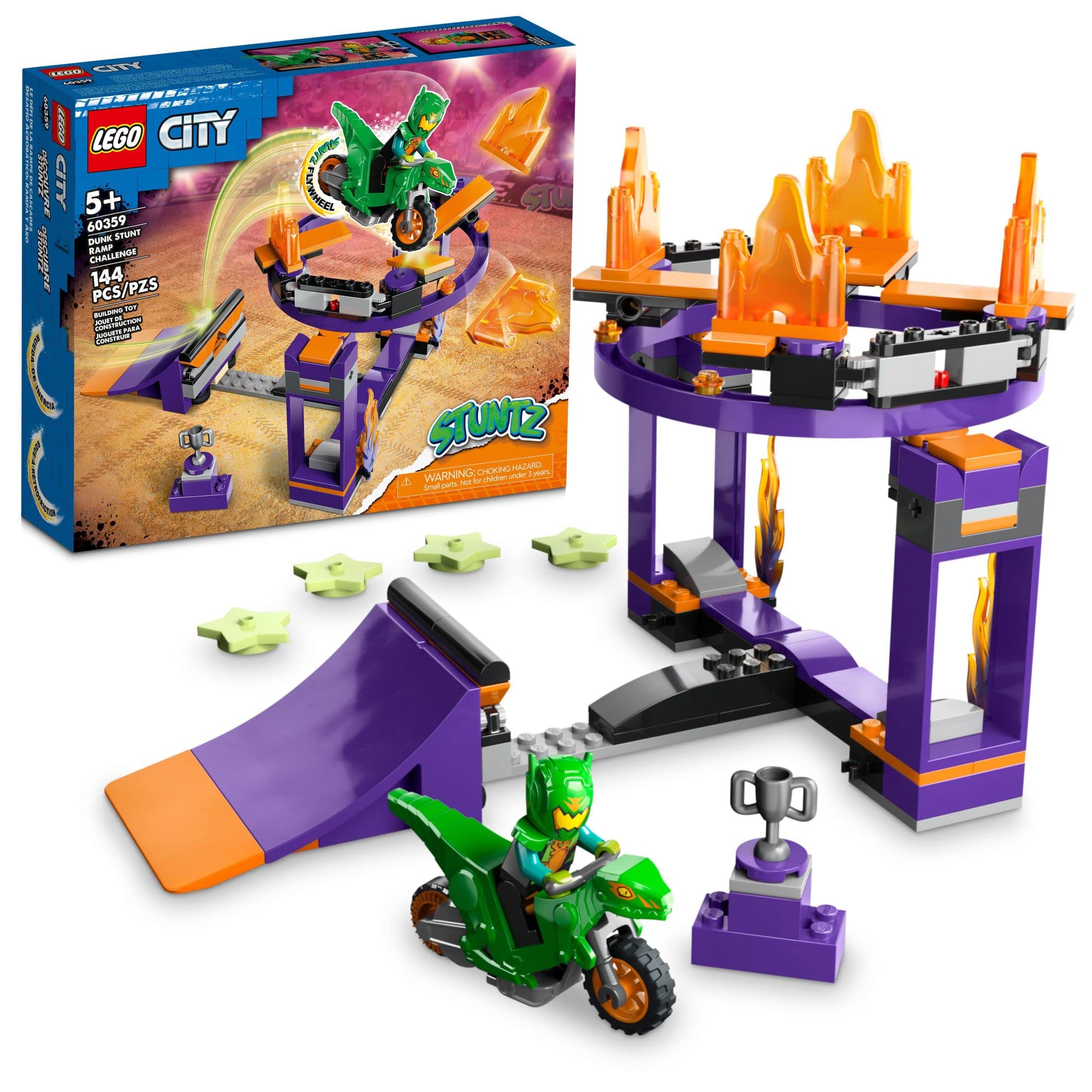
- Consumer Goods: Toys, furniture, and household appliances—due to cost-effectiveness and durability.
H2: 6. Conclusion: Why HDPE Injection Molding Remains Indispensable
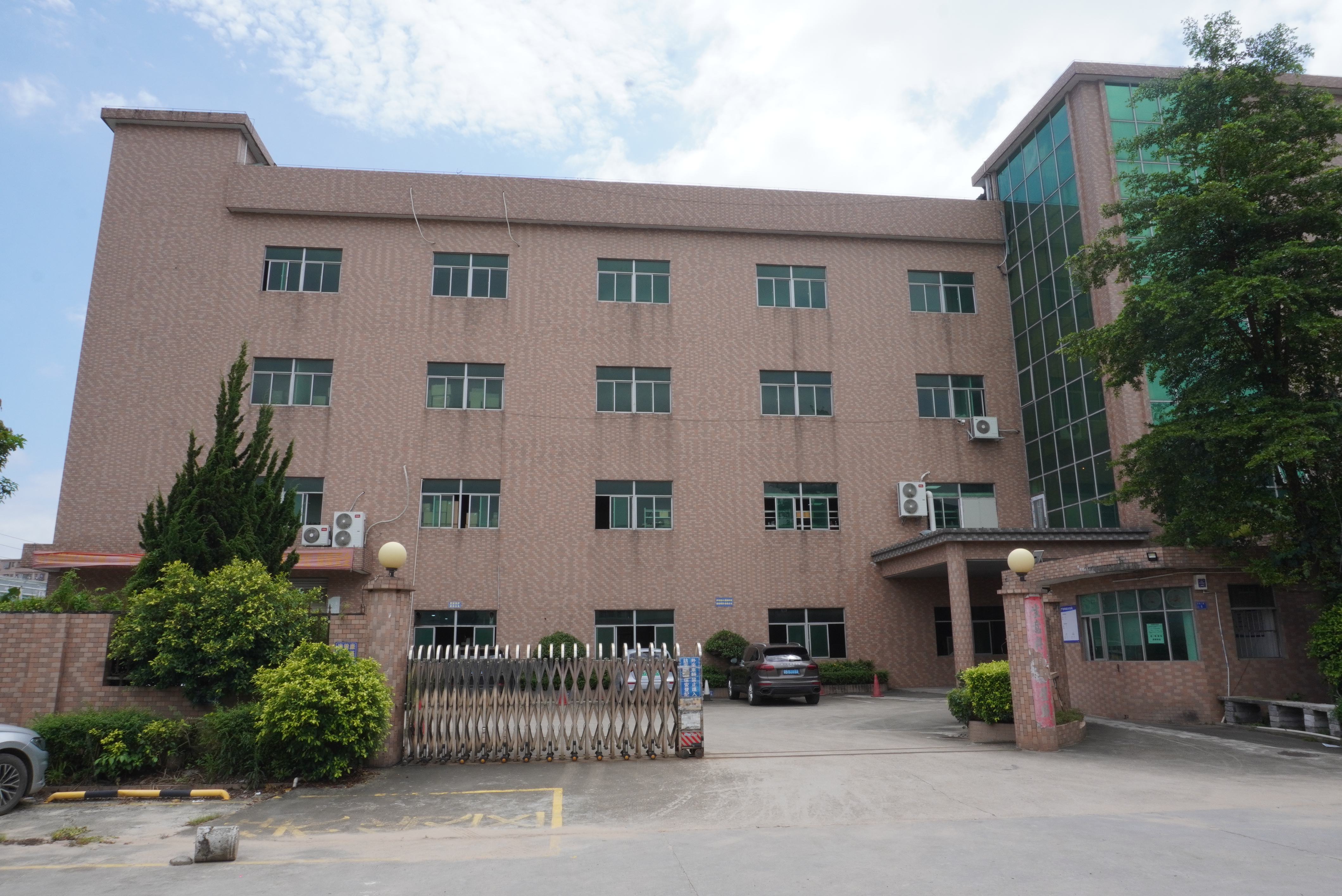
Dongguan Sanlixin Plastic Technology Co.,Ltd
Shenzhen Sanlixin Technology Co., Ltd. and Dongguan Sanlixin Plastic Technology Co., Ltd. is a manufacturer integrating precision plastic mold design, mold opening, single (double) color injection molding, IML injection molding processing, producing various single (double) color, IML process high-end appearance decorative structural parts, two-color buttons, USB dust plugs, panels and other plastic products, providing customers with fast, excellent, Midea all-round service, the company has 15 years of experience in precision plastic mold design, processing and production, with a variety of advanced machine injection molding equipment with excellent quality and fast service to win the trust and strong support of our customers.
Why PC ABS Injection Molding Is Dominating Modern Manufacturing
The Ultimate Guide to Resin Molds: Why They’re Revolutionizing Manufacturing & Crafting