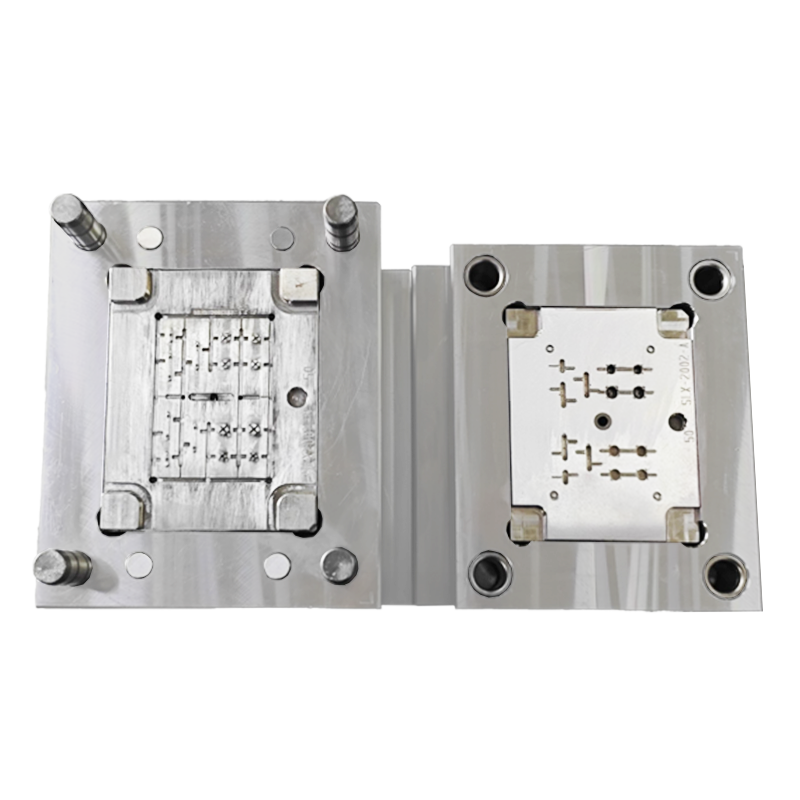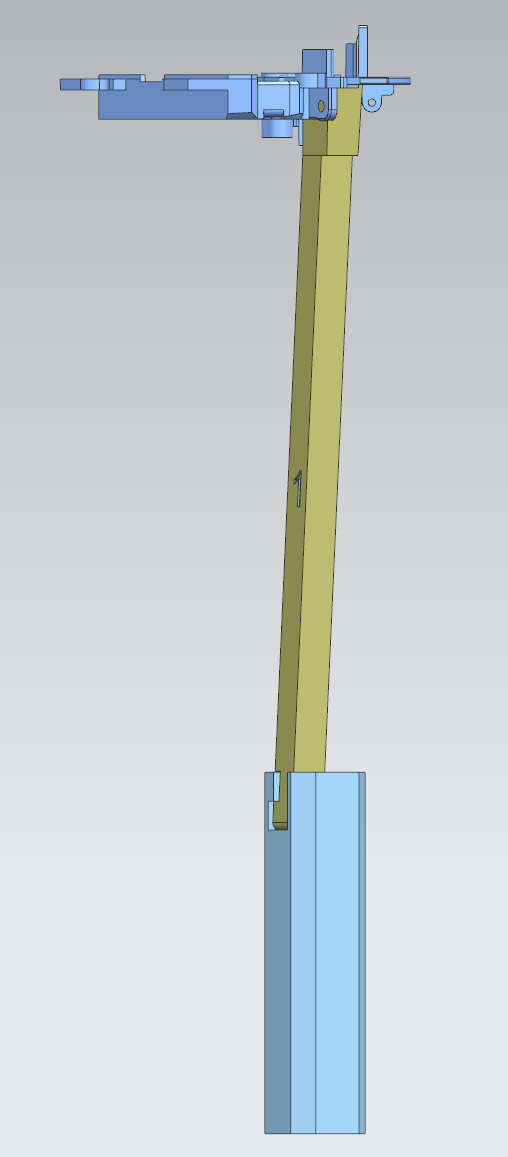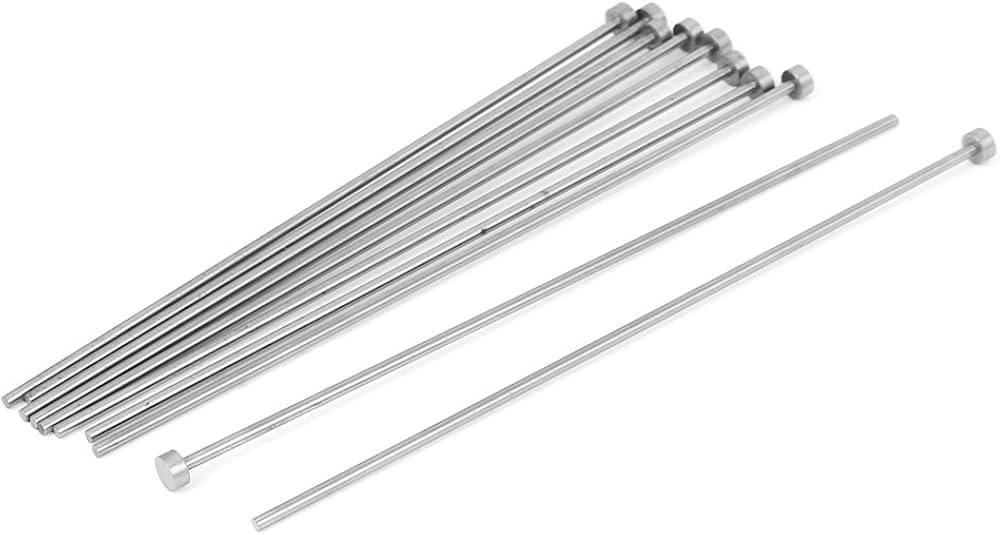
FRP Product Forming Mold: Essential for Fiber-Reinforced Plastic Manufacturing
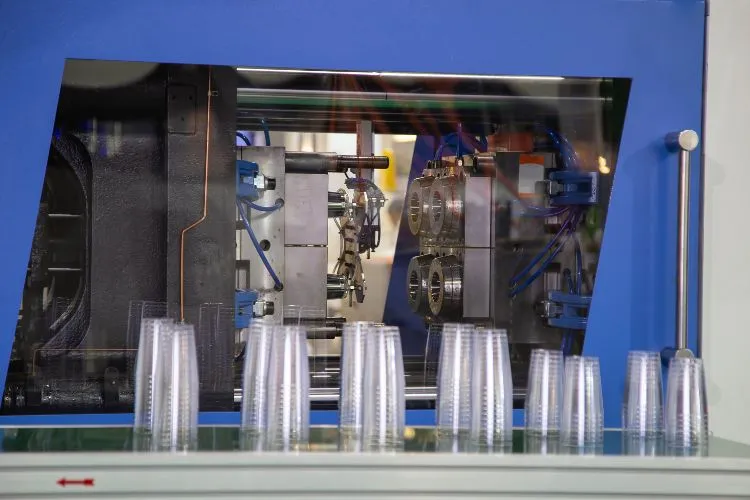
What is an FRP Product Forming Mold?
An FRP product forming mold is a tool used to shape fiber-reinforced plastic materials into specific configurations. These molds are essential for ensuring the accuracy, consistency, and quality of FRP products. They are used in various manufacturing processes, including compression molding, injection molding, and hand lay-up.
Types of FRP Product Forming Molds
There are several types of molds used in FRP product manufacturing, each suited to different production methods and product requirements:
1. Compression Molds
Compression molds are used in the compression molding process, where FRP material is placed in a heated mold cavity and compressed to take the shape of the mold.
- Applications: Automotive parts, electrical components
- Benefits: High production rates, excellent surface finish
2. Injection Molds
Injection molds are used in the injection molding process, where FRP material is injected into a mold cavity under high pressure.
- Applications: Complex shapes, high-volume production
- Benefits: Precision, repeatability
3. Hand Lay-Up Molds
Hand lay-up molds are used in the manual lay-up process, where layers of fiber and resin are applied by hand to the mold surface.
- Applications: Custom parts, prototypes
- Benefits: Flexibility, low tooling cost
4. Vacuum Bag Molds
Vacuum bag molds use a vacuum to remove air and compact the FRP material against the mold surface, ensuring a high-quality finish.
- Applications: Aerospace, marine
- Benefits: Improved mechanical properties, reduced voids
Key Considerations in FRP Mold Design
Designing an effective FRP product forming mold involves several critical considerations:
1. Material Selection
Choose mold materials that can withstand the temperatures and pressures involved in the FRP forming process. Common materials include steel, aluminum, and composite materials.
2. Mold Surface Finish
The surface finish of the mold directly affects the quality of the FRP product. A smooth, polished surface is essential for achieving a high-quality finish on the final product.
3. Venting and Ejection
Proper venting is necessary to allow air and gases to escape during the molding process. Ejection systems must be designed to remove the finished part without causing damage.
4. Thermal Management
Effective thermal management is crucial for controlling the curing process of the FRP material. This includes the design of heating and cooling systems within the mold.
5. Durability and Maintenance
Consider the durability of the mold and the ease of maintenance. High-quality molds with good maintenance practices can significantly extend the mold's lifespan and reduce production costs.
Conclusion
FRP product forming molds are indispensable in the manufacturing of high-quality fiber-reinforced plastic products. By understanding the different types of molds and the key considerations in their design, manufacturers can optimize their production processes, ensuring the creation of durable, precise, and high-performance FRP products. Whether for automotive, aerospace, or custom applications, the right mold is essential for achieving the desired results in FRP manufacturing.

Dongguan Sanlixin Plastic Technology Co.,Ltd
Shenzhen Sanlixin Technology Co., Ltd. and Dongguan Sanlixin Plastic Technology Co., Ltd. is a manufacturer integrating precision plastic mold design, mold opening, single (double) color injection molding, IML injection molding processing, producing various single (double) color, IML process high-end appearance decorative structural parts, two-color buttons, USB dust plugs, panels and other plastic products, providing customers with fast, excellent, Midea all-round service, the company has 15 years of experience in precision plastic mold design, processing and production, with a variety of advanced machine injection molding equipment with excellent quality and fast service to win the trust and strong support of our customers.
What Are the Causes of Mold Rusting?
Corrosion-Resistant Metals: Find the Best Metals for Your Needs