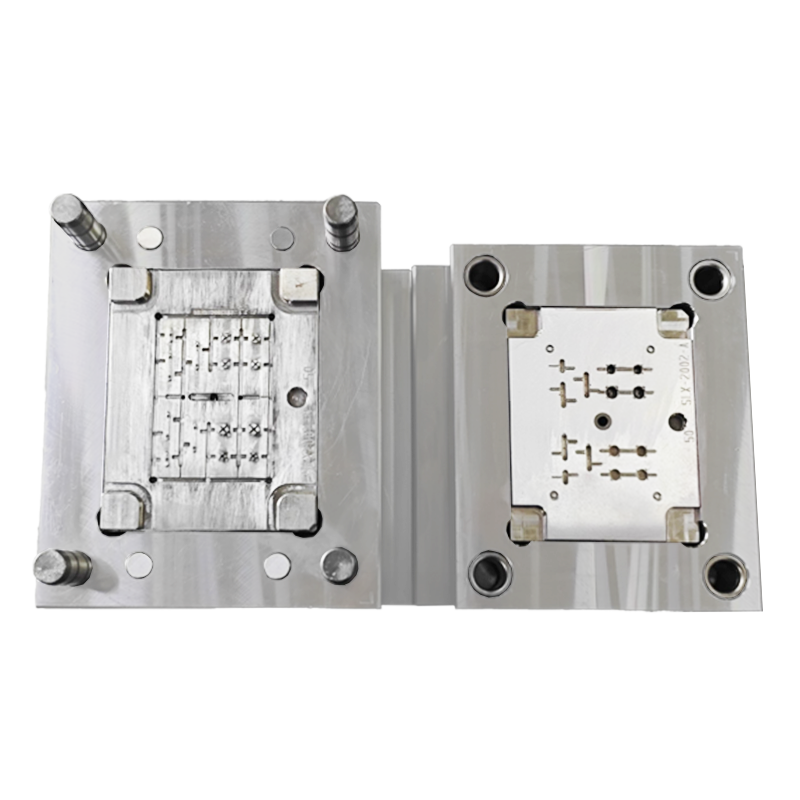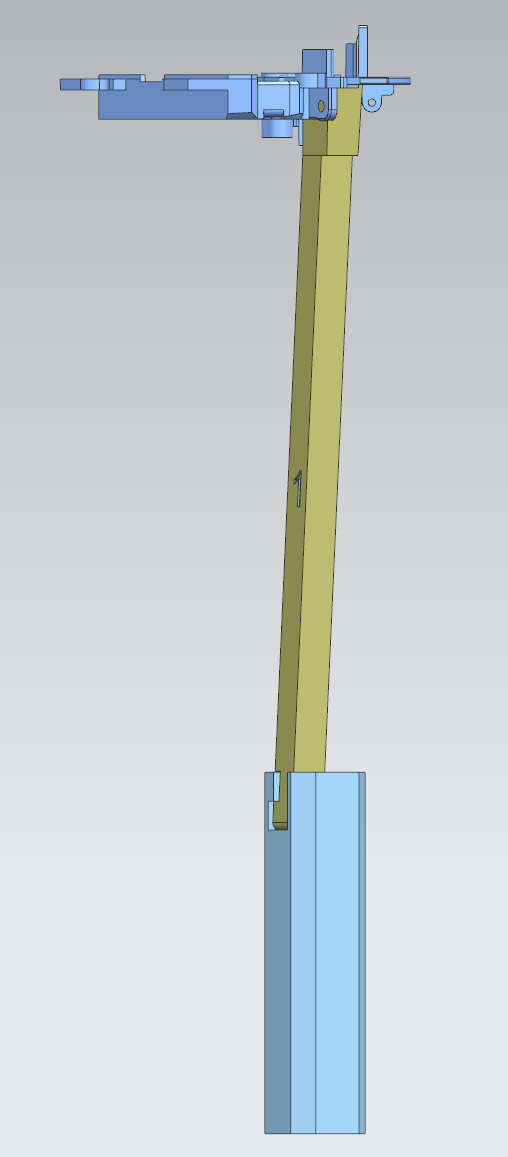
Gating system: Control the flow of materials
The gating system directs the molten plastic to the mold cavity. It includes the sprue (main entrance), runner (channel), and gate (the final entrance into the mold cavity).

Gating System: Control the Flow of Materials
Table of Contents
1. What is a Gating System?
2. The Critical Role of Gating Systems in Material Flow Control
2.1 Ensuring High-Quality Castings
- Porosity (air bubbles trapped in the material)
- Cold shuts (incomplete fusion of material streams)
- Misruns (incomplete mold filling).Uniform flow distribution ensures consistent material density and mechanical properties, vital for components in aerospace, automotive, and industrial applications.
2.2 Preventing Contamination and Defects
2.3 Enhancing Production Efficiency
3. Key Components of a Gating System
3.1 Pouring Cup: The Inlet Gatekeeper
3.2 Sprue: Controlling Flow Velocity
3.3 Runners: Distributing Material Uniformly
3.4 Gates: The Final Flow Regulators
4. Essential Parameters of Gating Systems
|
Parameter
|
Description
|
Impact on Performance
|
|
Cross-Sectional Area
|
The width of sprue, runners, and gates; determines flow rate and turbulence
|
Larger areas = faster flow (risk of turbulence); smaller areas = slower, controlled flow
|
|
Length of Channels
|
Distance from pouring cup to mold cavity; affects pressure drop
|
Longer channels = higher pressure required; shorter channels = lower energy consumption
|
|
Smoothness of Surfaces
|
Surface finish of pathways; impacts frictional resistance
|
Smoother surfaces = reduced friction and turbulence; rough surfaces = increased defect risk
|
|
Filtration Efficiency
|
Ability to trap contaminants; measured by mesh size or filter type
|
Higher efficiency = cleaner material; lower efficiency = higher impurity risk
|
5. Advantages vs. Disadvantages of Gating Systems
Advantages:
- Quality Assurance: Reduces defects and ensures uniform material properties.
- Design Flexibility: Customizable for complex mold geometries and diverse materials (metals, polymers, ceramics).
- Cost Savings: Minimizes waste and improves production yield over time.
- Process Control: Enables precise manipulation of flow dynamics through parameter adjustments.
Disadvantages:
- Design Complexity: Requires expertise in fluid dynamics and mold flow analysis to optimize.
- Maintenance Costs: Filters and channels need regular cleaning to prevent clogging.
- Space Requirements: Large systems may demand more floor space in manufacturing facilities.
- Initial Investment: Advanced gating systems (e.g., automated or multi-channel) can be costly to implement.
6. Industry Expert Insights
7. Frequently Asked Questions (FAQs)
Q1: Can gating systems be used for non-metal materials?
Q2: How do I know if my gating system needs redesign?
Q3: What’s the difference between a "turbulent" and "laminar" flow in gating systems?
Q4: Are there standardized guidelines for gating system design?
8. Conclusion
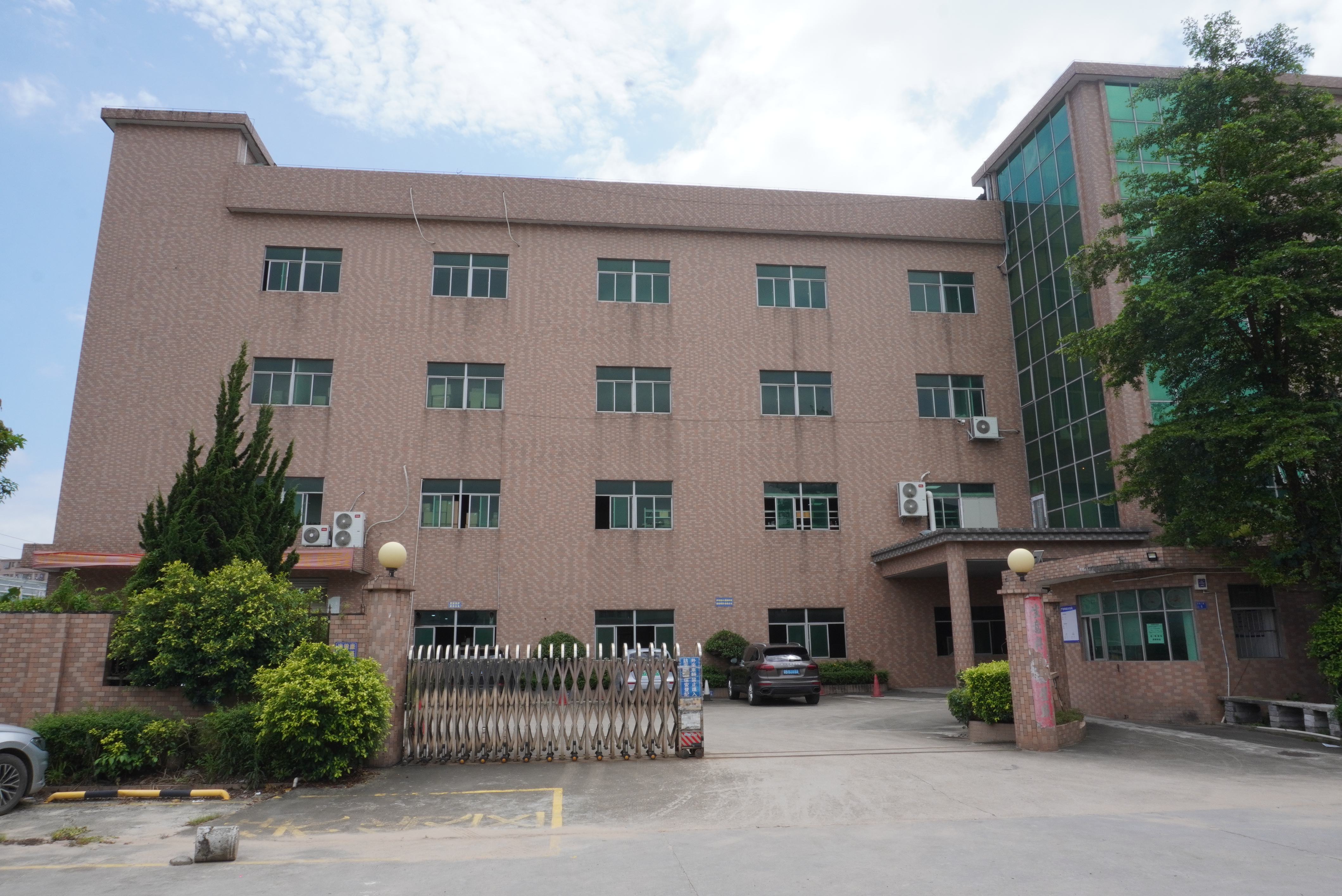
Dongguan Sanlixin Plastic Technology Co.,Ltd
Shenzhen Sanlixin Technology Co., Ltd. and Dongguan Sanlixin Plastic Technology Co., Ltd. is a manufacturer integrating precision plastic mold design, mold opening, single (double) color injection molding, IML injection molding processing, producing various single (double) color, IML process high-end appearance decorative structural parts, two-color buttons, USB dust plugs, panels and other plastic products, providing customers with fast, excellent, Midea all-round service, the company has 15 years of experience in precision plastic mold design, processing and production, with a variety of advanced machine injection molding equipment with excellent quality and fast service to win the trust and strong support of our customers.
Cooling system: Optimize cycle time
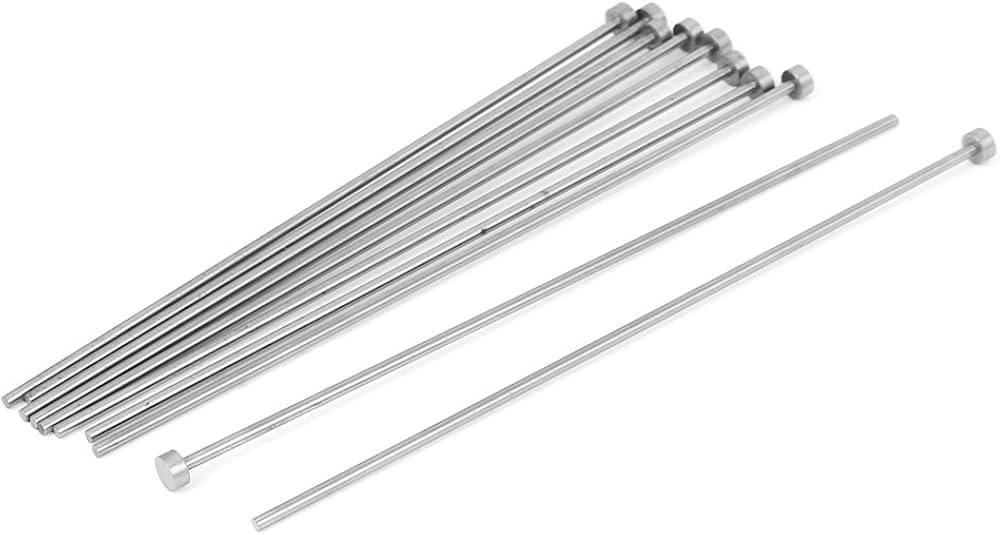
The core component of the plastic mold: ejection system