Choosing the Right Material for Automotive Parts
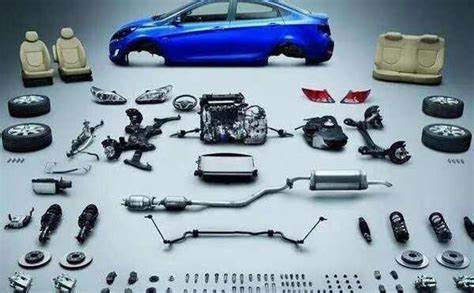
Selecting the appropriate material for automotive parts is crucial for ensuring performance, durability, safety, and cost-effectiveness. The automotive industry uses a wide range of materials, each with unique properties that make them suitable for specific applications. This article explores the key factors to consider when choosing materials for automotive parts and highlights some of the most commonly used materials in the industry.
Key Factors to Consider
Mechanical Properties
The mechanical properties of a material, such as strength, toughness, hardness, and elasticity, are critical for ensuring that the part can withstand the stresses and strains it will encounter during use.
Weight
Weight is a significant factor in automotive design, as lighter materials can improve fuel efficiency and reduce emissions. However, the material must still provide the necessary strength and durability.
Corrosion Resistance
Automotive parts are often exposed to harsh environments, including moisture, salt, and chemicals. Corrosion-resistant materials can extend the lifespan of the parts and reduce maintenance costs.
Thermal Properties
Materials must be able to withstand the thermal conditions they will be exposed to, including high temperatures in the engine compartment and low temperatures in colder climates.
Cost
The cost of materials and the manufacturing process must be considered to ensure that the final product is economically viable. This includes both the initial cost and the long-term cost of maintenance and replacement.
Manufacturability
The ease with which a material can be processed, shaped, and assembled into the final part is an important consideration. This includes factors such as machinability, weldability, and formability.
Commonly Used Materials in Automotive Parts
Steel
Steel is one of the most widely used materials in the automotive industry due to its high strength, durability, and cost-effectiveness. Common types include:
- Mild Steel: Used for body panels, frames, and structural components.
- High-Strength Steel: Used for safety-critical parts such as crash zones and roll cages.
- Stainless Steel: Used for exhaust systems and other components requiring corrosion resistance.
Aluminum
Aluminum is favored for its lightweight and corrosion resistance. It is commonly used in:
- Engine Components: Such as cylinder heads and pistons.
- Body Panels: To reduce vehicle weight and improve fuel efficiency.
- Wheels: For better performance and aesthetics.
Plastics and Composites
- Interior Components: Such as dashboards, seats, and trim.
- Exterior Parts: Such as bumpers, grilles, and mirrors.
- Structural Components: Such as carbon fiber reinforced composites for high-performance vehicles.
Magnesium
Magnesium is even lighter than aluminum and is used in applications where weight reduction is critical. Common uses include:
- Transmission Cases: To reduce overall vehicle weight.
- Seat Frames: For lightweight and durable seating solutions.
Copper and Alloys
Copper and its alloys, such as brass and bronze, are used for their excellent electrical conductivity and corrosion resistance. Common applications include:
- Electrical Components: Such as wiring harnesses and connectors.
- Radiators: For efficient heat exchange.
Emerging Materials and Trends
Advanced High-Strength Steels (AHSS)
AHSS offers a combination of high strength and lightweight, making it ideal for safety-critical components and weight reduction.
Carbon Fiber Reinforced Polymers (CFRP)
CFRP is increasingly used in high-performance and luxury vehicles for its exceptional strength-to-weight ratio and design flexibility.
Lightweight Alloys
Research and development in lightweight alloys, such as aluminum-lithium and magnesium alloys, continue to push the boundaries of weight reduction and performance.
Recycled and Sustainable Materials
The automotive industry is increasingly focusing on sustainability, with the use of recycled materials and bio-based composites gaining traction.
Conclusion
Choosing the right material for automotive parts involves a careful consideration of mechanical properties, weight, corrosion resistance, thermal properties, cost, and manufacturability. By understanding the unique advantages and limitations of different materials, manufacturers can make informed decisions that enhance the performance, durability, and sustainability of automotive components. Whether using traditional materials like steel and aluminum or exploring emerging options like advanced composites and lightweight alloys, the right material choice is key to the success of any automotive design.

Dongguan Sanlixin Plastic Technology Co.,Ltd
Shenzhen Sanlixin Technology Co., Ltd. and Dongguan Sanlixin Plastic Technology Co., Ltd. is a manufacturer integrating precision plastic mold design, mold opening, single (double) color injection molding, IML injection molding processing, producing various single (double) color, IML process high-end appearance decorative structural parts, two-color buttons, USB dust plugs, panels and other plastic products, providing customers with fast, excellent, Midea all-round service, the company has 15 years of experience in precision plastic mold design, processing and production, with a variety of advanced machine injection molding equipment with excellent quality and fast service to win the trust and strong support of our customers.
Electronics Injection Molding: A Precision Process Shaping the Future of Technology
Embossing vs. Debossing: Key Differences and Applications