From Molds to the Sky: How Injection Molding Makes Drone Parts Both Lightweight and Strong?
These drone accessories blend precision and durability, from rugged casings to smart parts, enhancing flight stability, extending battery life, and fitting various models for seamless aerial adventures.

From Molds to the Sky: How Injection Molding Makes Drone Parts Both Lightweight and Strong
Table of Contents
Introduction
The Basics of Injection Molding: A Quick Refresher
- Melting: Plastic pellets are heated to a molten state.
- Injection: The molten plastic is forced into the mold under high pressure.
- Cooling: The plastic solidifies inside the mold, taking the shape of the cavity.
- Ejection: The finished part is removed from the mold.
- ABS (Acrylonitrile Butadiene Styrene): Offers a balance of strength, flexibility, and low weight.
- PA (Nylon): Known for high impact resistance and durability, often reinforced with glass fibers for added strength.
- PEEK (Polyether Ether Ketone): A high-performance plastic with excellent heat and chemical resistance, ideal for demanding drone components.
The Core Demands of Drone Parts
Lightweight Design
Structural Strength
Precision & Consistency
Cost-Effectiveness
How Injection Molding Meets Drone Parts' Needs
Material Flexibility for Optimal Performance
- Glass-fiber-reinforced nylon adds strength to drone frames without significant weight gain.
- Carbon-fiber-filled plastics offer an exceptional strength-to-weight ratio, perfect for critical components like propeller hubs.
Precision Molding for Tight Tolerances
Structural Integration to Reduce Weight
Scalability for Mass Production
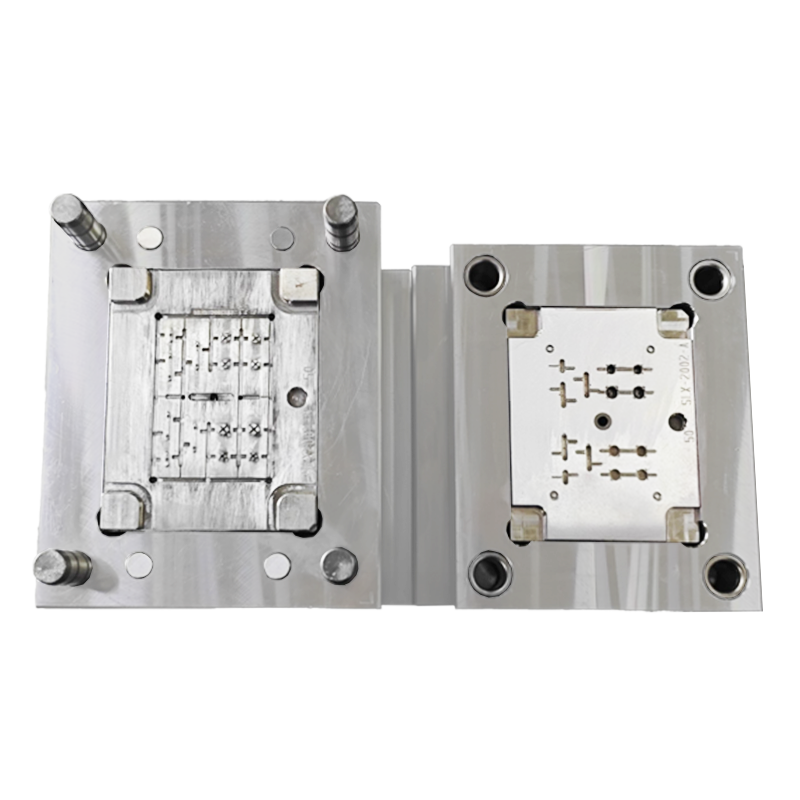
The Critical Role of Plastic Mold Design
Controlling Dimensional Accuracy
Optimizing Cooling Systems
Designing for Part Integrity
Enhancing Material Flow
Case Study: Injection-Molded Drone Arms
- Material Choice: A glass-fiber-reinforced PA66 is selected for its high strength-to-weight ratio.
- Mold Design: The mold includes:
-
- A hot runner system to reduce material waste and ensure consistent flow.
-
- Contoured cooling channels to match the arm’s curved shape, preventing warping.
-
- A precision ejection system to avoid stress marks on thin sections.
- Result: The injection-molded arms weigh 30% less than metal alternatives while withstanding 200+ pounds of force—enough to survive hard landings.
Future Trends: Where Injection Molding and Drones Meet Next
- Bio-based plastics: Reducing environmental impact while maintaining performance.
- 3D-printed molds: Enabling faster prototyping and customization for niche drone applications.
- Smart molds with sensors: Monitoring temperature and pressure in real time to optimize part quality.
Conclusion
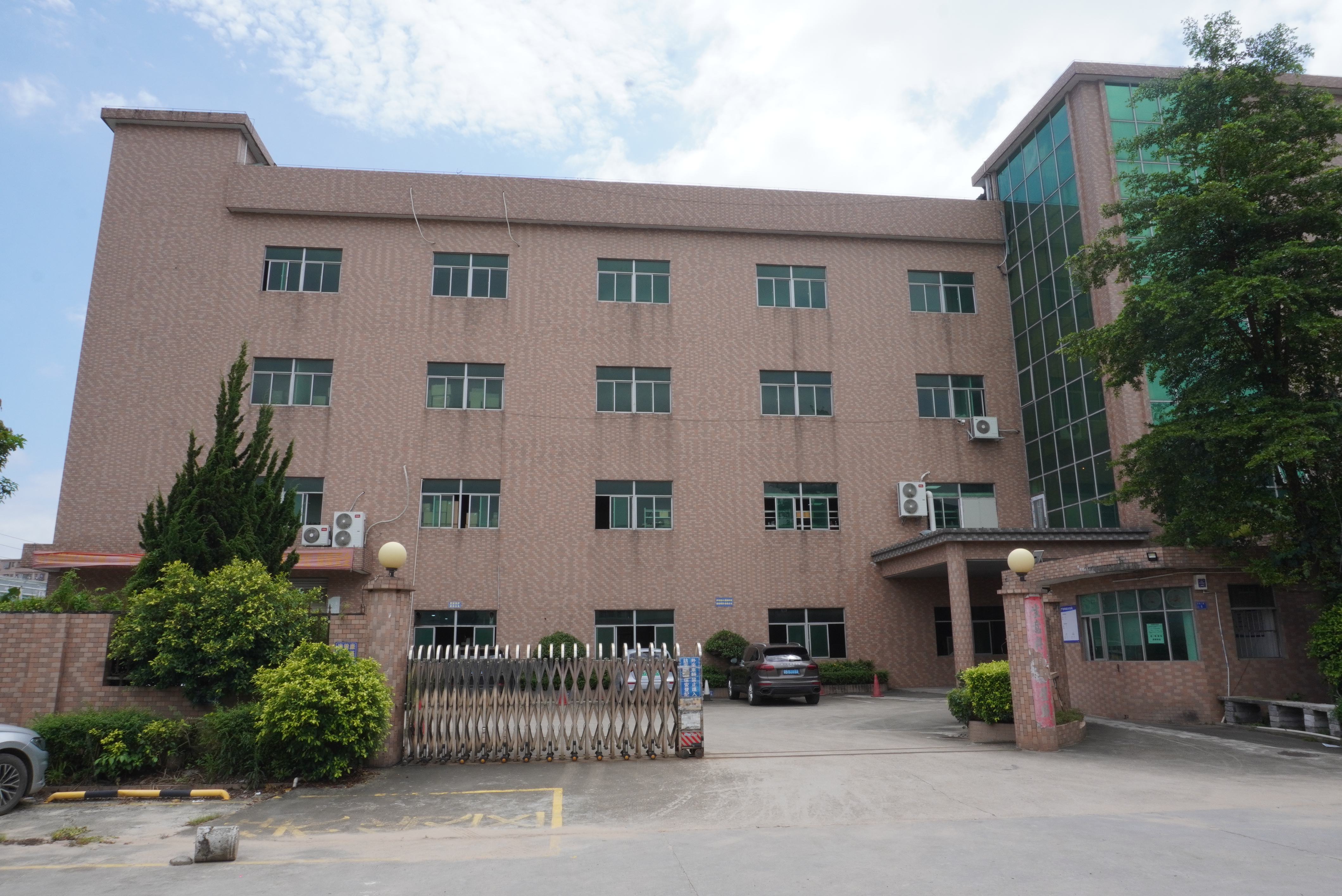
Dongguan Sanlixin Plastic Technology Co.,Ltd
Shenzhen Sanlixin Technology Co., Ltd. and Dongguan Sanlixin Plastic Technology Co., Ltd. is a manufacturer integrating precision plastic mold design, mold opening, single (double) color injection molding, IML injection molding processing, producing various single (double) color, IML process high-end appearance decorative structural parts, two-color buttons, USB dust plugs, panels and other plastic products, providing customers with fast, excellent, Midea all-round service, the company has 15 years of experience in precision plastic mold design, processing and production, with a variety of advanced machine injection molding equipment with excellent quality and fast service to win the trust and strong support of our customers.
Multi-Colour Injection Moulding: Crafting Vibrant Plastics in One Go
From mold flow analysis to structural optimization, how does Mold Design determine the competitiveness of your products? Decipher the mass production logic behind mold design.