From Nano-process to Cross-terminal Ecosystem: A Deep Dive into the "Technical Leap Code" of Electronic Products in 2025
blend innovation and convenience, from sleek smartphones connecting the world to smart home devices enhancing daily life, driving modern living forward.

From Nano-process to Cross-terminal Ecosystem: A Deep Dive into the "Technical Leap Code" of Electronic Products in 2025
Table of Contents
The Nano-process Revolution in Electronics
The Significance of Injection Molding in Electronic Products
Injection Molding Process Parameters and Their Impact
Common Injection Molding Process Parameter Tables and Comparison of Advantages and Disadvantages
- High-Density Polyethylene (HDPE)
-
- Barrel Temperature:
-
-
- Feed Zone: 30 - 50°C (50°C)
-
-
-
- Zone 1: 160 - 250°C (200°C)
-
-
-
- Zone 2: 200 - 300°C (210°C)
-
-
-
- Zone 3: 220 - 300°C (230°C)
-
-
-
- Zone 4: 220 - 300°C (240°C)
-
-
-
- Zone 5: 220 - 300°C (240°C)
-
-
-
- Nozzle: 220 - 300°C (240°C)
-
-
- Melt Temperature: 220 - 280°C
-
- Barrel Constant Temperature: 220°C
-
- Mold Temperature: 20 - 60°C
-
- Injection Pressure: 80 - 140MPa (800 - 1400bar) (for general cases, some thin-walled packaging containers can reach 180MPa/1800bar)
-
- Hold Pressure: 30% - 60% of injection pressure
-
- Back Pressure: 5 - 20MPa (50 - 200bar)
-
- Injection Speed: High for thin-walled packaging containers, medium for other products
-
- Screw Speed: High (linear speed of 1.3m/s allowed)
-
- Measuring Stroke: 0.5 - 4D
-
- Residual Material Quantity: 2 - 8mm
-
- Recovery Rate: Up to 100%
-
- Shrinkage Rate: 1.2% - 2.5%
-
- Advantages: Good flowability, suitable for a wide range of products, high recyclability.
-
- Disadvantages: High shrinkage rate, may cause warping in some cases.
- Polypropylene (PP)
-
- Barrel Temperature: Similar to HDPE
-
- Melt Temperature: 220 - 280°C
-
- Barrel Constant Temperature: 220°C
-
- Mold Temperature: 20 - 70°C
-
- Injection Pressure: 80 - 140MPa (800 - 1400bar) (some thin-walled packaging containers can reach 180MPa/1800bar)
-
- Hold Pressure: 30% - 60% of injection pressure, long hold time to avoid sink marks
-
- Back Pressure: 5 - 20MPa (50 - 200bar)
-
- Injection Speed: High for thin-walled packaging containers, medium for other products
-
- Screw Speed: High (linear speed of 1.3m/s allowed)
-
- Measuring Stroke: 0.5 - 4D
-
- Residual Material Quantity: 2 - 8mm
-
- Recovery Rate: Up to 100%
-
- Shrinkage Rate: 1.2% - 2.5%
-
- Advantages: Good flowability, chemical resistance, high heat resistance.
-
- Disadvantages: High shrinkage rate, may require careful mold design to avoid sink marks.
- Polystyrene (PS)
-
- Barrel Temperature:
-
-
- Feed Zone: 30 - 50°C (50°C)
-
-
-
- Zone 1: 160 - 250°C (200°C)
-
-
-
- Zone 2: 200 - 300°C (210°C)
-
-
-
- Zone 3: 220 - 300°C (230°C)
-
-
-
- Zone 4: 220 - 300°C (230°C)
-
-
-
- Zone 5: 220 - 300°C (230°C)
-
-
-
- Nozzle: 220 - 300°C (230°C)
-
-
- Melt Temperature: 220 - 280°C
-
- Barrel Constant Temperature: 220°C
-
- Mold Temperature: 15 - 50°C
-
- Injection Pressure: 80 - 140MPa (800 - 1400bar)
-
- Hold Pressure: 30% - 60% of injection pressure, relatively short hold time
-
- Back Pressure: 5 - 10MPa (50 - 100bar)
-
- Injection Speed: Generally fast, multi-stage injection according to product shape
-
- Screw Speed: High (maximum linear speed of 1.3m/s allowed)
-
- Measuring Stroke: 0.5 - 4D
-
- Residual Material Quantity: 2 - 8mm
-
- Recovery Rate: Up to 100%
-
- Shrinkage Rate: 0.3% - 0.6%
-
- Advantages: Good flowability, clear appearance, easy to process.
-
- Disadvantages: Brittle, not suitable for applications requiring high impact resistance.
- Unplasticized Polyvinyl Chloride (PVCU)
-
- Barrel Temperature:
-
-
- Feed Zone: 30 - 50°C (50°C)
-
-
-
- Zone 1: 140 - 160°C (150°C)
-
-
-
- Zone 2: 165 - 180°C (170°C)
-
-
-
- Zone 3: 180 - 210°C (190°C)
-
-
-
- Zone 4: 180 - 210°C (200°C)
-
-
-
- Zone 5: 180 - 210°C (200°C)
-
-
-
- Nozzle: 180 - 210°C (200°C)
-
-
- Melt Temperature: 210 - 220°C
-
- Barrel Constant Temperature: 120°C
-
- Mold Temperature: 30 - 60°C
-
- Injection Pressure: 80 - 160MPa (800 - 1600bar)
-
- Hold Pressure: 40% - 60% of injection pressure, depending on mold and gate
-
- Back Pressure: Critical due to thermal sensitivity, no more than 30MPa (300bar)
-
- Injection Speed: Not too high to avoid shear effect
-
- Screw Speed: Lowest setting allowed (maximum linear speed of 0.2m/s)
-
- Measuring Stroke: 1.0 - 3.5D
-
- Residual Material Quantity: Small (1 - 5mm)
-
- Recovery Rate: Allowed under non-thermal decomposition conditions
-
- Shrinkage Rate: 0.5% - 0.7%
-
- Advantages: Good chemical resistance, flame retardancy.
-
- Disadvantages: Thermal sensitivity, requires careful process control.
The Cross-terminal Ecosystem: A New Paradigm
Industry Insights and Expert Opinions
FAQs in the Electronic Product Manufacturing Industry
- What is the best injection molding material for electronic enclosures?
-
- HDPE and PP are popular choices due to their good mechanical properties, chemical resistance, and relatively low cost. However, for applications requiring high heat resistance or flame retardancy, materials like PVCU or specialized engineering plastics may be more suitable.
- How can I reduce the shrinkage in injection - molded parts?
-
- Adjusting the injection pressure, hold pressure, and cooling time can help. Also, proper mold design, including the location and size of gates, can minimize shrinkage. Using materials with lower shrinkage rates, such as PS, may also be an option depending on the product requirements.
- Can recycled materials be used in injection molding for electronics?
-
- Yes, many plastics used in electronics, such as HDPE, PP, and PS, can be recycled and used in injection molding. However, it's important to ensure that the recycled material meets the quality standards for electronic applications, especially in terms of purity and mechanical properties.
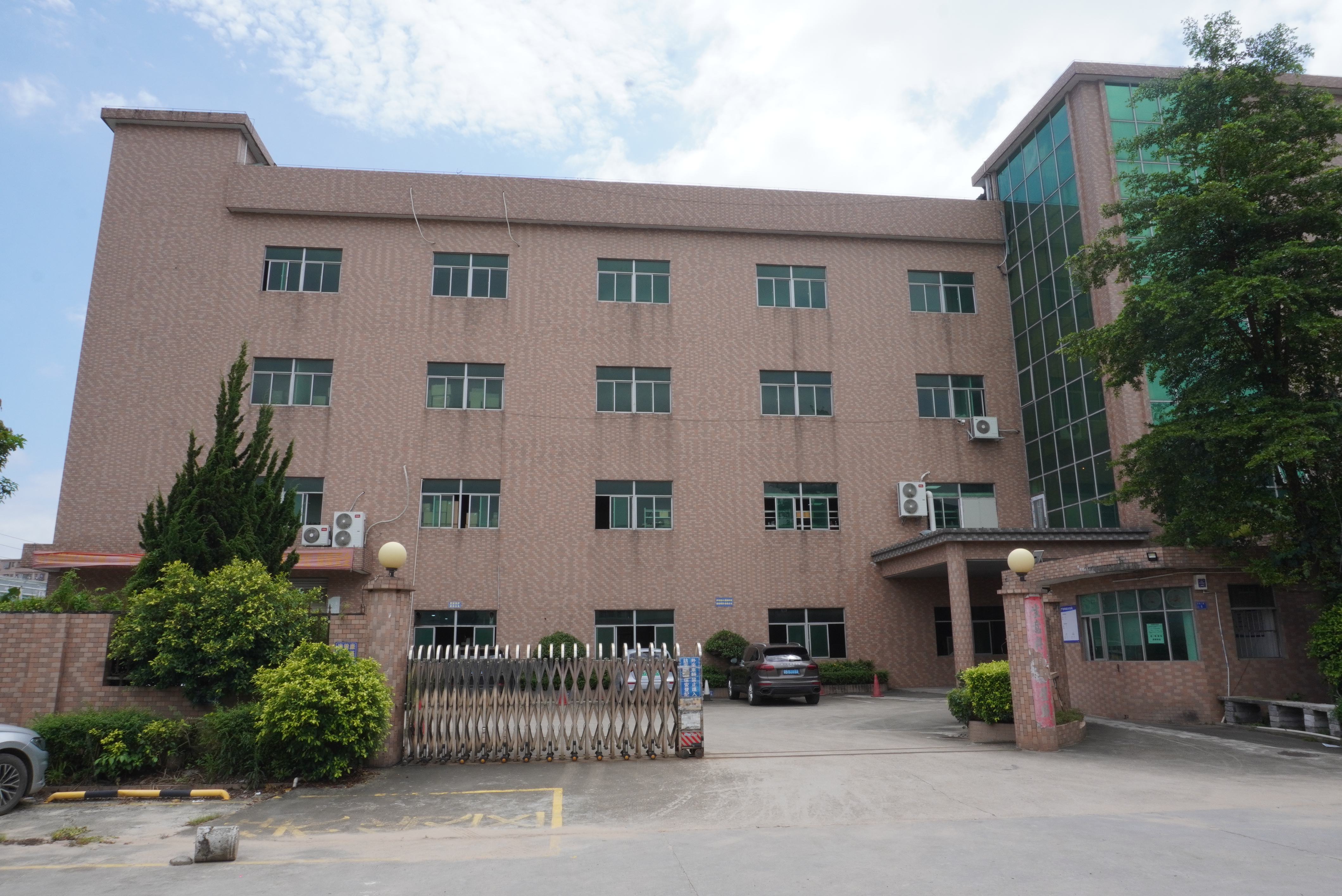
Dongguan Sanlixin Plastic Technology Co.,Ltd
Shenzhen Sanlixin Technology Co., Ltd. and Dongguan Sanlixin Plastic Technology Co., Ltd. is a manufacturer integrating precision plastic mold design, mold opening, single (double) color injection molding, IML injection molding processing, producing various single (double) color, IML process high-end appearance decorative structural parts, two-color buttons, USB dust plugs, panels and other plastic products, providing customers with fast, excellent, Midea all-round service, the company has 15 years of experience in precision plastic mold design, processing and production, with a variety of advanced machine injection molding equipment with excellent quality and fast service to win the trust and strong support of our customers.
- Yes, many plastics used in electronics, such as HDPE, PP, and PS, can be recycled and used in injection molding. However, it's important to ensure that the recycled material meets the quality standards for electronic applications, especially in terms of purity and mechanical properties.
[Injection Molding Process Reinvents the Aesthetics of Smartwatches] Empowered by Precision Injection Molding: From the watch case to the details, this timepiece defines a new benchmark on the wrist with technology and texture!
2025 Father's Day: His shoulders were the lookout tower of youth, and they remain the safe harbor for the rest of our lives.