Electronics Injection Molding: A Precision Process Shaping the Future of Technology
Injection molding is a cornerstone of modern manufacturing, and its application in the electronics industry is revolutionizing the way we produce complex, high-precision components. Electronics injection molding involves the creation of intricate plastic parts that house, protect, and connect electronic components. This article explores the process, benefits, and future trends of electronics injection molding, highlighting its critical role in advancing technology.
The Injection Molding Process
Overview
Injection molding is a manufacturing process where molten material, typically plastic, is injected into a mold to form a specific shape. The process involves several stages:
- Clamping: The mold is securely closed by the clamping unit.
- Injection: Molten plastic is injected into the mold cavity under high pressure.
- Cooling: The material cools and solidifies into the desired shape.
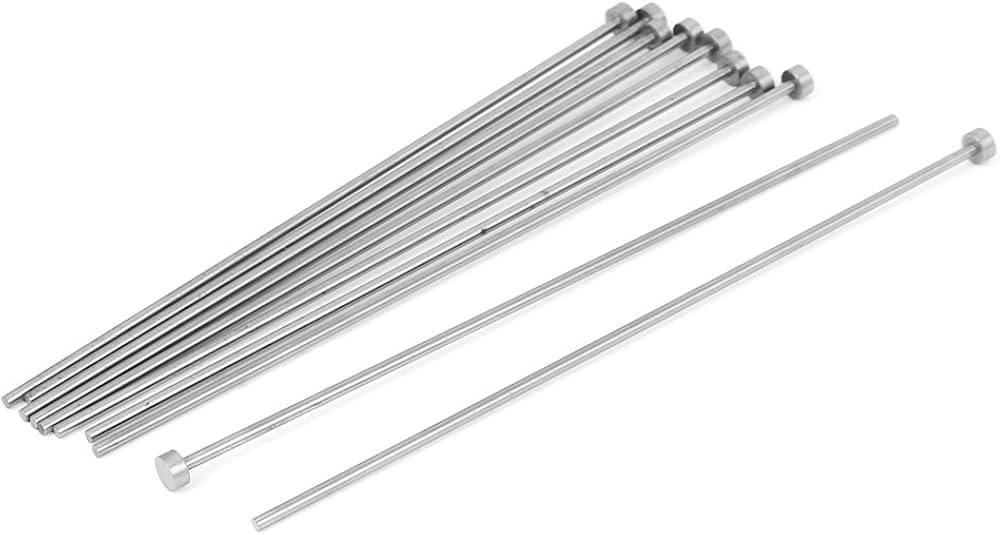
- Ejection: The finished part is ejected from the mold.
Precision and Complexity
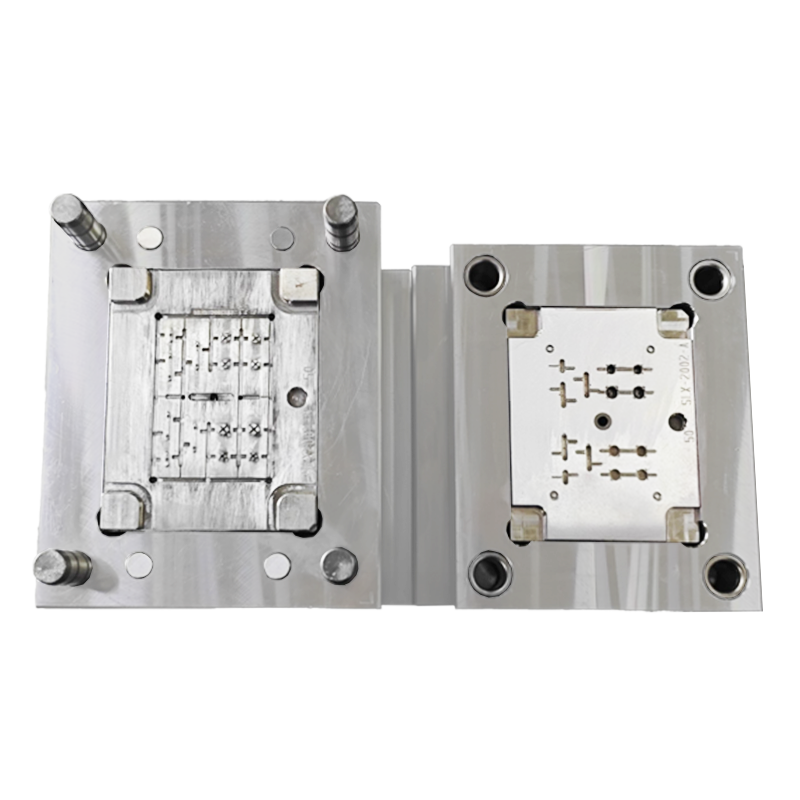
Electronics injection molding requires high precision to produce parts with intricate geometries, tight tolerances, and fine details. Advanced CNC machining and computer-aided design (CAD) are used to create precise molds that meet the exact specifications of electronic components.
Benefits of Electronics Injection Molding
High Precision and Consistency
Injection molding offers exceptional precision and consistency, essential for producing reliable electronic components. The process can achieve tight tolerances and repeatable results, ensuring high-quality parts.
Material Versatility
A wide range of materials can be used in electronics injection molding, including thermoplastics, thermosetting polymers, and engineered resins. These materials offer various properties such as electrical insulation, thermal resistance, and durability.
Cost-Effectiveness
For high-volume production, injection molding is cost-effective due to its efficiency and the ability to produce large quantities of parts with minimal waste. The initial tooling costs are offset by the low per-unit cost in mass production.
Design Flexibility
Injection molding allows for complex designs and the integration of multiple features into a single part. This reduces the need for assembly and simplifies the production process.
Applications in the Electronics Industry
Connectors and Housings
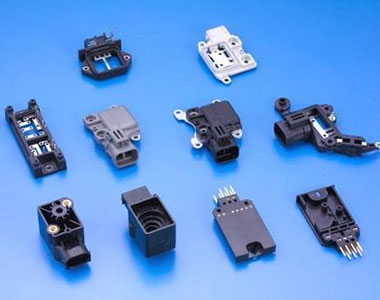
Injection molding is widely used to produce connectors, housings, and enclosures for electronic devices. These parts provide protection, insulation, and connectivity for electronic components.
Circuit Boards and Components
Plastic parts produced through injection molding are used in circuit boards, switches, and sensors. The process ensures precise dimensions and reliable performance.
Consumer Electronics
From smartphones to laptops, injection molding is used to create durable and aesthetically pleasing casings and components for consumer electronics.
Automotive Electronics
In the automotive industry, injection molding produces parts for electronic control units (ECUs), sensors, and infotainment systems. These components must meet stringent safety and performance standards.
Future Trends in Electronics Injection Molding
Miniaturization
As electronic devices become smaller and more compact, injection molding must adapt to produce increasingly miniaturized components with high precision.
Advanced Materials
The development of new materials with enhanced properties, such as conductive polymers and biodegradable plastics, is expanding the possibilities for electronics injection molding.
Smart Manufacturing
Integration of IoT (Internet of Things) and AI (Artificial Intelligence) in injection molding processes is enabling real-time monitoring, predictive maintenance, and optimized production efficiency.
Sustainability
The push for sustainable manufacturing is driving the use of recycled materials and eco-friendly processes in electronics injection molding. This includes the development of biodegradable and recyclable plastics.
Conclusion
Electronics injection molding is a precision process that plays a vital role in the production of high-quality, reliable, and complex electronic components. Its benefits of high precision, material versatility, cost-effectiveness, and design flexibility make it indispensable in the electronics industry. As technology continues to advance, trends such as miniaturization, advanced materials, smart manufacturing, and sustainability will shape the future of electronics injection molding, driving innovation and efficiency in the production of next-generation electronic devices.

Dongguan Sanlixin Plastic Technology Co.,Ltd
Shenzhen Sanlixin Technology Co., Ltd. and Dongguan Sanlixin Plastic Technology Co., Ltd. is a manufacturer integrating precision plastic mold design, mold opening, single (double) color injection molding, IML injection molding processing, producing various single (double) color, IML process high-end appearance decorative structural parts, two-color buttons, USB dust plugs, panels and other plastic products, providing customers with fast, excellent, Midea all-round service, the company has 15 years of experience in precision plastic mold design, processing and production, with a variety of advanced machine injection molding equipment with excellent quality and fast service to win the trust and strong support of our customers.
What Are Plastic Parts? Exploring the Advantages and Disadvantages
Choosing the Right Material for Automotive Parts