The Pros and Cons of Electrolytic Plating in Modern Industry
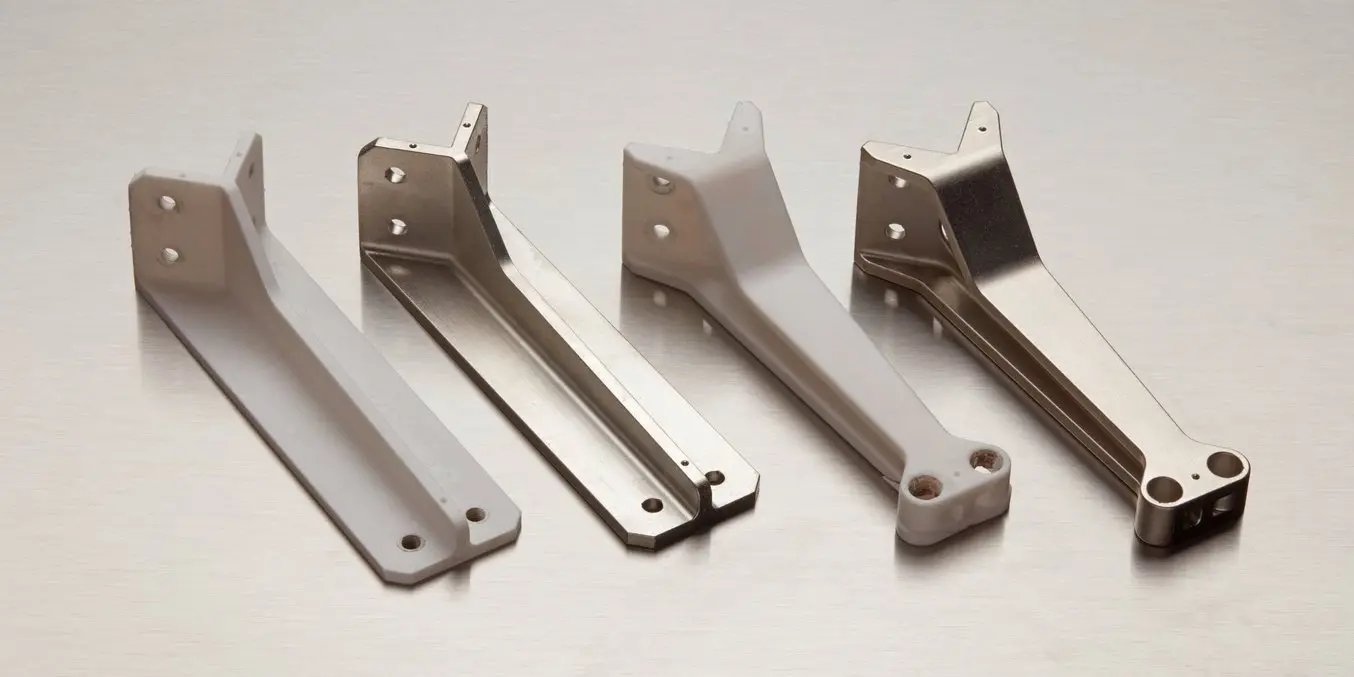
Electrolytic plating, also called electroplating, is a key manufacturing process that uses electric current to coat conductive objects with a thin layer of metal. This technique plays a vital role in numerous industries, from electronics to automotive manufacturing. While it offers significant benefits, the process also presents certain challenges that industries must consider.
Key Advantages of Electrolytic Plating
Superior Surface Protection
Electroplating creates a protective barrier that shields base materials from corrosion, oxidation, and wear. Common protective coatings include zinc for rust prevention and gold for electronic components.
Enhanced Electrical Conductivity
The process can improve electrical properties, making it invaluable for electronic components where reliable conductivity is essential, such as in connectors and circuit boards.
Decorative Finishes
From shiny chrome on automotive parts to luxurious gold plating on jewelry, electroplating provides attractive finishes that boost product appeal and value.
Increased Durability
Plated surfaces typically show greater resistance to abrasion and wear, significantly extending product lifespans in demanding applications.
Notable Disadvantages of Electrolytic Plating
Environmental Concerns
The process often involves hazardous chemicals and heavy metals, requiring strict waste management to prevent environmental contamination.
High Energy Requirements
Electroplating demands substantial electrical power, making it energy-intensive and potentially costly, especially for large-scale operations.
Process Complexity
Successful plating requires precise control of multiple variables including temperature, current density, and chemical composition, leaving little margin for error.
Material Limitations
Only conductive materials can be directly electroplated, requiring additional steps for coating non-conductive substrates like plastics.
Industry Applications and Future Outlook
Despite its challenges, electrolytic plating remains indispensable for:
- Automotive components (chrome plating)
- Electronics (gold and silver plating)
- Jewelry manufacturing
- Aerospace parts
Industry experts predict growing emphasis on developing more environmentally friendly plating solutions and processes with reduced energy consumption in the coming years.
Conclusion
Electrolytic plating continues to be a cornerstone of modern manufacturing, offering unmatched benefits in protection, conductivity, and aesthetics. However, as environmental regulations tighten and energy costs rise, the industry faces increasing pressure to innovate and develop more sustainable alternatives without compromising quality.
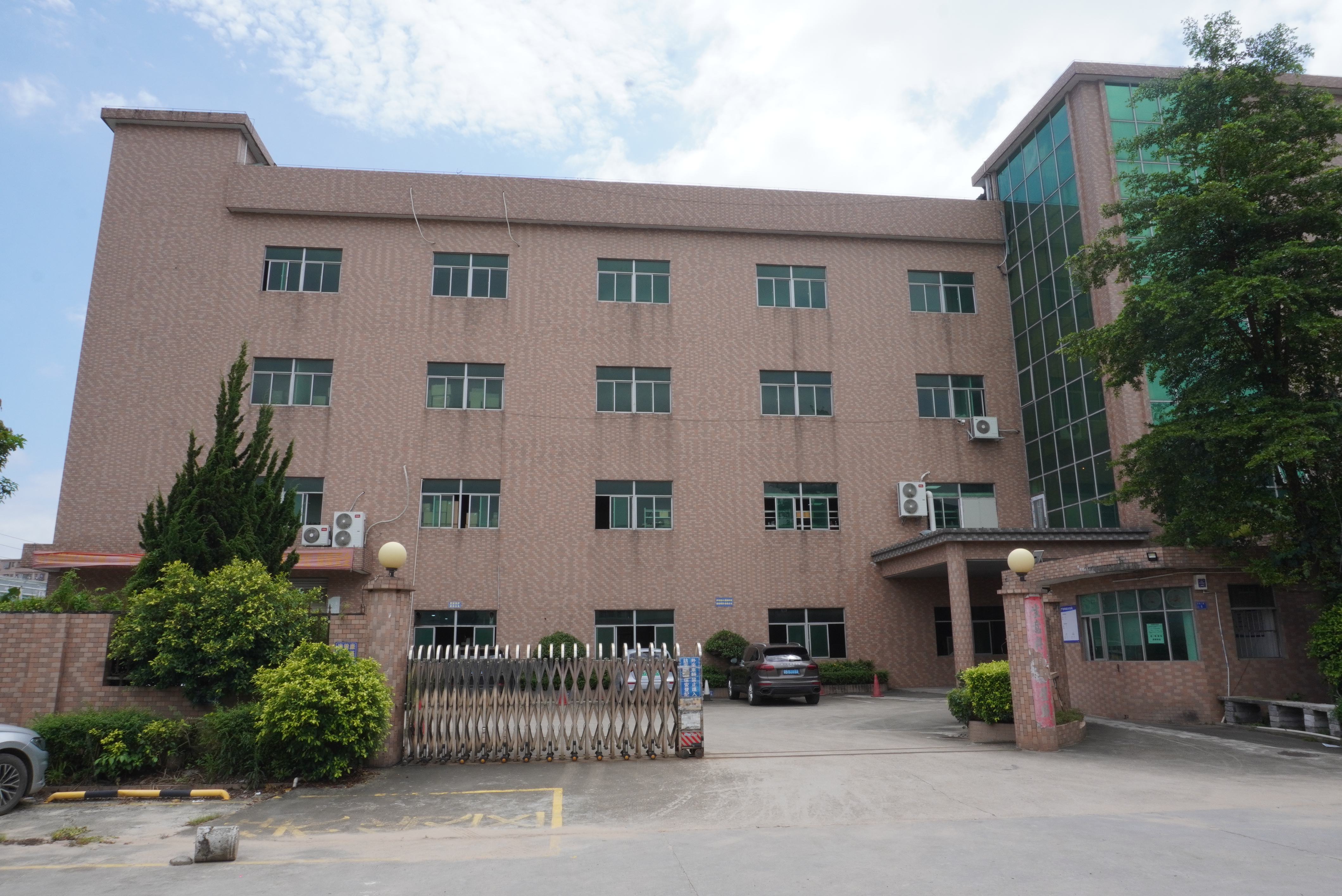
Dongguan Sanlixin Plastic Technology Co.,Ltd
Shenzhen Sanlixin Technology Co., Ltd. and Dongguan Sanlixin Plastic Technology Co., Ltd. is a manufacturer integrating precision plastic mold design, mold opening, single (double) color injection molding, IML injection molding processing, producing various single (double) color, IML process high-end appearance decorative structural parts, two-color buttons, USB dust plugs, panels and other plastic products, providing customers with fast, excellent, Midea all-round service, the company has 15 years of experience in precision plastic mold design, processing and production, with a variety of advanced machine injection molding equipment with excellent quality and fast service to win the trust and strong support of our customers.
What is Plastic Mold: The Core Tool in Modern Manufacturing
Plating Techniques: Innovations and Applications in Modern Manufacturing