EDM: How to Choose Electrode Material?
What is EDM?

EDM is a non-traditional machining process that uses electrical sparks to erode material from a conductive workpiece. The process involves an electrode and a workpiece submerged in a dielectric fluid. When a voltage is applied, sparks are generated between the electrode and the workpiece, removing material through thermal erosion.
Key Factors in Choosing Electrode Material
Selecting the right electrode material is essential for achieving optimal EDM performance. Consider the following factors:
1. Electrical Conductivity
The electrode material must have high electrical conductivity to efficiently generate sparks and remove material from the workpiece.
2. Thermal Conductivity
High thermal conductivity helps dissipate heat generated during the EDM process, reducing electrode wear and improving machining stability.
3. Wear Resistance
The electrode material should have good wear resistance to maintain its shape and dimensions during prolonged machining.
4. Machinability
The material should be easy to machine into the desired electrode shape, especially for complex geometries.
5. Cost
Consider the cost of the electrode material, as it can significantly impact the overall machining expenses.
Common Electrode Materials for EDM
Several materials are commonly used as electrodes in EDM, each with its unique properties and advantages.
1. Graphite
Graphite is the most widely used electrode material in EDM due to its excellent electrical and thermal conductivity, low wear rate, and ease of machining.
Advantages:
- High material removal rate.
- Good surface finish.
- Cost-effective.
Applications:
- Die-sinking EDM.
- Mold and tool manufacturing.
2. Copper
Copper is another popular electrode material, known for its high electrical and thermal conductivity.
Advantages:
- Excellent surface finish.
- Low electrode wear.
- Good for fine details.
Applications:
- Micro-EDM.
- Precision machining.
3. Copper-Tungsten (CuW)
Copper-tungsten is a composite material that combines the high conductivity of copper with the wear resistance of tungsten.
Advantages:
- High wear resistance.
- Good thermal conductivity.
- Suitable for high-temperature applications.
Applications:
- Aerospace components.
- Hard material machining.
4. Brass
Brass is an alloy of copper and zinc, offering a balance between conductivity and cost.
Advantages:
- Cost-effective.
- Good for general-purpose EDM.
Applications:
- General machining.
- Prototyping.
5. Tungsten
Tungsten is known for its high melting point and wear resistance, making it suitable for challenging EDM applications.
Advantages:
- High wear resistance.
- Excellent for hard materials.
Applications:
- Hard alloy machining.
- High-precision components.
Choosing the Right Electrode Material
Selecting the appropriate electrode material depends on the specific requirements of your EDM application. Consider the following guidelines:
1. Material Removal Rate
For high material removal rates, graphite is often the best choice due to its efficiency and cost-effectiveness.
2. Surface Finish
If a fine surface finish is required, copper or copper-tungsten electrodes are preferable due to their ability to produce smooth surfaces.
3. Electrode Wear
For applications where electrode wear is a concern, materials like copper-tungsten or tungsten offer superior wear resistance.
4. Complexity of Geometry
Graphite is easier to machine into complex shapes, making it suitable for intricate electrode designs.
5. Cost Considerations
For cost-sensitive projects, brass or graphite electrodes provide a good balance between performance and expense.
Conclusion
Choosing the right electrode material is crucial for achieving optimal results in EDM. Factors such as electrical conductivity, thermal conductivity, wear resistance, machinability, and cost must be carefully considered. Graphite, copper, copper-tungsten, brass, and tungsten are the most commonly used electrode materials, each offering unique advantages for different applications. By understanding the properties and benefits of these materials, you can select the best electrode for your EDM needs, ensuring efficient machining, high-quality surface finishes, and extended electrode life.
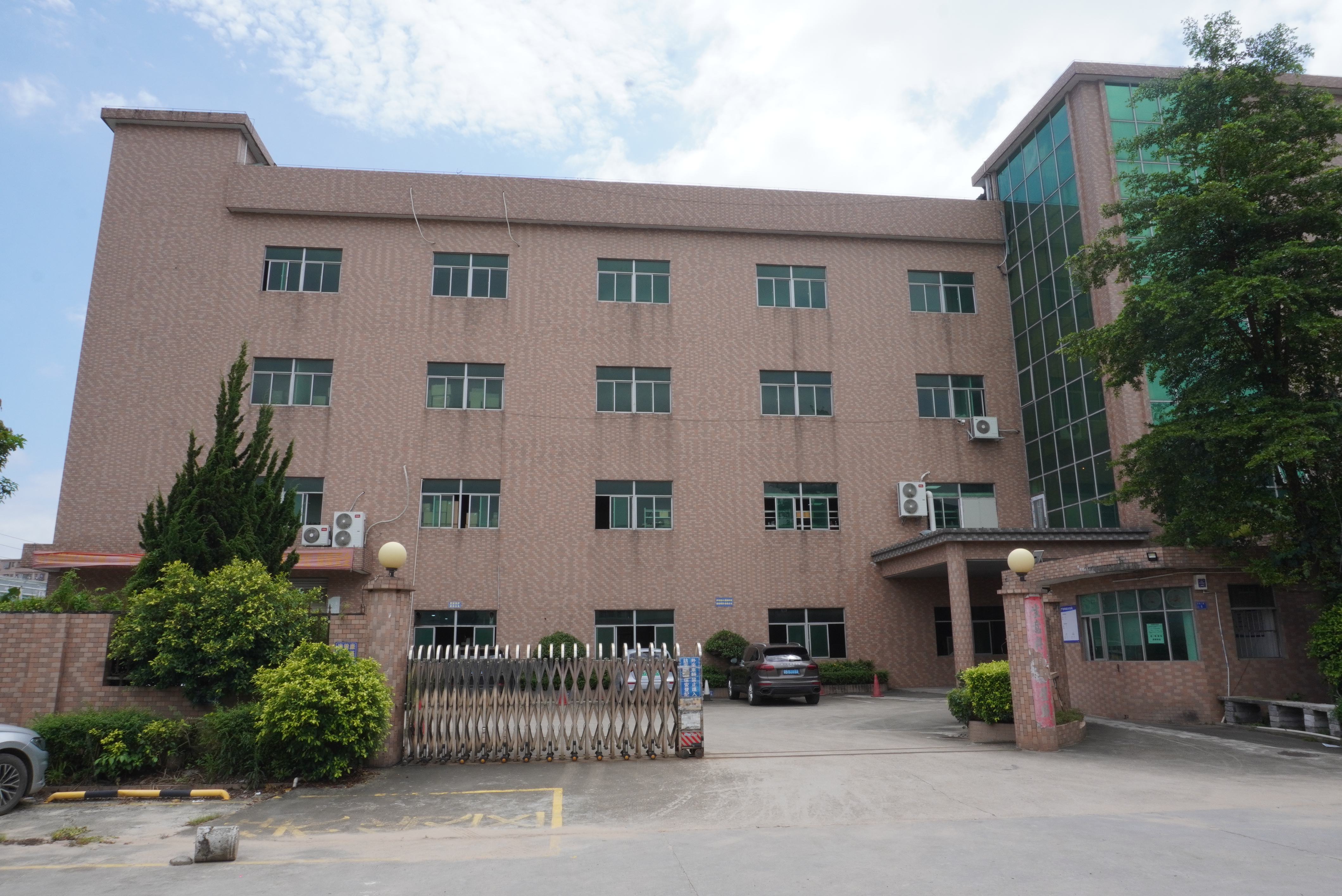
Dongguan Sanlixin Plastic Technology Co.,Ltd
Shenzhen Sanlixin Technology Co., Ltd. and Dongguan Sanlixin Plastic Technology Co., Ltd. is a manufacturer integrating precision plastic mold design, mold opening, single (double) color injection molding, IML injection molding processing, producing various single (double) color, IML process high-end appearance decorative structural parts, two-color buttons, USB dust plugs, panels and other plastic products, providing customers with fast, excellent, Midea all-round service, the company has 15 years of experience in precision plastic mold design, processing and production, with a variety of advanced machine injection molding equipment with excellent quality and fast service to win the trust and strong support of our customers.
Polypropylene Injection Molding: A Comprehensive Overview
What is Cemented Carbide?