Electrical Discharge Machining (EDM): A Comprehensive Guide
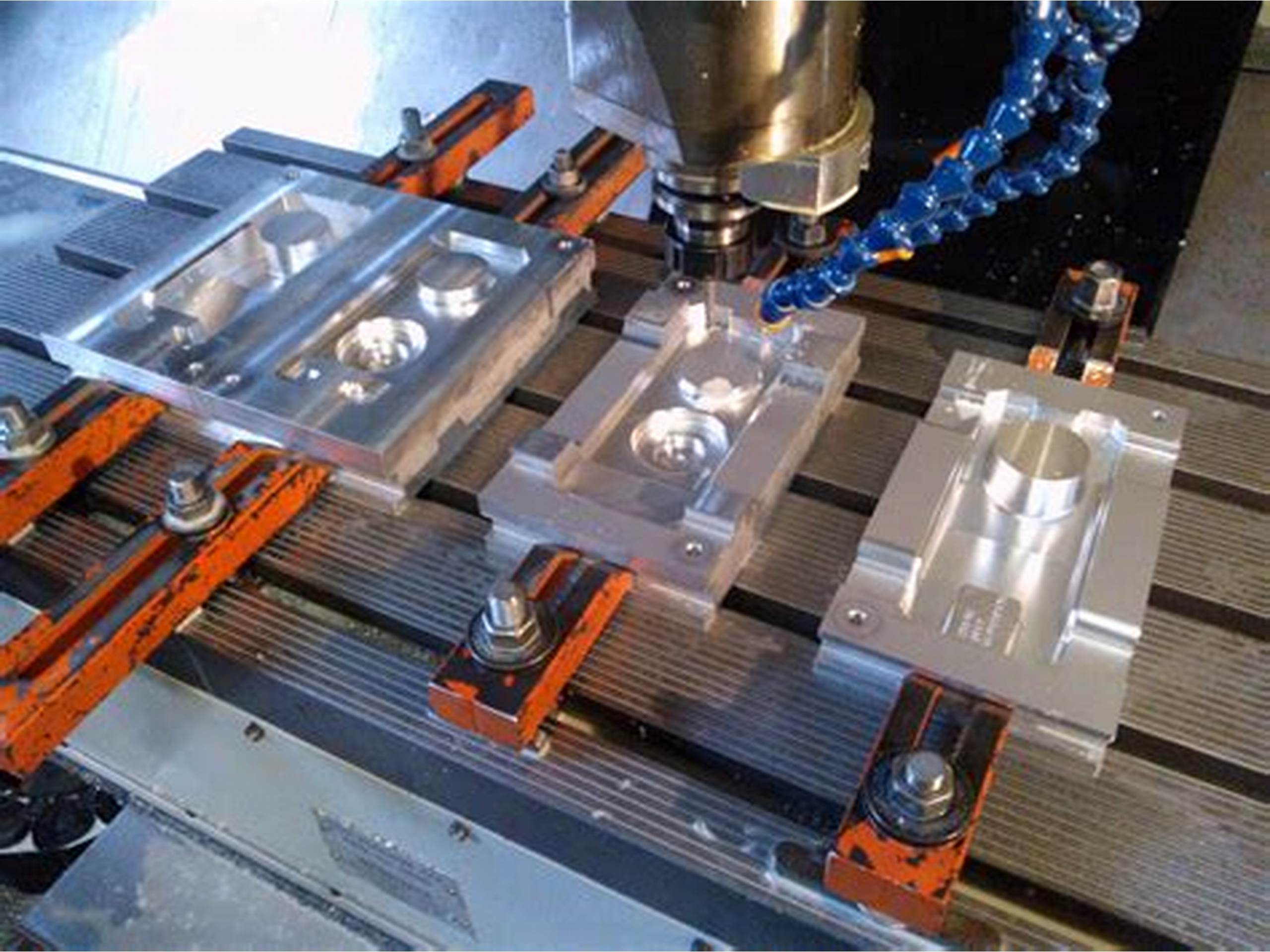
Electrical Discharge Machining (EDM): A Comprehensive Guide
Introduction to Electrical Discharge Machining (EDM)
Electrical Discharge Machining (EDM) is a non-traditional machining process that uses electrical discharges (sparks) to remove material from a workpiece. This method is particularly useful for machining hard materials and complex shapes that are difficult to achieve with conventional machining techniques. EDM is widely used in industries such as aerospace, automotive, and tool and die manufacturing.
How Electrical Discharge Machining Works
EDM works by generating a series of rapid electrical discharges between an electrode and a workpiece submerged in a dielectric fluid. The process involves the following steps:
1. Electrode and Workpiece Setup
The workpiece and the electrode are positioned close to each other but not in direct contact. Both are submerged in a dielectric fluid, which acts as an insulator and coolant.
2. Generation of Electrical Discharges
A voltage is applied between the electrode and the workpiece, creating an electric field. When the voltage is high enough, it ionizes the dielectric fluid, creating a conductive plasma channel.
3. Material Removal
Electrical discharges (sparks) occur through the plasma channel, generating intense heat that melts and vaporizes tiny portions of the workpiece material. The dielectric fluid then flushes away the eroded particles.
4. Repetition
The process is repeated thousands of times per second, gradually eroding the workpiece to achieve the desired shape and dimensions.
Types of Electrical Discharge Machining
There are two main types of EDM, each with specific applications and advantages:
1. Sinker EDM (Ram EDM)
Sinker EDM, also known as Ram EDM, uses a pre-shaped electrode to create cavities or complex shapes in the workpiece. The electrode is typically made of graphite or copper and is machined to the negative shape of the desired cavity.
2. Wire EDM
Wire EDM uses a thin, electrically conductive wire as the electrode. The wire is continuously fed from a spool and guided along a programmed path to cut intricate shapes and contours. This method is ideal for producing precise and complex parts with tight tolerances.
Advantages of Electrical Discharge Machining
EDM offers several advantages over traditional machining methods, including:
1. Ability to Machine Hard Materials
EDM can machine extremely hard materials, such as hardened steel, titanium, and carbide, which are difficult to cut using conventional methods.
2. Precision and Accuracy
EDM provides high precision and accuracy, making it suitable for producing complex geometries and fine details with tight tolerances.
3. No Direct Contact
Since there is no direct contact between the electrode and the workpiece, there is minimal mechanical stress, reducing the risk of deformation and tool wear.
4. Surface Finish
EDM can achieve excellent surface finishes, often eliminating the need for additional finishing processes.
Applications of Electrical Discharge Machining
EDM is used in a wide range of applications across various industries. Some notable uses include:
1. Tool and Die Manufacturing
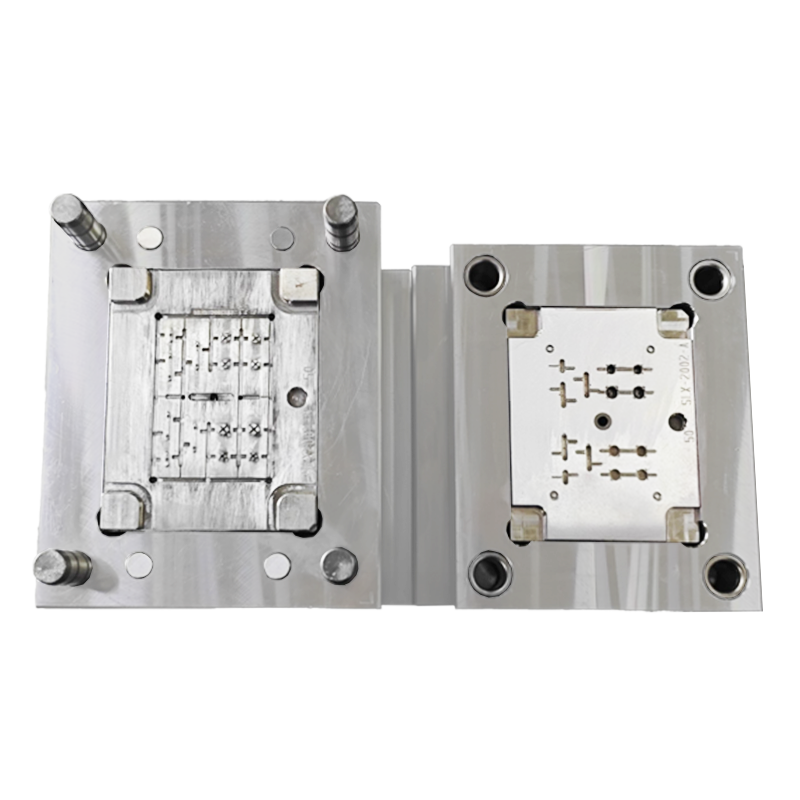
EDM is widely used in the production of molds, dies, and tooling for injection molding, stamping, and extrusion processes. Its ability to machine complex shapes and hard materials makes it ideal for these applications.
2. Aerospace Industry
In the aerospace sector, EDM is used to manufacture components such as turbine blades, engine parts, and structural components. The precision and ability to machine high-strength materials are critical for these applications.
3. Medical Devices
EDM is used to produce intricate and precise components for medical devices, such as surgical instruments, implants, and diagnostic equipment. The ability to achieve tight tolerances and fine details is essential in this field.
4. Automotive Industry
In the automotive industry, EDM is used for manufacturing components such as fuel injectors, gears, and transmission parts. The precision and ability to machine hard materials are beneficial for these applications.
5. Electronics
EDM is used in the electronics industry to produce small, intricate components such as connectors, sensors, and microelectromechanical systems (MEMS). The ability to achieve fine details and tight tolerances is crucial for these applications.
Limitations of Electrical Discharge Machining
While EDM offers many advantages, it also has some limitations:
1. Material Conductivity
EDM can only machine electrically conductive materials. Non-conductive materials, such as ceramics and plastics, cannot be processed using EDM.
2. Slow Material Removal Rate
Compared to conventional machining methods, EDM has a slower material removal rate, making it less suitable for high-volume production.
3. Electrode Wear
In Sinker EDM, the electrode can wear out over time, requiring replacement or re-machining. This can increase the cost and time of the machining process.
4. Surface Integrity
While EDM can achieve excellent surface finishes, the process can also create a heat-affected zone (HAZ) on the workpiece surface, which may require additional post-processing.
Conclusion
Electrical Discharge Machining (EDM) is a versatile and precise machining process that is particularly useful for machining hard materials and complex shapes. Its ability to produce intricate details and tight tolerances makes it a valuable tool in industries such as aerospace, automotive, and medical devices. Understanding the principles, types, advantages, and limitations of EDM can help in selecting the right machining method for specific applications.
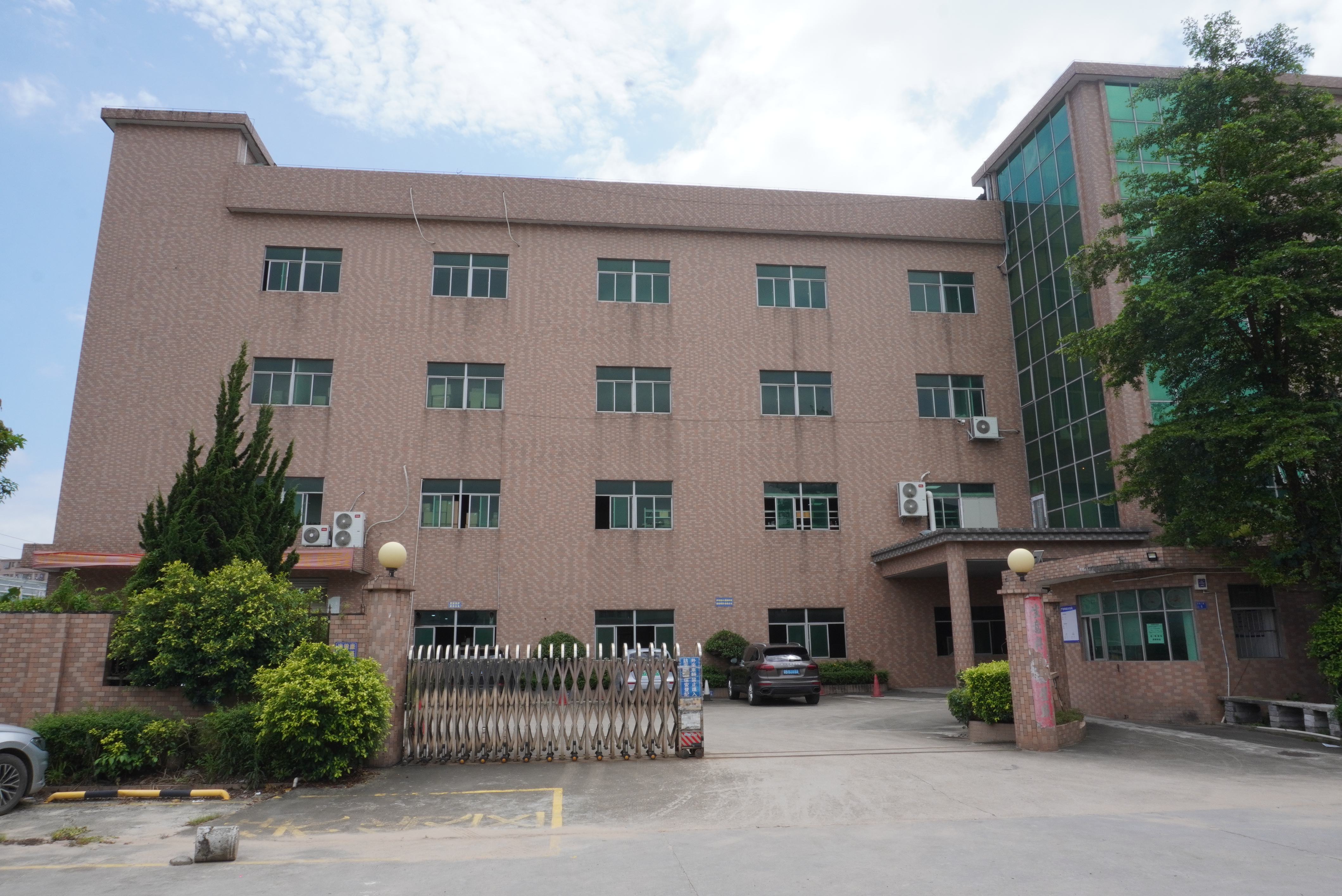
Dongguan Sanlixin Plastic Technology Co.,Ltd
Shenzhen Sanlixin Technology Co., Ltd. and Dongguan Sanlixin Plastic Technology Co., Ltd. is a manufacturer integrating precision plastic mold design, mold opening, single (double) color injection molding, IML injection molding processing, producing various single (double) color, IML process high-end appearance decorative structural parts, two-color buttons, USB dust plugs, panels and other plastic products, providing customers with fast, excellent, Midea all-round service, the company has 15 years of experience in precision plastic mold design, processing and production, with a variety of advanced machine injection molding equipment with excellent quality and fast service to win the trust and strong support of our customers.
Metal Injection Molding (MIM) Process: A Comprehensive Guide
Thermoplastic Polyurethane (TPU) Explained: A Comprehensive Guide