The Evolution of Double Color Molding Machines: Witness to Technological Innovation and Industrial Transformation
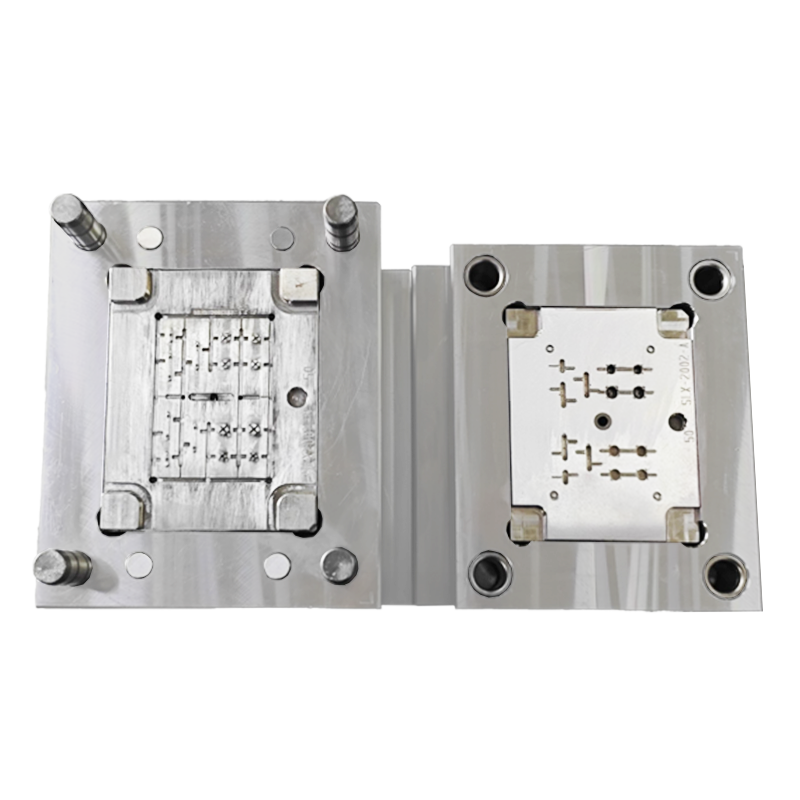
The double color molding machine injects two plastics into one mold, forming two/ multi-color products rapidly. Ideal for automotive & electronics, it boosts aesthetics and functionality efficiently.
Table of Contents
- Origins and Early Development (1950s-1980s)
- Technical Breakthroughs and Popularization (1990s-2000s)
- Performance Parameter Analysis
- Market Size and Growth Trends
- Analysis of Typical Application Cases
- Panoramic View of Application Fields
- Selection Guide
- Future Development Trends
- **Industry Outlook

1. Origins and Early Development (1950s-1980s)
2. Technical Breakthroughs and Popularization (1990s-2000s)
1. Hydraulic System Upgrades
- Servo Drive Technology: Bosch Rexroth launched the Indramat servo hydraulic system in 1995, increasing injection speed to 300mm/s with a repeatability accuracy of ±0.1%, achieving 40% energy savings compared to traditional fixed-displacement pump systems.
- Closed-Loop Control System: KraussMaffei's CX controller achieved pressure-flow dual closed-loop control, reducing injection pressure fluctuations to <5bar and solving color mixing issues caused by unstable pressure in early equipment.
- Multi-Cylinder Synchronization Technology: ENGEL's duo series adopted a four-cylinder direct-pressure clamping mechanism, achieving a platen parallelism error of <0.05mm to ensure precision in thin-walled product molding.
2. Multi-Component Injection Technology
- Rotary Table Molding System: Demag introduced the DR series double color machine in 2002, using a 180° rotating table for dual-component injection, reducing cycle time to 12 seconds and increasing efficiency by 50% compared to early models.
- Angled Injection Unit: Sumitomo's L-type injection system positioned main and auxiliary injection units at 90°, suitable for overmolding products like toothbrush handles with hard 胶 (PP) and soft 胶 (TPR) composite injection.
- Multi-Color Co-Injection Technology: Arburg's Multilift robotic integration system enabled three-color and four-color complex structure molding, such as gradient color transitions in automotive three-color buttons.
3. Material Compatibility Expansion
- High-Temperature Engineering Plastics Application: LCP (Liquid Crystal Polymer) with a temperature resistance of 350℃ achieved double color molding in 2005 for mobile phone antenna brackets, overcoming a shrinkage rate difference of over 15% between two materials.
- Soft Material Overmolding Technology: BASF's TPU-PA66 bonding process solved the problem of combining materials with a hardness difference of 70 Shore A, increasing product peel strength to 5N/mm.
- Nanocomposite Material Processing: Toshiba Machinery's screw mixing system uniformly dispersed nanoscale filler materials, increasing product strength by 30% for high-end electronic components.
4. Mold Design Innovations
- Hot Runner System Optimization: Mold-Masters' needle-valve hot runner enabled precise material switching with gate marks <0.1mm, meeting appearance requirements for optical products.
- In-Mold Labeling Technology: Haier Mold integrated IML (In-Mold Labeling) with double color injection in 2008 to produce high-gloss seamless home appliance panels with a surface roughness of Ra<0.2μm.
- Rapid Mold Change System: Hasco's hydraulic clamping mechanism reduced mold change time from 2 hours to 15 minutes, significantly improving efficiency in multi-variety small-batch production.
5. Representative Model Parameter Comparison
|
Brand & Model
|
KraussMaffei CX 160
|
ENGEL e-victory 170
|
Sumitomo SE-DUZ50
|
|
Clamping Force (kN)
|
1600
|
1700
|
500
|
|
Injection Volume (cm³)
|
2×220
|
2×180
|
2×60
|
|
Positioning Accuracy (mm)
|
±0.03
|
±0.025
|
±0.04
|
|
Cycle Time (s)
|
15
|
12
|
8
|
3. Performance Parameter Analysis
|
Technical Index
|
High-End Double Color Machine (e.g., Arburg Allrounder)
|
Standard Single Color Machine
|
|
Injection Unit
|
Dual-screw independent control, injection speed up to 500mm/s
|
Single-screw, 200-300mm/s
|
|
Positioning Accuracy
|
±0.02mm (rotary table positioning)
|
±0.1mm
|
|
Temperature Control
|
350-400℃ (suitable for PEEK and other special plastics)
|
280-320℃
|
|
Energy Consumption
|
0.35kWh/kg (servo drive)
|
0.5-0.7kWh/kg
|
|
Mold Compatibility
|
Supports rotary table and sliding plate multi-cavity structures
|
Single-cavity design
|
4. Market Size and Growth Trends
5. Analysis of Typical Application Cases
1. Automotive Industry: Tesla Model 3 Center Control Knob
- Equipment: Sumitomo Demag SE50DUZ double color machine
- Process: PC (transparent) + ABS (black) secondary injection with In-Mold Roller (IMR) technology
- Technical Highlights: Servo motor precision control for turntable positioning, concentricity error <0.05mm, metal texture surface adhesion reaching 5B level (cross-cut test).
2. Medical Field: BD Insulin Pen Housing
- Equipment: ENGEL e-motion 170/75 TL all-electric double color machine
- Materials: PP (hard plastic) + TPU (soft plastic) with 0.5% silver ion antibacterial masterbatch
- Innovation: Dynamic mold temperature control (80-120℃ real-time adjustment) achieving soft-hard plastic interface bonding strength ≥3N/mm, compliant with ISO 10993 biocompatibility standards.
3. Consumer Electronics: Apple AirPods Pro Charging Case
- Equipment: Toshiba EC130SX double color machine
- Process: PBT (flame-retardant) + PC (high-gloss) double color molding combined with laser engraving
- Quality Control: Equipped with CCD visual inspection system for real-time monitoring of color difference (ΔE<0.5) and flash (dimension deviation <0.03mm), yield rate 99.2%.
6. Panoramic View of Application Fields
- Automotive: Dashboard two-color buttons (PC+ABS), headlight lenses (PMMA+PC), gear shift handles (PA+TPU overmolding)
- Medical Devices: Insulin pen two-color housings (PP+TPU), surgical forceps non-slip handles (ABS+TPE), syringe pistons (PE+conductive additives)
- Consumer Electronics: Mobile phone two-color cases (PC+TPU), laptop two-color keycaps (PBT+silicone), smartwatch casings (PA+metal inserts)
- Packaging: Anti-counterfeit bottle caps (transparent PS+colored PP), high-end cosmetic containers (PETG+pearlescent masterbatch), children's toys (ABS+soft rubber decorative layers)
7. Selection Guide
1. Product Structure Evaluation
- Overmolding Products (e.g., power tool handles): Prioritize angled injection models (90° auxiliary nozzle layout) to avoid material flow interference and improve overmolding uniformity.
- Symmetrical Two-Color Products (e.g., two-color buttons): Rotary table models increase efficiency by over 30%, with 180° turntable for rapid mold switching and reduced idle cycle time.
2. Material Adaptability
- High-Temperature Nylon (PA6T) Processing: Requires ceramic screws (wear-resistant) and oil-heated barrels (temperature control accuracy ±1℃) to prevent material degradation.
- Transparent PC Molding: Use low-compression ratio screws (1.8:1) with mirror-finish molds (roughness Ra<0.1μm) to eliminate weld marks and stress lines.
3. Production Capacity Planning
- Annual Output <500,000 Units: Recommended 120-200 ton medium-sized machines (e.g., Haitian MA1600), reducing equipment investment by 25% compared to large models with energy consumption <0.4kWh/kg.
- Annual Output >2,000,000 Units: Full-automatic rotary table models (e.g., FCS PQ1800) reduce comprehensive costs by 15%, equipped with robotic automatic part removal systems to compress cycle time to <10 seconds.
8. Future Development Trends
- Miniaturization and Precision: Responding to wearable device demands, ENGEL developed a micro double color molding machine with only 50kN clamping force, achieving minimum molding accuracy of ±0.01mm for 0.1g-level micro parts (e.g., hearing aid housings).
- Green Manufacturing: The share of all-electric models will increase from 35% in 2023 to 52% in 2028, combined with PCR (post-consumer recycled) plastic-specific screw designs, reducing energy consumption by 15-20% and waste recovery rate >95%.
- Process Integration: Combining double color injection with IML (In-Mold Labeling) and hot runner technology to achieve one-stop production of three-color appearance parts, reducing post-processing steps by 60%.
- Intelligent Control: AI process parameter self-learning systems (e.g., 威猛巴顿菲尔 iQ series) reduce debugging time by 40%, achieving scrap rate <0.5% through real-time pressure-flow curve analysis.
9. Industry Outlook
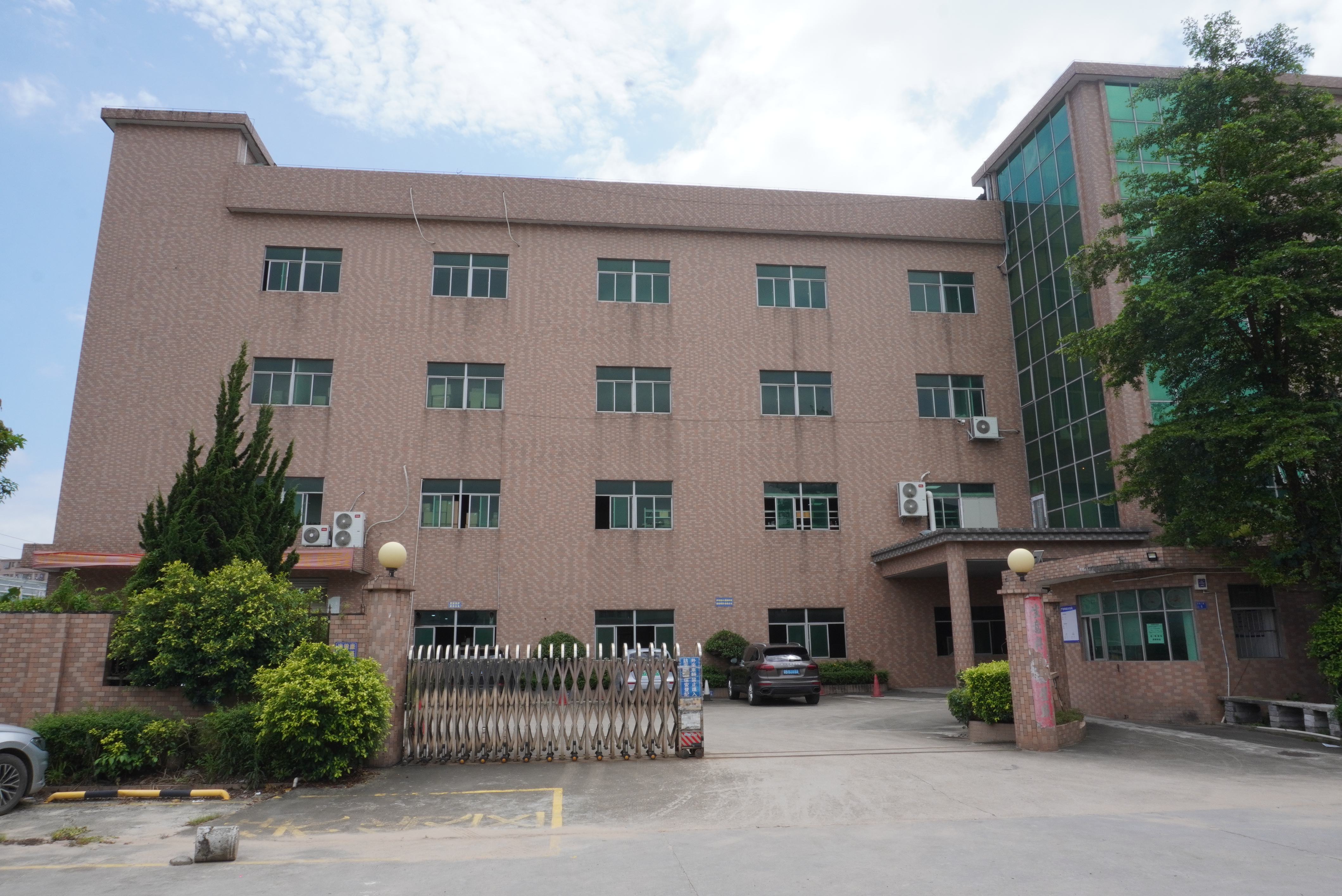
Dongguan Sanlixin Plastic Technology Co.,Ltd
Shenzhen Sanlixin Technology Co., Ltd. and Dongguan Sanlixin Plastic Technology Co., Ltd. is a manufacturer integrating precision plastic mold design, mold opening, single (double) color injection molding, IML injection molding processing, producing various single (double) color, IML process high-end appearance decorative structural parts, two-color buttons, USB dust plugs, panels and other plastic products, providing customers with fast, excellent, Midea all-round service, the company has 15 years of experience in precision plastic mold design, processing and production, with a variety of advanced machine injection molding equipment with excellent quality and fast service to win the trust and strong support of our customers.
Mastering the Injection Mold Process: A Comprehensive Guide for Precision Manufacturing
The molding technology adopted by medical, automotive and electronics industries: Why has Insert Molding become the top choice?