SPI Surface Finishes Basic Guide
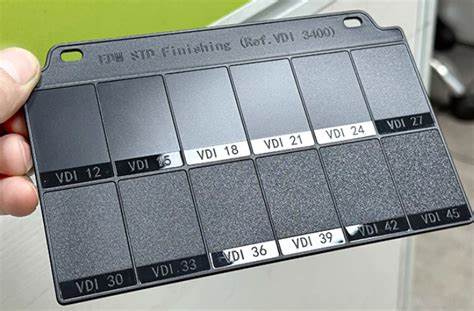
SPI Surface Finishes Basic Guide
Introduction
SPI (Society of the Plastics Industry) surface finishes are a standardized system used to define the texture and finish of molded plastic parts. These finishes are crucial for achieving the desired aesthetic and functional properties of plastic components. This guide provides an overview of SPI surface finishes, their classifications, and applications.
1. Understanding SPI Surface Finishes
SPI surface finishes are categorized into different grades based on the texture and roughness of the molded part's surface. These grades help manufacturers and designers specify the desired finish for plastic parts.
1.1 Importance of Surface Finish
Surface finish affects the appearance, feel, and performance of plastic parts. It can influence factors such as light reflection, wear resistance, and ease of cleaning.
1.2 SPI Classification System
The SPI classification system uses a letter and number code to denote different surface finishes. The letter indicates the type of finish, while the number specifies the grade within that category.
2. SPI Surface Finish Categories
SPI surface finishes are divided into several categories, each with distinct characteristics and applications.
2.1 A Series: Glossy Finishes
The A series represents glossy finishes, which are smooth and highly reflective. These finishes are achieved using polished mold surfaces.
2.1.1 A-1: High Gloss
A-1 is the highest gloss finish, providing a mirror-like surface. It is used for parts requiring a premium appearance, such as consumer electronics and automotive interiors.
2.1.2 A-2: Medium Gloss
A-2 offers a slightly less reflective surface than A-1, suitable for parts where a high gloss is desired but with reduced visibility of minor imperfections.
2.2 B Series: Semi-Gloss Finishes
The B series includes semi-gloss finishes, which have a moderate level of reflectivity and a smooth texture.
2.2.1 B-1: Fine Semi-Gloss
B-1 provides a fine semi-gloss finish, balancing aesthetics and functionality. It is commonly used for household appliances and medical devices.
2.2.2 B-2: Medium Semi-Gloss
B-2 offers a medium semi-gloss finish, suitable for parts requiring a balance between appearance and durability.
2.3 C Series: Matte Finishes
The C series represents matte finishes, which have a low level of reflectivity and a non-glossy appearance.
2.3.1 C-1: Fine Matte
C-1 provides a fine matte finish, reducing glare and hiding surface imperfections. It is used for parts where a non-reflective surface is desired, such as industrial equipment.
2.3.2 C-2: Medium Matte
C-2 offers a medium matte finish, suitable for parts requiring a balance between a non-glossy appearance and ease of cleaning.
2.4 D Series: Textured Finishes
The D series includes textured finishes, which have a patterned surface to enhance grip, hide defects, or provide a specific aesthetic.
2.4.1 D-1: Fine Texture
D-1 provides a fine texture, offering a subtle pattern that improves grip and hides minor imperfections. It is used for consumer products and tools.
2.4.2 D-2: Medium Texture
D-2 offers a medium texture, suitable for parts requiring a more pronounced pattern for functional or aesthetic purposes.
3. Choosing the Right SPI Surface Finish
Selecting the appropriate SPI surface finish depends on the part's application, aesthetic requirements, and functional needs.
3.1 Aesthetic Considerations
Consider the desired appearance of the part, including gloss level, texture, and ability to hide imperfections.
3.2 Functional Requirements
Evaluate the part's functional needs, such as wear resistance, ease of cleaning, and grip requirements.
3.3 Manufacturing Constraints
Take into account the manufacturing process, including mold design, material selection, and cost considerations.
4. Achieving SPI Surface Finishes
Different techniques are used to achieve the various SPI surface finishes, depending on the desired result.
4.1 Polishing
Polishing is used to achieve glossy finishes (A series). The mold surface is polished to a high degree of smoothness, resulting in a reflective part surface.
4.2 Blasting
Blasting with abrasive materials is used to create matte finishes (C series). The mold surface is treated to produce a non-reflective, textured finish.
4.3 Texturing
Texturing involves creating patterns on the mold surface to achieve textured finishes (D series). This can be done through chemical etching, laser engraving, or other methods.
5. Applications of SPI Surface Finishes
SPI surface finishes are used across various industries to meet specific aesthetic and functional requirements.
5.1 Consumer Electronics
High gloss finishes (A series) are commonly used for smartphone casings, laptop covers, and other electronic devices to provide a premium look.
5.2 Automotive
Semi-gloss (B series) and matte finishes (C series) are used for interior and exterior components to balance aesthetics and durability.
5.3 Medical Devices
Matte finishes (C series) are preferred for medical devices to reduce glare and provide a non-slip surface.
5.4 Industrial Equipment
Textured finishes (D series) are used for industrial equipment to enhance grip and hide surface imperfections.
Conclusion
SPI surface finishes provide a standardized system for defining the texture and finish of molded plastic parts. By understanding the different categories and their applications, manufacturers and designers can select the appropriate finish to meet aesthetic and functional requirements. Whether aiming for a high gloss, matte, or textured finish, the SPI classification system offers a comprehensive guide to achieving the desired surface quality in plastic parts.
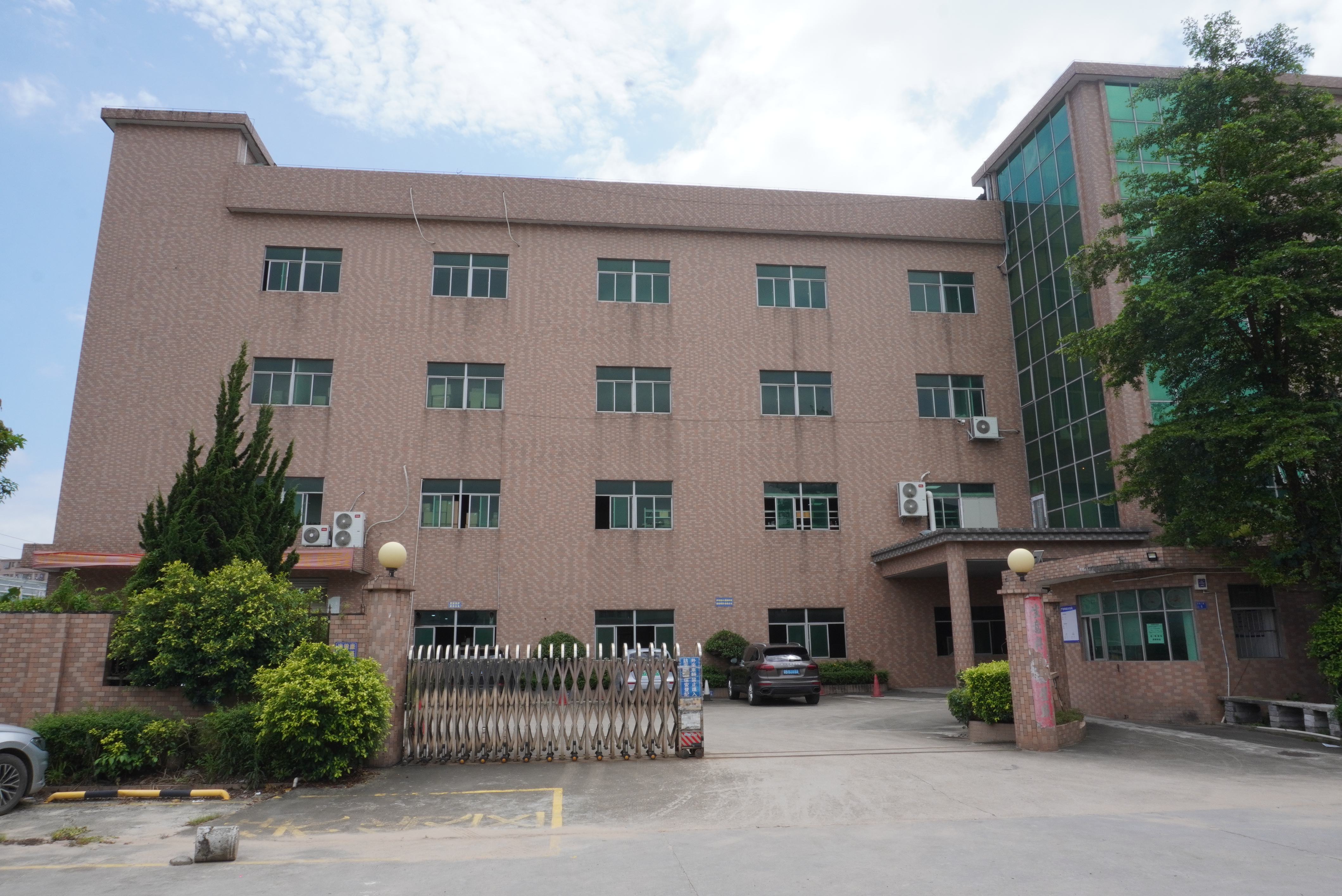
Dongguan Sanlixin Plastic Technology Co.,Ltd
Shenzhen Sanlixin Technology Co., Ltd. and Dongguan Sanlixin Plastic Technology Co., Ltd. is a manufacturer integrating precision plastic mold design, mold opening, single (double) color injection molding, IML injection molding processing, producing various single (double) color, IML process high-end appearance decorative structural parts, two-color buttons, USB dust plugs, panels and other plastic products, providing customers with fast, excellent, Midea all-round service, the company has 15 years of experience in precision plastic mold design, processing and production, with a variety of advanced machine injection molding equipment with excellent quality and fast service to win the trust and strong support of our customers.
Tips to Reduce CNC Milling Cost
CNC Machining Surface Finishes: Roughing Vs Finishing