Desktop Injection Molding Machines: Compact Solutions with Pros and Cons
Desktop Injection Molding Machines: Compact Solutions with Pros and Cons
Introduction
Desktop injection molding machines are revolutionizing small-scale manufacturing by bringing the power of injection molding to the desktop. These compact, user-friendly machines are ideal for prototyping, small-batch production, and educational purposes. However, like any technology, they come with their own set of advantages and challenges. This article explores the key benefits and drawbacks of desktop injection molding machines to help businesses and individuals make informed decisions.
What is a Desktop Injection Molding Machine?
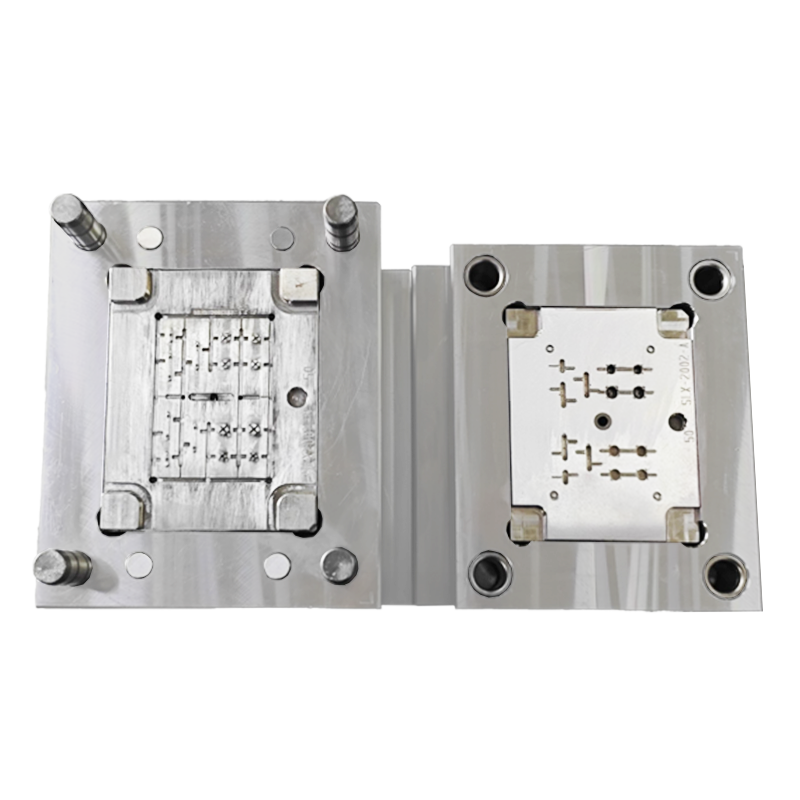
A desktop injection molding machine is a small-scale version of traditional injection molding machines, designed to fit on a workbench or tabletop. It uses the same basic principles—melting plastic pellets and injecting them into a mold—but is tailored for low-volume production and ease of use.
Advantages of Desktop Injection Molding Machines
Compact and Portable
Desktop injection molding machines are small and lightweight, making them easy to move and set up in various locations, such as labs, workshops, or classrooms.
Cost-Effective for Small Volumes
These machines are significantly cheaper than industrial-sized injection molding machines, making them accessible for small businesses, startups, and educational institutions.
Ease of Use
Desktop machines are designed to be user-friendly, with intuitive controls and minimal setup requirements. This makes them ideal for beginners or those with limited technical expertise.
Rapid Prototyping
Desktop injection molding machines enable quick and cost-effective prototyping, allowing designers to test and refine their ideas without the need for expensive tooling.
Material Versatility
These machines can process a wide range of thermoplastics, offering flexibility in material selection for different applications.
Disadvantages of Desktop Injection Molding Machines
Limited Production Capacity
Desktop machines are designed for small-scale production and cannot match the output of industrial-sized machines, making them unsuitable for high-volume manufacturing.
Size and Complexity Limitations
The small size of desktop machines limits the size and complexity of the parts that can be produced. Large or highly intricate designs may not be feasible.
Lower Precision and Consistency
While desktop machines offer good precision for their size, they may not achieve the same level of consistency and accuracy as industrial machines, especially for complex parts.
Manual Operation
Many desktop machines require manual intervention for tasks like mold changes and material loading, which can slow down production and increase labor costs.
Material Waste
Like traditional injection molding, desktop machines can generate material waste (e.g., runners and sprues), though on a smaller scale.
Applications of Desktop Injection Molding Machines
Prototyping
Desktop machines are ideal for creating prototypes, allowing designers to test and refine their concepts before moving to large-scale production.
Small-Batch Production
These machines are perfect for producing small quantities of parts, such as custom components or limited-edition products.
Education and Training
Desktop injection molding machines are widely used in educational settings to teach students about manufacturing processes and materials science.
Research and Development
Researchers and engineers use desktop machines to develop new materials, test designs, and explore innovative manufacturing techniques.
Custom Parts
Small businesses and hobbyists can use desktop machines to create custom parts for repairs, modifications, or unique projects.
Conclusion
Desktop injection molding machines offer a compact, cost-effective, and user-friendly solution for small-scale manufacturing, prototyping, and education. Their advantages include portability, ease of use, and material versatility, making them accessible to a wide range of users. However, they also come with limitations such as lower production capacity, size constraints, and reduced precision compared to industrial machines. By understanding these pros and cons, businesses and individuals can determine whether a desktop injection molding machine is the right tool for their needs.
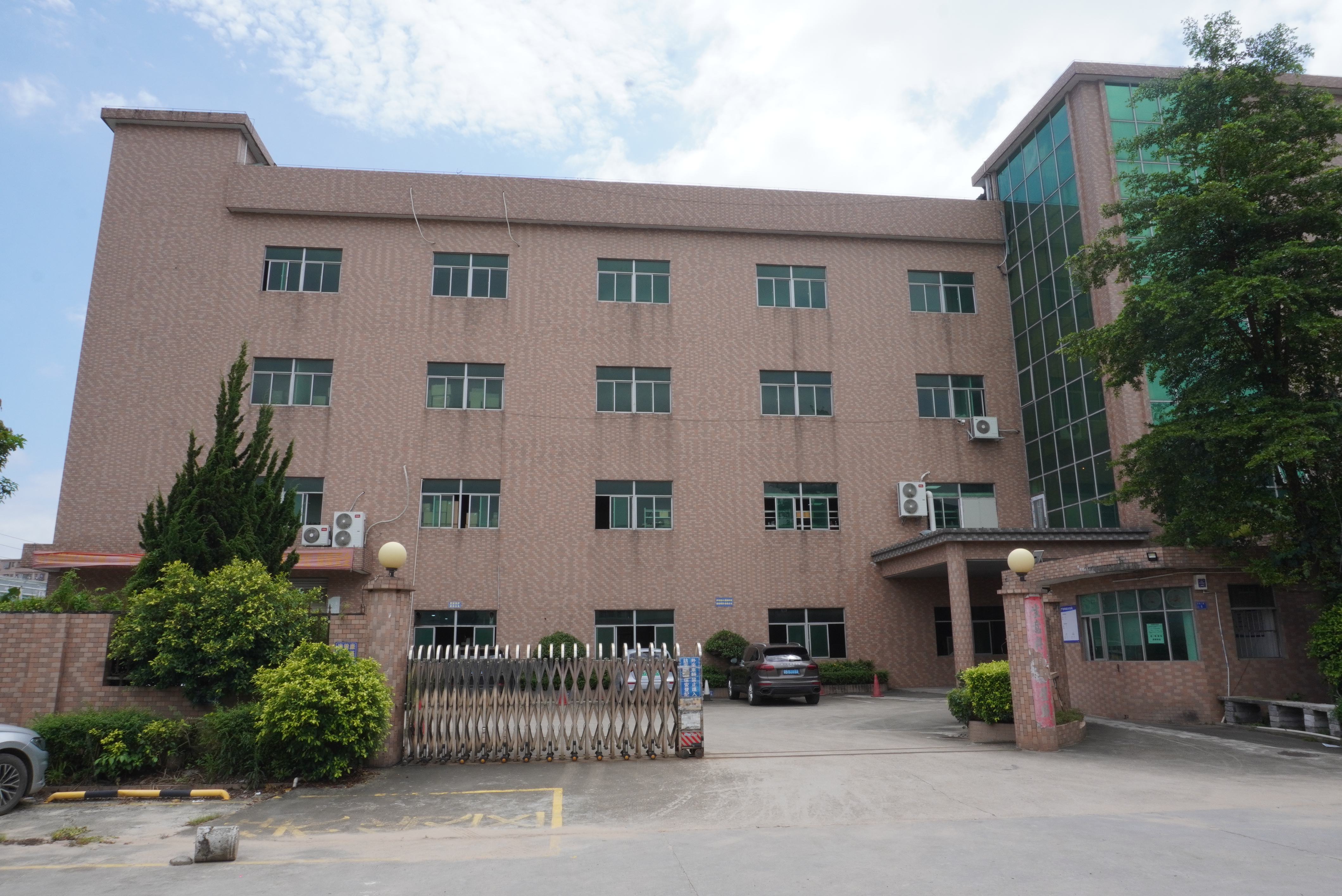
Dongguan Sanlixin Plastic Technology Co.,Ltd
Shenzhen Sanlixin Technology Co., Ltd. and Dongguan Sanlixin Plastic Technology Co., Ltd. is a manufacturer integrating precision plastic mold design, mold opening, single (double) color injection molding, IML injection molding processing, producing various single (double) color, IML process high-end appearance decorative structural parts, two-color buttons, USB dust plugs, panels and other plastic products, providing customers with fast, excellent, Midea all-round service, the company has 15 years of experience in precision plastic mold design, processing and production, with a variety of advanced machine injection molding equipment with excellent quality and fast service to win the trust and strong support of our customers.
How to Make Plastic Molds: A Comprehensive Guide to Advantages and Disadvantages
Plastic Molds: Revolutionizing Manufacturing with Pros and Cons