Comprehensive Verification Process for Plastic Mold Design After Completion
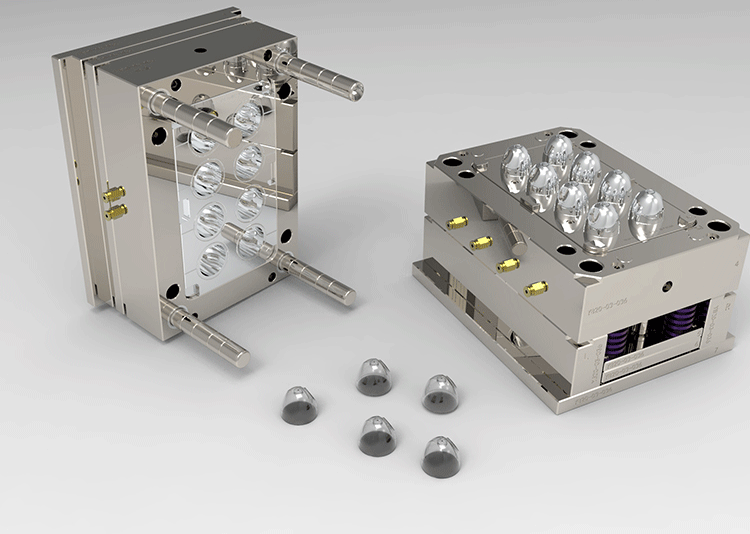
Plastic injection molds are critical for mass-producing high-quality plastic parts. Once the mold design is complete, thorough verification is essential to avoid costly errors, production delays, and defective parts. This article outlines the key verification steps to ensure mold functionality, durability, and efficiency.
1. Structural Integrity Verification
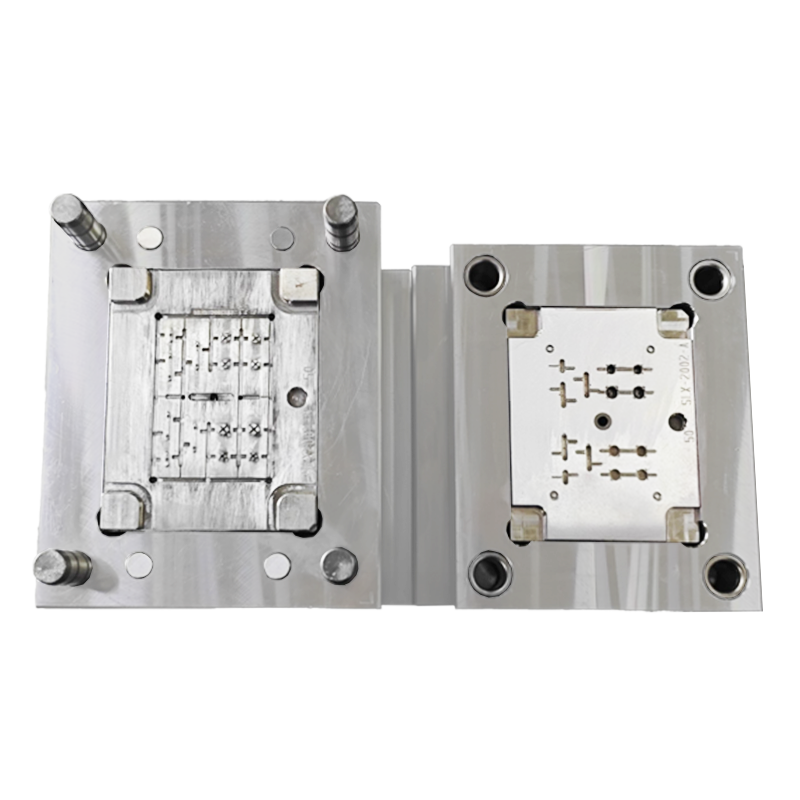
1.1 Core & Cavity Alignment Check
-
Ensures proper mating of mold halves to prevent flash or misalignment.
-
Verifies guide pins, bushings, and interlocks for smooth operation.
1.2 Ejection System Validation
-
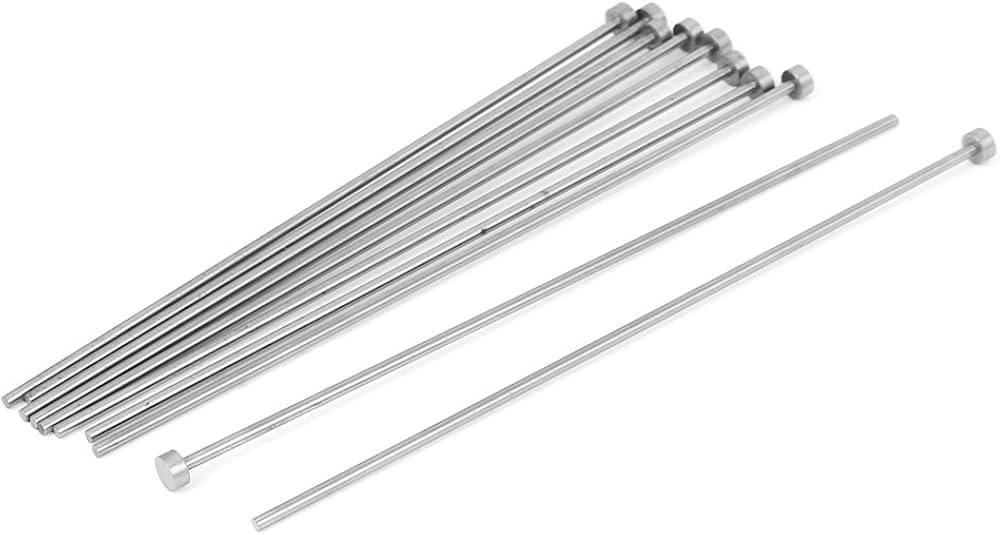
Confirms ejector pins, sleeves, and plates function smoothly.
-
Checks ejection stroke length and force to prevent part damage.
1.3 Cooling System Inspection
-
Validates uniform cooling channel layout to prevent warpage.
-
Ensures no leaks and optimal coolant flow for cycle time efficiency.
2. Part Design & Functional Verification
2.1 Dimensional Accuracy Assessment
-
Compares CAD models with actual mold dimensions.
-
Checks critical tolerances, wall thickness, and draft angles.
2.2 Gate & Runner System Confirmation
-
Ensures balanced filling in multi-cavity molds.
-
Validates gate location to avoid flow marks or jetting.
2.3 Shrinkage & Warpage Simulation
-
Uses Moldflow analysis to predict and compensate for material shrinkage.
-
Identifies potential warpage risks before production.
3. Manufacturing & Assembly Feasibility
3.1 Machinability Review
-
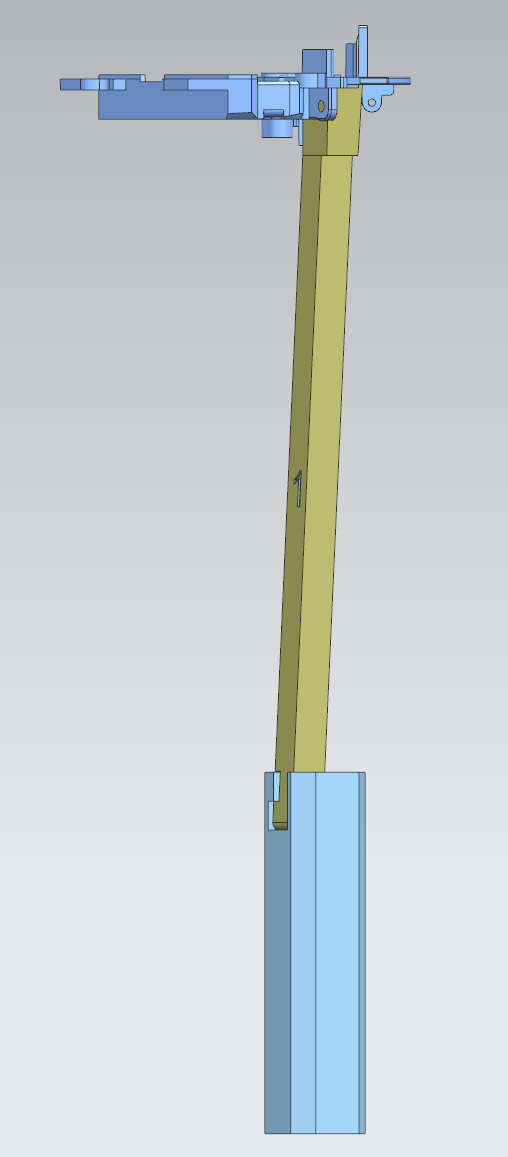
Confirms CNC tool paths and electrode designs for complex geometries.
-
Checks for undercuts requiring special machining.
3.2 Mold Assembly & Disassembly Test
-
Ensures easy assembly of inserts, sliders, and lifters.
-
Validates proper clamping force and alignment.
3.3 Maintenance & Durability Check
-
Assesses accessibility for cleaning and part replacement.
-
Confirms wear-resistant materials in high-stress areas.
4. Production Trial & Final Validation
4.1 T1 Mold Trial (First-Shot Test)
-
Conducts initial molding to check filling, packing, and cooling.
-
Identifies defects like short shots, sink marks, or flash.
4.2 Cycle Time Optimization
-
Adjusts injection speed, pressure, and cooling for efficiency.
-
Ensures stable production cycles for high-volume manufacturing.
4.3 Final Part Quality Inspection
-
Measures critical dimensions using CMM or 3D scanning.
-
Checks surface finish, cosmetic defects, and functional performance.
Conclusion: Why Verification Matters
A rigorous verification process minimizes production risks, reduces mold rework costs, and ensures high-quality plastic parts. By following these steps, manufacturers can achieve reliable, efficient, and defect-free injection molding.
Would you like further details on any specific verification stage? Let us know in the comments!
Key Takeaways:
✔ Ensures mold precision and functionality
✔ Reduces production errors and downtime
✔ Optimizes cycle time and part quality
✔ Critical for high-volume manufacturing success
This structured approach guarantees a smooth transition from mold design to mass production. Stay updated with the latest industry standards for optimal results!
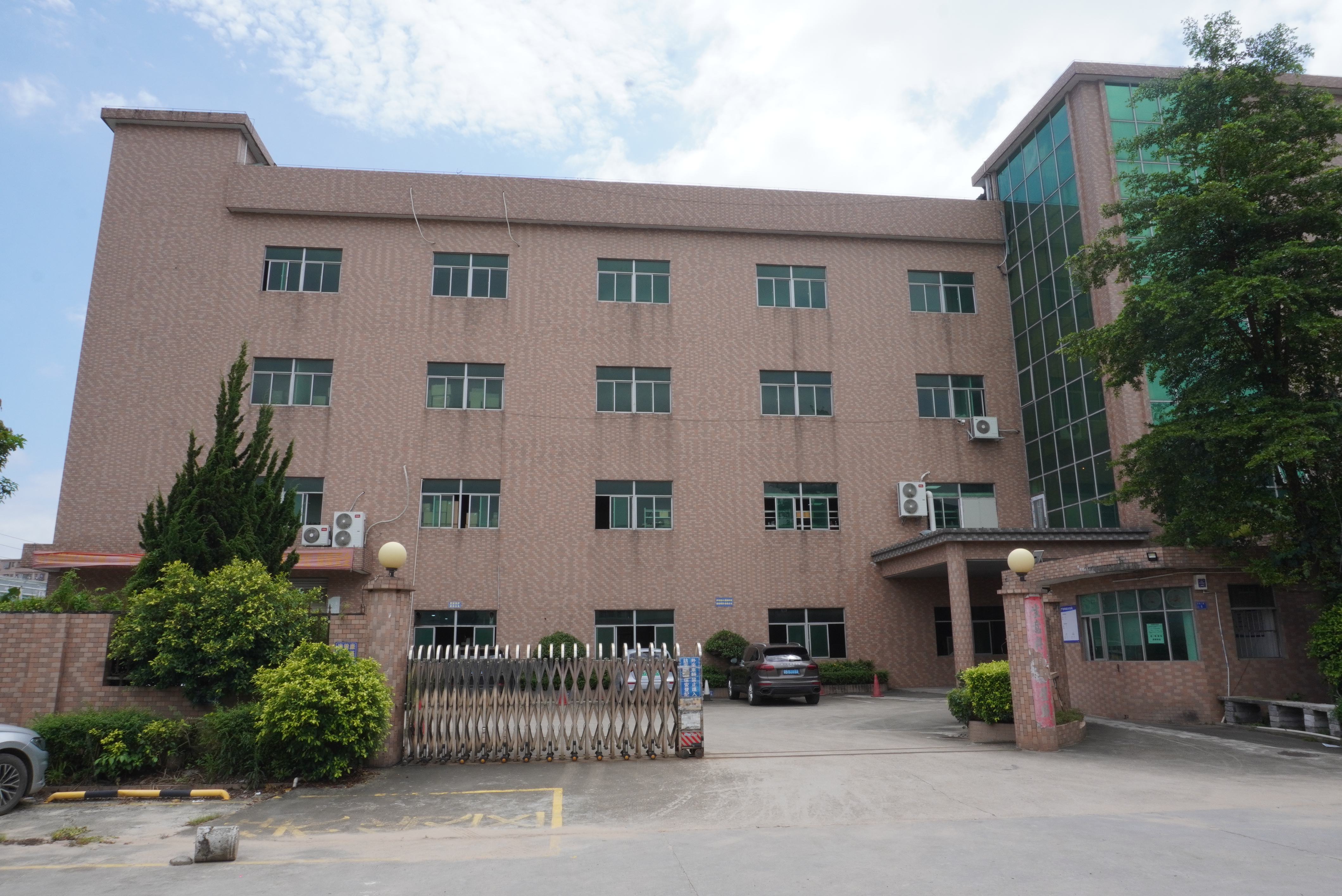
Dongguan Sanlixin Plastic Technology Co.,Ltd
Shenzhen Sanlixin Technology Co., Ltd. and Dongguan Sanlixin Plastic Technology Co., Ltd. is a manufacturer integrating precision plastic mold design, mold opening, single (double) color injection molding, IML injection molding processing, producing various single (double) color, IML process high-end appearance decorative structural parts, two-color buttons, USB dust plugs, panels and other plastic products, providing customers with fast, excellent, Midea all-round service, the company has 15 years of experience in precision plastic mold design, processing and production, with a variety of advanced machine injection molding equipment with excellent quality and fast service to win the trust and strong support of our customers.
Paint Spray for Plastic: Advantages and Limitations
Common Quality Problems in Two-Color Injection Molded Products