# PVC Injection Mold Selection Guide: From Resin Properties to Production Requirements, Choose the Right Mold to Avoid Detours
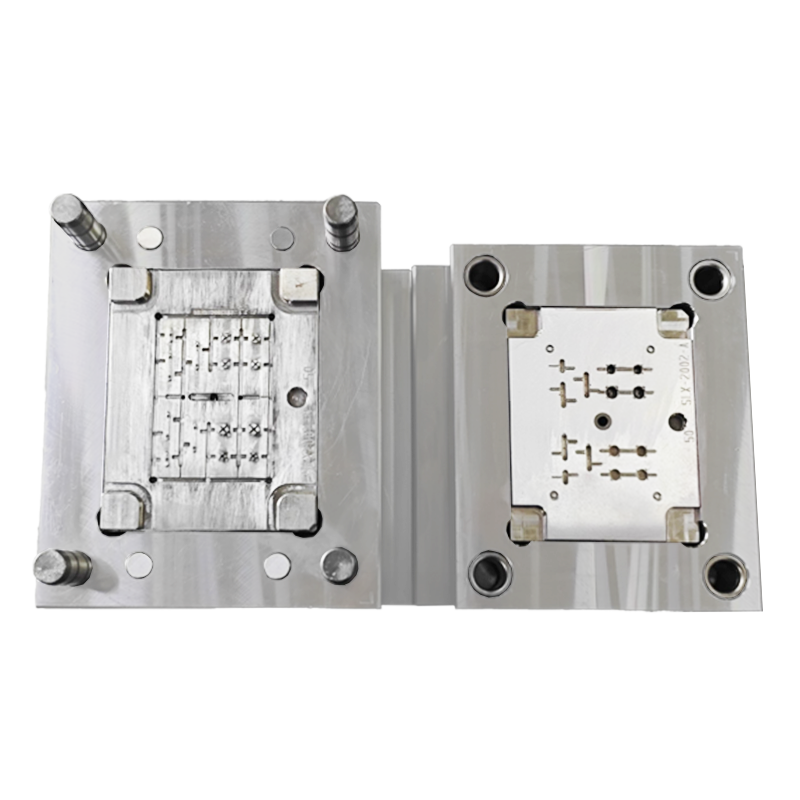
PVC injection molds are precision tools designed for shaping PVC resins into diverse parts (pipes, fittings, etc.), ensuring high dimensional accuracy and consistent product quality in mass production.
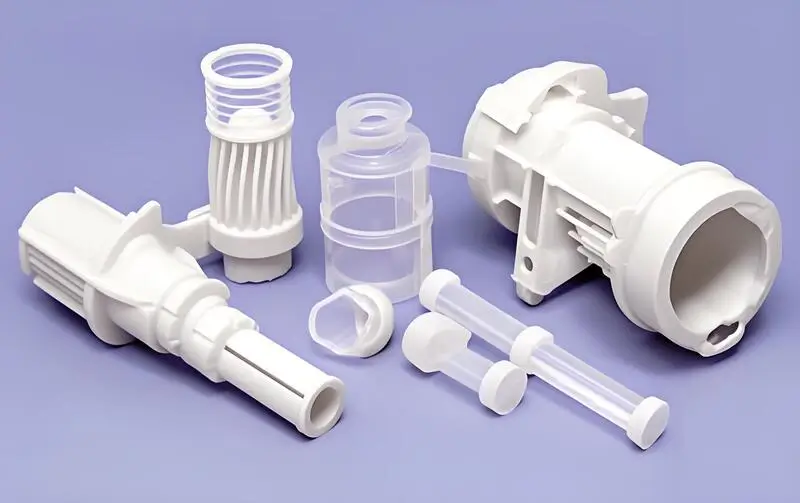
Table of Contents
1. Introduction to PVC Injection Molding and Mold Importance
2. Key PVC Resin Properties Affecting Mold Selection
2.1 Melt Flow Rate (MFR)
2.2 Thermal Stability
2.3 Hardness and Flexibility
2.4 Shrinkage Rate
3. Core Components of PVC Injection Molds and Their Selection Criteria
3.1 Mold Cavity and Core
-
Tool Steel (e.g., P20, 718H): These are pre-hardened steels with good hardness (typically 30-40 HRC) and wear resistance. They are suitable for medium to high production volumes (up to 1 million parts) and are cost-effective for most PVC applications. P20 is a general-purpose tool steel, while 718H has higher hardness and better polishability, making it suitable for parts requiring a high-quality surface finish.
-
HSS (High-Speed Steel, e.g., M2): HSS has higher hardness (58-62 HRC) and wear resistance than tool steel, making it suitable for high-production volumes (over 1 million parts) or for PVC formulations containing abrasive fillers (e.g., calcium carbonate). However, HSS is more expensive and less machinable than tool steel.
-
Stainless Steel (e.g., 420, 316): Stainless steel is corrosion-resistant, which is beneficial for PVC molding applications where corrosive by-products (like HCl) may be present. 420 stainless steel has good hardness and polishability, while 316 stainless steel offers superior corrosion resistance but lower hardness. Stainless steel is often used for medical or food-grade PVC products where hygiene and corrosion resistance are critical.
3.2 Gate System
3.2.1 Sprue
3.2.2 Runners
3.2.3 Gates
-
Edge Gate: This is the most common gate type, located at the edge of the part. It is easy to design and machine, and suitable for most PVC parts with simple geometries. The gate size (width and thickness) should be 5-10% of the part wall thickness, with a typical thickness of 0.5-2 mm.
-
Submarine Gate (Tunnel Gate): A submarine gate is located below the part surface, allowing the gate to be automatically sheared off during part ejection. This eliminates the need for post-molding gate trimming, making it suitable for high-volume production. It is often used for small PVC parts or parts with strict surface finish requirements.
-
Pin Gate: A pin gate is a small, circular gate (diameter 0.3-1 mm) located at the center of the part or on a protrusion. It provides precise control over the flow of molten PVC and minimizes gate marks on the part surface. However, it may cause high shear stress, so it is suitable for PVC resins with good thermal stability and high MFR.
-
Hot Runner Gate: In a hot runner system, the runner and gate are kept hot to maintain the PVC in a molten state, eliminating the need for runner removal. This reduces material waste and increases production efficiency. Hot runner gates are suitable for high-volume production of PVC parts, especially those with large runner volumes. However, hot runner systems are more expensive and require careful temperature control to prevent PVC degradation.
3.3 Cooling System
3.4 Venting System
3.5 Ejection System
-
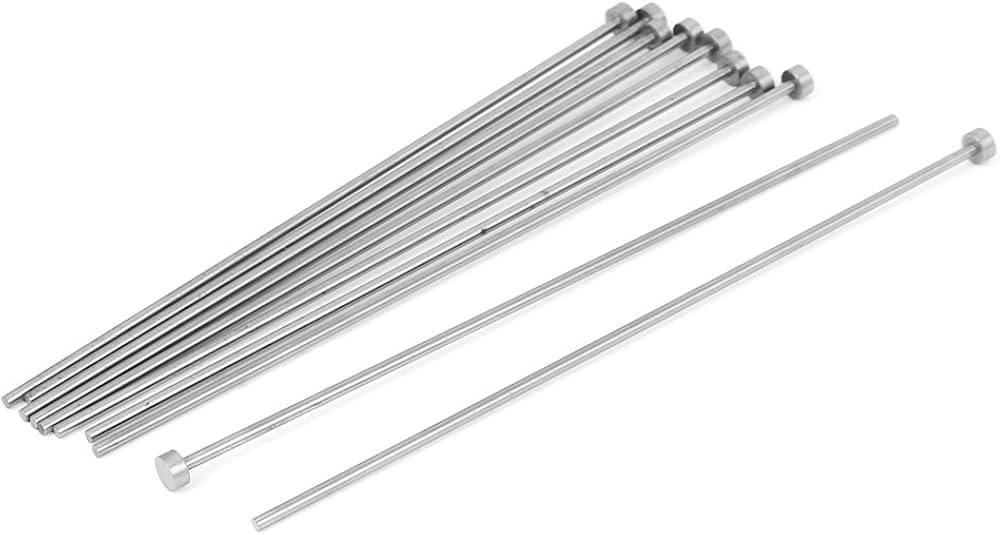
Ejector Pins: Ejector pins are the most common ejection component, consisting of cylindrical pins that push the part off the core. The number and location of ejector pins should be chosen to distribute the ejection force evenly, preventing part deformation or damage. For rigid PVC parts, more ejector pins may be needed to avoid cracking. The diameter of the ejector pins is typically 3-10 mm, and they should be placed in areas of the part with sufficient wall thickness (at least 1.5 times the pin diameter) to prevent sinking marks.
-
Ejector Sleeves: Ejector sleeves are used for parts with cylindrical holes or bosses. They fit around the core pin and provide a larger ejection area, reducing the risk of damage to the part. Ejector sleeves are particularly suitable for flexible PVC parts, which may be more prone to tearing with ejector pins.
-
Stripper Plates: A stripper plate is a flat plate that moves parallel to the mold opening direction, stripping the part off the core. It is suitable for parts with complex geometries, large surface areas, or no suitable locations for ejector pins. Stripper plates provide uniform ejection force and minimize part damage.
4. Matching Mold Selection with Production Requirements
4.1 Production Volume
-
Prototype/ Low-Volume Molds (up to 10,000 parts): For prototype or low-volume production, cost-effective molds made from materials like aluminum or pre-hardened tool steel (P20) are suitable. Aluminum molds are lightweight, have good thermal conductivity, and are easy to machine, making them ideal for rapid prototyping. However, they have lower wear resistance and may not be suitable for high-volume production. Single-cavity molds are often used for low-volume production to minimize upfront costs.
-
Medium-Volume Molds (10,000-100,000 parts): Medium-volume production requires molds with better durability. Pre-hardened tool steels (P20, 718H) are commonly used, as they offer a balance of wear resistance and cost. Multi-cavity molds may be considered to increase production efficiency, reducing the number of cycles needed to meet the production volume. Hot runner systems may also be used for medium-volume production to reduce material waste.
-
High-Volume Molds (over 100,000 parts): High-volume production demands molds with excellent wear resistance and long service life. Hardened tool steels (HSS, 420 stainless steel) or even carbide materials are used for the cavity and core. Multi-cavity molds with hot runner systems are standard to maximize production output. Additionally, the mold may include features such as automatic part ejection, quick-change inserts, and advanced cooling systems to minimize cycle time and reduce downtime.
4.2 Part Quality Specifications
4.3 Lead Time
4.4 Automation Compatibility
5. Common Problems in PVC Injection Molding and Mold-Related Solutions
5.1 Short Shots
-
Inadequate gate size or runner diameter, restricting the flow of molten PVC.
-
Poor venting, causing air traps that prevent complete cavity filling.
-
Insufficient cooling channel design, leading to premature solidification of the PVC.
5.2 Flash
-
Poor mold parting line fit, allowing molten PVC to escape.
-
Excessive vent depth, enabling PVC to flow out of the vents.
-
Worn mold components (e.g., cavity, core) leading to gaps.
5.3 Warping
-
Uneven cooling channels, leading to non-uniform shrinkage.
-
Inadequate draft angles, causing uneven ejection forces.
-
Asymmetrical part geometry, which results in uneven stress distribution.
5.4 Burn Marks
-
Inadequate venting, leading to trapped air that ignites under high pressure and temperature.
-
Excessive residence time of molten PVC in the mold, causing thermal degradation.
5.5 Sink Marks
-
Inadequate cooling in thick-walled areas, leading to slow solidification and increased shrinkage.
-
Poor placement of ejector pins, causing localized pressure that results in sinking.
6. Mold Material Selection for PVC Injection Molding
6.1 Key Factors in Mold Material Selection
-
Wear Resistance: Mold materials must resist wear caused by the repeated flow of molten PVC and the ejection of solidified parts. Wear resistance is particularly important for high-volume production, where the mold will be subjected to thousands or millions of cycles. Materials with higher hardness typically have better wear resistance.
-
Corrosion Resistance: PVC decomposition releases HCl, which is a corrosive gas that can attack mold materials over time. Corrosion can cause surface degradation, leading to poor part surface finish and reduced mold life. Mold materials with good corrosion resistance are essential for PVC molding, especially when processing PVC at high temperatures or with high plasticizer content.
-
Thermal Conductivity: Good thermal conductivity allows the mold to dissipate heat efficiently, reducing cycle time and ensuring uniform cooling of the PVC part. Materials with high thermal conductivity are beneficial for parts with thick walls or complex geometries that require rapid cooling.
-
Machinability: Mold materials should be easy to machine into the desired cavity and core shapes, including intricate details. Machinability affects the mold's production lead time and cost. Materials that are too hard or brittle may be difficult to machine, increasing manufacturing costs.
-
Cost: Mold material cost is a significant portion of the total mold cost. Manufacturers must balance performance requirements with cost considerations, selecting a material that meets their production needs without exceeding their budget.
6.2 Commonly Used Mold Materials for PVC Injection Molding
6.2.1 Tool Steels
-
P20: P20 is a pre-hardened tool steel (hardness 30-35 HRC) with good machinability and wear resistance. It is suitable for medium-volume production (up to 500,000 parts) and is cost-effective for most PVC applications. P20 has moderate thermal conductivity and can be polished to a good surface finish.

Dongguan Sanlixin Plastic Technology Co.,Ltd
Shenzhen Sanlixin Technology Co., Ltd. and Dongguan Sanlixin Plastic Technology Co., Ltd. is a manufacturer integrating precision plastic mold design, mold opening, single (double) color injection molding, IML injection molding processing, producing various single (double) color, IML process high-end appearance decorative structural parts, two-color buttons, USB dust plugs, panels and other plastic products, providing customers with fast, excellent, Midea all-round service, the company has 15 years of experience in precision plastic mold design, processing and production, with a variety of advanced machine injection molding equipment with excellent quality and fast service to win the trust and strong support of our customers.
Handle Grips Buying Guide: Choose the right one and say goodbye to hand fatigue when using tools, cycling, or working out!
From Traditional Moxibustion to Tech: How Today’s Moxibustion Instruments Simplify Self-Care