H1: Custom Plastic Molding Cost: A Comprehensive Guide to Its Importance, Advantages, and Material Comparisons
Custom plastic molding cost varies based on part complexity, material type, production volume, and tooling expenses. Simple low-volume parts may cost $500–$5,000, while complex high-volume projects can exceed $10,000.
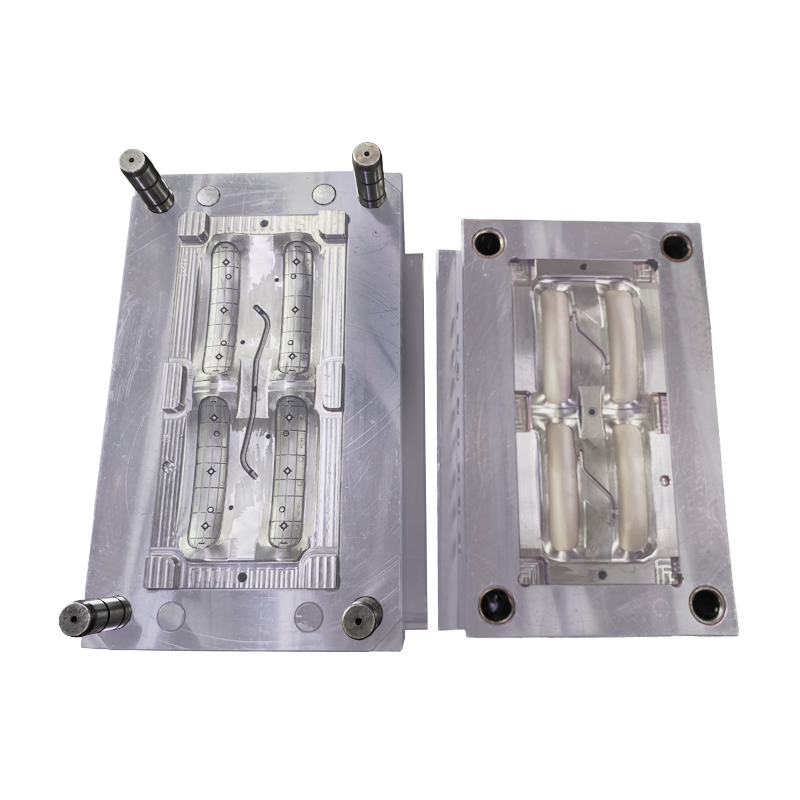
Table of Contents
- 1. Introduction: The Role of Custom Plastic Molding in Modern Manufacturing
- 2. Understanding the Importance of Custom Plastic Molding Cost in the Industry
- 3. Key Factors Influencing Custom Plastic Molding Cost
- 4. Custom Plastic Molding Cost vs. Other Materials: A Comparative Analysis
- 5. Core Advantages of Optimizing Custom Plastic Molding Cost
- 6. Practical Strategies to Control and Reduce Custom Plastic Molding Cost
- 7. Conclusion: Why Custom Plastic Molding Cost Matters for Your Business
- 8. About Dongguan Sanlixin Plastic Technology Co.,Ltd
Introduction: The Role of Custom Plastic Molding in Modern Manufacturing
Custom plastic molding has become a cornerstone of manufacturing across industries—from automotive and electronics to medical devices and consumer goods. Its ability to produce complex, high-precision parts in large or small batches makes it indispensable. However, one factor stands out as a make-or-break consideration for businesses: custom plastic molding cost.
Understanding how this cost is calculated, its impact on project viability, and how it compares to alternative materials is critical for making informed decisions. This guide breaks down the importance of custom plastic molding cost, key factors that shape it, and why optimizing it can give your business a competitive edge.
Understanding the Importance of Custom Plastic Molding Cost in the Industry
Custom plastic molding cost is not just a line item in a budget—it is a strategic metric that influences every stage of product development and market success. Its importance stems from three core reasons:
1. Budget Alignment and Project Viability
Every manufacturing project starts with a budget. Uncontrolled custom plastic molding cost can lead to cost overruns, delayed timelines, or even project cancellation. By accurately estimating and managing this cost, businesses ensure that products remain financially feasible, from prototyping to mass production.
2. Competitive Pricing in the Market
In crowded markets, product pricing directly affects customer choices. A well-managed custom plastic molding cost allows businesses to set competitive prices while maintaining profit margins. For example, if two companies offer similar plastic components, the one with lower molding costs can undercut competitors or invest more in product quality.
3. Decision-Making for Material and Design Choices
Custom plastic molding cost guides critical decisions about material selection and part design. For instance, a high-cost engineering plastic might be necessary for a medical device, but a lower-cost commodity plastic could work for a consumer toy. Cost insights help balance performance needs with financial constraints, avoiding over-engineering or unnecessary expenses.
Key Factors Influencing Custom Plastic Molding Cost
Several variables determine the final custom plastic molding cost, and understanding them is the first step to optimization. Below are the most impactful factors:
1. Material Selection
Plastic materials range from low-cost commodity plastics (e.g., polyethylene, polypropylene) to high-performance engineering plastics (e.g., PEEK, nylon). The cost per pound can vary by 500% or more. For example, commodity plastics might cost $1–$3 per pound, while engineering plastics can exceed $10 per pound. The choice depends on the part’s required strength, temperature resistance, and chemical compatibility.
2. Mold Design and Complexity
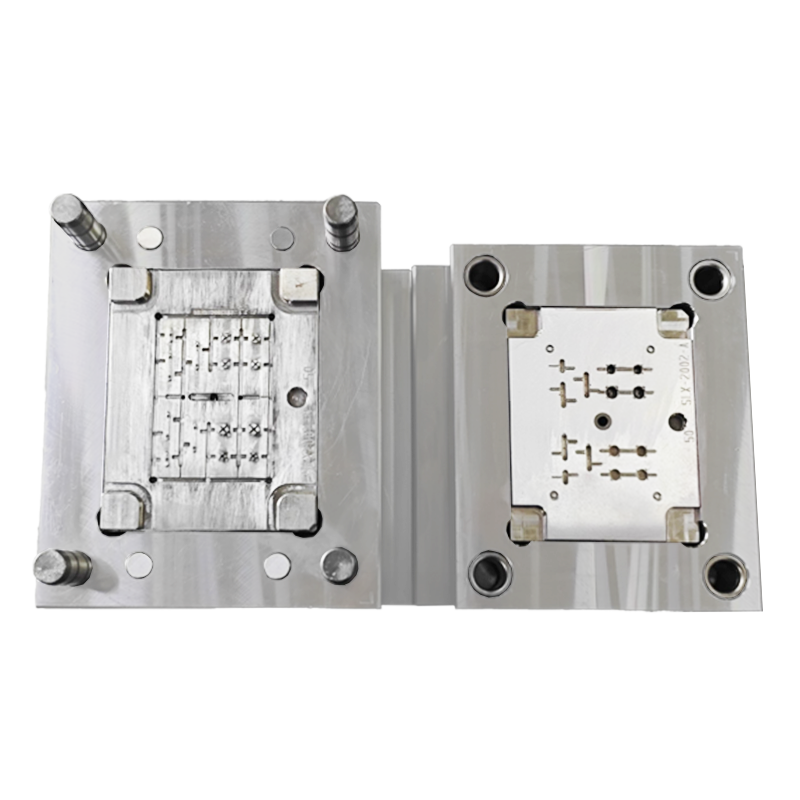
The tooling cost (cost of creating the mold) is a major component of custom plastic molding. Simple molds with basic shapes cost less, while complex molds with undercuts, threads, or multiple cavities require more engineering and machining, driving up costs. Additionally, mold material (e.g., aluminum for low-volume runs vs. steel for high-volume, durable molds) impacts upfront expenses.
3. Production Volume
Custom plastic molding cost benefits significantly from economies of scale. Small batches (100–1,000 parts) spread the high tooling cost across fewer units, increasing the per-unit cost. Large batches (10,000+ parts) reduce the per-unit cost as tooling expenses are amortized over more units. For example, a mold costing $5,000 would add $50 per part for 100 units but only $0.50 per part for 10,000 units.
Custom Plastic Molding Cost vs. Other Materials: A Comparative Analysis
To fully appreciate the value of custom plastic molding cost, it’s essential to compare it with alternative manufacturing materials. The table below highlights key differences, with a focus on cost and performance:
| Material | Custom Plastic Molding | Metal Fabrication | Ceramic Molding | Wood Processing |
|---|---|---|---|---|
| Upfront Cost | Moderate (mold tooling: $1,000–$50,000+) | Low to High (depends on cutting/welding tools) | High (ceramic molds are brittle and expensive) | Low (basic saws, drills) |
| Per-Unit Cost | Low (especially for high volume: $0.50–$10/part) | High (labor-intensive: $5–$50/part) | Very High (slow production: $20–$100+/part) | Moderate ($2–$20/part, but limited complexity) |
| Weight | Lightweight (reduces shipping costs) | Heavy (increases shipping and assembly costs) | Heavy | Moderate |
| Design Flexibility | High (complex shapes, undercuts, colors) | Low (limited to simple shapes; welding adds constraints) | Low (brittle, hard to mold complex shapes) | Low (grain and strength limit intricate designs) |
| Durability | Good (resistant to corrosion, impact) | Excellent (high strength, but prone to rust) | Excellent (heat/corrosion resistant, but brittle) | Poor (prone to warping, rot, and insect damage) |
4.1 Custom Plastic Molding vs. Metal Fabrication
Metal fabrication (e.g., machining, welding) has lower upfront tooling costs but higher per-unit labor costs. For high-volume parts, custom plastic molding cost is far more economical—metal parts can cost 5–10x more per unit for large runs. Additionally, plastic’s lightweight nature reduces shipping and assembly costs, further lowering total project expenses.
4.2 Custom Plastic Molding vs. Ceramic Molding
Ceramic molding offers exceptional heat and corrosion resistance but is prohibitively expensive for most applications. Ceramic molds are brittle and require slow production cycles, making per-unit costs 2–10x higher than custom plastic molding cost. Plastic is a better choice for cost-sensitive projects that don’t require extreme temperature resistance.
4.3 Custom Plastic Molding vs. Wood Processing
Wood processing has low upfront costs but lacks design flexibility and durability. While small wooden parts may have similar per-unit costs, custom plastic molding cost becomes more competitive for complex or high-volume parts. Plastic also avoids wood’s issues with warping and rot, reducing long-term replacement costs.
Core Advantages of Optimizing Custom Plastic Molding Cost
Beyond direct cost savings, optimizing custom plastic molding cost delivers strategic advantages that boost business performance:
1. Economic Efficiency for All Production Scales
Whether you need 100 prototypes or 100,000 mass-produced parts, custom plastic molding cost can be tailored to your needs. Aluminum molds work for low-volume runs (reducing upfront costs), while steel molds lower per-unit costs for high-volume production. This flexibility ensures efficiency across all project stages.
2. Predictable Cost Structures
Unlike labor-intensive processes (e.g., metal fabrication), custom plastic molding cost is highly predictable. Once the mold is designed and material is selected, the per-unit cost remains stable—there are no surprise labor expenses. This predictability makes budgeting and pricing easier for businesses.
3. Long-Term Cost Savings
Plastic parts are durable, corrosion-resistant, and low-maintenance, reducing replacement and repair costs over time. For example, a plastic automotive component may last the vehicle’s lifetime, while a metal component might rust and require replacement. Additionally, plastic’s lightweight design cuts shipping costs by 20–50% compared to metal.
Practical Strategies to Control and Reduce Custom Plastic Molding Cost
Managing custom plastic molding cost doesn’t mean cutting corners—it means making smart choices. Here are three actionable strategies:
1. Optimize Part Design for Molding
Simplify designs to reduce mold complexity. Avoid unnecessary undercuts, threads, or tight tolerances unless they’re critical for performance. For example, a part with a single cavity mold costs less than one with a multi-cavity mold. Working with a molding expert early in the design phase can identify cost-saving opportunities.
2. Choose the Right Material for the Job
Don’t overspecify materials. Use commodity plastics (e.g., polypropylene) for non-critical parts instead of expensive engineering plastics. For example, a plastic toy doesn’t need heat-resistant PEEK—polyethylene works just as well and costs a fraction of the price.
3. Plan Production Volume Strategically
If demand is uncertain, start with a low-volume run using an aluminum mold to test the market. Once demand is confirmed, switch to a steel mold for high-volume production to lower per-unit costs. This phased approach minimizes risk while optimizing custom plastic molding cost.
Conclusion: Why Custom Plastic Molding Cost Matters for Your Business
Custom plastic molding cost is more than a financial metric—it’s a strategic tool that shapes product viability, market competitiveness, and long-term profitability. By understanding its importance, key influencing factors, and advantages over alternative materials, businesses can make informed decisions that balance cost, performance, and design flexibility.
Whether you’re producing medical devices, automotive components, or consumer goods, optimizing custom plastic molding cost ensures that you deliver high-quality products at competitive prices. With the right strategies and partners, custom plastic molding becomes not just a manufacturing process, but a driver of business success.
About Dongguan Sanlixin Plastic Technology Co.,Ltd
Dongguan Sanlixin Plastic Technology Co.,Ltd is a leading provider of custom plastic molding solutions, dedicated to delivering high-quality, cost-effective products for global clients. With years of experience in the industry, we specialize in custom plastic molding, mold design and manufacturing, and precision injection molding for sectors including automotive, electronics, medical, and consumer goods.
Our team of engineering experts works closely with clients to optimize custom plastic molding cost—from material selection and design refinement to production planning—ensuring that every project meets performance requirements while staying within budget. We use advanced equipment and strict quality control processes to guarantee consistency and reliability in every part we produce.
Whether you need a small batch of prototypes or large-scale mass production, Dongguan Sanlixin Plastic Technology Co.,Ltd is your trusted partner for all custom plastic molding needs.

Dongguan Sanlixin Plastic Technology Co.,Ltd
Shenzhen Sanlixin Technology Co., Ltd. and Dongguan Sanlixin Plastic Technology Co., Ltd. is a manufacturer integrating precision plastic mold design, mold opening, single (double) color injection molding, IML injection molding processing, producing various single (double) color, IML process high-end appearance decorative structural parts, two-color buttons, USB dust plugs, panels and other plastic products, providing customers with fast, excellent, Midea all-round service, the company has 15 years of experience in precision plastic mold design, processing and production, with a variety of advanced machine injection molding equipment with excellent quality and fast service to win the trust and strong support of our customers.
The Essential Guide to Plastic Injection Insert Molding: Why It’s a Game-Changer in Manufacturing
Why Plastic Mold Polishing Is Non-Negotiable for High-Quality Plastic Parts: Benefits, Comparisons, and Best Practices