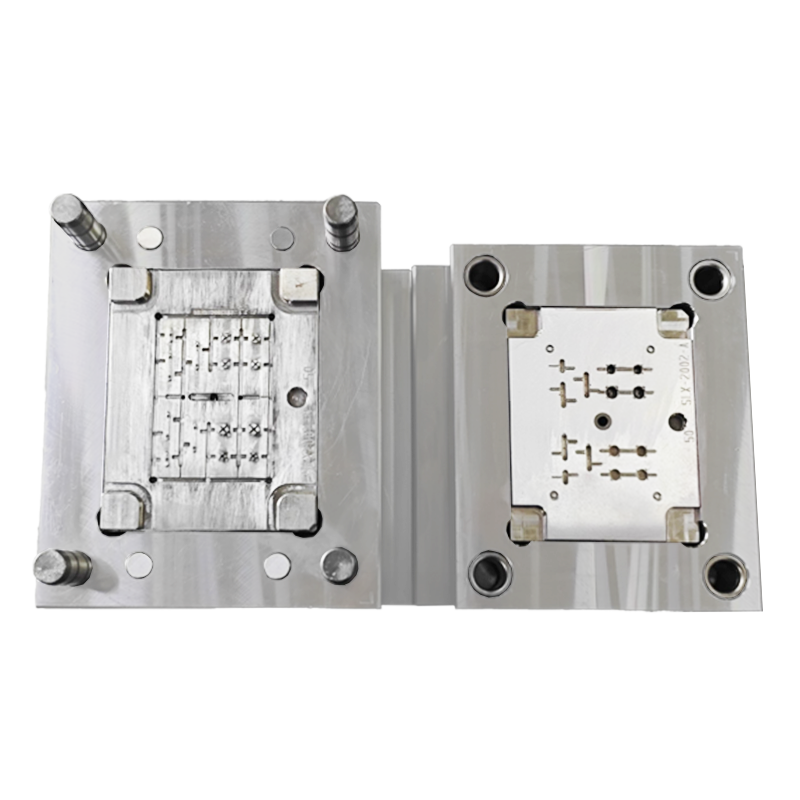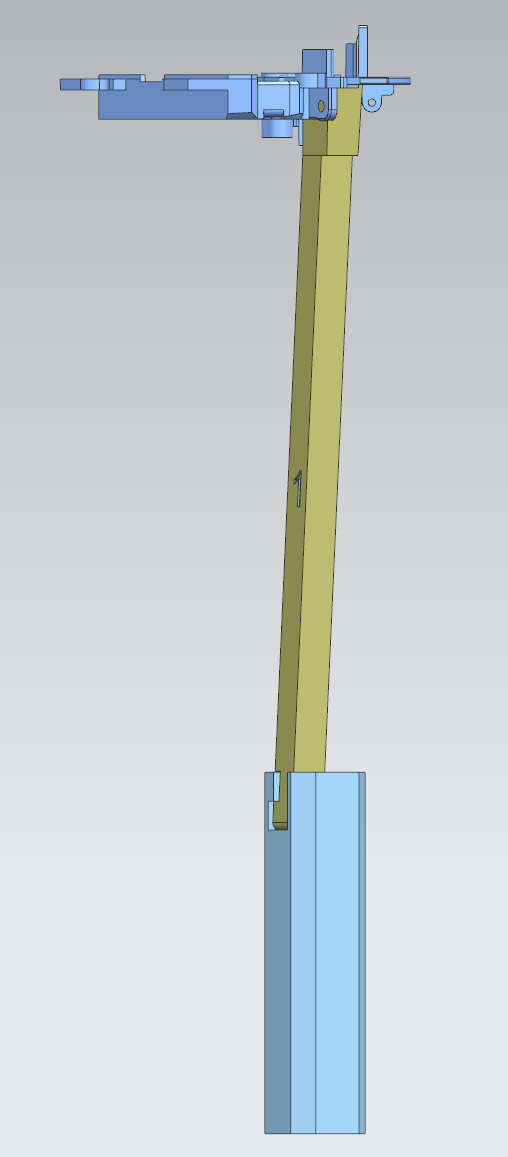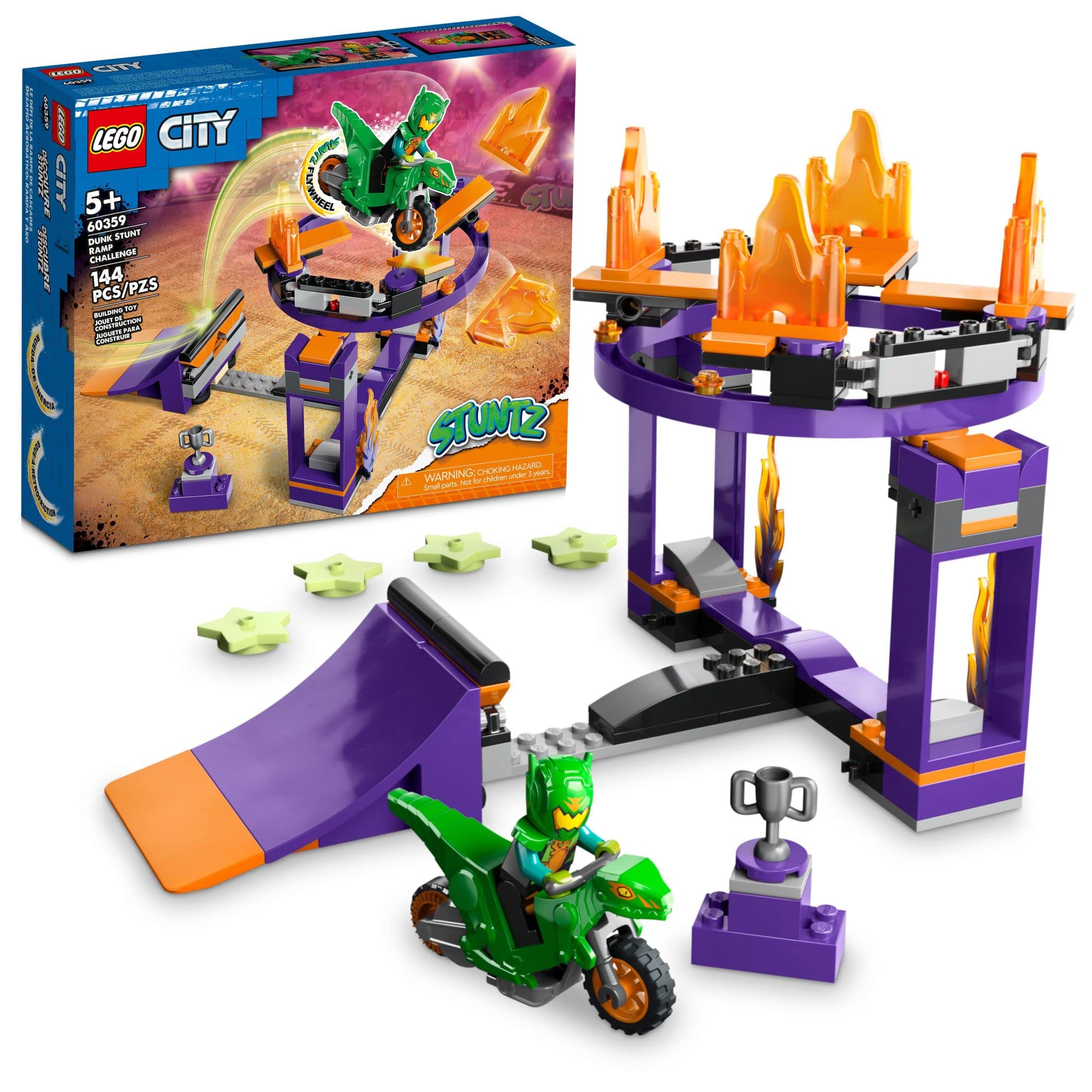
Understand the principles of custom mold making
Understand the principles of custom mold making
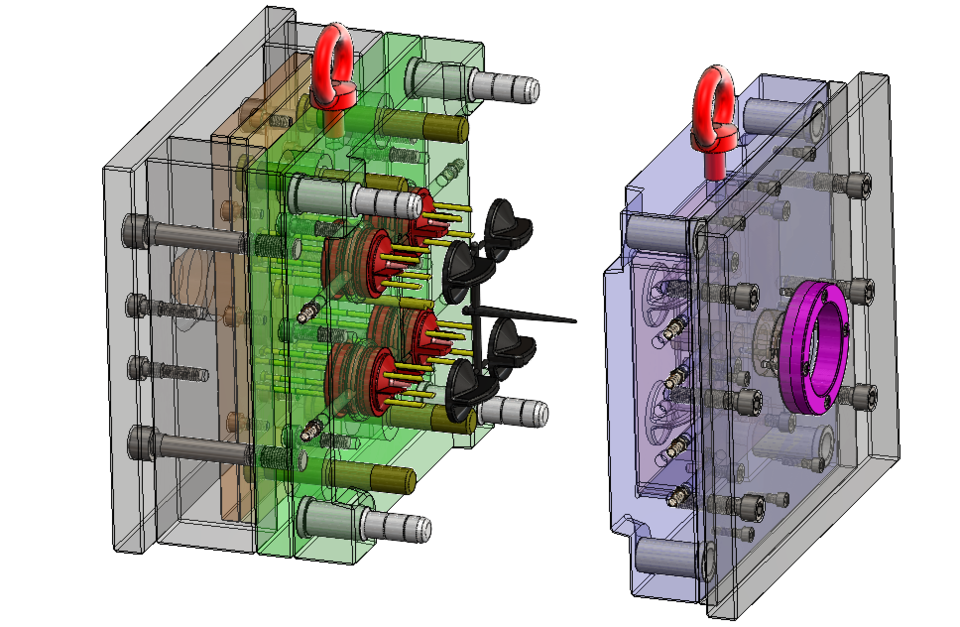
Design Considerations for Custom Molds
-
Part Design:
-
Ensure the part design is moldable (e.g., proper draft angles, wall thickness, and no undercuts).
-
-
Material Selection:
-
Choose a mold material that matches the production volume, part material, and required precision.
-
-
Tolerances:
-
Define tight tolerances for critical dimensions to ensure part accuracy.
-
-
Surface Finish:
-
Specify the desired surface finish (e.g., polished, textured, or matte).
-
-
Mold Flow Analysis:
-
Use software to simulate the flow of material in the mold to identify potential issues like air traps or weld lines.
-
-
Cooling System Design:
-
Optimize cooling channels to reduce cycle time and prevent warping.
-
-
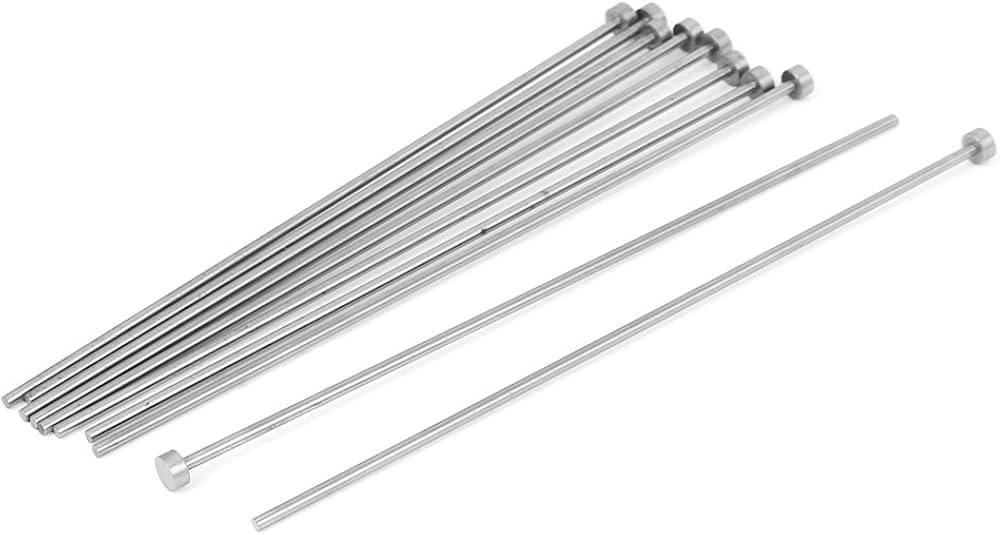
Ejection System:
-
Design an efficient ejection system to avoid part damage during removal.
-
Types of Custom Molds
-
-
Produces one part per cycle. Ideal for low-volume production or large parts.
-
-
-
Produces multiple identical parts per cycle. Suitable for high-volume production.
-
-
Family Mold:
-
Produces multiple different parts in a single cycle. Often used for assembling components that fit together.
-
-
-
Uses a heated manifold to keep the plastic molten in the runners, reducing waste and cycle time.
-
-
-
The runners cool and solidify along with the part, requiring trimming after ejection.
-
-
Two-Shot Mold:
-
Used for overmolding or creating parts with multiple materials or colors in a single cycle.
-
-
Insert Mold:
-
Allows for the inclusion of metal or other components (inserts) during the molding process.
-
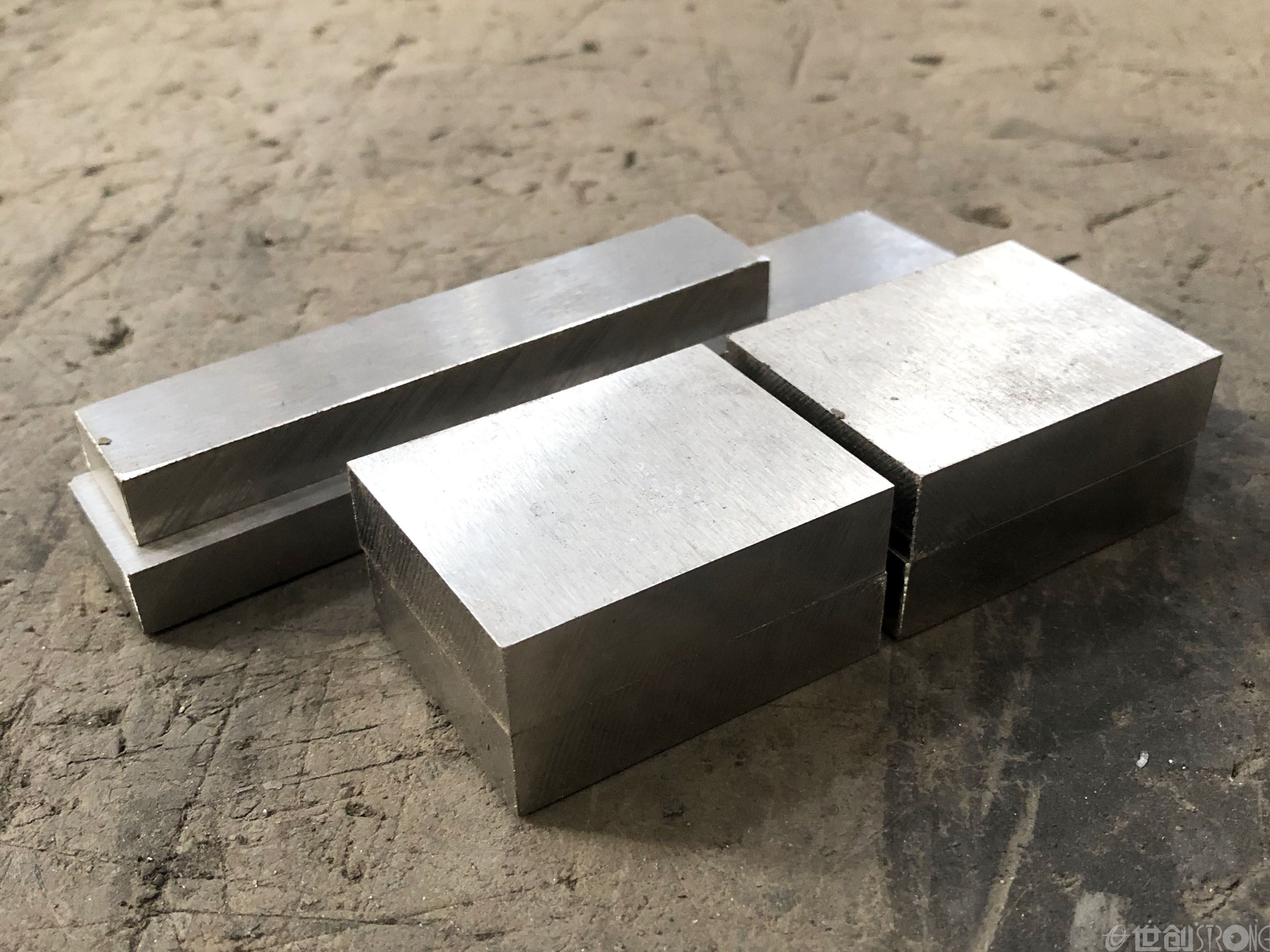
Materials Used for Custom Molds
-
Tool Steel:
-
Durable and wear-resistant. Common grades include P20, H13, and S7.
-
Used for high-volume production.
-
-
Aluminum:
-
Lighter and cheaper than steel, but less durable.
-
Ideal for prototyping or low-volume production.
-
Advantages of Custom Molds
-
High Precision: Produces parts with tight tolerances and consistent quality.
-
Scalability: Suitable for both prototyping and mass production.
-
Customization: Tailored to specific part designs and requirements.
-
Efficiency: Reduces material waste and labor costs in high-volume production.
Disadvantages of Custom Molds
-
High Initial Cost: Custom molds can be expensive to design and manufacture.
-
Lead Time: Mold creation can take weeks or months, depending on complexity.
-
Design Limitations: Part design must be optimized for moldability.
Cost Factors for Custom Molds
-
Mold Complexity: More complex designs require more time and resources.
-
Material: Steel molds are more expensive than aluminum.
-
Size: Larger molds cost more due to increased material and machining requirements.
-
Surface Finish: Polished or textured finishes add to the cost.
-
Production Volume: High-volume molds may require more durable materials and additional features.
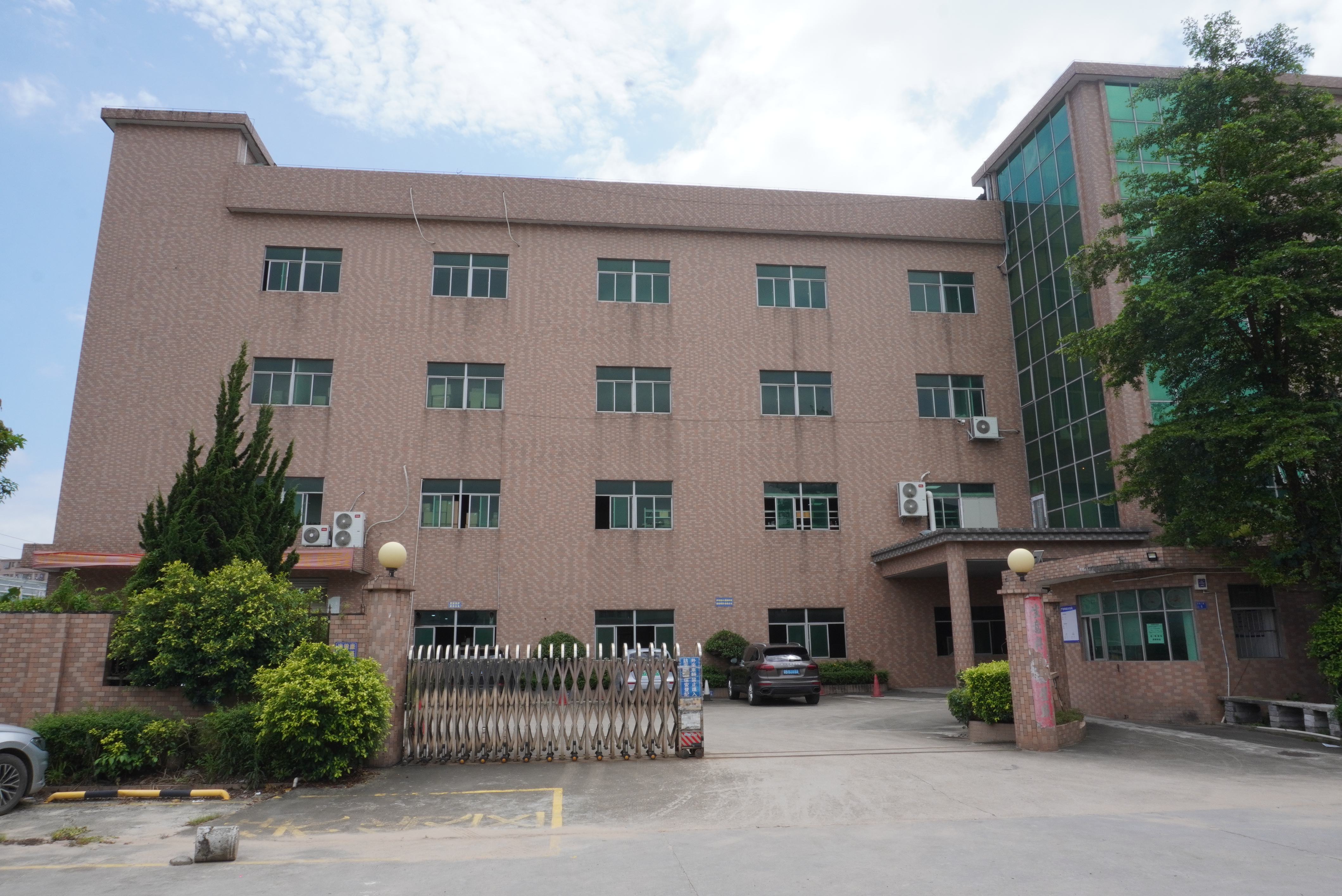
Dongguan Sanlixin Plastic Technology Co.,Ltd
Shenzhen Sanlixin Technology Co., Ltd. and Dongguan Sanlixin Plastic Technology Co., Ltd. is a manufacturer integrating precision plastic mold design, mold opening, single (double) color injection molding, IML injection molding processing, producing various single (double) color, IML process high-end appearance decorative structural parts, two-color buttons, USB dust plugs, panels and other plastic products, providing customers with fast, excellent, Midea all-round service, the company has 15 years of experience in precision plastic mold design, processing and production, with a variety of advanced machine injection molding equipment with excellent quality and fast service to win the trust and strong support of our customers.
What is the injection molding machine mold?
Common Types of Plastic for Injection Molding