Overmoulding Design Best Practices: Achieving Optimal Results
Overmoulding Design Best Practices: Achieving Optimal Results
Introduction to Overmoulding
Overmoulding is a manufacturing process that involves moulding a substrate material with a second material to create a single, unified product. This technique is widely used across various industries to enhance product functionality, durability, and aesthetics. By combining different materials, manufacturers can achieve products with improved grip, shock absorption, and resistance to environmental factors.
Key Applications of Overmoulding
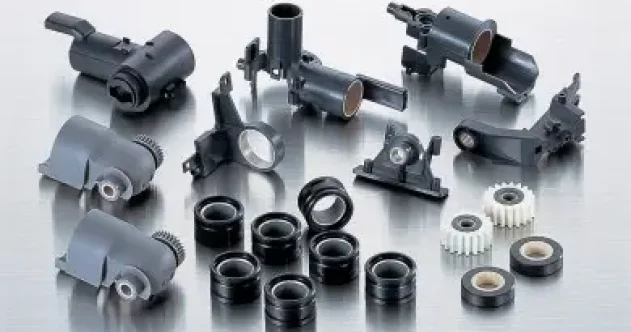
Overmoulding is utilized in a multitude of applications, including but not limited to:
- Consumer Electronics: Enhancing the ergonomics and durability of devices such as smartphones, tablets, and remote controls.
- Medical Devices: Creating comfortable, non-slip grips for surgical instruments and improving the hygiene of medical equipment.
- Automotive Components: Producing durable, weather-resistant parts like gear shifts, steering wheels, and seals.
- Tools and Equipment: Improving the grip and comfort of hand tools, power tools, and sporting goods.
Best Practices for Overmoulding Design
To achieve optimal results in overmoulding, it is essential to follow best practices throughout the design and manufacturing process. Here are some key considerations:
Material Selection
Choosing the right materials is crucial for successful overmoulding. The substrate and overmould materials must be compatible in terms of adhesion, thermal properties, and chemical resistance. Common material combinations include thermoplastic elastomers (TPE) with polypropylene (PP) or polycarbonate (PC).
Design for Manufacturability
Designing parts with manufacturability in mind can significantly reduce production challenges. Key design considerations include:
- Ensuring proper wall thickness to prevent defects like sink marks and warping.
- Incorporating adequate draft angles to facilitate easy ejection from the mould.
- Designing robust interlocking features to enhance the bond between the substrate and overmould material.
Process Optimization
Optimizing the overmoulding process involves precise control of parameters such as temperature, pressure, and injection speed. Advanced techniques like multi-shot moulding and insert moulding can be employed to achieve complex geometries and superior material integration.
Quality Assurance
Implementing rigorous quality assurance measures is essential to ensure the final product meets the desired specifications. This includes conducting thorough testing for adhesion strength, dimensional accuracy, and overall performance.
Conclusion
Overmoulding offers a versatile solution for creating high-performance, multi-material products across various industries. By adhering to best practices in material selection, design, process optimization, and quality assurance, manufacturers can achieve optimal results and deliver products that excel in functionality, durability, and us
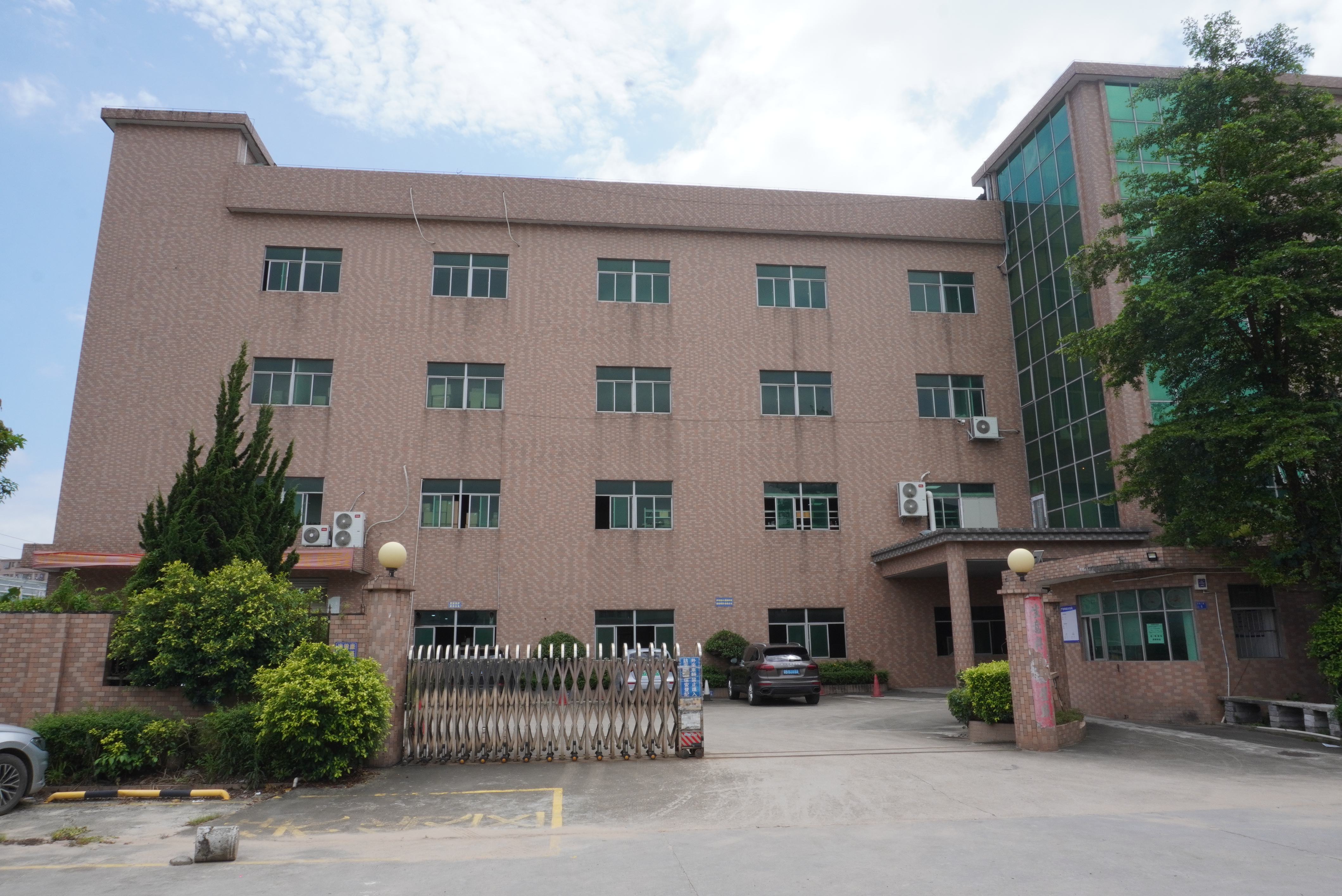
Dongguan Sanlixin Plastic Technology Co.,Ltd
Shenzhen Sanlixin Technology Co., Ltd. and Dongguan Sanlixin Plastic Technology Co., Ltd. is a manufacturer integrating precision plastic mold design, mold opening, single (double) color injection molding, IML injection molding processing, producing various single (double) color, IML process high-end appearance decorative structural parts, two-color buttons, USB dust plugs, panels and other plastic products, providing customers with fast, excellent, Midea all-round service, the company has 15 years of experience in precision plastic mold design, processing and production, with a variety of advanced machine injection molding equipment with excellent quality and fast service to win the trust and strong support of our customers.
Medical Marvels: How Precision Plastic Moulding Advances Medical Devices
Plastic Injection Molding Terminology: A Comprehensive Guide