Tips to Reduce CNC Milling Cost
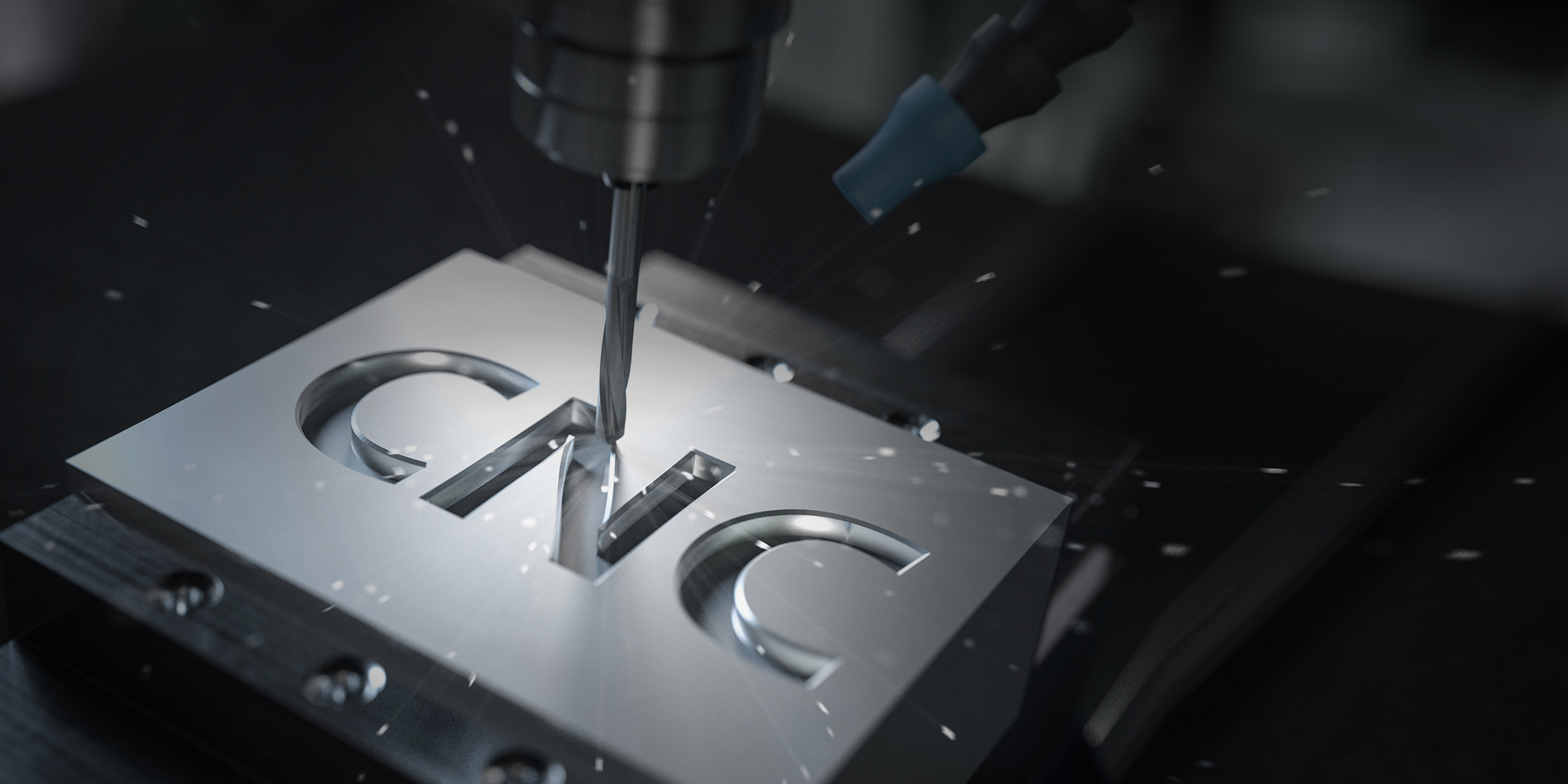
Tips to Reduce CNC Milling Cost
Introduction
CNC milling is a highly precise and versatile manufacturing process, but it can also be costly. Reducing CNC milling costs without compromising quality is a key concern for manufacturers. This article provides practical tips to help minimize expenses while maintaining high standards in CNC milling operations.
1. Optimize Design for Manufacturability
Designing parts with manufacturability in mind can significantly reduce CNC milling costs. Simplifying geometries and minimizing complex features can lead to faster machining times and lower material waste.
1.1 Simplify Geometries
Complex designs require more machining time and advanced tooling. Simplifying part geometries can reduce machining time and tool wear.
1.2 Minimize Tight Tolerances
Tight tolerances increase machining time and the need for precise tooling. Specify tolerances only where necessary to avoid unnecessary costs.
1.3 Use Standard Features
Incorporating standard features like hole sizes and thread types can reduce the need for custom tooling and setups.
2. Material Selection
Choosing the right material is crucial for cost-effective CNC milling. Consider both the material cost and its machinability.
2.1 Cost-Effective Materials
Select materials that balance cost and performance. For example, aluminum is often more cost-effective than titanium for many applications.
2.2 Machinability
Materials with good machinability, such as brass and certain plastics, can reduce machining time and tool wear, lowering overall costs.
3. Efficient Tooling Strategies
Optimizing tooling strategies can lead to significant cost savings in CNC milling operations.
3.1 Tool Selection
Use the appropriate tools for the job. High-performance tools may have a higher upfront cost but can reduce machining time and increase tool life.
3.2 Tool Path Optimization
Optimize tool paths to minimize unnecessary movements and reduce machining time. Advanced CAM software can help achieve efficient tool paths.
3.3 Tool Maintenance
Regularly maintain and replace tools to prevent wear and breakage, which can lead to costly downtime and rework.
4. Batch Production
Producing parts in batches can reduce setup times and increase efficiency, leading to lower costs per part.
4.1 Group Similar Parts
Group parts with similar geometries and machining requirements to minimize setup changes and tooling adjustments.
4.2 Economies of Scale
Larger production runs can spread fixed costs over more parts, reducing the cost per unit.
5. Reduce Setup Time
Setup time is a significant factor in CNC milling costs. Reducing setup time can lead to substantial savings.
5.1 Standardize Fixtures
Use standardized fixtures and workholding solutions to speed up setup times and reduce the need for custom setups.
5.2 Pre-Set Tools
Pre-set tools outside the machine to reduce setup time and ensure accurate tool lengths and diameters.
6. Implement Lean Manufacturing Principles
Adopting lean manufacturing principles can help identify and eliminate waste, leading to cost savings in CNC milling operations.
6.1 Continuous Improvement
Regularly review and improve processes to identify inefficiencies and reduce waste.
6.2 Just-In-Time Production
Implement just-in-time production to reduce inventory costs and minimize waste from overproduction.
7. Use Advanced CAM Software
Advanced CAM (Computer-Aided Manufacturing) software can optimize machining processes and reduce costs.
7.1 Simulation and Verification
Use CAM software to simulate and verify machining processes, reducing the risk of errors and rework.
7.2 Optimize Cutting Parameters
CAM software can optimize cutting parameters such as feed rate, cutting speed, and depth of cut to maximize efficiency and reduce machining time.
8. Outsource When Appropriate
Outsourcing CNC milling to specialized manufacturers can be cost-effective for certain projects.
8.1 Leverage Expertise
Specialized manufacturers have the expertise and equipment to produce parts efficiently and cost-effectively.
8.2 Reduce Overhead
Outsourcing can reduce overhead costs associated with maintaining in-house CNC milling capabilities.
Conclusion
Reducing CNC milling costs requires a combination of optimized design, efficient tooling strategies, batch production, and lean manufacturing principles. By carefully selecting materials, reducing setup times, and leveraging advanced CAM software, manufacturers can achieve significant cost savings without compromising on quality. Implementing these tips will help streamline CNC milling operations, leading to more cost-effective and competitive manufacturing processes.
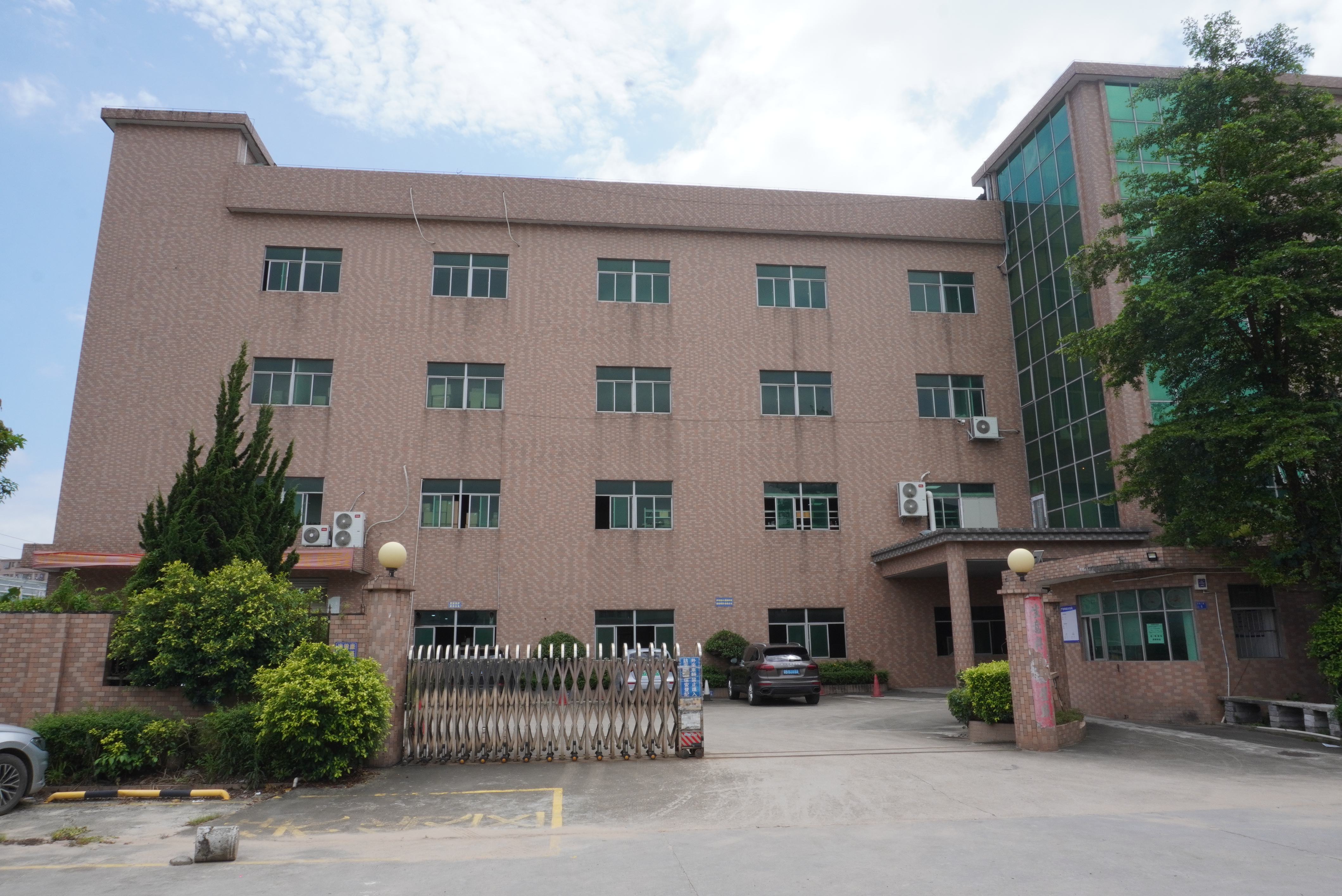
Dongguan Sanlixin Plastic Technology Co.,Ltd
Shenzhen Sanlixin Technology Co., Ltd. and Dongguan Sanlixin Plastic Technology Co., Ltd. is a manufacturer integrating precision plastic mold design, mold opening, single (double) color injection molding, IML injection molding processing, producing various single (double) color, IML process high-end appearance decorative structural parts, two-color buttons, USB dust plugs, panels and other plastic products, providing customers with fast, excellent, Midea all-round service, the company has 15 years of experience in precision plastic mold design, processing and production, with a variety of advanced machine injection molding equipment with excellent quality and fast service to win the trust and strong support of our customers.
PPS Injection Molding Guide: A Comprehensive Overview
SPI Surface Finishes Basic Guide