Core components of plastic molds: cores and cavities
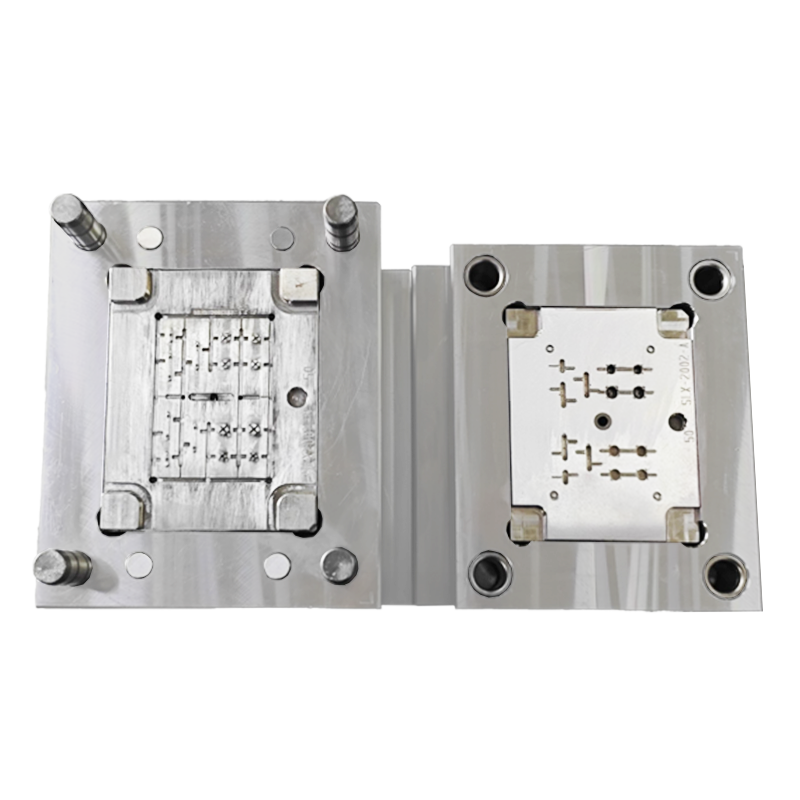
The core and cavity are the most crucial parts of a plastic mold. The cavity forms the outer surface of the molded part, while the core defines the inner surface or the hollow area.

Table of Contents
1. Introduction {#introduction}
2. Understanding Core and Cavity in Plastic Molds {#understanding-core-and-cavity}
2.1 What is a Core? {#what-is-a-core}
2.2 What is a Cavity? {#what-is-a-cavity}
3. Key Functions of Cores and Cavities {#key-functions}
- Shape Formation: Cores define internal hollow spaces or protrusions, while cavities create external profiles.
- Pressure Resistance: Both components must handle up to 100-200 MPa of injection pressure to prevent deformation.
- Heat Transfer: Efficient thermal management through proper material selection ensures uniform cooling and reduced cycle times.
- Surface Interaction: Cavities determine surface finish (e.g., glossy, matte), while cores affect internal surface quality critical for applications like pipes or containers.
4. Design Considerations for Cores and Cavities {#design-considerations}
4.1 Material Selection {#material-selection}
- Tool Steel (e.g., H13, S7): High hardness (50-55 HRC) for wear resistance, suitable for high-volume production.
- Aluminum Alloys: Lightweight and excellent thermal conductivity, ideal for rapid prototyping or low-volume runs.
- Stainless Steel: Corrosion resistance for molding abrasive materials like filled polymers.
4.2 Dimensional Accuracy {#dimensional-accuracy}
4.3 Surface Finish Requirements {#surface-finish}
4.4 Ejection System Integration {#ejection-system}
5. Technical Parameter Comparison {#parameter-comparison}
|
Parameter
|
Core
|
Cavity
|
|
Primary Role
|
Forms internal features (hollows, holes)
|
Forms external geometry (contours, surfaces)
|
|
Material Hardness
|
48-55 HRC (higher for thin walls)
|
50-58 HRC (prioritizes wear resistance)
|
|
Dimensional Risk
|
Higher deflection risk due to 悬臂设计 (cantilever design)
|
Lower deflection risk (fixed on stationary side)
|
|
Surface Finish Focus
|
Internal surface quality (if visible)
|
External aesthetic and functional finish
|
|
Cooling Design
|
Often requires internal cooling channels
|
May use conformal cooling for complex shapes
|
|
Cost Factor
|
Higher for complex internal geometries
|
Higher for intricate external textures/features
|
- Cores:
-
- ✅ Flexible for complex internal structures
-
- ❌ Prone to wear in high-pressure applications
- Cavities:
-
- ✅ Direct control over part appearance
-
- ❌ More expensive to modify once manufactured
6. Expert Insights on Core-Cavity Design {#expert-insights}
7. Industry FAQs about Cores and Cavities {#faqs}
7.1 How to choose between steel and aluminum for cores/cavities?
- Steel: Use for high-volume production (over 100,000 cycles) or abrasive materials.
- Aluminum: Ideal for low-volume runs (under 10,000 cycles) or rapid tooling due to faster machining.
7.2 What causes core-cavity misalignment, and how to prevent it?
7.3 Can cores and cavities be modified after mold completion?
7.4 How does surface finish affect part ejection?
8. Conclusion {#conclusion}
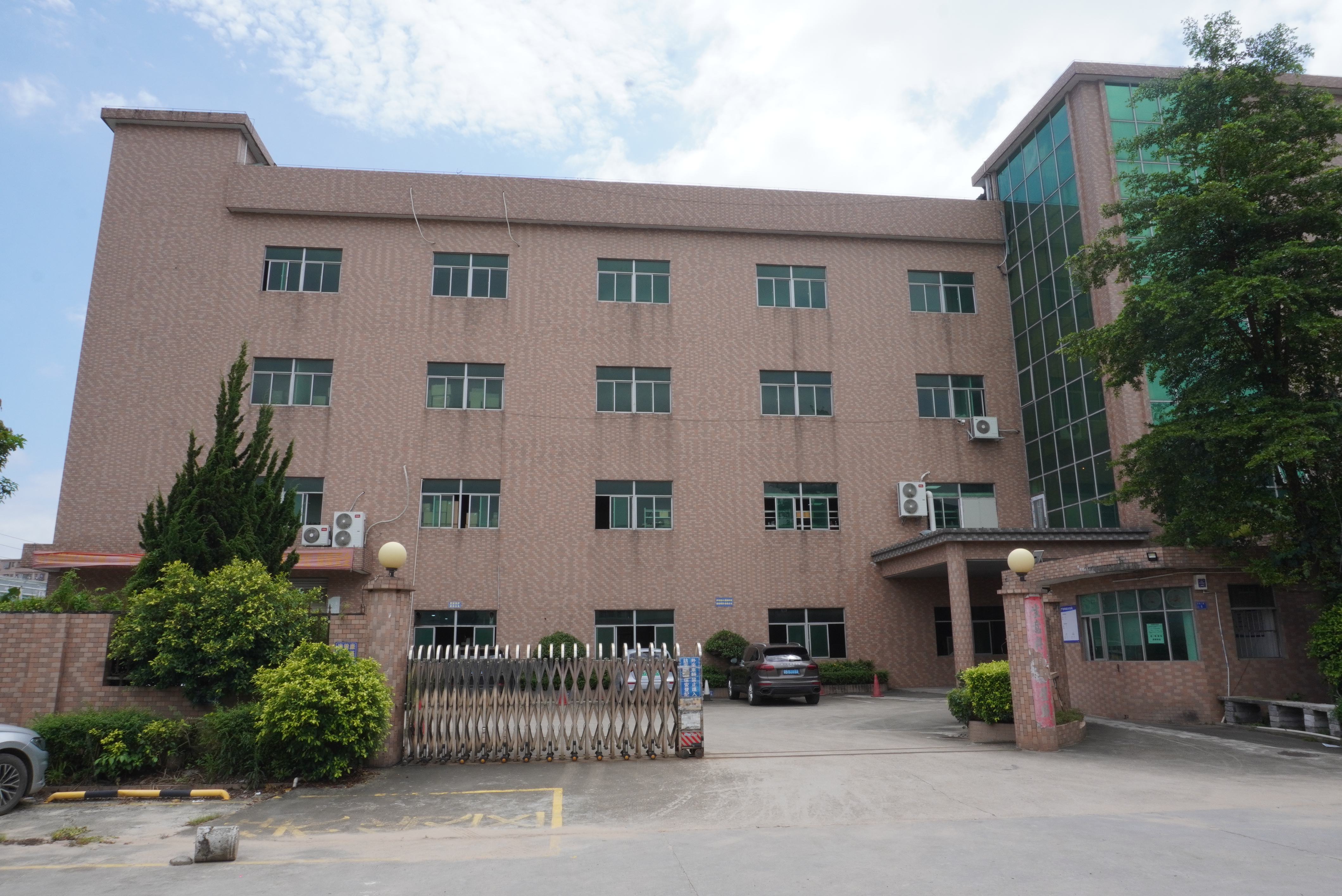
Dongguan Sanlixin Plastic Technology Co.,Ltd
Shenzhen Sanlixin Technology Co., Ltd. and Dongguan Sanlixin Plastic Technology Co., Ltd. is a manufacturer integrating precision plastic mold design, mold opening, single (double) color injection molding, IML injection molding processing, producing various single (double) color, IML process high-end appearance decorative structural parts, two-color buttons, USB dust plugs, panels and other plastic products, providing customers with fast, excellent, Midea all-round service, the company has 15 years of experience in precision plastic mold design, processing and production, with a variety of advanced machine injection molding equipment with excellent quality and fast service to win the trust and strong support of our customers.
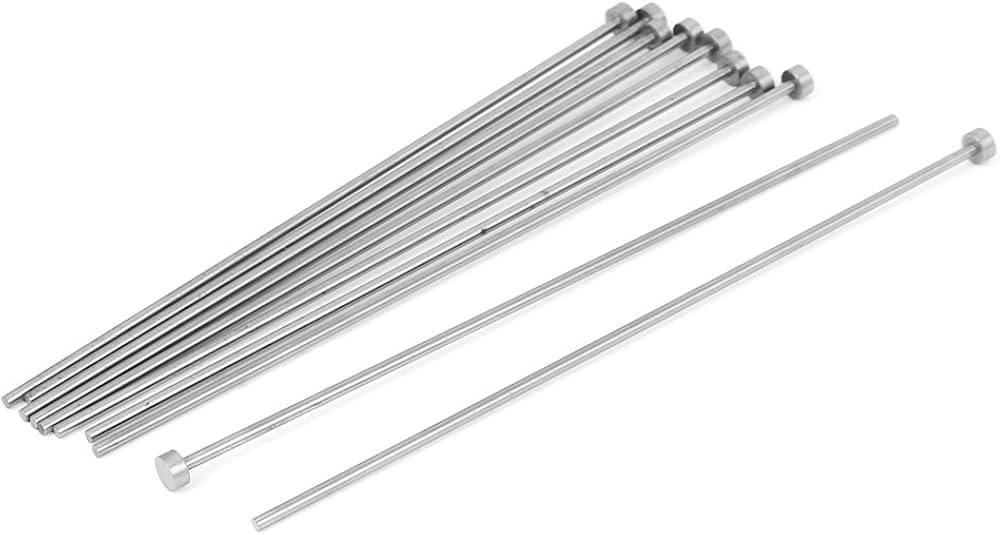
The core component of the plastic mold: ejection system
Don't miss out! Unlock the secrets of the component parts of plastic molds in this article.