What Are the Three Major Differences Between Compression Molding and Injection Molding
Introduction
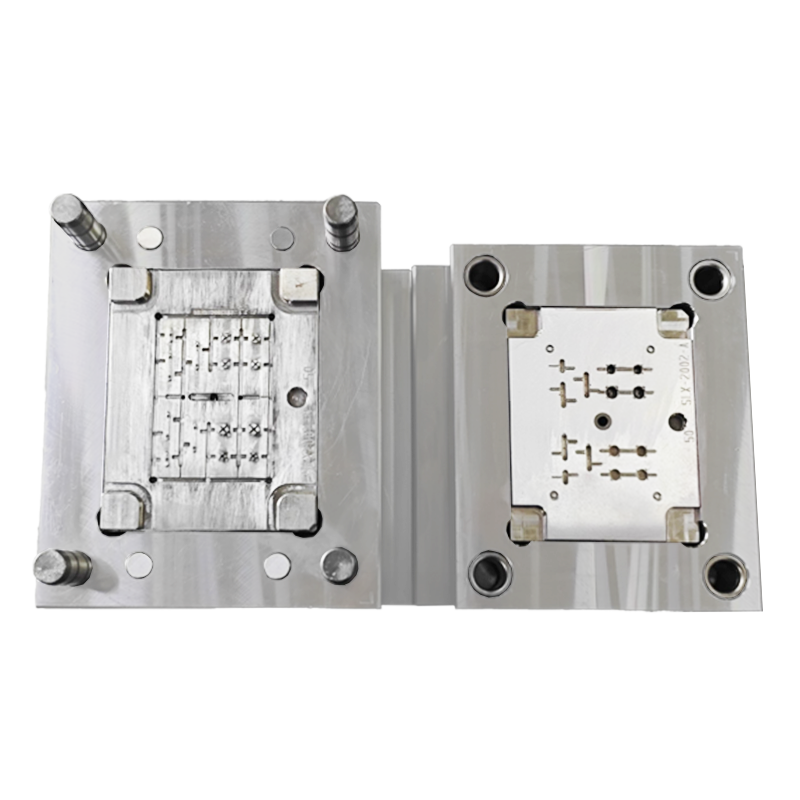
Compression molding and injection molding are two widely used manufacturing processes in the plastics and composites industry. While both methods are used to shape materials into desired forms, they differ significantly in terms of process mechanics, applications, and advantages. Understanding these differences is crucial for manufacturers to choose the most suitable method for their specific needs.
1. Process Mechanics
The fundamental difference between compression molding and injection molding lies in how the material is introduced into the mold and how pressure is applied:
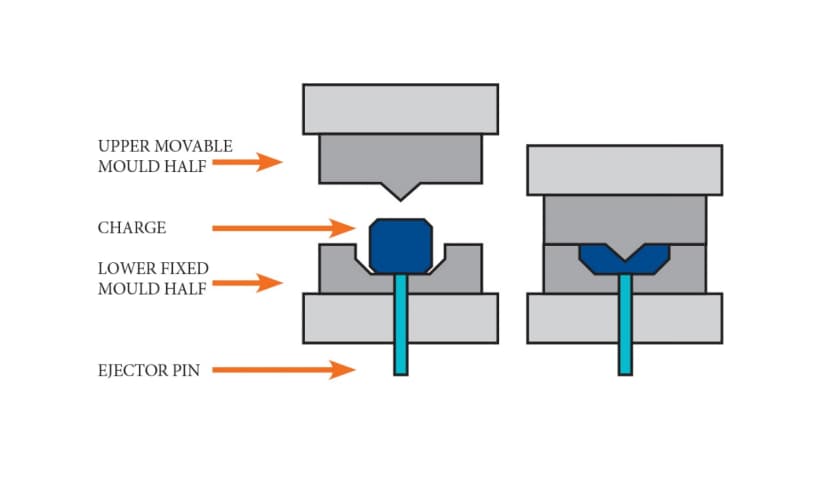
Compression Molding
- Material Placement: A pre-measured amount of material, usually in the form of a preform or charge, is placed directly into the open mold cavity.
- Mold Closure: The mold is then closed, and heat and pressure are applied to shape the material and initiate the curing process.
- Pressure Application: Pressure is applied uniformly across the material to ensure it fills the mold cavity completely.
Injection Molding
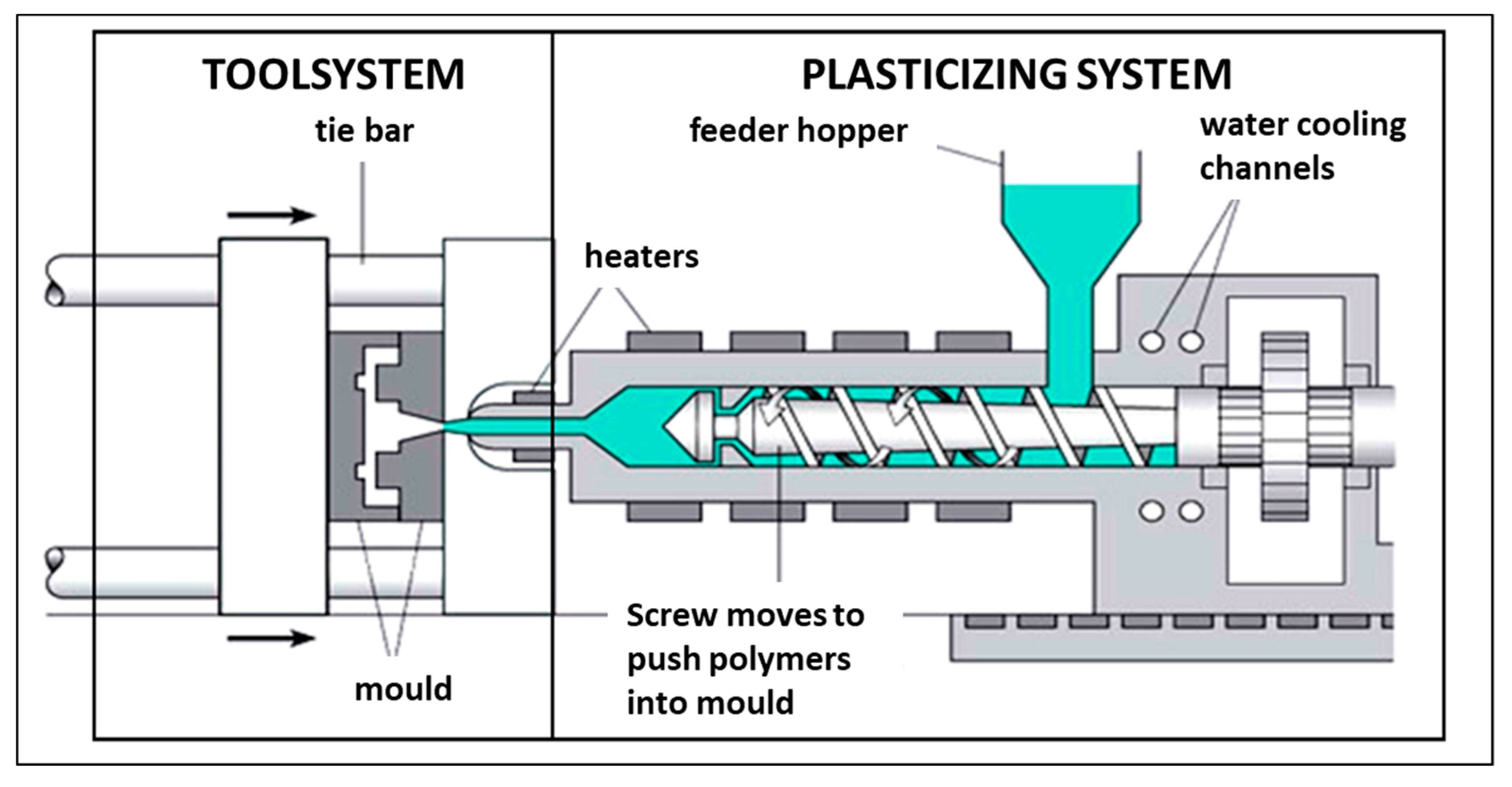
- Material Injection: The material is first heated until it becomes a molten state and is then injected into a closed mold under high pressure.
- Mold Mold: The mold is typically kept at a lower temperature to facilitate the rapid cooling and solidification of the material.
- Pressure Application: High pressure is used to force the molten material into the mold cavity, ensuring detailed and complex shapes are achieved.
2. Material Compatibility
Another significant difference between the two processes is the type of materials they can handle effectively:
Compression Molding
- Thermosetting Materials: Primarily used for thermosetting polymers, which require heat to cure and harden permanently.
- Reinforced Composites: Suitable for materials reinforced with fibers, such as Sheet Molding Compounds (SMC) and Bulk Molding Compounds (BMC).
Injection Molding
- Thermoplastic Materials: Primarily used for thermoplastics, which can be melted and re-melted multiple times without significant degradation.
- Wide Range of Plastics: Can handle a broader range of plastic materials, including engineering plastics and high-performance polymers.
3. Production Speed and Cost
The production speed and cost implications of each process also differ significantly, impacting their suitability for various applications:
Compression Molding
- Cycle Time: Generally has longer cycle times due to the need for curing thermosetting materials, which can take several minutes.
- Cost: Lower initial tooling costs but may have higher per-unit costs for large production runs due to slower cycle times.
Injection Molding
- Cycle Time: Typically has shorter cycle times, especially for thermoplastics, which cool and solidify quickly.
- Cost: Higher initial tooling costs but lower per-unit costs for large production runs due to faster cycle times and higher automation levels.
Conclusion
Compression molding and injection molding each have their unique advantages and are suited for different applications. Compression molding is ideal for producing large, high-strength parts from thermosetting materials, while injection molding excels in high-volume production of complex, detailed parts from thermoplastics. By understanding the key differences in process mechanics, material compatibility, and production speed and cost, manufacturers can make informed decisions to optimize their manufacturing processes and achieve the best results for their products.
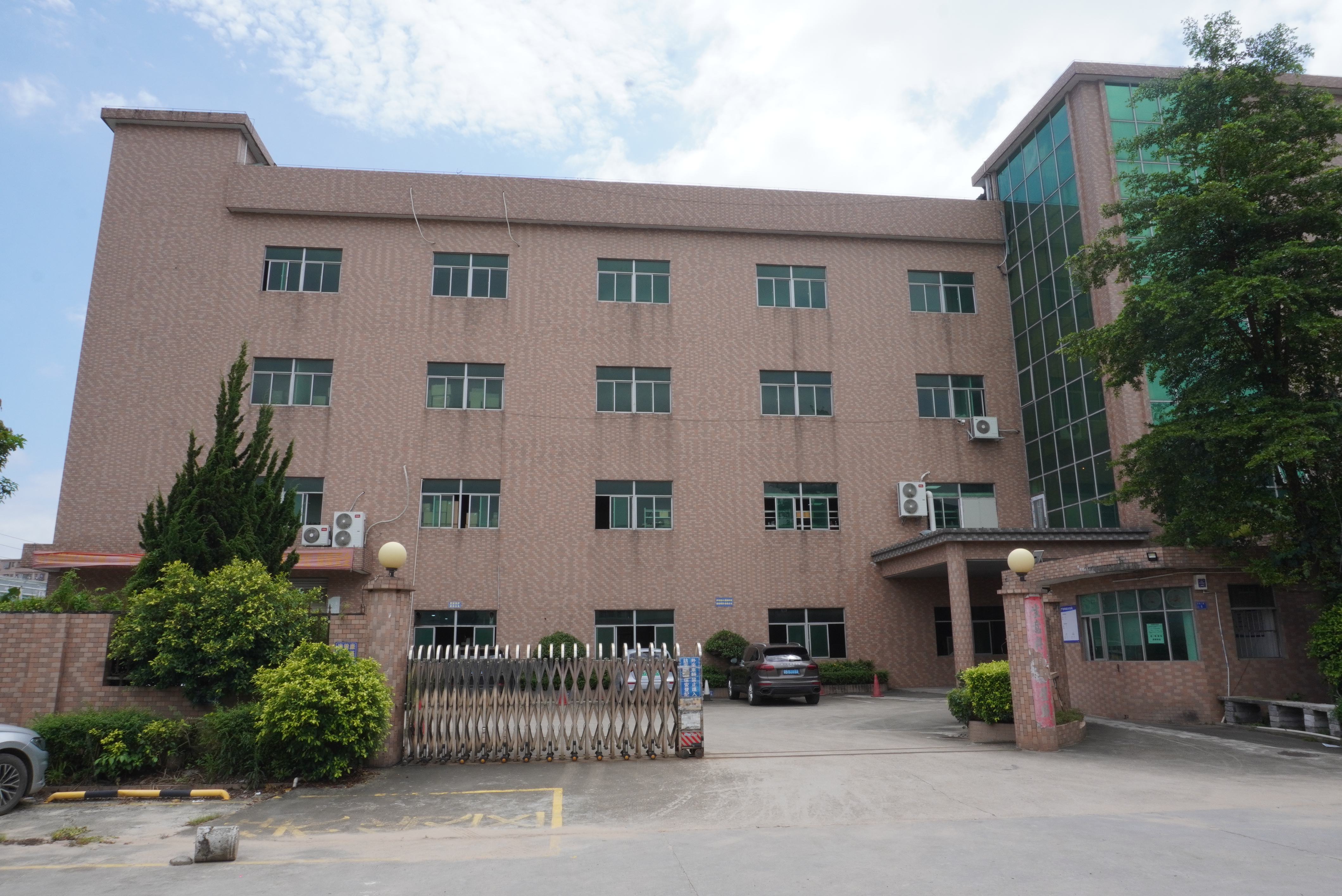
Dongguan Sanlixin Plastic Technology Co.,Ltd
Shenzhen Sanlixin Technology Co., Ltd. and Dongguan Sanlixin Plastic Technology Co., Ltd. is a manufacturer integrating precision plastic mold design, mold opening, single (double) color injection molding, IML injection molding processing, producing various single (double) color, IML process high-end appearance decorative structural parts, two-color buttons, USB dust plugs, panels and other plastic products, providing customers with fast, excellent, Midea all-round service, the company has 15 years of experience in precision plastic mold design, processing and production, with a variety of advanced machine injection molding equipment with excellent quality and fast service to win the trust and strong support of our customers.
Is Thermoforming Better Than Injection Molding?
What is the Difference Between Hot Press Molding and Compression Molding?