Comprehensive Guide to Plastics for CNC Machining
What is Plastic Machining?
Plastic machining involves cutting and shaping plastic materials to create custom parts for machinery and components. Unlike metals, plastics can be heated and machined at high speeds without losing their material properties, making them widely used in mechanical applications.
Top 7 Common Plastics Used in CNC Machining
By 2024, a wide variety of machinable plastics are available, each with unique qualities. Here are the top seven:
1. ABS (Acrylonitrile Butadiene Styrene)
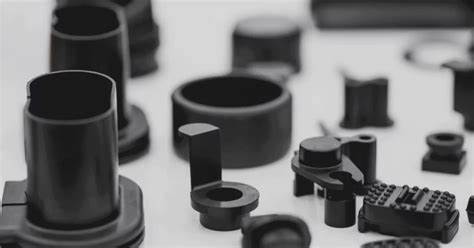
ABS is a versatile thermoplastic known for its toughness, rigidity, and impact resistance. It’s commonly used in automotive parts, medical devices, and consumer goods.
Benefits:
- Cost-effective and durable.
- Good chemical resistance and dimensional stability.
- Can be machined using milling, turning, and drilling techniques.
Drawbacks:
- May warp at high temperatures.
- Poor UV resistance, making it unsuitable for outdoor use.
- Recycling is challenging due to additives.
Applications:
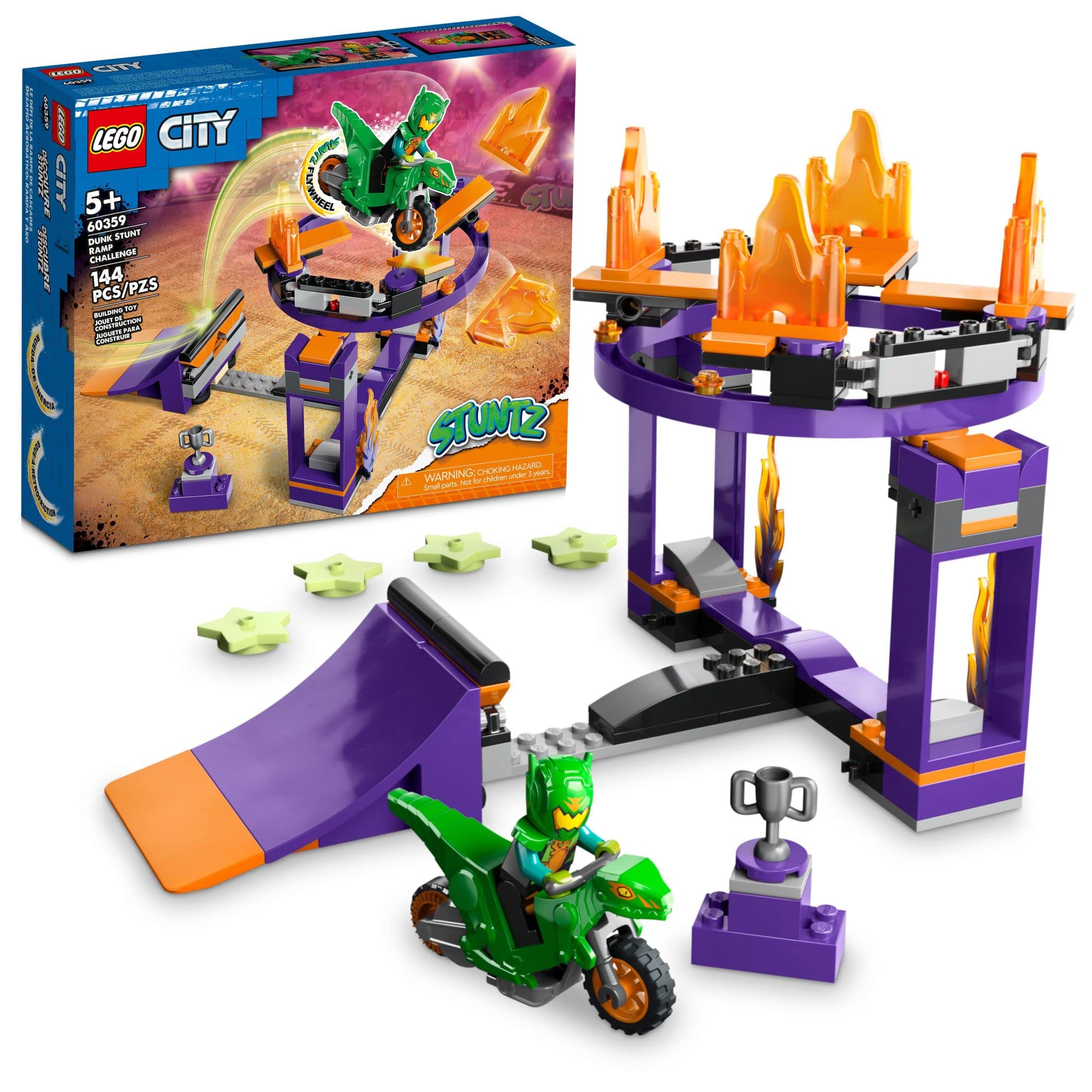
- Lego bricks, helmets, appliance housings, automotive parts, and medical devices.
2. Acetal/POM (Polyoxymethylene)
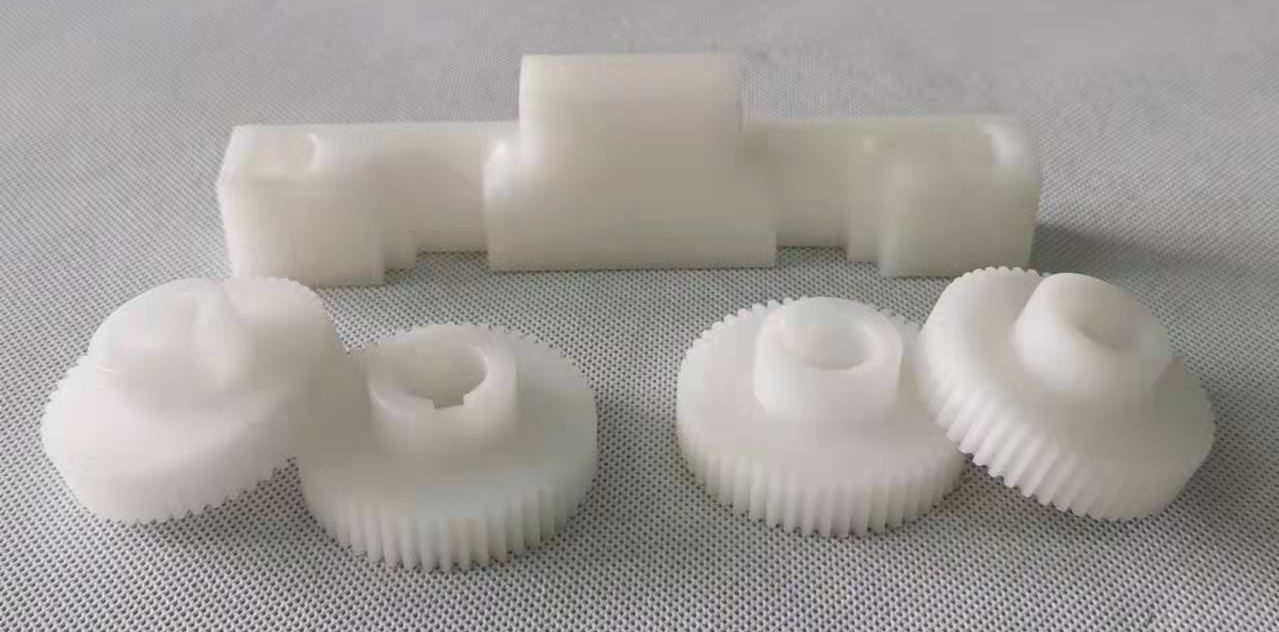
Acetal, or POM, is an engineering thermoplastic known for its strength, elasticity, and low friction. It’s ideal for bearings and gears.
Benefits:
- Lightweight, low friction, and wear-resistant.
- Good chemical resistance and precise machinability.
Drawbacks:
- Degrades in strong acids and oxidizers.
- Limited temperature range and difficult to bond.
3. PC (Polycarbonate)
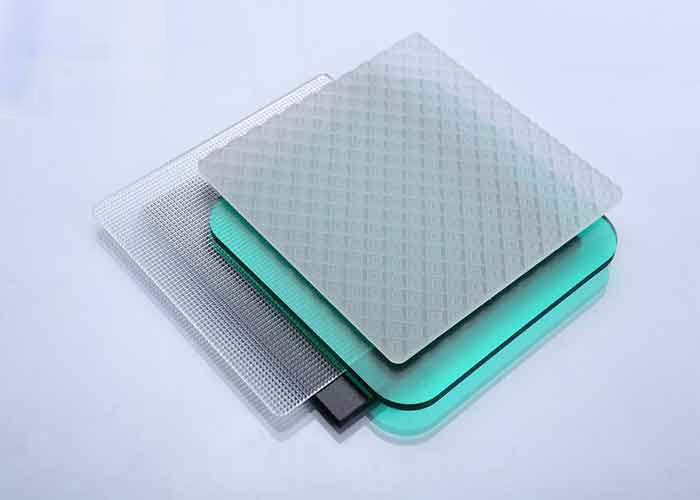
Polycarbonate is known for its high impact resistance and durability, making it a great choice for sturdy, lightweight parts.
Benefits:
- Highly durable and impact-resistant.
- Excellent dimensional stability and machinability.
Drawbacks:
- Requires lubrication and cooling during machining.
- Mechanical properties may degrade over time with UV exposure.
4. Acrylic/PMMA (Polymethyl Methacrylate)
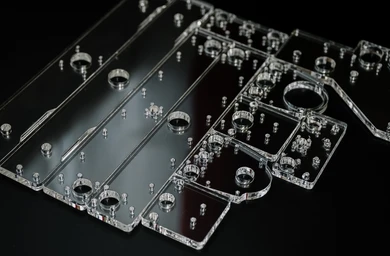
Acrylic, or PMMA, is a popular choice for CNC machining due to its transparency and weather resistance.
Benefits:
- High optical clarity and impact resistance.
- Easy to machine and shape.
Drawbacks:
- Prone to scratching and staining.
- Flammable and loses properties at high temperatures.
5. HDPE (High-Density Polyethylene)
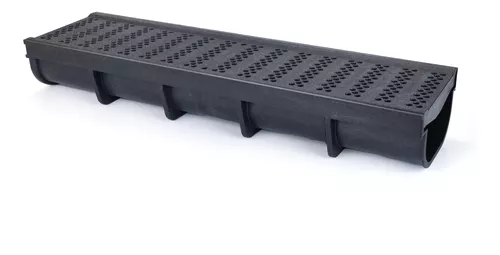
HDPE is a versatile, durable plastic known for its high strength-to-density ratio.
Benefits:
- Strong, chemical-resistant, and weatherproof.
- Low cost and easy to machine.
Drawbacks:
- Poor heat resistance and prone to scratching.
6. PEEK (Polyether Ether Ketone)
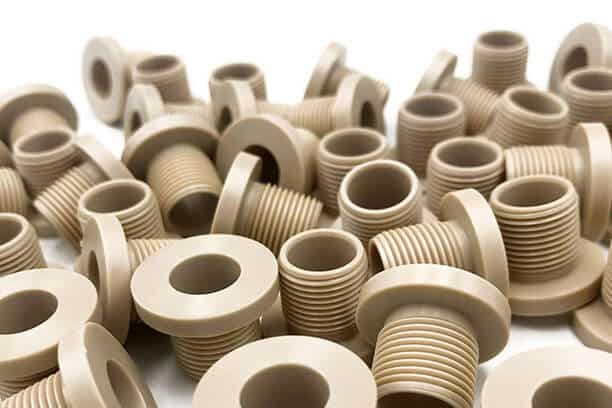
PEEK is a high-performance engineering plastic with exceptional mechanical and thermal properties.
Benefits:
- Extremely durable and heat-resistant.
- Excellent chemical resistance and natural flame retardancy.
Drawbacks:
- Difficult and expensive to machine.
- High material cost.
7. Nylon/PA (Polyamide)
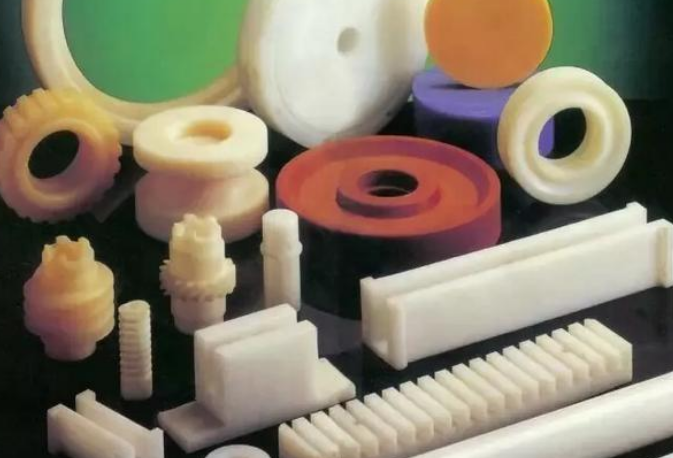
Nylon is a tough, durable polymer that can withstand high temperatures and pressure, making it ideal for bearings and bushings.
Benefits:
- High strength, durability, and low friction.
- Easy to machine with excellent surface finish.
Drawbacks:
- Absorbs moisture, leading to dimensional changes.
- UV-sensitive and not suitable for high-temperature use.
5 Factors to Consider When Choosing CNC Machining Plastics
Here are the key factors to consider when selecting plastics for CNC machining:
1. Material Machinability
Consider how easily the plastic can be cut, shaped, and processed. Some plastics, like acrylic and polypropylene, are highly machinable, while others, like PVC and nylon, are more challenging.
2. Material Shrinkage
All plastics shrink slightly after machining. Choose plastics with minimal shrinkage for critical dimensions.
3. Appearance, Light Transmission, and Transparency
Consider properties like color, transparency, and light transmission based on your application.
4. Temperature Resistance
Evaluate the maximum temperature the plastic can withstand. High-temperature applications may require materials like PEEK or PTFE.
5. Plastic Cost
Balance performance and budget. Low-cost options include HDPE and polypropylene, while high-performance plastics like PEEK are more expensive.
Conclusion
Choosing the right plastic for CNC machining doesn’t have to be overwhelming. By considering factors like mechanical properties, temperature resistance, and machinability, you can narrow down your options. Don’t hesitate to consult with your plastic supplier for tailored recommendations based on your specific application.
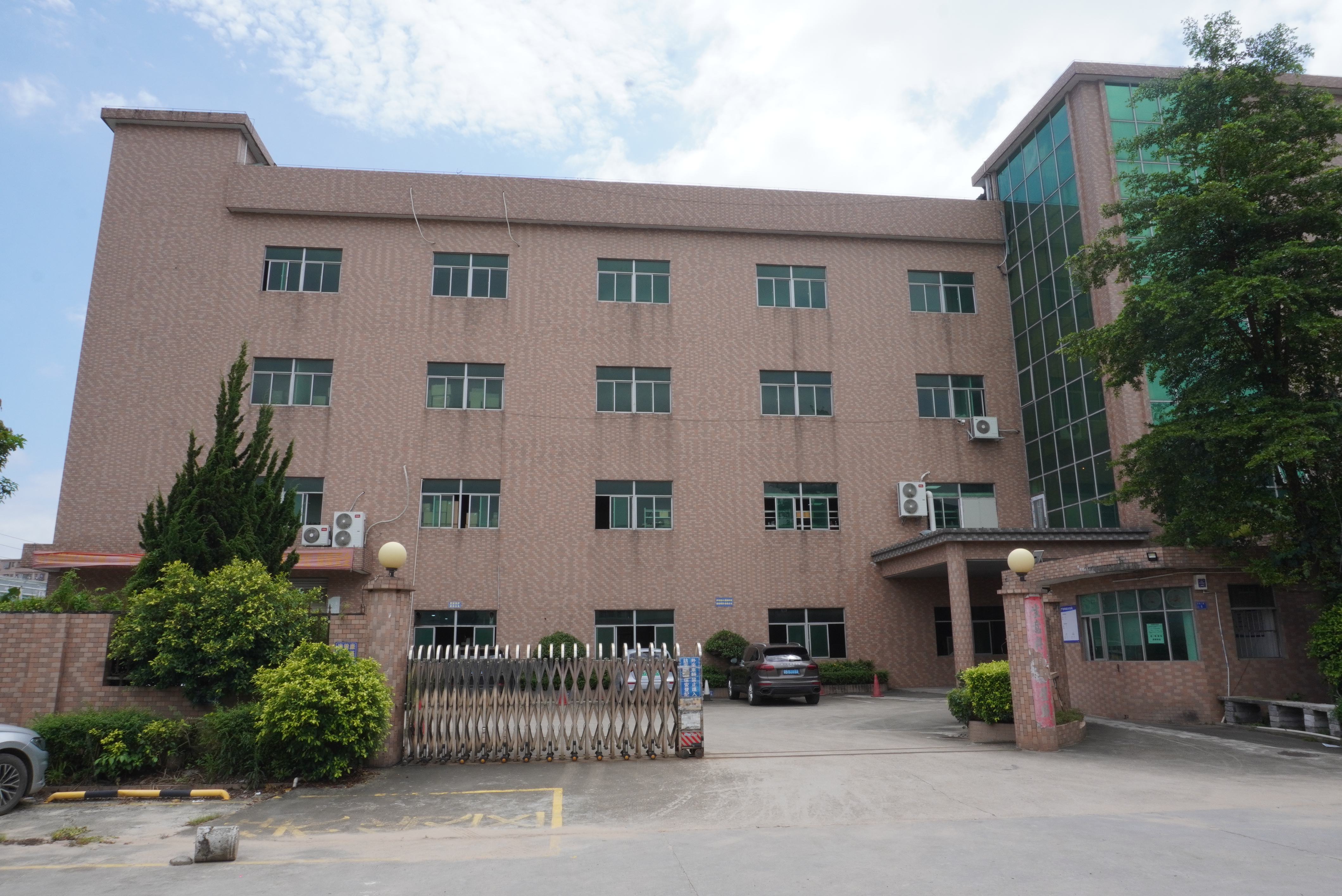
Dongguan Sanlixin Plastic Technology Co.,Ltd
Shenzhen Sanlixin Technology Co., Ltd. and Dongguan Sanlixin Plastic Technology Co., Ltd. is a manufacturer integrating precision plastic mold design, mold opening, single (double) color injection molding, IML injection molding processing, producing various single (double) color, IML process high-end appearance decorative structural parts, two-color buttons, USB dust plugs, panels and other plastic products, providing customers with fast, excellent, Midea all-round service, the company has 15 years of experience in precision plastic mold design, processing and production, with a variety of advanced machine injection molding equipment with excellent quality and fast service to win the trust and strong support of our customers.
Understanding Welding Defects: Causes, Types, and Solutions
CNC Machining vs. Manual Machining: What’s the Difference?