CNC Machining vs. Manual Machining: What’s the Difference?
What is CNC Machining?

CNC machining, short for Computer Numerical Control machining, is a manufacturing process that uses computer-controlled systems to operate machinery and tools for cutting, shaping, and drilling various materials. In CNC machining, a CNC programmer or machinist writes digital instructions that guide the machinery to perform precise movements and operations.
Key Features:
- High precision and repeatability.
- Reduced need for manual intervention.
- Faster production times and consistent part quality.
Applications:
CNC machines, including mills, lathes, grinders, and plasma cutters, are used in industries like aerospace, automotive, and medical device manufacturing for creating complex geometries with high accuracy.
What is Manual Machining?
Manual machining is a traditional manufacturing method that relies on the skill and expertise of a machinist to operate manually controlled tools and machinery. Unlike CNC machining, which uses computer-controlled systems for automation, manual machining involves direct human control over the machining process.
Key Features:
- Requires high skill and experience.
- Direct control over tools using handwheels, levers, and cranks.
- Ideal for small-scale or custom projects.
Applications:
Manual machining is often used for prototyping, repairs, and small-batch production where flexibility and customization are more important than speed and volume.
Differences Between CNC and Manual Machining
Now that we’ve defined CNC and manual machining, let’s explore the key differences between these two techniques.
Precision and Complexity
CNC machining excels in creating intricate designs and shapes with high precision, making it ideal for tasks requiring tight tolerances. Manual machining, while capable of producing simple to moderately complex parts, struggles with intricate geometries due to manual control limitations.
Speed
CNC machining is faster. Once programmed, CNC machines can operate autonomously, significantly reducing production times compared to manual machines. Manual machining is slower and more time-consuming due to the need for manual tool control.
Accuracy
CNC machining offers superior accuracy and consistency by eliminating human error. Manual machining, while precise in skilled hands, can vary due to factors like fatigue and experience levels.
Cost
CNC machining requires a higher initial investment but is more cost-effective for large-scale production due to reduced labor costs and faster turnaround times. Manual machining has lower upfront costs but can be more expensive for large volumes due to higher labor requirements.
CNC Machining vs. Manual Machining: Which is Better for Your Project?
The choice between CNC and manual machining depends on factors like project requirements, budget, timeline, and desired outcomes.
When to Choose CNC Machining:
- High precision and tight tolerances are required.
- Large-scale production is needed.
- Complex designs and geometries are involved.
- Consistency across multiple parts is critical.
When to Choose Manual Machining:
- Customization and flexibility are needed.
- Small-batch or prototype production is required.
- Budget or resources for CNC machinery are limited.
- Handcrafted quality is valued.
Applications of CNC Machining
CNC machining is widely used across industries due to its versatility, precision, and efficiency. Here are some common applications:
Aerospace
CNC machining is essential for producing critical aircraft components like engine parts, landing gear, and structural elements.
Automotive
CNC machining is used to manufacture engine blocks, transmission components, and suspension parts with high precision.
Medical and Healthcare
CNC machining is crucial for creating surgical instruments, implants, and prosthetics with precise dimensions and biocompatible materials.
Industrial Machinery
CNC machining is used to produce gears, shafts, bearings, and housings for industrial equipment.
Defense and Military
CNC machining is employed to manufacture military-grade components like weapon systems, ammunition, and armored vehicle parts.
Applications of Manual Machining
Manual machining remains valuable in various industries, particularly for prototyping, repairs, and small-scale production. Here are some common applications:
Prototyping and Customization
Manual machining is ideal for creating prototypes or custom components that require quick adjustments and iterations.
Repair and Maintenance
Manual machining is used to fabricate replacement parts or repair damaged components, extending the lifespan of machinery.
Small-Batch Production
For small production runs, manual machining is a cost-effective alternative to CNC machining.
Art and Decorative Metalwork
Manual machining allows skilled machinists to create intricate designs and decorative features that CNC machines may not achieve.
Conclusion
Both CNC and manual machining have their unique strengths and applications. CNC machining offers unparalleled precision, speed, and consistency, making it ideal for large-scale and complex projects. Manual machining, on the other hand, provides flexibility and customization, making it suitable for small-scale or specialized tasks. Understanding the differences between these methods is key to selecting the right approach for your manufacturing needs.
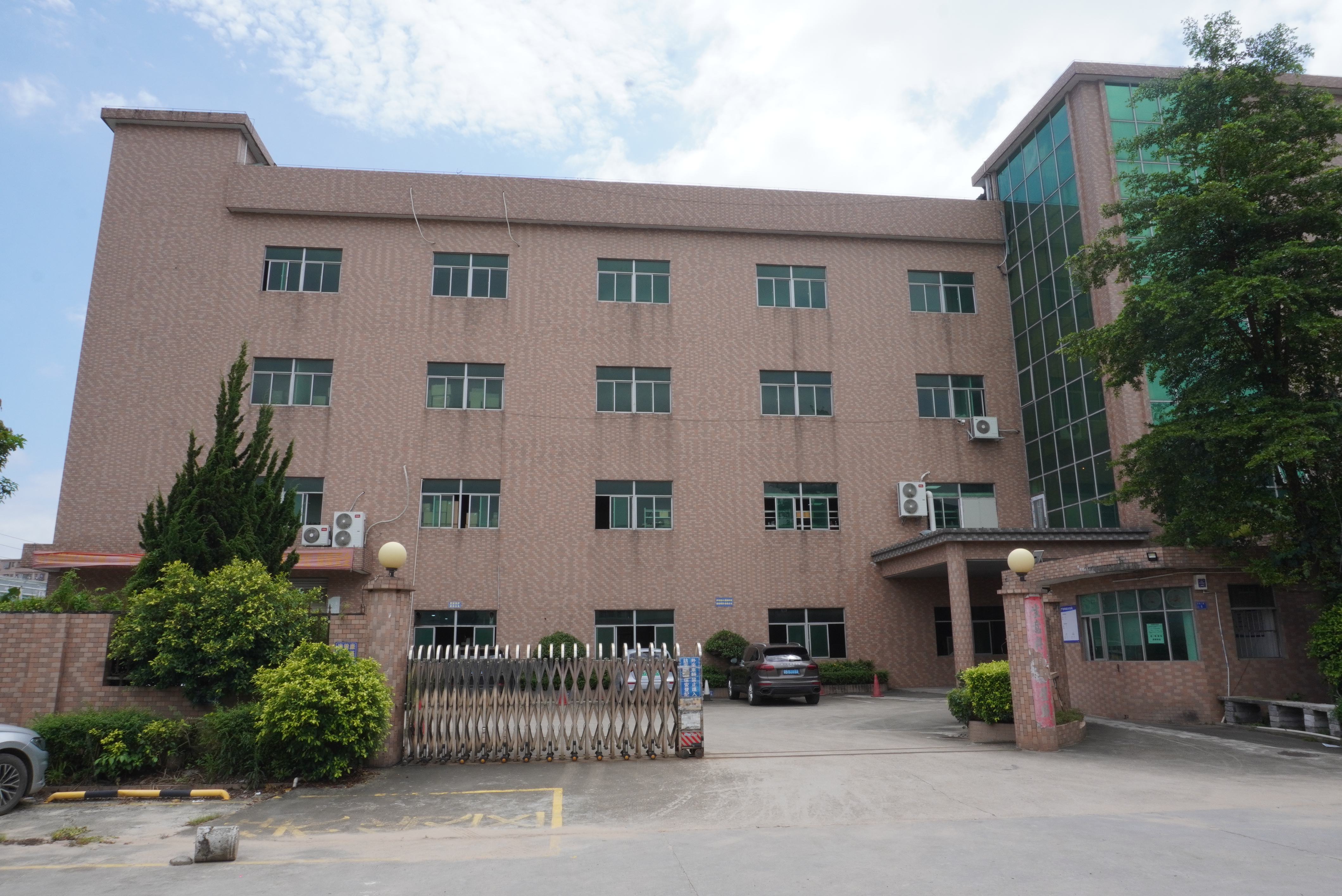
Dongguan Sanlixin Plastic Technology Co.,Ltd
Shenzhen Sanlixin Technology Co., Ltd. and Dongguan Sanlixin Plastic Technology Co., Ltd. is a manufacturer integrating precision plastic mold design, mold opening, single (double) color injection molding, IML injection molding processing, producing various single (double) color, IML process high-end appearance decorative structural parts, two-color buttons, USB dust plugs, panels and other plastic products, providing customers with fast, excellent, Midea all-round service, the company has 15 years of experience in precision plastic mold design, processing and production, with a variety of advanced machine injection molding equipment with excellent quality and fast service to win the trust and strong support of our customers.
Comprehensive Guide to Plastics for CNC Machining
Application and advantages of aluminum in automotive parts