How to Choose Between CNC Machining and 3D Printing for Your Product Need
Understanding the Basics: CNC Machining vs. 3D Printing
When it comes to manufacturing, choosing the right technology is crucial for the success of your project. CNC (Computer Numerical Control) machining and 3D printing are two of the most popular methods used today. Each has its own strengths and weaknesses, making them suitable for different types of products and applications.
CNC Machining: Precision and Strength
CNC machining is a subtractive manufacturing process where material is removed from a solid block to create a part. This method is known for its high precision and ability to produce strong, durable parts. It is ideal for applications where tight tolerances and high strength are required, such as in aerospace, automotive, and medical industries.

3D Printing: Flexibility and Complexity
3D printing, also known as additive manufacturing, builds parts layer by layer from a digital model. This technology excels in creating complex geometries that would be difficult or impossible to achieve with traditional methods. It is particularly useful for prototyping, custom parts, and low-volume production. Industries such as consumer goods, healthcare, and education benefit greatly from the flexibility of 3D printing.

Key Factors to Consider When Choosing Between CNC Machining and 3D Printing
To determine which technology is best for your product, consider the following factors:
Material Requirements
CNC machining supports a wide range of materials, including metals, plastics, and composites. If your product requires specific material properties, CNC might be the better choice. On the other hand, 3D printing materials are continually expanding but are generally limited to plastics, resins, and some metals. For products needing unique material characteristics, 3D printing could offer more flexibility.
Production Volume
For high-volume production, CNC machining is often more cost-effective due to its speed and efficiency. However, for low-volume or custom production runs, 3D printing can be more economical and faster to set up.
Design Complexity
If your product design includes intricate details or complex geometries, 3D printing is likely the better option. CNC machining can struggle with highly complex designs due to the limitations of tool access and material removal.
Time Constraints
3D printing can be quicker for prototyping and small batches since it doesn't require extensive setup. CNC machining, while faster for large volumes, may take longer to set up initially.
Conclusion: Making the Right Choice for Your Product
Both CNC machining and 3D printing offer unique advantages depending on your product's requirements. By carefully considering factors such as material needs, production volume, design complexity, and time constraints, you can make an informed decision that ensures the success of your manufacturing project. Whether you need the precision and strength of CNC machining or the flexibility and complexity of 3D printing, understanding these technologies will help you choose the best method for your needs.
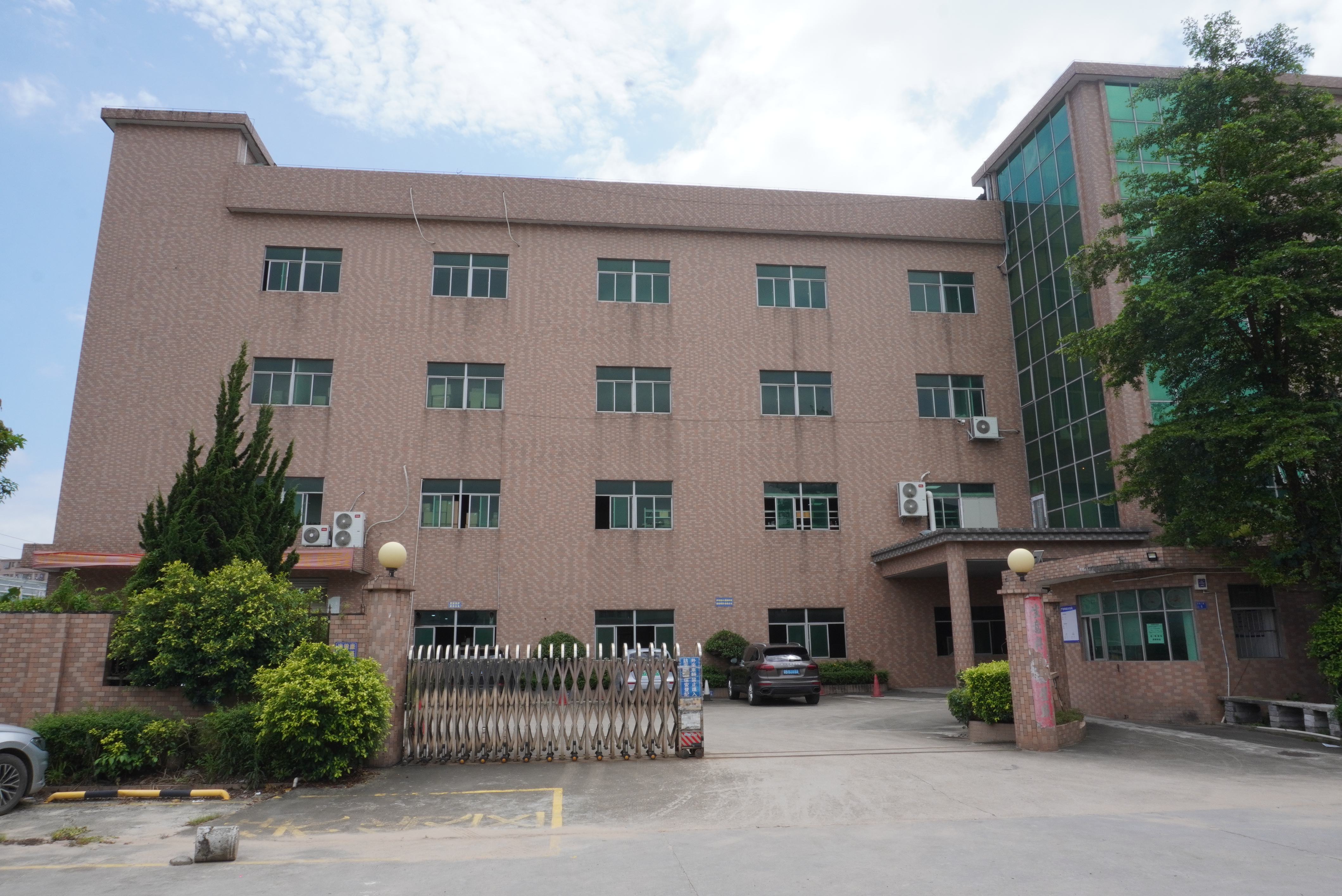
Dongguan Sanlixin Plastic Technology Co.,Ltd
Shenzhen Sanlixin Technology Co., Ltd. and Dongguan Sanlixin Plastic Technology Co., Ltd. is a manufacturer integrating precision plastic mold design, mold opening, single (double) color injection molding, IML injection molding processing, producing various single (double) color, IML process high-end appearance decorative structural parts, two-color buttons, USB dust plugs, panels and other plastic products, providing customers with fast, excellent, Midea all-round service, the company has 15 years of experience in precision plastic mold design, processing and production, with a variety of advanced machine injection molding equipment with excellent quality and fast service to win the trust and strong support of our customers.
What Are CNC Machines Used For?
The Benefits of CNC Machining and Custom Manufacturing