CNC Machining Materials Selection Guide: Features, Performance, Applications
What is CNC machining?
CNC machines can be used to cut steel, plastic, wood, glass, foam, and composites for a variety of uses, from automotive manufacturing to aerospace, development, and electronics. Designs are created using CAD (computer-aided design) software programs, which are then translated into specific applications for CNC machines that can precisely manufacture parts and components to preset parameters and designs.
What is CNC material?
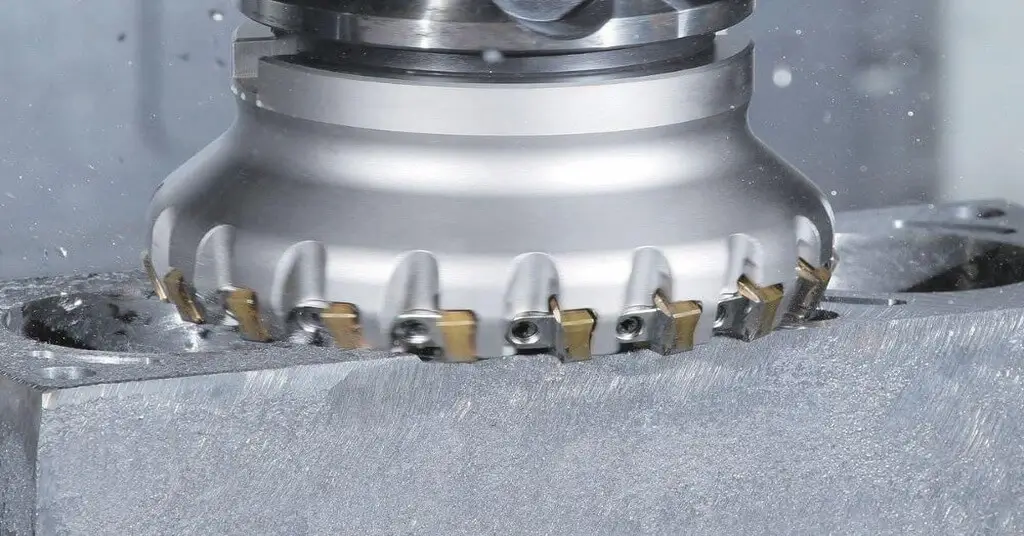
Common CNC Machining Materials
Here are some of the most commonly used materials in CNC machining, along with their key properties and applications:
Aluminum Alloy
Aluminum plate is a widely used metal material with the characteristics of light weight, high strength, easy processing and good corrosion resistance. The density of aluminum is about 2.7g/cmXNUMX, which is only one-third of copper and steel, but the strength is very high. Moreover, aluminum has excellent electrical and thermal conductivity, making it widely used in power, electronics, heat exchangers and other fields.
There are many kinds of ordinary aluminum alloys and their ordinary aluminum alloys such as 2024,5052,6061,7075,2024,5052,6061,7075, etc. 2024 aluminum alloy has high strength and good fatigue resistance, and is often used in aircraft structures; 5052 aluminum alloy has good corrosion resistance and is often used to manufacture fuel tanks, pipelines, etc.; 7075 aluminum alloy is welded and processed, and is often used to manufacture body structures; 7075 aluminum alloy has high strength and is often used to manufacture high-strength parts.
When processing aluminum, there are several points to note: First, the cutting capacity of aluminum is relatively small, but the thermal conductivity is high, which will generate a lot of heat, so appropriate cutting parameters and coolant should be selected. Secondly, due to the low hardness of aluminum, it is easy to produce chips, so the appropriate cutting tool and cutting method should be selected. Finally, the surface of aluminum is easy to oxidize, so it should be cleaned and protected after processing to prevent oxidation and corrosion.
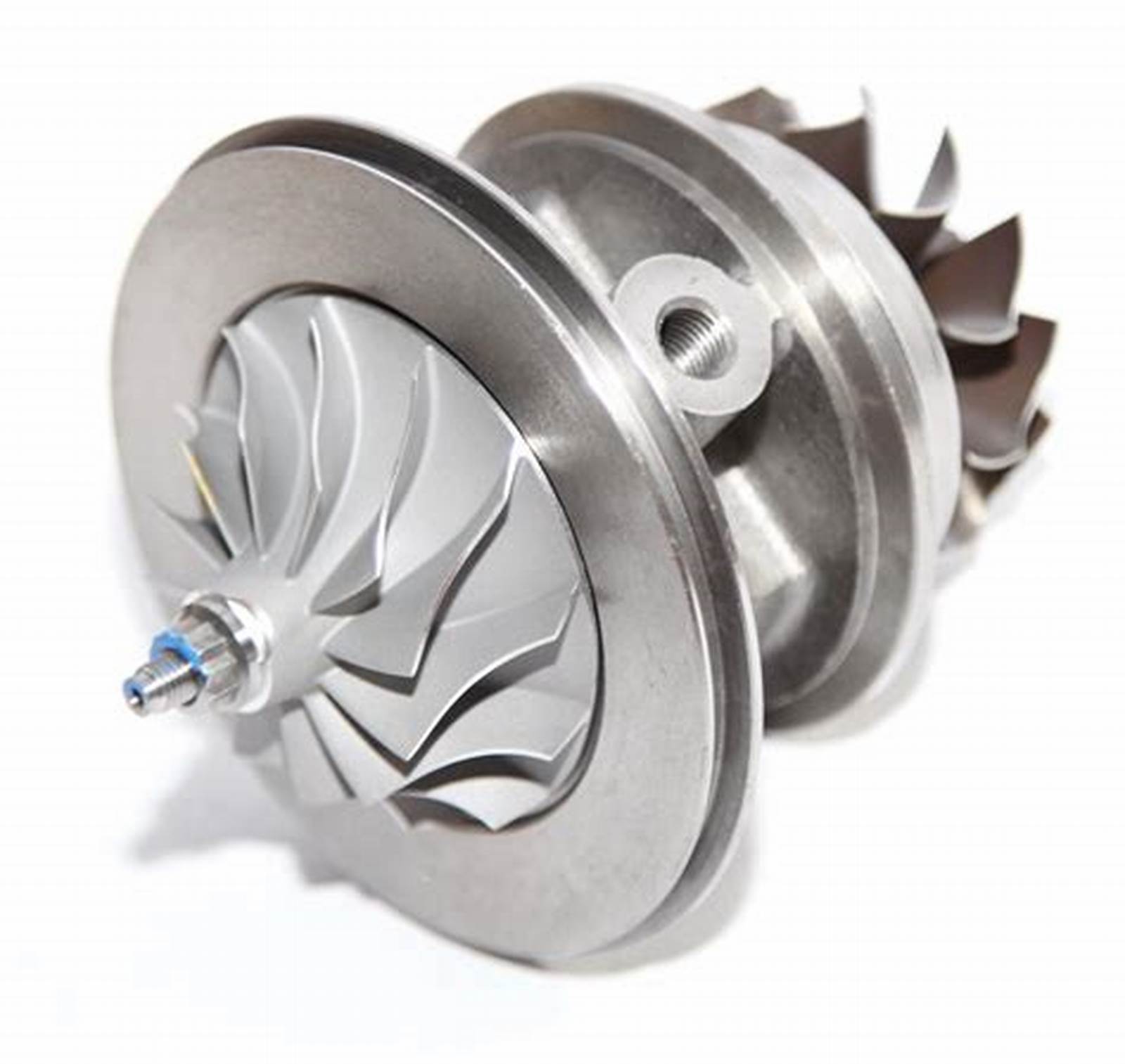
steel
Various alloy steels can be used for CNC machining. Alloy steels are an option if the part requires higher formability and weldability, such as molds or certain high-stress applications. Stainless steel, mild steel, alloy steel, and tool steel are the main types of CNC steel. Stainless steel is highly recommended when the part requires high strength, high ductility, excellent wear resistance, and corrosion resistance. In addition, stainless steel has good machinability and is easy to weld and polish. When cost plays an important role and the application is general purpose, mild steel (low carbon steel) is suitable. Carbon steel also has good weldability and corrosion resistance. Alloy steel and TiSCO are exceptions when you consider higher hardness, greater rigidity, and heat resistance.
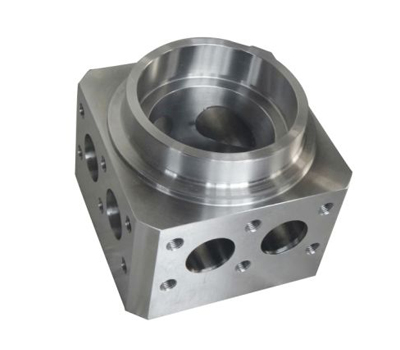
Copper Alloy
Copper is a popular CNC machining material with unique properties, including excellent electrical and thermal conductivity. Due to its excellent electrical conductivity, product engineers consider copper and its alloys ideal for electrical and electronic components. Likewise, copper alloys are perfect CNC materials for jewelry making due to their superior aesthetics. Wires, jewelry production, and magnetic devices are typical applications for copper.
Brass, bronze, and copper are indispensable in CNC machining materials. Brass and bronze are common copper alloys with unique properties. Brass is composed of copper and zinc. It is a very soft metal that can be machined without lubrication. It has excellent electrical conductivity, corrosion resistance, and machinability. Manufacturers often use brass for applications that do not require high strength, such as the manufacture of low-strength fasteners, electrical equipment, consumer products, and plumbing fixtures.
Bronze, on the other hand, is composed of copper, tin, and other composite elements. It is strong and durable, and has strong corrosion resistance. Bronze has excellent machinability and is ideal for machining precision parts such as bearings and gears. In addition, the addition of aluminum and phosphorus can improve the impact resistance, toughness, and strength of bronze.

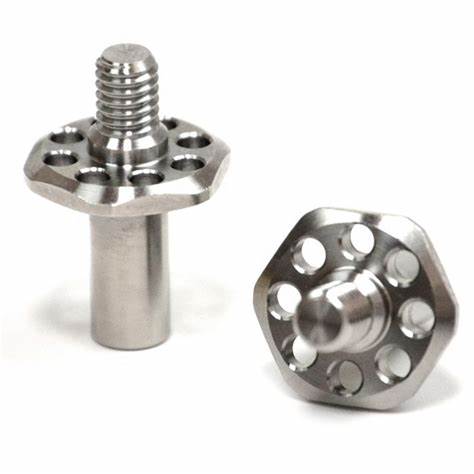
Titanium Alloy
This CNC metal is very strong and lightweight, with an excellent strength-to-weight ratio. The corrosion resistance, thermal conductivity, and biocompatibility of titanium make it compatible with CNC machining in the biomedical industry. Titanium is compatible with welding, passivation, and anodizing processes for enhanced appearance and protection. Although titanium is a poor conductor of electricity, it has good thermal conductivity and a high melting point.
In addition, titanium is well suited for manufacturing high-performance mechanical parts in the medical, military, aerospace, and automotive industries. More notably, titanium is suitable for manufacturing cutting tools for CNC machine tools.
Non-Metallic Materials
Engineering Plastics
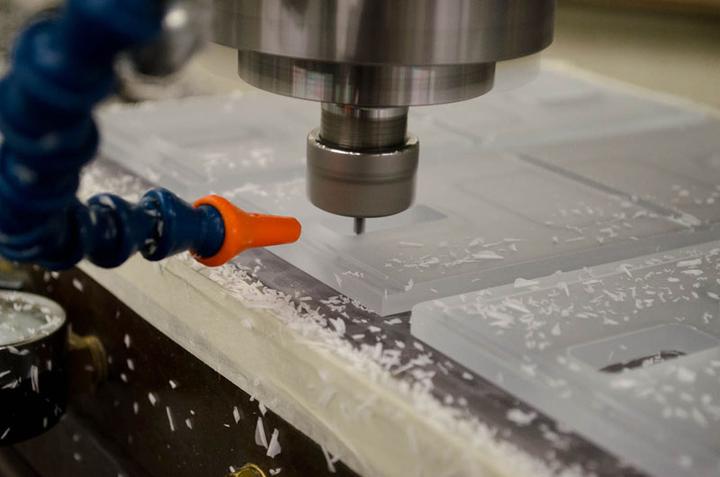
Engineering plastics are also a highly popular choice for CNC machining due to their wide range of options, relatively low cost, and significantly faster processing times. Depending on their properties and applications, plastics are divided into many varieties, such as POM, ABS, PVC, etc. Plastics are characterized by their low density, high strength, and strong plasticity, making them widely used in electronics, automotive manufacturing, environmental protection, and
Wood
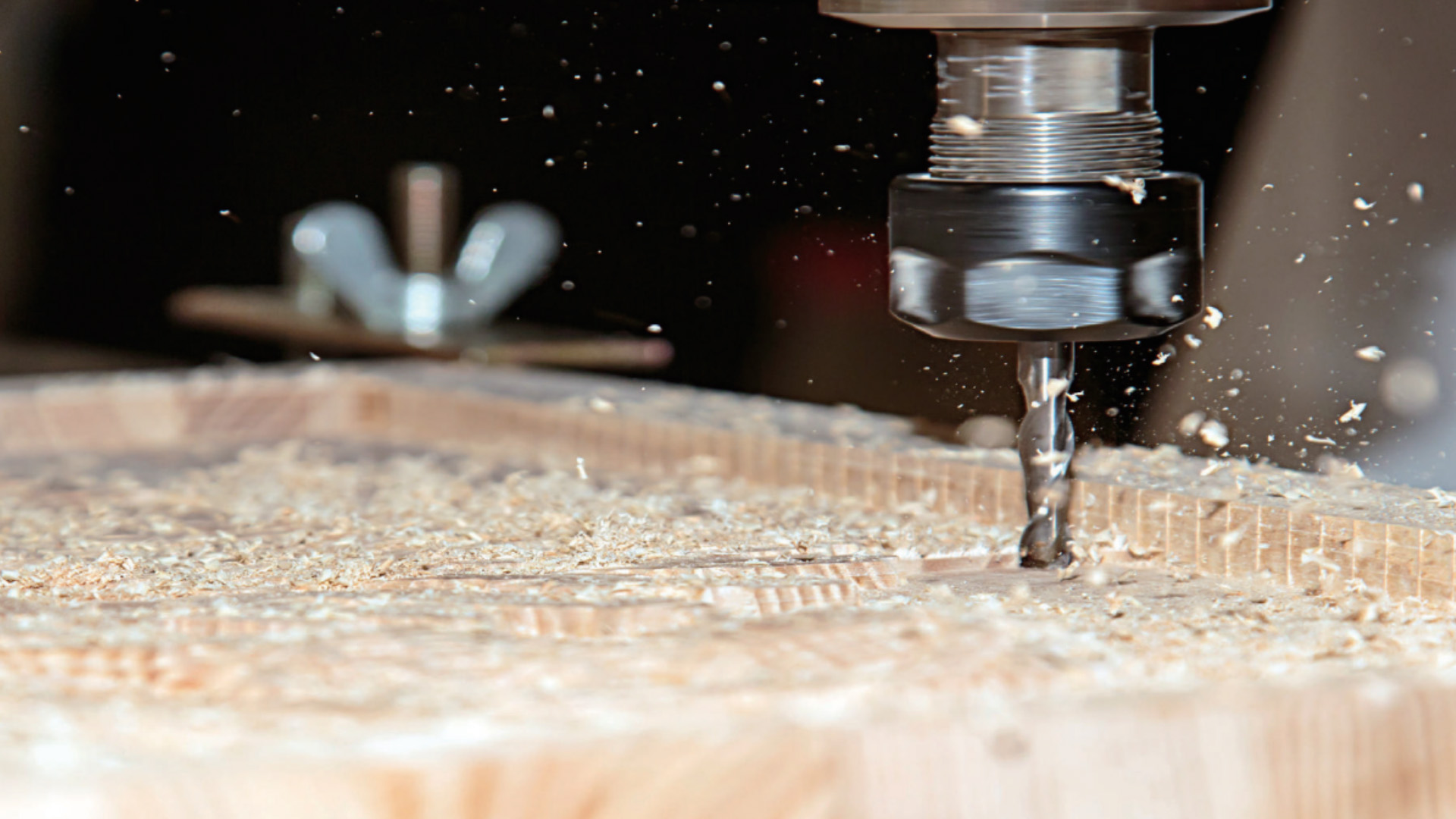
Wood, as a common biomass material, offers advantages such as light weight, high strength, and excellent machinability. CNC machines can create complex designs and shapes in wood, making it a popular choice for woodworking applications. Even with intricate designs, the process achieves precise cutting. Some of the most commonly used types of wood in CNC machining include maple, oak, walnut, birch, and cherry.
Glass Materials
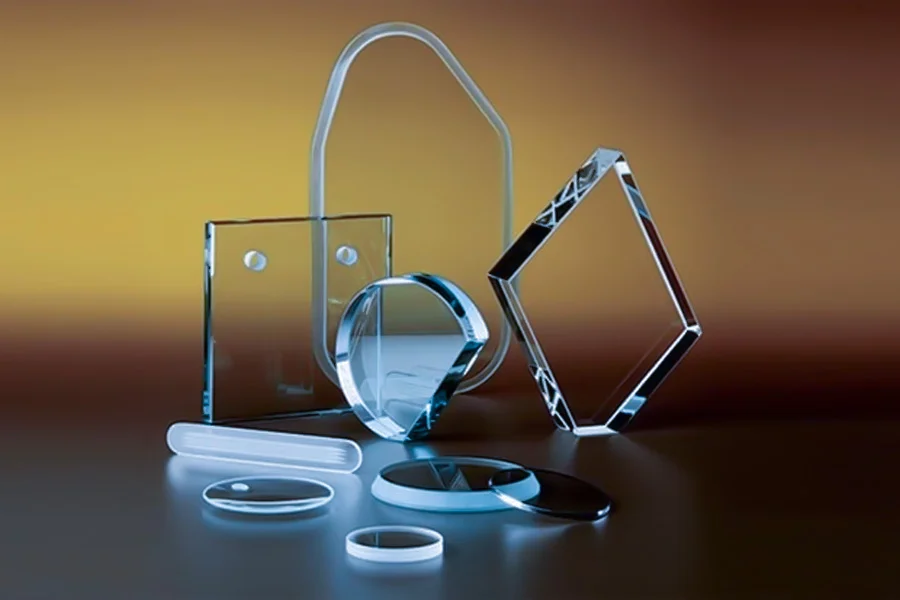
Glass is a common inorganic non-metallic material known for its high transparency, high hardness, and strong compressive resistance. It is widely used in product processing, construction, optics, electronics, and other fields.
Conclusion
Choosing the right material for your CNC machining project is essential for achieving the desired performance, durability, and cost-effectiveness. By considering factors such as mechanical properties, application requirements, machinability, cost, and availability, you can select the best material for your needs. Whether you are working with metals, plastics, or composites, understanding the unique properties and applications of each material will help you make an informed decision and ensure the success of your CNC project.
Dongguan Sanlixin Plastic Technology Co.,Ltd
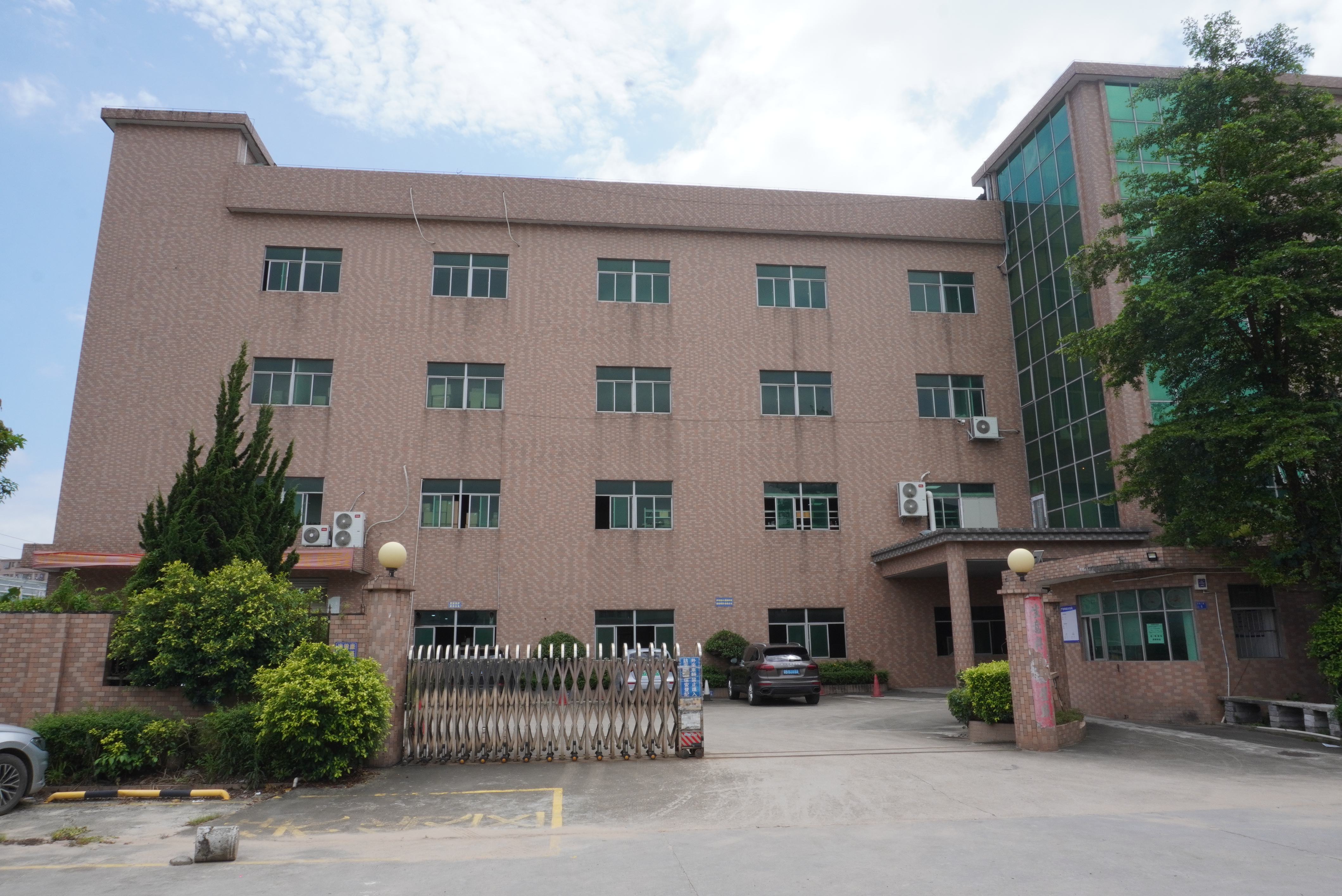
Shenzhen Sanlixin Technology Co., Ltd. and Dongguan Sanlixin Plastic Technology Co., Ltd. is a manufacturer integrating precision plastic mold design, mold opening, single (double) color injection molding, IML injection molding processing, producing various single (double) color, IML process high-end appearance decorative structural parts, two-color buttons, USB dust plugs, panels and other plastic products, providing customers with fast, excellent, Midea all-round service, the company has 15 years of experience in precision plastic mold design, processing and production, with a variety of advanced machine injection molding equipment with excellent quality and fast service to win the trust and strong support of our customers.
Understanding the Difference Between Steel Plate and Structural Steel
What is Waterjet Cutting: Process, Advantages, Applications & Costs