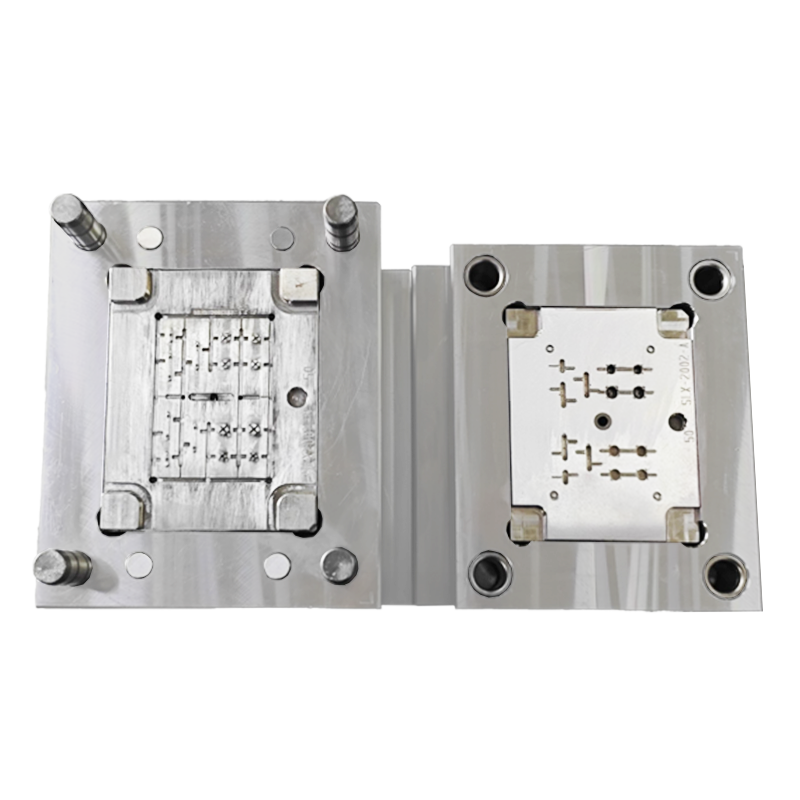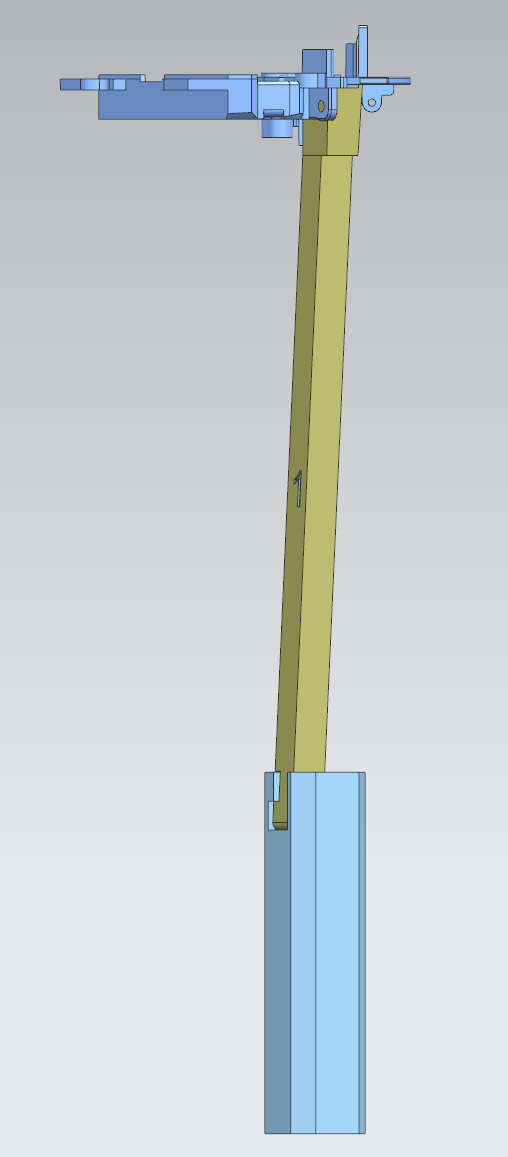
Undercut Machining: Process, Working Principle, and Types of Undercuts in CNC Parts
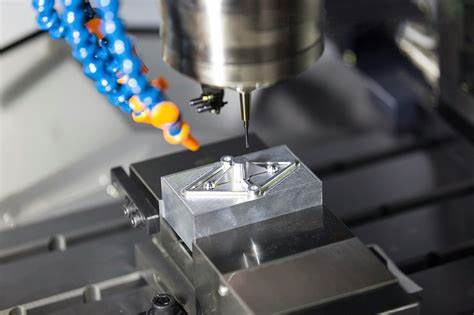
Undercut Machining: Process, Working Principle, and Types of Undercuts in CNC Parts
Introduction
Undercut machining is a specialized CNC (Computer Numerical Control) process used to create features in a part that cannot be produced using standard machining techniques. Undercuts are recessed or indented features that are typically hidden or difficult to access, requiring unique tools and methods to achieve. This article explores the process, working principle, and types of undercuts in CNC parts, as well as their applications and challenges.
What is Undercut Machining?
Undercut machining involves creating features in a workpiece that are recessed beneath the surface or obstructed by other geometries. These features are often used for functional or aesthetic purposes, such as creating grooves, slots, or hidden connections. Undercuts require specialized tools and techniques because standard cutting tools cannot access or machine these areas effectively.
Working Principle of Undercut Machining
Undercut machining relies on specialized tools and precise CNC programming to achieve the desired features:
Specialized Tools
Undercut machining uses tools such as lollipop cutters, T-slot cutters, and custom-designed tools to access and machine recessed areas.
CNC Programming
Precise CNC programming is required to guide the tool along the complex paths needed to create undercuts. This often involves 3D modeling and advanced CAM (Computer-Aided Manufacturing) software.
Multi-Axis Machining
Multi-axis CNC machines (e.g., 5-axis machines) are often used to achieve the necessary angles and movements for undercut machining.
Types of Undercuts in CNC Parts
Undercuts can take various forms depending on the design and functionality of the part. Common types include:
Internal Undercuts
Internal undercuts are recessed features inside a part, such as grooves or channels. These are often used for snap-fit connections or to accommodate seals and gaskets.
External Undercuts
External undercuts are recessed features on the outer surface of a part. They are commonly used for aesthetic purposes or to create interlocking components.
Radial Undercuts
Radial undercuts are curved or circular recesses, often used in cylindrical parts like shafts or housings.
T-Slot Undercuts
T-slot undercuts are used to create T-shaped grooves, which are commonly used for securing components or fixtures.
Applications of Undercut Machining
Undercut machining is used in various industries and applications:
Automotive Industry
Undercuts are used in engine components, transmission parts, and interior fittings to create functional and aesthetic features.
Aerospace Industry
In aerospace, undercuts are used in turbine blades, structural components, and connectors to reduce weight and improve performance.
Medical Devices
Medical devices often require undercuts for snap-fit connections, fluid channels, or ergonomic designs.
Consumer Products
Undercuts are used in consumer products like electronics, appliances, and toys to create hidden connections or decorative features.
Challenges in Undercut Machining
Undercut machining presents several challenges that require careful consideration:
Tool Access
Accessing recessed areas can be difficult, requiring specialized tools and multi-axis machines.
Tool Wear
Undercut machining often involves high stress on tools, leading to increased wear and the need for frequent replacements.
Precision
Creating undercuts requires high precision in both tooling and CNC programming to ensure accurate and consistent results.
Cost
Undercut machining can be more expensive due to the need for specialized tools, advanced machinery, and skilled operators.
Conclusion
Undercut machining is a critical process in CNC manufacturing, enabling the creation of complex and functional features that cannot be achieved with standard techniques. By understanding the working principle, types, and applications of undercuts, manufacturers can leverage this process to enhance the design and functionality of their parts. Despite the challenges, undercut machining offers significant benefits in terms of versatility and precision, making it an essential tool in modern manufacturing.
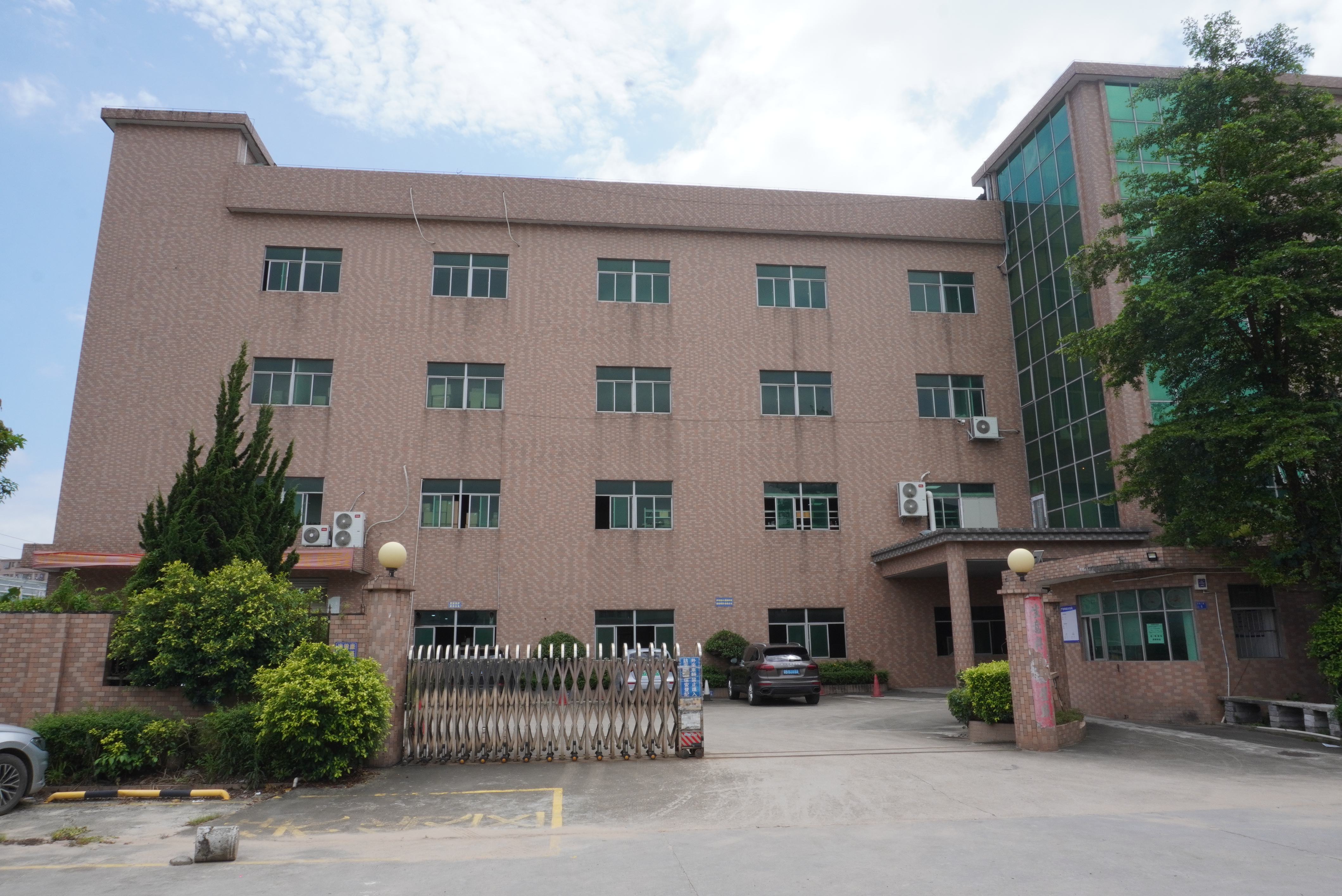
Dongguan Sanlixin Plastic Technology Co.,Ltd
Shenzhen Sanlixin Technology Co., Ltd. and Dongguan Sanlixin Plastic Technology Co., Ltd. is a manufacturer integrating precision plastic mold design, mold opening, single (double) color injection molding, IML injection molding processing, producing various single (double) color, IML process high-end appearance decorative structural parts, two-color buttons, USB dust plugs, panels and other plastic products, providing customers with fast, excellent, Midea all-round service, the company has 15 years of experience in precision plastic mold design, processing and production, with a variety of advanced machine injection molding equipment with excellent quality and fast service to win the trust and strong support of our customers.
What is Waterjet Cutting: Process, Advantages, Applications & Costs
What is Polishing?