What is Profile Milling?
What is Profile Milling?
Introduction to Profile Milling
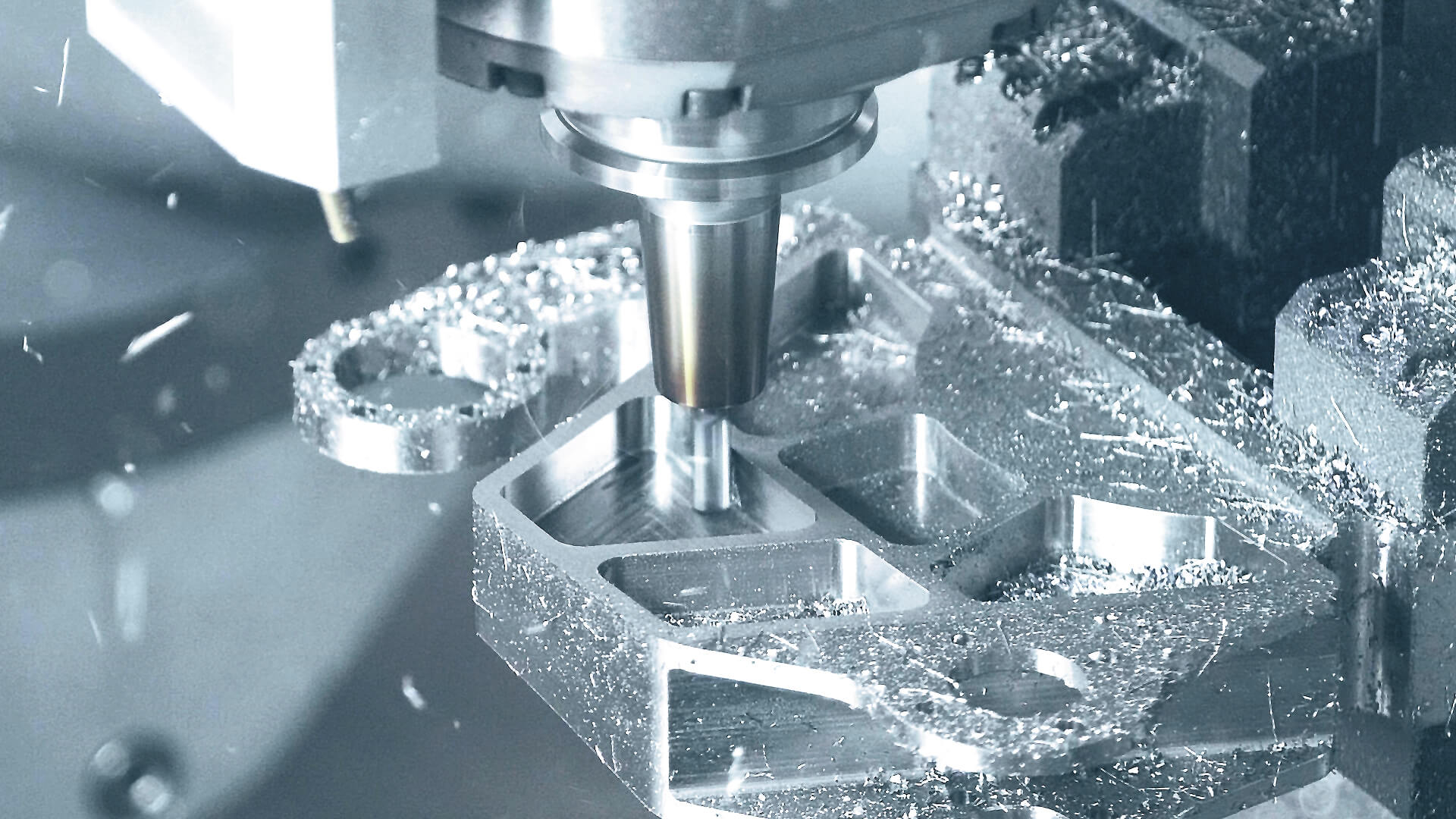
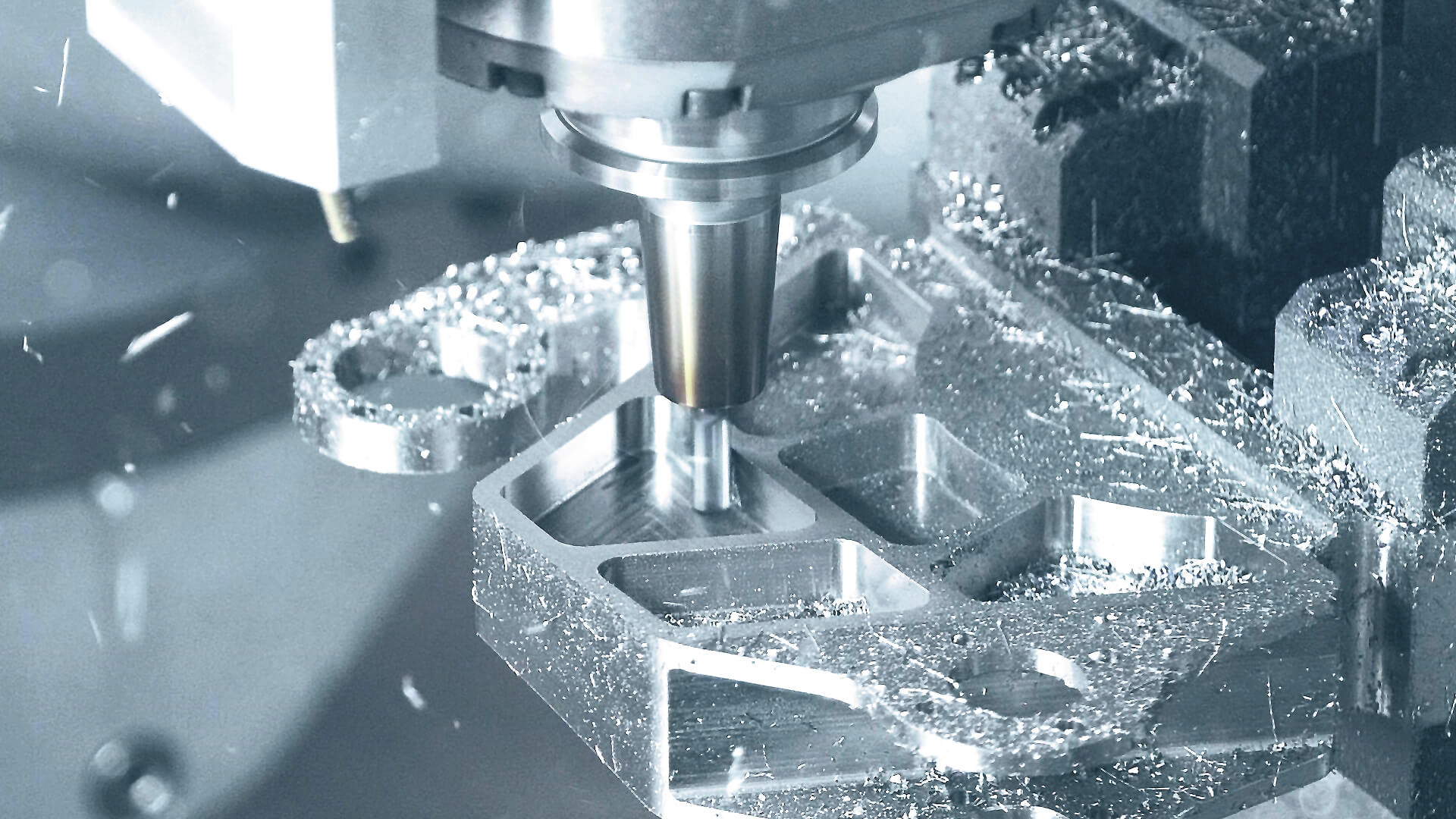
Profile milling is a machining process used to create complex shapes and contours on a workpiece. This process is essential in manufacturing industries where intricate designs and precise geometries are required. Profile milling involves the use of a milling machine equipped with specialized cutting tools that follow a specific path to remove material and achieve the desired profile. This technique is widely used in industries such as aerospace, automotive, and mold making.
How Profile Milling Works
Profile milling is performed using a milling machine, which can be either manual or CNC (Computer Numerical Control). The process involves the following steps:
Setup
The workpiece is securely clamped onto the milling machine's worktable. Proper alignment and fixation are crucial to ensure accuracy and prevent movement during the milling process.
Tool Selection
A profile milling cutter, which can be an end mill, ball nose cutter, or specialized form cutter, is selected based on the material of the workpiece and the desired profile. The cutter is mounted onto the machine's spindle.
Programming
For CNC milling machines, a computer program is created to define the tool path. This program guides the cutter along the specified contours and shapes to achieve the desired profile. The program includes parameters such as spindle speed, feed rate, and depth of cut.
Milling Operation
The spindle rotates the profile milling cutter at high speeds, and the cutter is moved along the predefined path. The cutting edges of the tool remove material in the form of chips, creating the desired profile. The depth of cut and feed rate are carefully controlled to achieve the desired surface quality and dimensional accuracy.
Finishing
After the initial roughing passes, finishing passes may be performed to achieve a smoother surface finish. This involves using a finer feed rate and possibly a different type of cutter.
Key Components of Profile Milling
Several key components and parameters are involved in the profile milling process:
Profile Milling Cutter
The profile milling cutter is the primary tool used in profile milling. It can be an end mill, ball nose cutter, or specialized form cutter, depending on the complexity of the profile. The cutter is made from hard materials such as carbide, ceramic, or high-speed steel.
Milling Machine
The milling machine provides the necessary power and precision to perform the profile milling operation. CNC milling machines offer higher precision and automation, making them suitable for complex and high-volume production.
Workpiece
The workpiece is the material being machined. It can be made from various materials, including metals, plastics, and composites. The choice of material affects the selection of the cutter and machining parameters.
Cutting Parameters
Cutting parameters such as spindle speed, feed rate, and depth of cut are critical to the success of the profile milling process. These parameters must be optimized based on the material and desired outcome.
Advantages of Profile Milling
Profile milling offers several advantages that make it a preferred machining process for creating complex shapes and contours:
High Precision
Profile milling provides high dimensional accuracy and the ability to create intricate geometries, making it suitable for applications requiring tight tolerances.
Versatility
Profile milling can be performed on a wide range of materials and workpiece sizes, making it a versatile machining process.
Efficiency
With the use of advanced CNC milling machines, profile milling can produce complex shapes quickly and efficiently, reducing machining time and costs.
Surface Quality
Profile milling produces smooth and precise surfaces, which are essential for functional and aesthetic purposes in many applications.
Applications of Profile Milling
Profile milling is used in various industries and applications, including:
Aerospace Industry
In the aerospace sector, profile milling is used to machine complex components such as turbine blades, wing ribs, and structural elements.
Automotive Industry
The automotive industry relies on profile milling to produce intricate parts such as engine components, transmission parts, and custom body panels.
Mold Making
Profile milling is essential in the production of molds and dies, where complex shapes and high precision are required.
General Manufacturing
Profile milling is widely used in general manufacturing for creating complex profiles on a variety of parts, including gears, cams, and custom fixtures.
Conclusion
Profile milling is a critical machining process that enables the creation of complex shapes and contours on workpieces. Its versatility, efficiency, and ability to produce precise and high-quality surfaces make it indispensable in various industries. By understanding the principles and advantages of profile milling, manufacturers can optimize their machining processes and achieve superior results in their production operations.
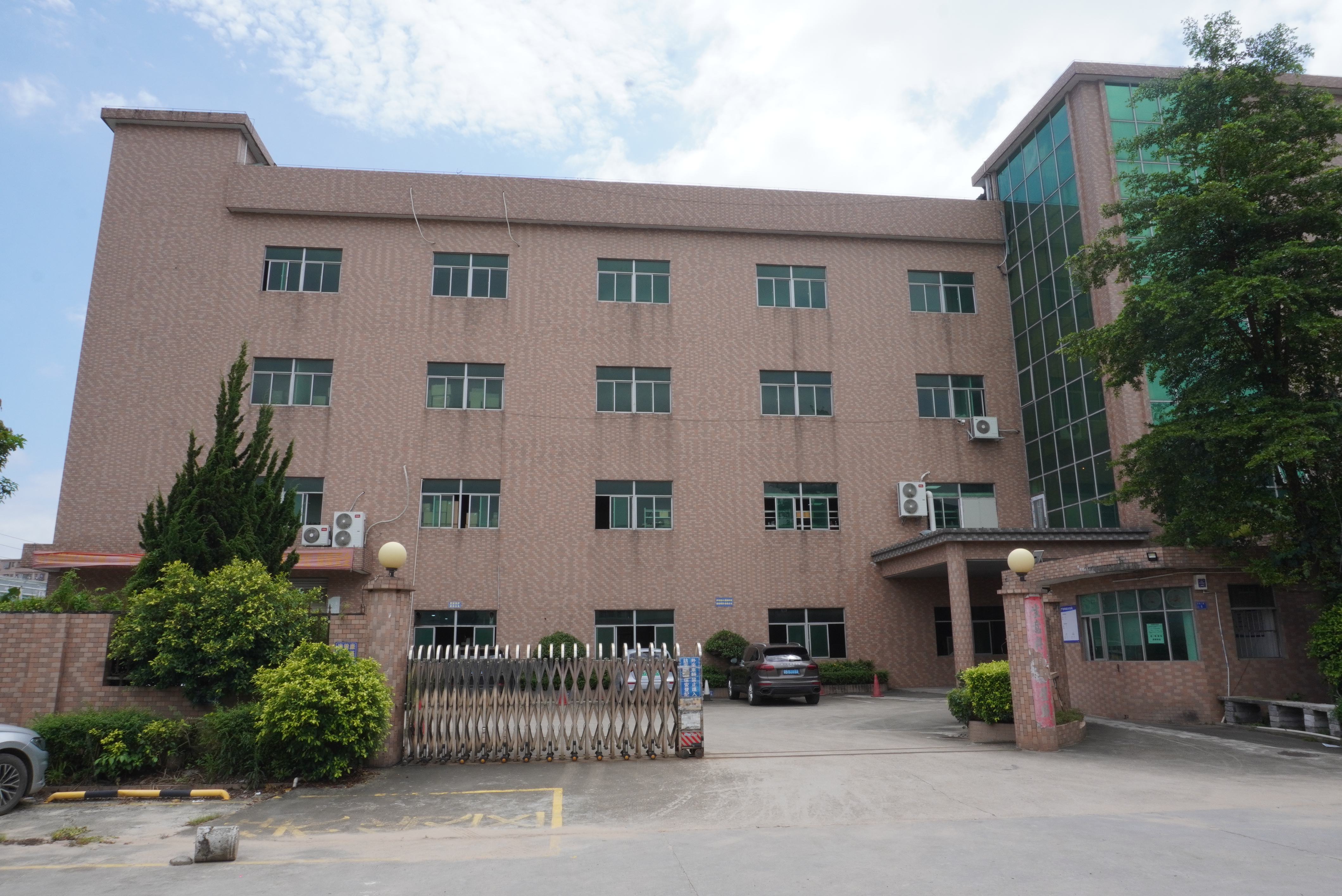
Dongguan Sanlixin Plastic Technology Co.,Ltd
Shenzhen Sanlixin Technology Co., Ltd. and Dongguan Sanlixin Plastic Technology Co., Ltd. is a manufacturer integrating precision plastic mold design, mold opening, single (double) color injection molding, IML injection molding processing, producing various single (double) color, IML process high-end appearance decorative structural parts, two-color buttons, USB dust plugs, panels and other plastic products, providing customers with fast, excellent, Midea all-round service, the company has 15 years of experience in precision plastic mold design, processing and production, with a variety of advanced machine injection molding equipment with excellent quality and fast service to win the trust and strong support of our customers.
Insert Molding Design Guide: A Detailed Guideline
What Is Face Milling?