Carbon Fiber Reinforced Plastic (CFRP): The Game-Changer Behind Aerospace, EVs, and High-Performance Tech
Carbon fiber reinforced plastic (CFRP) boasts exceptional strength-to-weight ratio, resisting corrosion and fatigue, ideal for aerospace, auto, and renewable energy high-performance components.
Table of Contents
1. Introduction: The Lightweight Revolution
2. What is CFRP? Composition and Manufacturing
- Prepreg Layup: Fibers pre-impregnated with resin are layered in precise orientations and cured under heat/pressure in autoclaves. This method, favored for aerospace applications, ensures uniform quality but is energy-intensive .
- Resin Transfer Molding (RTM): Dry fiber mats are injected with resin under pressure, offering faster production cycles ideal for automotive mass production .
- Automated Tape Laying (ATL): Robotic systems apply continuous fiber tapes, reducing waste and improving consistency for large structures like aircraft wings.
3. Key Performance Advantages
- High Strength-to-Weight Ratio: With a tensile strength exceeding 3,000 MPa and a density of only ~1.8 g/cm³, CFRP is up to 80% lighter than steel while maintaining comparable strength .
- Corrosion Resistance: Unlike metals, CFRP does not rust or degrade in harsh environments, reducing maintenance costs in marine or industrial settings.
- Fatigue Durability: It withstands repeated stress cycles better than aluminum, critical for aircraft wings and wind turbine blades.
- Design Flexibility: CFRP can be molded into complex shapes, enabling aerodynamic efficiencies in vehicles and aircraft.
4. Leading CFRP Manufacturers: A Comparative Analysis
4.1 Toray Industries: Aerospace Dominance
- Strengths: Unmatched performance consistency and long-term reliability. Toray supplies 100% of the carbon fiber for Boeing’s 787 Dreamliner, which uses CFRP for 50% of its airframe .
- Weaknesses: Premium pricing (up to $332/kg for aerospace-grade CFRP) and limited 产能 for rapid scaling .
- Applications: Boeing 787/777X, military aircraft, and Formula 1 chassis.
4.2 Hexcel Corporation: Aviation Certification Expertise
- Strengths: Extensive aviation certifications and vertically integrated production (from PAN to finished parts). Hexcel’s materials form 53% of the Airbus A350’s fuselage .
- Weaknesses: Higher dependency on aerospace demand, slower adoption in automotive markets.
- Applications: Airbus A350/A380, Sikorsky helicopters, and wind turbine blades.
4.3 Teijin Limited: Airbus Partnerships
- Strengths: Innovations in thermoplastic matrices (for faster curing) and strategic partnerships. Teijin supplies 30% of the CFRP used in Airbus A350 wings .
- Weaknesses: Limited market share in automotive compared to SGL.
- Applications: Airbus A350, Toyota’s hydrogen storage tanks, and sports equipment.
4.4 SGL Carbon: Automotive Cost Innovations
- Strengths: Breakthroughs in high-volume production (e.g., BMW i3’s CFRP passenger cell). SGL’s materials reduce EV body weight by 300–400kg .
- Weaknesses: Lower performance ceiling (max tensile strength: 4.5 GPa) compared to Toray/Hexcel.
- Applications: BMW i3/i8, Tesla Cybertruck components, and battery enclosures.
4.5 Chinese Manufacturers: Emerging Competitors
- Strengths: Lower production costs (20–30% cheaper than Japanese rivals) and government subsidies .
- Weaknesses: Inconsistent quality in high-end applications; 45% reliance on imported T800+ fibers .
- Applications: Comac C919, wind turbines, and mass-market EV parts.
5. Aerospace Applications: Redefining Flight
- Boeing 787: 50% of its structure (including wings and fuselage) uses Toray’s CFRP, reducing weight by 20% and cutting fuel consumption by 15% .
- Airbus A350: Relies on Hexcel and Teijin CFRP for 53% of its airframe, enabling a 25% reduction in maintenance costs due to corrosion resistance .
- Nikkiso’s Cascade Components: This Japanese firm dominates the global market for CFRP aircraft engine 阻流器 (90% market share), with over 800,000 units shipped since 1984. These components withstand temperatures exceeding 150°C while reducing engine weight by 40% .
6. EV Industry: Lightweighting for Longer Range
- BMW i3: Pioneered CFRP passenger cells in mass production, achieving a 30% weight reduction versus steel. This translates to a 10–15% increase in 续航里程 .
- NIO ET7: Uses CFRP for roof rails and battery enclosures, cutting 30kg from the chassis while enhancing crash safety .
- Tesla Cybertruck: Incorporates CFRP-GFRP hybrids in its exoskeleton, balancing cost and durability for pickup truck applications.
7. High-Performance Tech Beyond Transportation
- Wind Energy: 6MW+ turbine blades use CFRP to achieve lengths over 100m, capturing more energy while resisting fatigue .
- Sports Equipment: Tennis rackets, bicycle frames, and Formula 1 cars leverage CFRP’s stiffness-to-weight ratio for competitive advantage.
- Civil Engineering: Bridges and buildings use CFRP reinforcement to extend lifespans by 50+ years without corrosion issues .
- Space Exploration: Rocket fairings and satellite structures rely on CFRP’s low thermal expansion for precision in extreme environments.
8. Current Challenges and Limitations
- High Costs: Aerospace-grade CFRP costs $150–332/kg, 5–10x more than aluminum. Raw material prices (PAN precursor) and energy-intensive manufacturing drive this .
- Recycling Complexity: Thermoset resins (used in 80% of CFRP) are difficult to break down. Chemical recycling achieves 92% fiber recovery but remains costly .
- Design Constraints: CFRP’s anisotropic properties require specialized engineering; improper fiber orientation can lead to catastrophic failure.
- Supply Chain Risks: Japan controls 70% of high-end fiber production, creating geopolitical vulnerabilities .
9. Future Trends: Innovations on the Horizon
- Thermoplastic Matrices: These enable faster curing (minutes vs. hours) and easier recycling, targeting automotive mass production .
- Automated Manufacturing: 3D printing and AI-driven layup systems will reduce labor costs by 40% by 2030 .
- Bio-Based Resins: Companies like Teijin are developing plant-derived matrices to reduce carbon footprints.
- Hybrid Composites: CFRP-aluminum and CFRP-magnesium blends will balance cost and performance for mid-range applications.
10. Conclusion: The Material of Tomorrow
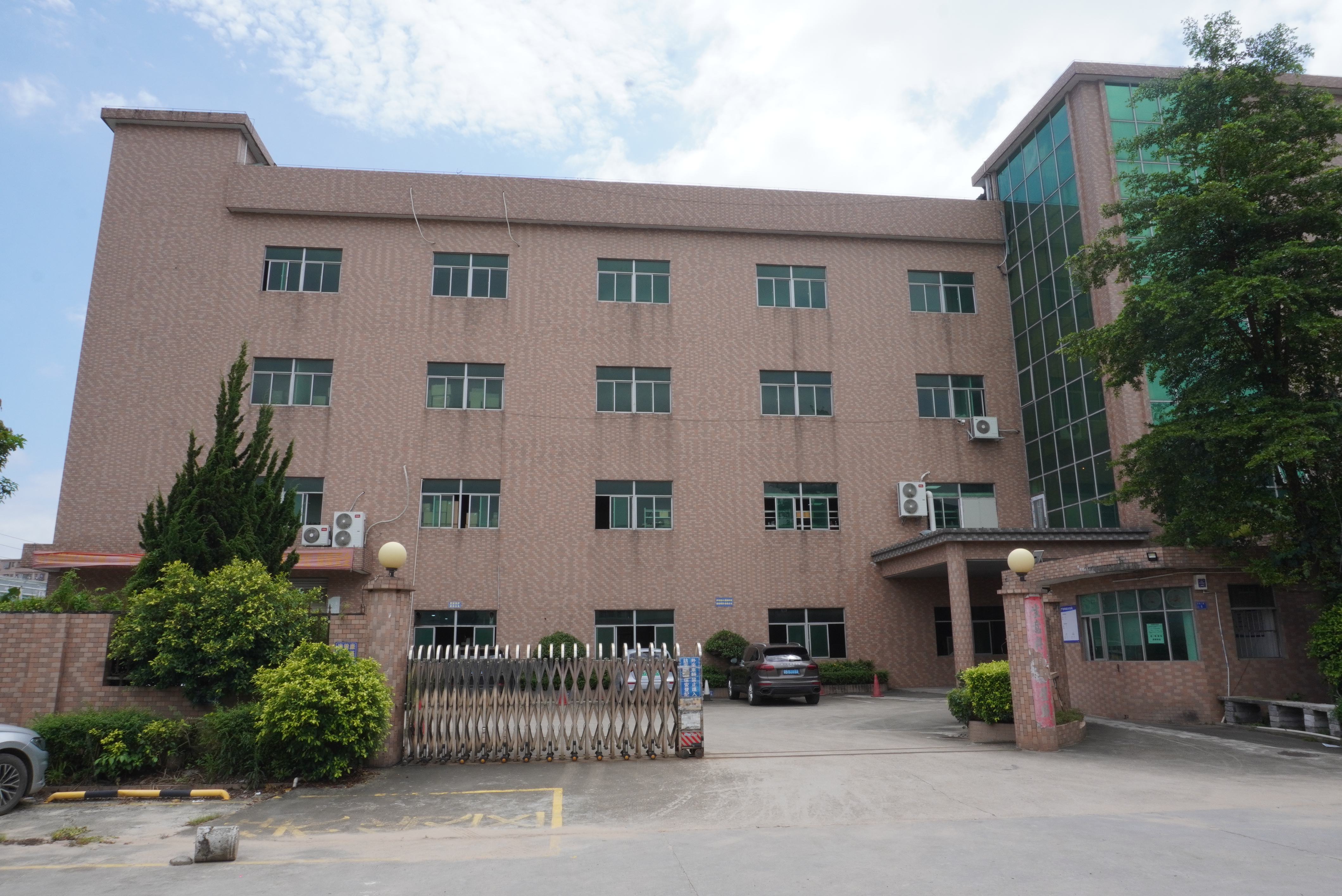
Dongguan Sanlixin Plastic Technology Co.,Ltd
Shenzhen Sanlixin Technology Co., Ltd. and Dongguan Sanlixin Plastic Technology Co., Ltd. is a manufacturer integrating precision plastic mold design, mold opening, single (double) color injection molding, IML injection molding processing, producing various single (double) color, IML process high-end appearance decorative structural parts, two-color buttons, USB dust plugs, panels and other plastic products, providing customers with fast, excellent, Midea all-round service, the company has 15 years of experience in precision plastic mold design, processing and production, with a variety of advanced machine injection molding equipment with excellent quality and fast service to win the trust and strong support of our customers.
How is Mold Made? Unraveling the Mystery of Injection Molding
Cost Reduction Milestone: New Mold Design Cuts Molded Parts Production Time by 30% for Consumer Goods Makers