Why CFRP Is Taking Over Industries: Unpacking Carbon Fiber Reinforced Plastic’s Strengths & Uses
Carbon fiber reinforced plastic (CFRP) delivers ultra-high strength with minimal weight, excels in corrosion resistance, and powers critical parts for aerospace, EVs, and precision medical devices.

Table of Contents
- Introduction: The Rise of CFRP in a Material-Driven World
- What Is Carbon Fiber Reinforced Plastic (CFRP)? A Fundamental Breakdown
- Core Strengths of CFRP: Why It Outperforms Traditional Materials
3.1 High Strength-to-Weight Ratio: The Game-Changing Advantage
3.2 Exceptional Corrosion Resistance: Durability Across Environments
3.3 Superior Fatigue Resistance: Longevity Under Stress
3.4 Design Flexibility: Tailoring to Industry Needs
3.5 Low Thermal Expansion Coefficient: Stability in Extreme Temperatures - CFRP Across Industries: Transforming Key Sectors
4.1 Aerospace & Defense: Lightweighting for Efficiency and Performance
4.2 Automotive: Driving Toward Electrification and Sustainability
4.3 Energy: Enhancing Reliability in Renewable and Traditional Power
4.4 Construction & Infrastructure: Reinforcing Durability and Safety
4.5 Medical Devices: Precision and Biocompatibility for Patient Care
4.6 Sports & Recreation: Elevating Performance for Athletes - Professional Perspectives: Experts Weigh In on CFRP’s Impact
- Challenges Facing CFRP: Barriers to Wider Adoption
6.1 High Production Costs: Raw Materials and Manufacturing
6.2 Recycling Complexity: Addressing Sustainability Gaps
6.3 Processing Limitations: Speed and Scalability - Future Trends: Innovations Shaping CFRP’s Next Chapter
7.1 Cost Reduction Technologies: Making CFRP Accessible
7.2 Advanced Recycling Solutions: Closing the Circular Loop
7.3 Hybrid Composites: Combining Strengths - Conclusion: CFRP as a Cornerstone of Future Industry
1. Introduction: The Rise of CFRP in a Material-Driven World
2. What Is Carbon Fiber Reinforced Plastic (CFRP)? A Fundamental Breakdown
- Carbon Fiber: The “reinforcement” phase, responsible for providing strength and stiffness.
- Polymer Matrix: The “matrix” phase, typically a thermosetting resin (e.g., epoxy, polyester) or thermoplastic (e.g., polyetheretherketone, PEEK), which holds the carbon fibers in place, distributes stress evenly, and protects the fibers from damage.
How CFRP Is Manufactured
Step 1: Producing Carbon Fiber
- Stabilization: The PAN fibers are heated to ~200–300°C in air to make them non-flammable and chemically stable. This step prevents the fibers from melting or burning in subsequent stages.
- Carbonization: The stabilized fibers are heated to ~1,000–1,800°C in an oxygen-free (inert) atmosphere (usually nitrogen). This removes non-carbon elements (hydrogen, oxygen, nitrogen) from the PAN, leaving behind a fiber composed of ~90–95% carbon.
- Graphitization (Optional): For high-performance carbon fibers, the carbonized fibers are heated to ~2,000–3,000°C. This aligns the carbon atoms into a crystalline structure (similar to graphite), increasing stiffness and thermal conductivity.
Step 2: Fabricating CFRP Composites
- Hand Lay-Up: A manual process where carbon fiber sheets (called “prepregs,” which are pre-impregnated with resin) are layered onto a mold. This is cost-effective for small batches but labor-intensive.
- Filament Winding: Carbon fiber filaments are wrapped around a rotating mold (mandrel) at precise angles, then cured. Ideal for cylindrical parts like pipes or pressure vessels.
- Resin Transfer Molding (RTM): A mold is filled with dry carbon fiber fabric, then resin is injected under pressure to saturate the fibers. This method produces high-quality, consistent parts and is suitable for medium-to-large production runs.
- Automated Tape Laying (ATL) & Automated Fiber Placement (AFP): Computer-controlled machines lay down carbon fiber tape or filaments onto a mold, enabling precise fiber orientation and high production speeds. These methods are widely used in aerospace and automotive for large, complex parts.
3. Core Strengths of CFRP: Why It Outperforms Traditional Materials
3.1 High Strength-to-Weight Ratio: The Game-Changing Advantage
- CFRP has a tensile strength (the ability to resist being pulled apart) of ~3,000–7,000 MPa (megapascals), compared to steel’s ~400–2,000 MPa and aluminum’s ~200–600 MPa.
- Yet, CFRP is 50% lighter than steel and 30% lighter than aluminum.
3.2 Exceptional Corrosion Resistance: Durability Across Environments
- Offshore oil and gas platforms, where components are exposed to saltwater and harsh chemicals.
- Marine vessels, such as yachts and submarines, which need to withstand long-term immersion in seawater.
- Chemical processing plants, where equipment comes into contact with acids and solvents.
3.3 Superior Fatigue Resistance: Longevity Under Stress
3.4 Design Flexibility: Tailoring to Industry Needs
- Fiber Orientation: Carbon fibers can be aligned in specific directions (e.g., 0°, 90°, ±45°) to optimize strength and stiffness for the part’s intended use. For example, a wing spar might have fibers aligned along the length to resist bending, while ±45° fibers resist torsion.
- Part Integration: CFRP can be molded into complex, one-piece structures that replace multiple metal parts. For example, in automotive manufacturing, a single CFRP dashboard frame can replace 15+ steel components, reducing assembly time and weight.
- Surface Finish: CFRP can be produced with smooth, high-gloss surfaces (ideal for sports equipment or luxury goods) or textured surfaces (for grip in tools or medical devices).
3.5 Low Thermal Expansion Coefficient: Stability in Extreme Temperatures
4. CFRP Across Industries: Transforming Key Sectors
4.1 Aerospace & Defense: Lightweighting for Efficiency and Performance
Commercial Aviation
- The Boeing 787 Dreamliner uses CFRP for ~50% of its structural weight (including the fuselage, wings, and tail). This has reduced the plane’s weight by ~20% compared to previous models, leading to a 15–20% reduction in fuel consumption.
- The Airbus A350 XWB uses CFRP for ~53% of its structural weight, resulting in similar fuel savings and a 25% reduction in CO₂ emissions.
Military Aviation & Defense
- The Lockheed Martin F-35 Lightning II uses CFRP for ~35% of its airframe, including the wings and skin. This reduces the jet’s weight, allowing it to achieve higher speeds and better maneuverability.
- CFRP is also used in missile casings and armor plating. Its high strength-to-weight ratio means that armor made from CFRP is lighter than steel armor but offers the same level of protection, improving the mobility of military vehicles.
4.2 Automotive: Driving Toward Electrification and Sustainability
Electric Vehicles (EVs)
- Tesla: The Tesla Model S and Model 3 use CFRP in their battery packs, floor pans, and rear bumpers. Tesla has reported that CFRP components reduce the vehicle’s weight by ~10%, extending range by ~5–10%.
- BMW: The BMW i3, an all-electric city car, uses a CFRP passenger cell (the “Life Module”), which is 50% lighter than a steel cell. This allows the i3 to have a longer range despite its smaller battery.
Internal Combustion Engine (ICE) Vehicles
4.3 Energy: Enhancing Reliability in Renewable and Traditional Power
Wind Energy
- Fatigue Resistance: As mentioned earlier, CFRP blades can withstand millions of stress cycles without failing.
- Light Weight: Lighter blades require less energy to rotate, increasing the turbine’s efficiency.
- Corrosion Resistance: CFRP blades are not affected by rain, saltwater (for offshore turbines), or UV radiation, reducing maintenance costs.
Oil & Gas
- CFRP pipes can withstand the harsh chemicals and saltwater found in offshore oilfields, reducing the need for expensive anti-corrosion coatings.
- CFRP risers are lighter than steel risers, making them easier to install and reducing the load on offshore platforms.
4.4 Construction & Infrastructure: Reinforcing Durability and Safety
Structural Reinforcement
- Bridges: CFRP sheets are bonded to the underside of bridge decks to reinforce them against bending and cracking. For example, the Golden Gate Bridge in San Francisco used CFRP to reinforce its suspender cables, extending their lifespan by 20+ years.
- Buildings: CFRP rods are used to replace steel rebar in concrete columns and beams. Unlike steel rebar, CFRP rods do not corrode, so they can extend the lifespan of concrete structures by 30–50 years.
New Construction
- High-Rise Buildings: CFRP columns and beams are lighter than steel, allowing for more flexible floor plans and reducing the load on the building’s foundation. For example, the 32-story Deutsches Haus in Düsseldorf, Germany, uses CFRP-reinforced concrete columns, reducing the building’s weight by 15%.
- Stadiums: CFRP is used in the roofs of stadiums to create large, spanning structures without the need for heavy steel supports. The Tokyo Olympic Stadium, built for the 2020 Olympics, uses CFRP in its roof, reducing the roof’s weight by 40% compared to a steel roof.
4.5 Medical Devices: Precision and Biocompatibility for Patient Care
Prosthetics and Orthotics
- Prosthetic Legs: CFRP prosthetic legs are 50% lighter than steel or aluminum prosthetics, reducing fatigue for users. They also have a natural “spring” to them, making walking and running more comfortable.
- Spinal Braces: CFRP spinal braces are lightweight and rigid, providing support for patients with spinal injuries or conditions like scoliosis. The material’s low thermal conductivity also makes the braces more comfortable to wear for long periods.
Surgical Instruments and Implants
- Surgical Tools: CFRP surgical instruments are lightweight and have a high stiffness, allowing surgeons to make precise incisions. They are also non-magnetic, making them safe for use in MRI machines.
- Dental Implants: CFRP dental implants are biocompatible and resistant to corrosion, making them a viable alternative to titanium implants. They also have a similar color to natural teeth, improving aesthetics.
4.6 Sports & Recreation: Elevating Performance for Athletes
Cycling
- Lightweight: A CFRP road bike frame weighs ~700–900 grams, compared to a steel frame’s ~1.5–2 kg. This reduces the rider’s effort, especially during climbs.
- Stiff: CFRP frames have high stiffness, transferring more of the rider’s power to the wheels.
- Vibration-Damping: Unlike steel or aluminum, CFRP absorbs road vibrations, making for a smoother ride.
Other Sports Equipment
- Tennis Rackets: CFRP tennis rackets are lighter and stiffer than aluminum rackets, allowing for faster swings and more power. They also have a larger “sweet spot,” reducing the impact of off-center hits.
- Golf Clubs: CFRP golf club shafts are lighter than steel shafts, allowing golfers to swing faster and hit the ball farther. The material’s flexibility also helps with accuracy.
- Skiing and Snowboarding: CFRP ski and snowboard cores are lightweight and strong, providing better control and responsiveness on the slopes.
5. Professional Perspectives: Experts Weigh In on CFRP’s Impact
Dr. Sarah Chen, Senior Materials Engineer at Airbus
Michael Torres, Director of Materials Research at Tesla
Dr. James Wilson, Wind Energy Specialist at the National Renewable Energy Laboratory (NREL)
Dr. Lisa Wong, Biomedical Engineer at Johnson & Johnson
6. Challenges Facing CFRP: Barriers to Wider Adoption
6.1 High Production Costs: Raw Materials and Manufacturing
Raw Material Costs
Manufacturing Costs
- Hand lay-up is labor-intensive, requiring skilled workers to layer the carbon fiber sheets.
- Automated processes like AFP and ATL require expensive machinery (costing $1–$5 million per machine) and specialized software.
- Curing the composite can take hours (or even days) for large parts, slowing down production.
6.2 Recycling Complexity: Addressing Sustainability Gaps
- Mechanical Recycling: The composite is shredded or ground into small particles, then the fibers are separated from the matrix. However, this process damages the fibers, reducing their strength by 30–50%. Recycled fibers from mechanical recycling are only suitable for low-performance applications (e.g., fillers in concrete).
- Chemical Recycling: The composite is treated with chemicals (e.g., acids, solvents) or heated in a controlled environment to break down the polymer matrix, leaving the carbon fibers intact. This method produces high-quality recycled fibers, but it’s expensive and requires specialized facilities.
6.3 Processing Limitations: Speed and Scalability
- A steel car body can be stamped in ~10 seconds, while a CFRP car body made using RTM can take ~30 minutes to an hour to produce.
- Even automated processes like AFP are slower than steel stamping, with a typical production rate of ~1–2 meters per minute for carbon fiber placement.
7. Future Trends: Innovations Shaping CFRP’s Next Chapter
7.1 Cost Reduction Technologies: Making CFRP Accessible
Low-Cost Precursor Materials
Automated Manufacturing
- Robotic Hand Lay-Up: Robots equipped with vision systems can lay down carbon fiber sheets faster and more accurately than humans, reducing production time by 50%.
- Continuous Fiber 3D Printing: Companies like Markforged and Stratasys are developing 3D printers that can print CFRP parts in one continuous process, eliminating the need for molds and reducing production time from hours to minutes.
Scale-Up of Production
7.2 Advanced Recycling Solutions: Closing the Circular Loop
Chemical Recycling Breakthroughs
Bio-Based Matrices
Circular Economy Models
7.3 Hybrid Composites: Combining Strengths
CFRP-Glass Fiber Hybrids
CFRP-Metal Hybrids
CFRP-Natural Fiber Hybrids
8. Conclusion: CFRP as a Cornerstone of Future Industry
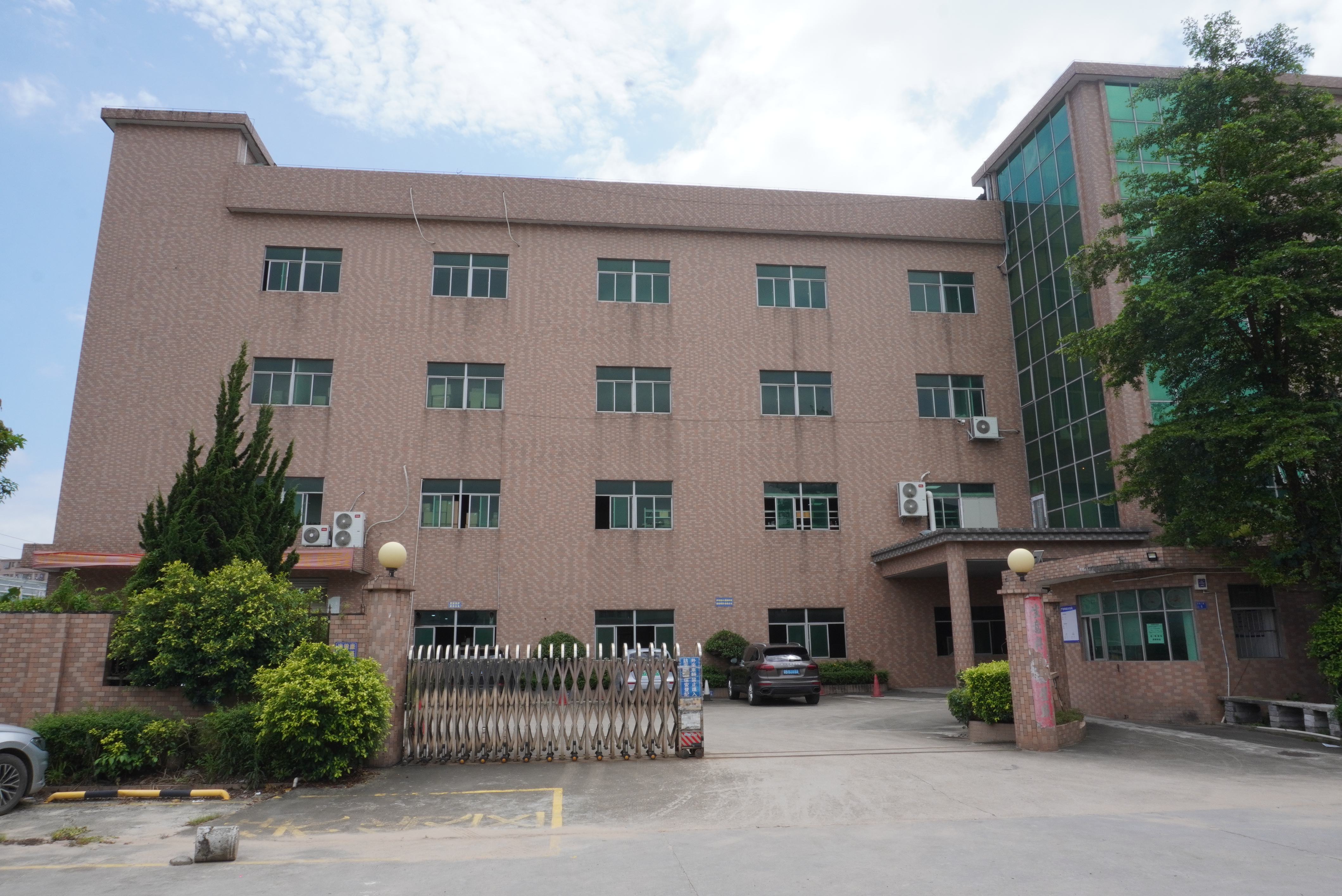
Dongguan Sanlixin Plastic Technology Co.,Ltd
Shenzhen Sanlixin Technology Co., Ltd. and Dongguan Sanlixin Plastic Technology Co., Ltd. is a manufacturer integrating precision plastic mold design, mold opening, single (double) color injection molding, IML injection molding processing, producing various single (double) color, IML process high-end appearance decorative structural parts, two-color buttons, USB dust plugs, panels and other plastic products, providing customers with fast, excellent, Midea all-round service, the company has 15 years of experience in precision plastic mold design, processing and production, with a variety of advanced machine injection molding equipment with excellent quality and fast service to win the trust and strong support of our customers.
How Much Does Carbon Fiber Reinforced Polymer (CFRP) Cost Per kg? A Guide to Pricing Factors & Variations
How is Mold Made? Unraveling the Mystery of Injection Molding