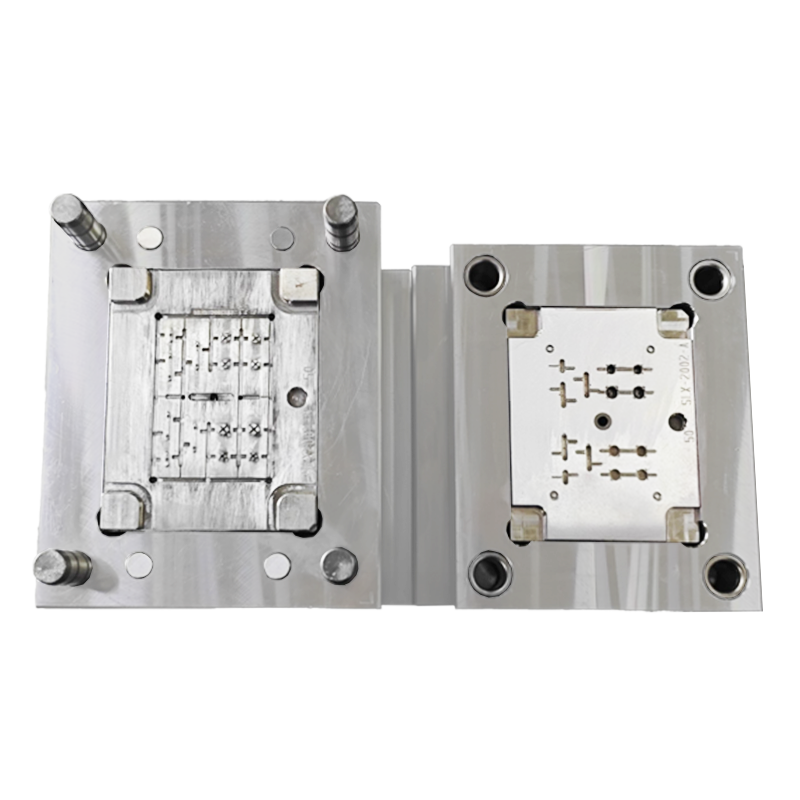
The Role of Injection Molding in Face Shell Bracket Manufacturing
- Why Injection Molding is the Preferred Method for Face Shell Brackets
- 3. The Injection Molding Process for Face Shell Brackets
- 4. Critical Parameters Shaping Face Shell Bracket Quality
- Expert Insights: Optimizing Injection Molding for Face Shell Brackets
- General Injection Mold Process Parameter Table
- FAQs: Common Challenges in Face Shell Bracket Molding
2.1 Precision Engineering for Tight Tolerances
2.2 Design Flexibility for Complex Geometries
- Undercuts for snap-fit assemblies
- Textured surfaces for anti-slip grips
- Lightweight honeycomb structures for strength-to-weight balance
2.3 Cost-Effective Mass Production at Scale
3. The Injection Molding Process for Face Shell Brackets
- Use software like Moldflow to simulate melt flow and predict weld lines
- Incorporate draft angles (1–2°) for easy part ejection
- Design conformal cooling channels to reduce cycle times by 20%–30%Mold materials—such as H13 tool steel (for 100k+ cycles) or aluminum (for rapid prototyping)—are chosen based on production volume and resin type.
3.2 Material Selection: Balancing Performance and Aesthetics
- ABS: Offers high impact resistance and excellent surface finish for consumer electronics
- PC: Provides heat resistance (up to 130°C) and optical clarity for automotive dash components
- POM: Delivers superior stiffness and low friction for mechanical bracketsHygroscopic materials like nylon require pre-drying to <0.1% moisture to avoid surface defects.
3.3 Machine Setup and Process Execution
- Clamping: The mold closes with force calculated by part projection area (1–3 tons/in²) to prevent flash
- Injection: Melted resin (e.g., 240–260°C for ABS) is injected at 800–1500 bar pressure to fill complex cavities
- Cooling: Mold temperature (50–80°C) and coolant flow are optimized to solidify parts without warpage
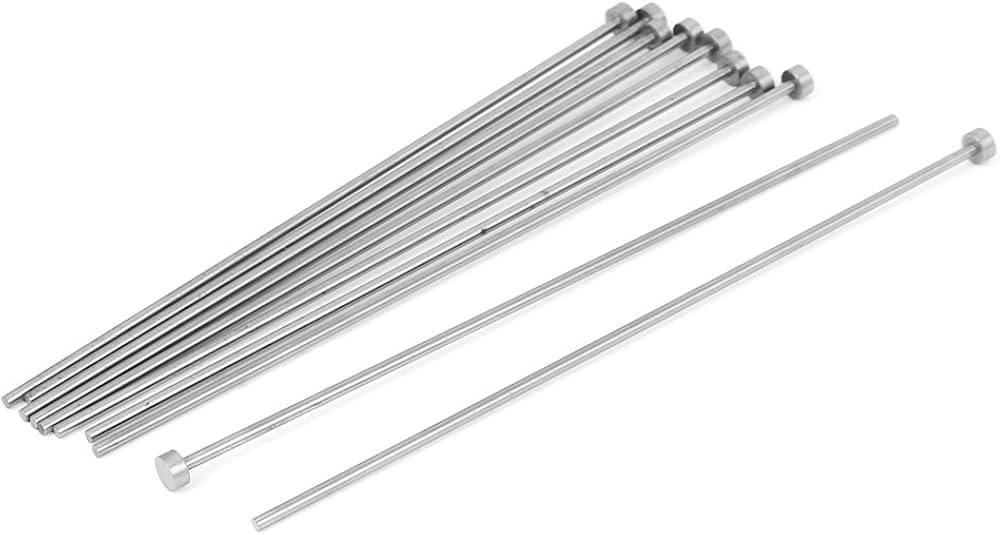
- Ejection: Ejector pins release the part, designed to avoid marks on visible surfaces
- Deburring: Removing flash from gate locations
- Painting/Plating: Adding color or protective coatings (e.g., UV-resistant paint for outdoor brackets)
- Heat Treatment: Improving mechanical properties for load-bearing brackets
4. Critical Parameters Shaping Face Shell Bracket Quality
|
Parameter
|
Impact on Face Shell Brackets
|
Typical Range (ABS Resin)
|
|
Melt Temperature
|
Controls flowability; too high causes discoloration
|
220–260°C
|
|
Injection Speed
|
Affects weld line formation; faster speeds reduce defects
|
50–150 mm/s
|
|
Cooling Time
|
Determines warpage risk; insufficient cooling causes deformation
|
15–30 seconds
|
|
Clamping Force
|
Prevents mold separation; inadequate force leads to flash
|
100–300 tons (part size-dependent)
|
|
Gate Location
|
Influences melt flow balance; edge gates for simple shapes, point gates for complex designs
|
Varies by design
|
5. Expert Insights: Optimizing Injection Molding for Face Shell Brackets
6. General Injection Mold Process Parameter Table
|
Process Stage
|
Prototyping (Low Volume)
|
Mass Production (High Volume)
|
High-Precision Medical Brackets
|
|
Melt Temperature
|
200–230°C (PP/ABS)
|
240–280°C (PC/ABS blends)
|
280–320°C (PEI/POM)
|
|
Injection Pressure
|
600–1000 bar
|
1200–2000 bar
|
1800–2500 bar (thin-wall designs)
|
|
Cooling Time
|
10–20 seconds
|
20–40 seconds
|
30–60 seconds (dimensional stability)
|
|
Clamping Force
|
50–100 tons
|
150–300 tons
|
200–400 tons (tight tolerance parts)
|
|
Ejection Speed
|
50 mm/s (gentle ejection)
|
80 mm/s (robust parts)
|
30 mm/s (delicate medical components)
|
7. FAQs: Common Challenges in Face Shell Bracket Molding
- Increasing mold temperature to slow solidification
- Thickening wall sections (avoiding <0.8mm for ABS)
- Using vacuum-assisted molding to improve material packing
- Melt temperature (to prevent yellowing in PC)
- Mold surface finish (polished to Ra ≤ 0.05μm)
- Gate design (edge gates to minimize flow lines)
- Conformal cooling channels (3D-printed for complex geometries)
- High-conductivity mold materials (beryllium copper for fast heat dissipation)
- Automated parameter tuning to shorten cooling by 10%–15%
- In-line color sensors to monitor pigment distribution
- Regular mold cleaning (every 5,000 cycles) to prevent color contamination
- Standardized resin drying protocols (dew point < -40°C for hygroscopic materials)
Dongguan Sanlixin Plastic Technology Co.,Ltd
Shenzhen Sanlixin Technology Co., Ltd. and Dongguan Sanlixin Plastic Technology Co., Ltd. is a manufacturer integrating precision plastic mold design, mold opening, single (double) color injection molding, IML injection molding processing, producing various single (double) color, IML process high-end appearance decorative structural parts, two-color buttons, USB dust plugs, panels and other plastic products, providing customers with fast, excellent, Midea all-round service, the company has 15 years of experience in precision plastic mold design, processing and production, with a variety of advanced machine injection molding equipment with excellent quality and fast service to win the trust and strong support of our customers.
The Perfect Union of Metal and Plastic: Insert Molding Technology Unlocks New Possibilities for Smart Hardware Design
Precision Pathways: How Custom CNC Milling Shapes the Future of Plastic Mold Tooling