Injection Molds for Automotive Parts Applications
About Auto Parts Injection Molds
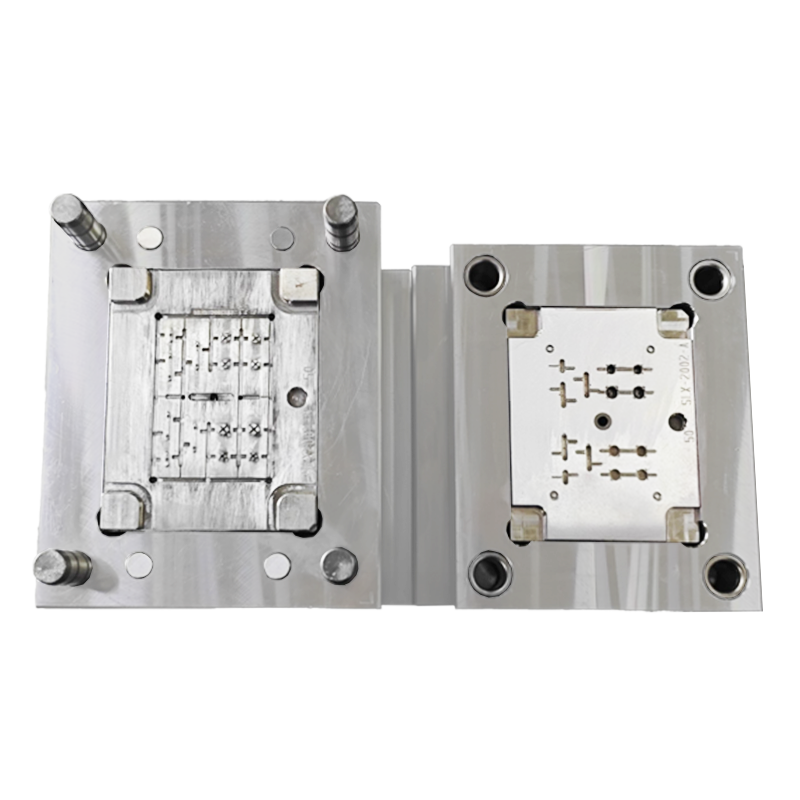
Injection molding is a pivotal manufacturing process in the automotive industry, enabling the production of high-quality, durable, and complex components. This technology is essential for creating a wide range of automotive parts, from interior trim to under-the-hood components, ensuring both performance and aesthetic appeal.
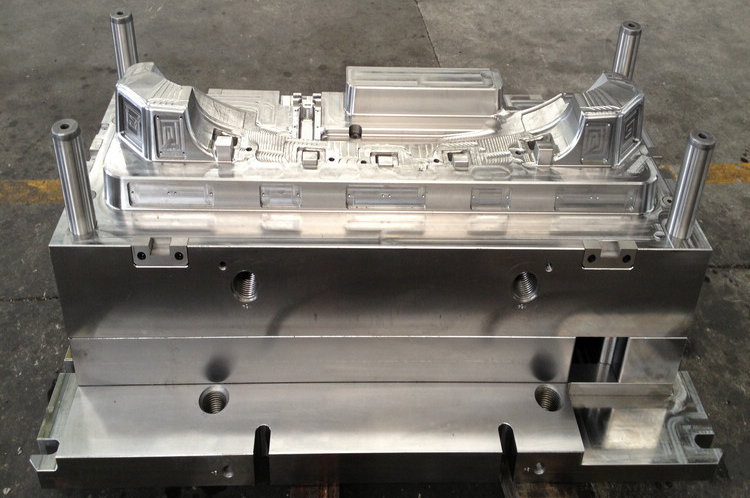
Key Functions of Injection Molds in Automotive Applications
Injection molds serve several critical functions in the automotive sector, making them indispensable for modern vehicle manufacturing. Below are some of the primary functions:
1. Precision Manufacturing
Injection molding allows for the production of highly precise and complex components, which is essential for automotive parts that require exact specifications. This precision ensures that parts fit perfectly and function correctly.
2. Material Versatility
The process supports the use of a wide range of materials, including various plastics, composites, and even some metals. This versatility allows for the production of parts with different mechanical properties and aesthetic finishes.
3. Durability and Strength
Injection molding can produce parts that are both durable and strong, which is crucial for automotive components that must withstand harsh conditions and heavy use.
4. Cost Efficiency
While the initial setup cost for injection molds can be high, the per-unit cost decreases significantly with large production runs, making it a cost-effective solution for high-volume automotive parts.
5. Scalability
Injection molding is highly scalable, making it suitable for both prototyping and large-scale production. This scalability is particularly important for automotive parts that may need to be produced in large quantities.
Applications of Injection Molds in the Automotive Industry
Injection molds are used in a variety of automotive applications, each requiring high precision and quality. Below are some of the key applications:
1. Interior Components
Injection molding is used to produce various interior components, such as dashboard panels, door handles, and trim pieces. These parts require high precision and must meet aesthetic and functional standards.
2. Exterior Components
Exterior components, including bumpers, grilles, and mirror housings, are commonly manufactured using injection molding. The process ensures high durability and the ability to produce parts with complex shapes and finishes.
3. Under-the-Hood Components
Injection molding is used to produce under-the-hood components, such as engine covers, air intake manifolds, and fluid reservoirs. These parts must withstand high temperatures and harsh conditions, making material selection and precision crucial.
4. Electrical and Electronic Components
Components for electrical and electronic systems, such as connectors, housings, and sensors, are often produced using injection molding. The process ensures high precision and the ability to produce parts with intricate details.
5. Structural Components
Injection molding is also used to produce structural components, such as brackets and supports. These parts require high strength and durability, which can be achieved through the use of advanced materials and precise manufacturing processes.
Advantages of Injection Molding for Automotive Applications
Injection molding offers several advantages that make it particularly suitable for automotive applications:
1. High Precision and Consistency
Injection molding can produce parts with extremely tight tolerances and consistent quality, which is crucial for automotive components that require high precision.
2. Material Versatility
The process supports the use of a wide range of materials, allowing for the production of parts with different mechanical properties and aesthetic finishes.
3. Durability and Strength
Injection molding can produce parts that are both durable and strong, which is essential for automotive components that must withstand harsh conditions and heavy use.
4. Cost Efficiency
While the initial setup cost for injection molds can be high, the per-unit cost decreases significantly with large production runs, making it a cost-effective solution for high-volume automotive parts.
5. Scalability
Injection molding is highly scalable, making it suitable for both prototyping and large-scale production. This is particularly important for automotive parts that may need to be produced in large quantities.
Conclusion
Injection molding is revolutionizing the automotive industry by enabling the production of high-precision, durable, and cost-effective components. Its applications in interior and exterior components, under-the-hood parts, electrical systems, and structural components highlight its versatility and importance. By leveraging the advantages of injection molding, manufacturers can produce high-quality automotive parts that meet stringent performance and aesthetic standards, driving innovation and efficiency in the automotive sector.

Dongguan Sanlixin Plastic Technology Co.,Ltd
Shenzhen Sanlixin Technology Co., Ltd. and Dongguan Sanlixin Plastic Technology Co., Ltd. is a manufacturer integrating precision plastic mold design, mold opening, single (double) color injection molding, IML injection molding processing, producing various single (double) color, IML process high-end appearance decorative structural parts, two-color buttons, USB dust plugs, panels and other plastic products, providing customers with fast, excellent, Midea all-round service, the company has 15 years of experience in precision plastic mold design, processing and production, with a variety of advanced machine injection molding equipment with excellent quality and fast service to win the trust and strong support of our customers.
CNC Machining Manufacture China
Injection Molds for Medical Applications: Revolutionizing Healthcare Manufacturing