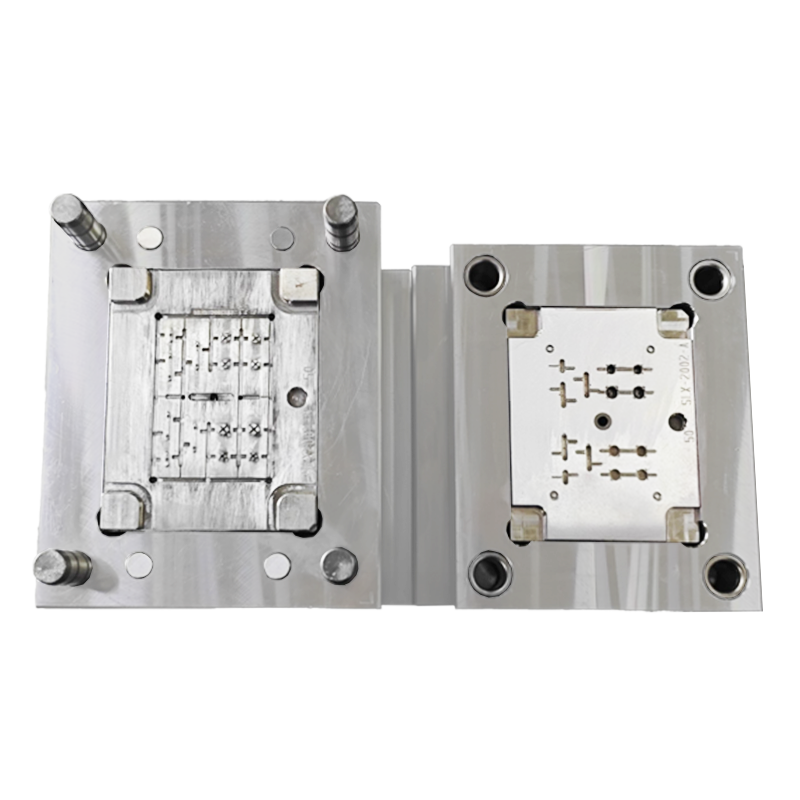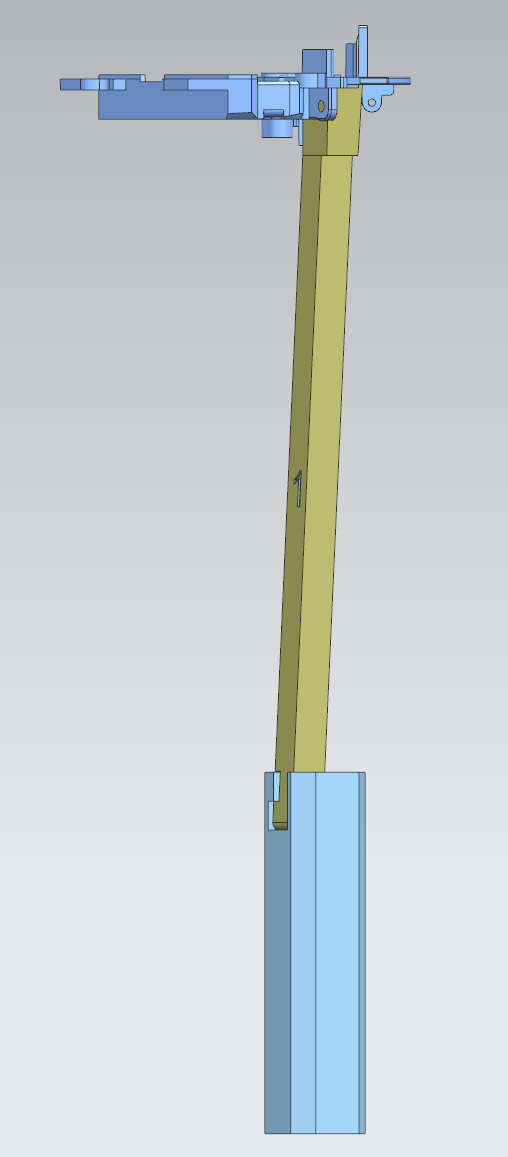
From "manual injection molding" to "intelligent manufacturing", the automated production system reshapes the industry ecosystem.
Automated production systems leverage advanced tech like robotics and software to streamline manufacturing, boosting efficiency and precision.
From "Manual Injection Molding" to "Intelligent Manufacturing": How Automated Production Systems Reshape Industry Ecosystems
Table of Contents
H1: From "Manual Injection Molding" to "Intelligent Manufacturing": How Automated Production Systems Reshape Industry Ecosystems
H2: What Are Automated Production Systems?
H3: Definition & Core Components
- Hardware: Industrial robots (e.g., collaborative robots or "cobots"), IoT-enabled sensors, automated guided vehicles (AGVs), and smart machinery (e.g., injection molding machines with real-time monitoring).
- Software: Manufacturing Execution Systems (MES), Enterprise Resource Planning (ERP) software, artificial intelligence (AI) algorithms for predictive maintenance, and cloud platforms for data storage/analysis.
- Communication protocols: 5G, edge computing, and industrial IoT (IIoT) networks that enable real-time data exchange between devices and central control systems.
H3: Key Technologies Enabling Automation
- AI & Machine Learning: Optimize production schedules, predict equipment failures, and adapt to demand fluctuations.
- IIoT Connectivity: Links machines and systems to collect real-time data (e.g., temperature, pressure, throughput), enabling data-driven decisions.
- Robotics & Automation Hardware: From high-speed pick-and-place robots to flexible robotic arms, these tools handle repetitive or precision-critical tasks with consistent accuracy.
H2: From Manual Injection Molding to Intelligent Manufacturing: A Paradigm Shift
H3: Limitations of Manual Injection Molding
- Low efficiency: Human fatigue and slow cycle times limited throughput, with typical OEE (Overall Equipment Effectiveness) below 50%.
- Quality variability: Manual adjustments to mold temperature or pressure often led to defects (e.g., warping, incomplete filling).
- High labor costs: Skilled workers were required for monitoring and adjustments, increasing operational expenses.
- Safety risks: Workers exposed to high temperatures, heavy machinery, and toxic materials faced higher accident rates.
H3: Advantages of Automated Systems in Modern Manufacturing
- 24/7 operation: Uninterrupted production with minimal downtime, boosting output by 30-50% (McKinsey, 2024).
- Precision engineering: Robots and AI-driven controls maintain tight tolerances (±0.001mm in some cases), reducing defects by up to 70% (Manufacturing Technology Insights, 2024).
- Flexibility: Quick reconfiguration for small-batch or customized production, adapting to "mass customization" trends.
- Data visibility: Real-time dashboards track every process step, allowing instant adjustments to improve performance.
H2: Why Automated Production Systems Matter: Core Benefits
H3: Boosting Production Efficiency
H3: Enhancing Product Quality
H3: Reducing Operational Costs
- Labor costs: Automation reduces reliance on manual labor for repetitive tasks, cutting labor expenses by 25-60% over 3-5 years (Boston Consulting Group).
- Energy usage: AI-optimized systems adjust energy consumption based on demand, lowering utility costs by 15-20%.
- Maintenance costs: Predictive maintenance (enabled by APS) reduces unplanned downtime by up to 50%, minimizing repair expenses (PwC).
H3: Improving Workplace Safety
H3: Driving Sustainability
H2: Expert Perspectives on Automation’s Transformative Power
- Dr. Emily Zhang, Professor of Industrial Engineering at Stanford University: "Automated production systems are not just about replacing humans—they’re about augmenting human potential. By handling repetitive tasks, they free workers to focus on innovation, problem-solving, and process improvement."
- James Wilson, Senior Analyst at Gartner: "By 2027, 70% of manufacturers will rely on APS to compete in global markets, as manual processes can no longer meet demands for speed, customization, and sustainability."
H2: Reshaping Industry Ecosystems: Beyond Production Lines
- Supply chain integration: Real-time data sharing between manufacturers, suppliers, and logistics providers enables "just-in-time" production, reducing inventory costs.
- New business models: Manufacturers shift from selling products to "product-as-a-service" (e.g., offering predictive maintenance for injected parts via APS data).
- Skill evolution: The workforce demands new skills (e.g., AI monitoring, robot programming), driving investments in training and education.
H2: Frequently Asked Questions (FAQs)
H3: Q1: How much does it cost to implement an automated production system?
H3: Q2: Are APS suitable for small and medium-sized enterprises (SMEs)?
H3: Q3: Will automation replace human workers?
H3: Q4: How long does it take to train employees to use APS?
H2: Conclusion
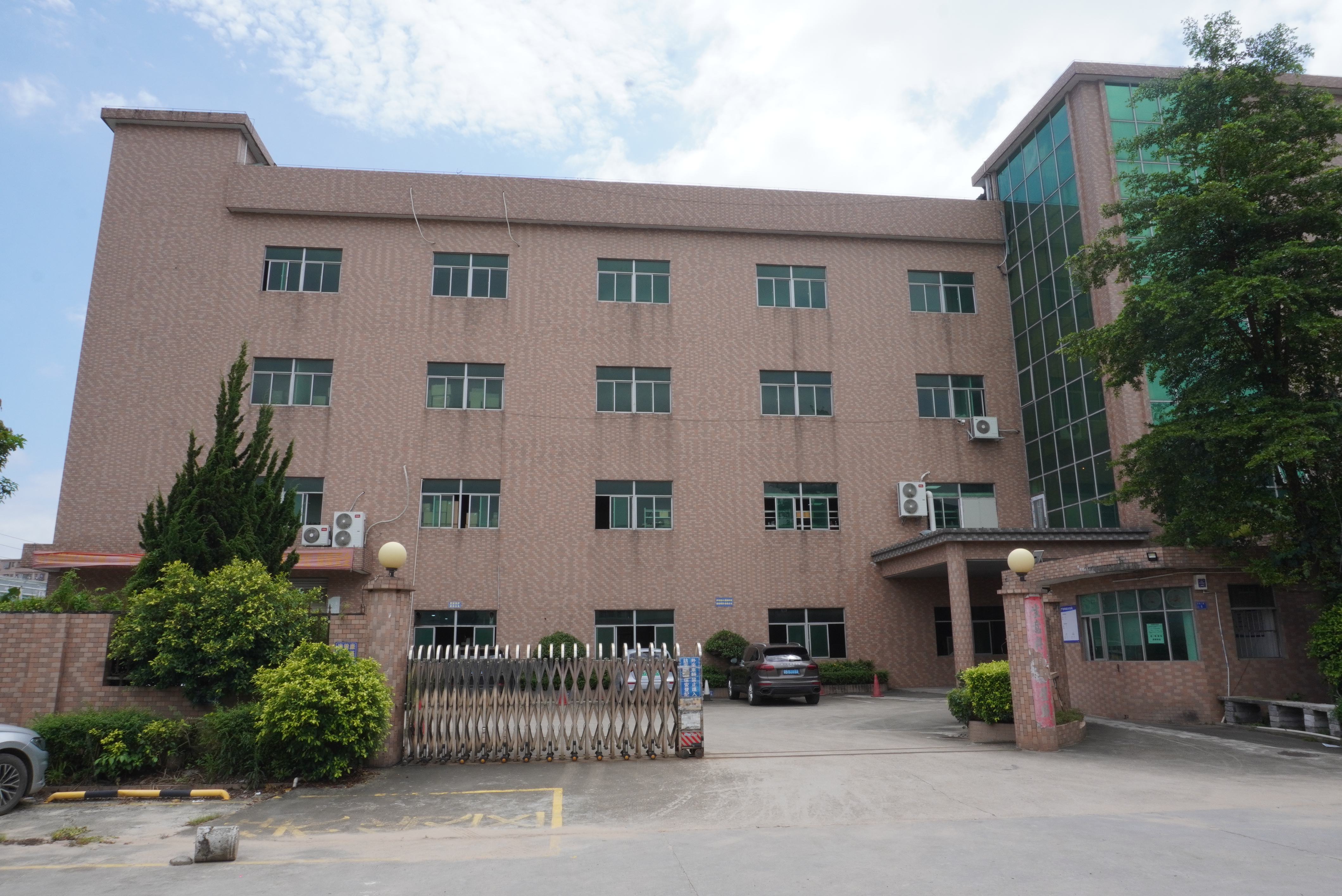
Dongguan Sanlixin Plastic Technology Co.,Ltd
Shenzhen Sanlixin Technology Co., Ltd. and Dongguan Sanlixin Plastic Technology Co., Ltd. is a manufacturer integrating precision plastic mold design, mold opening, single (double) color injection molding, IML injection molding processing, producing various single (double) color, IML process high-end appearance decorative structural parts, two-color buttons, USB dust plugs, panels and other plastic products, providing customers with fast, excellent, Midea all-round service, the company has 15 years of experience in precision plastic mold design, processing and production, with a variety of advanced machine injection molding equipment with excellent quality and fast service to win the trust and strong support of our customers.
Choose either ABS or PC material, and customize the size and color as you like - Customize electronic plastic shells to define the exclusive feel of your device.
How to optimize injection molding process parameters to reduce the reject rate