Application and advantages of aluminum in automotive parts
Manufacturing Processes for Aluminum Automotive Components
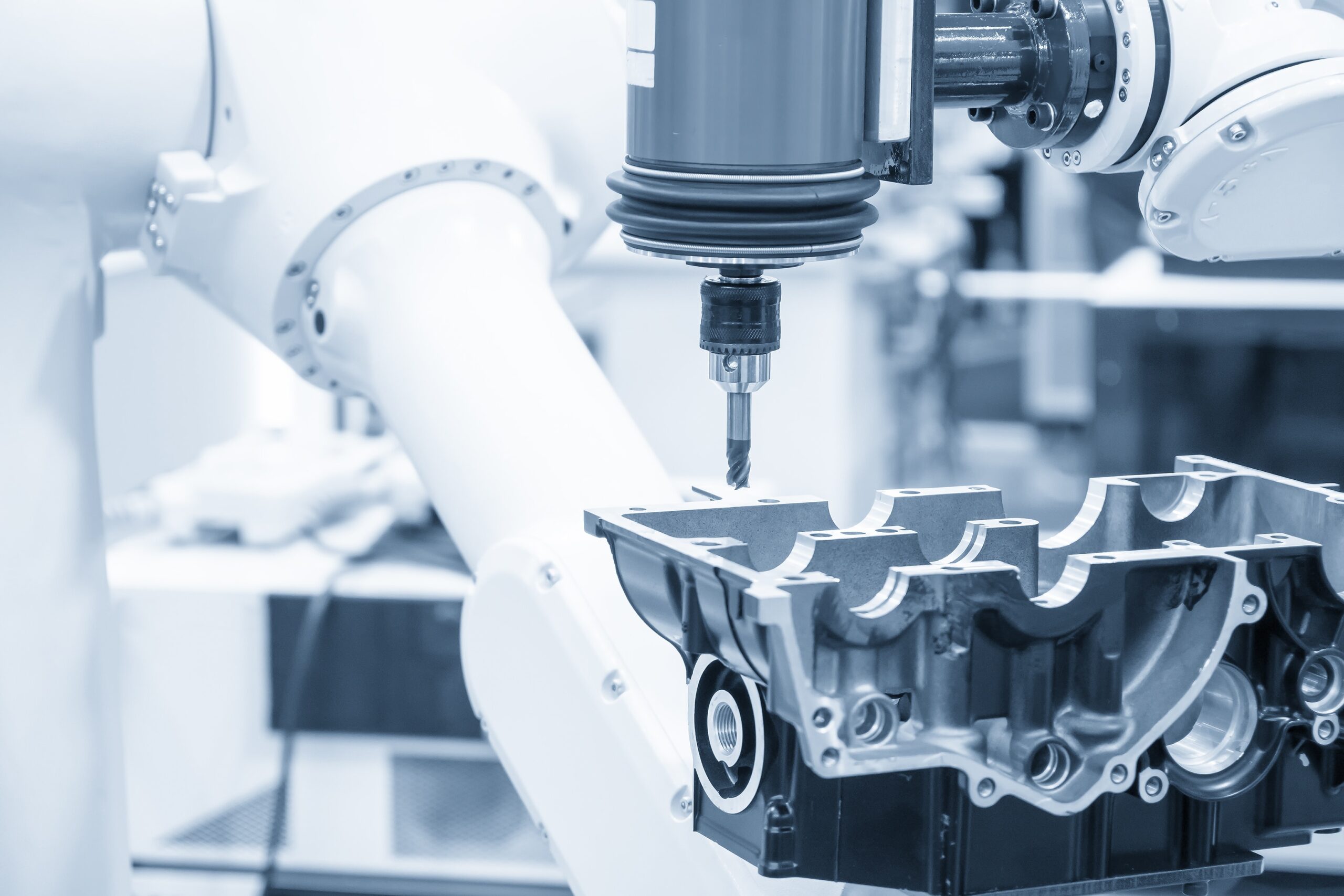
The manufacturing of aluminum automotive components involves advanced processes tailored to specific requirements.
CNC Machining
High-quality aluminum alloy billets are selected as raw materials. These billets are typically rods or blocks with specific dimensions and alloy compositions. The choice of alloy depends on the mechanical properties required for the automotive component, such as strength and corrosion resistance.
CNC machining allows for precise shaping of aluminum components, such as crossbeams and engine parts. This process offers high strength and excellent fatigue resistance.
Die Casting
Die casting is the preferred method for mass-producing automotive components like transmission housings and lightweight body structures. This process efficiently utilizes aluminum alloys, achieving durability and precise dimensions.
Aluminum 3D Printing
Aluminum 3D printing enables complex designs, supporting the development of lightweight and efficient components such as electric vehicle battery housings.
Common Aluminum Alloys in Automotive Components
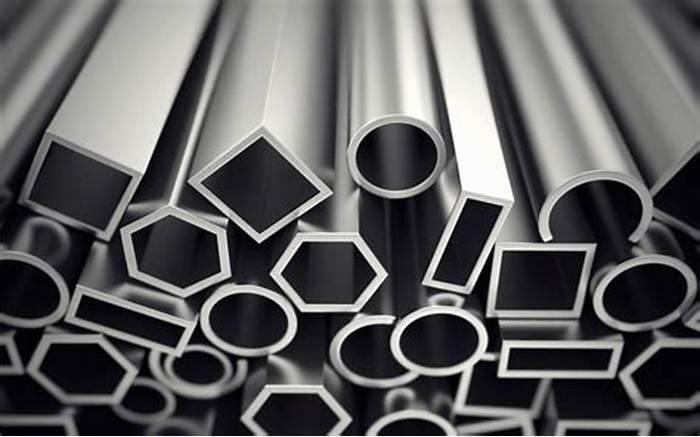
The automotive industry uses various aluminum alloys, each with specific advantages:
6061 Alloy
Known for its high strength and excellent corrosion resistance, it is commonly used in structural components and body panels.
7075 Alloy
Renowned for its exceptional strength-to-weight ratio, it is used in high-performance components.
5052 Alloy
With good ductility and durability, it is ideal for fuel tanks and lightweight components.
11 Reasons to Choose Aluminum for Automotive Components
- Strength: Aluminum's high strength ensures durability and safety, capable of absorbing twice the crash energy compared to other metals like steel.
- Flexibility: Its flexibility supports innovative designs for automotive components such as wheels and suspension systems.
- Malleability: Automotive aluminum sheets can be easily formed into complex shapes, aiding in streamlined manufacturing processes.
- Electrical Conductivity: Aluminum's conductivity makes it an excellent material for battery systems and electric vehicle components.
- Corrosion Resistance: Aluminum's superior corrosion resistance ensures a long lifespan in harsh environments, making it environmentally friendly and durable.
- Fatigue Resistance: Aluminum's excellent fatigue resistance enhances vehicle performance and comfort.
- Cost-Effectiveness: Aluminum's lightweight and recyclability improve fuel economy and reduce emissions, leading to significant cost savings.
- Lightweight and Reduced Drag: Aluminum's density is one-third that of steel, making vehicles lighter, more fuel-efficient, and aerodynamically superior.
- Safety: Aluminum components like crash structures and airbags effectively absorb crash energy, enhancing safety.
- Precision and Repeatability: Processes like CNC machining and die casting ensure precision in manufacturing high-quality parts.
- Ease of Surface Treatment: Aluminum alloys are easy to surface treat, allowing for customized finishes that enhance durability and aesthetics.
Applications of Aluminum Automotive Components
Aluminum is used in various automotive components, including:
Body and Panels
Reduces vehicle weight while maintaining structural integrity.
Engine Components
Parts like cylinder heads benefit from aluminum's high strength-to-weight ratio.
Suspension Systems
Reduces weight while improving durability and performance.
Electric Vehicles
Aluminum plays a critical role in battery housings, cooling systems, and chassis, enhancing efficiency.
Wheels
Aluminum wheels are not only aesthetically pleasing but also lighter, improving fuel efficiency and reducing rolling resistance.
Heat Exchangers
Radiators, condensers, and intercoolers often use aluminum due to its thermal conductivity and corrosion resistance, ensuring efficient cooling and long lifespan.
Will Aluminum Be Replaced by Other Materials with the Rise of Autonomous Driving?
The transition to autonomous driving and electric vehicles may introduce new materials such as composites and advanced alloys, but aluminum's unique properties ensure it remains a primary material.
Its recyclability and durability align with the industry's focus on environmental sustainability, while its ability to combine with other materials meets the evolving demands for lighter, safer, and more efficient vehicles.

Dongguan Sanlixin Plastic Technology Co.,Ltd
Shenzhen Sanlixin Technology Co., Ltd. and Dongguan Sanlixin Plastic Technology Co., Ltd. is a manufacturer integrating precision plastic mold design, mold opening, single (double) color injection molding, IML injection molding processing, producing various single (double) color, IML process high-end appearance decorative structural parts, two-color buttons, USB dust plugs, panels and other plastic products, providing customers with fast, excellent, Midea all-round service, the company has 15 years of experience in precision plastic mold design, processing and production, with a variety of advanced machine injection molding equipment with excellent quality and fast service to win the trust and strong support of our customers.
CNC Machining vs. Manual Machining: What’s the Difference?
Overmolding: A Comprehensive Guide