ABS The Complete Guide to ABS Injection Molds: Design, Benefits & Applications
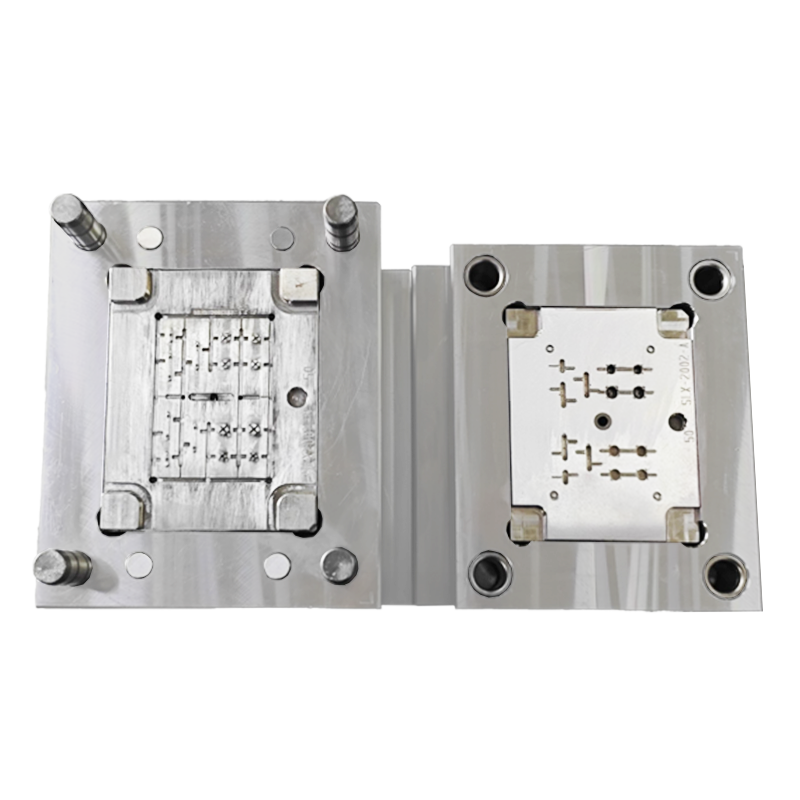
These molds handle ABS's flow properties, ensuring consistent wall thickness and intricate details in mass manufacturing.
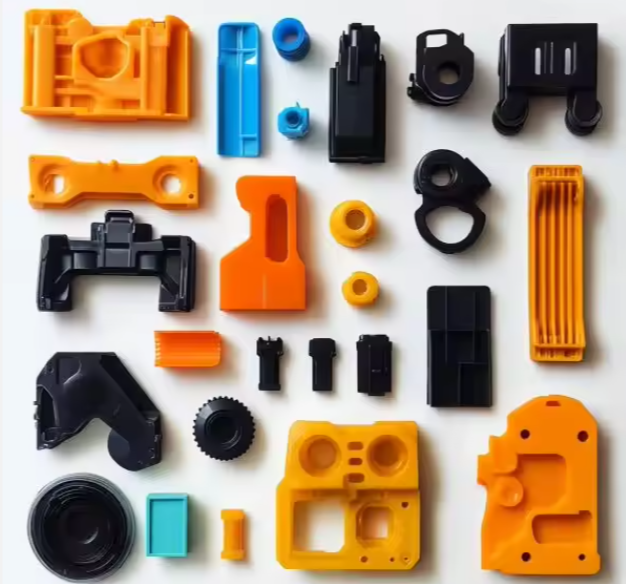
Table of Contents
- Introduction: Understanding ABS and Its Role in Injection Molding
- What is ABS? Composition and Properties
- Fundamentals of ABS Injection Molds
- Design Considerations for ABS Injection Molds
- Manufacturing Process of ABS Injection Molds
- Benefits of Using ABS Injection Molds
- Applications of ABS Injection Molds Across Industries
- Troubleshooting Common Issues in ABS Injection Molding
- Maintenance and Care of ABS Injection Molds
- Future Trends in ABS Injection Mold Design and Technology
- Conclusion: The Indispensable Role of ABS Injection Molds in Modern Manufacturing
- References
Introduction: Understanding ABS and Its Role in Injection Molding
What is ABS? Composition and Properties
Chemical Makeup of ABS
- Acrylonitrile: This monomer is responsible for providing ABS with chemical resistance, heat resistance, and rigidity. It also enhances the material's surface hardness, making it less prone to scratches and wear.
- Butadiene: A rubbery monomer, butadiene imparts impact resistance and toughness to ABS. It allows the material to absorb shocks without breaking, which is crucial for applications where durability is a key concern.
- Styrene: This monomer contributes to the ease of processing of ABS. It provides the material with good flow properties during injection molding, allowing it to fill complex mold cavities smoothly. Styrene also gives ABS a glossy surface finish and excellent dimensional stability.
Key Mechanical and Physical Properties
-
Mechanical Properties:
- Tensile Strength: ABS typically has a tensile strength ranging from 30 to 50 MPa, which means it can withstand a significant amount of pulling force before breaking.
- Impact Strength: One of ABS's standout features is its high impact strength, especially at room temperature. It has a notched Izod impact strength of 10 to 40 kJ/m², making it much more resistant to sudden shocks than many other thermoplastics.
- Flexural Strength: ABS exhibits good flexural strength, usually between 50 and 80 MPa, allowing it to bend without breaking under moderate loads.
- Hardness: With a Rockwell hardness of R60 to R110, ABS is relatively hard, providing good resistance to indentation and abrasion.
-
Physical Properties:
- Density: The density of ABS is around 1.02 to 1.08 g/cm³, making it lightweight compared to many metals, which is beneficial for reducing the weight of finished products.
- Melting Temperature: The melting temperature of ABS ranges from 180 to 240°C, which is within the typical operating range of most injection molding machines.
- Thermal Stability: ABS can withstand temperatures up to around 80 to 100°C without significant degradation, making it suitable for applications where moderate heat resistance is required.
- Electrical Insulation: ABS is a good electrical insulator, which is why it is commonly used in the production of electrical and electronic components.
- Chemical Resistance: While not as chemically resistant as some other plastics like PTFE, ABS is resistant to many common chemicals, including water, alcohols, and dilute acids.
Why ABS is a Preferred Material for Injection Molding
- Ease of Processing: ABS has excellent flow properties when molten, which allows it to fill even complex mold cavities with ease. This makes it suitable for producing parts with intricate designs, thin walls, and fine details.
- Versatility in Design: The ability to adjust the monomer ratio means that ABS can be tailored to meet specific performance requirements, making it suitable for a wide range of applications.
- Cost-Effectiveness: Compared to some high-performance engineering plastics, ABS is relatively inexpensive. This, combined with its ease of processing, makes it a cost-effective choice for mass production.
- Good Aesthetic Properties: ABS can be easily colored using pigments or dyes, and it can be polished to a high gloss finish. This makes it ideal for products where appearance is important, such as consumer electronics and toys.
- Compatibility with Secondary Processes: ABS can be easily modified after molding through processes like painting, printing, welding, and bonding. This allows manufacturers to add additional features or finishes to the parts.
Fundamentals of ABS Injection Molds
Definition and Purpose of ABS Injection Molds
Components of an ABS Injection Mold
- Cavity and Core: These are the main components that define the shape of the part. The cavity is the female part of the mold, and the core is the male part. When the mold is closed, the space between them is the cavity that the molten ABS fills.
- Sprue: The sprue is a channel that connects the injection molding machine's nozzle to the runner system. It allows the molten ABS to enter the mold.
- Runner System: This is a network of channels that distributes the molten ABS from the sprue to the gates of each cavity (in multi-cavity molds). Runners can be hot or cold, with hot runners maintaining the plastic in a molten state to reduce waste.
- Gates: These are small openings that connect the runner system to the mold cavity. They control the flow of molten ABS into the cavity, ensuring that it fills properly. Gates are designed to be small enough to allow for easy separation of the part from the runner system after molding.
- Cooling System: This consists of channels drilled or machined into the mold halves through which a cooling medium (usually water or oil) flows. The cooling system helps to rapidly cool and solidify the molten ABS in the cavity, reducing cycle time and ensuring dimensional stability of the part.
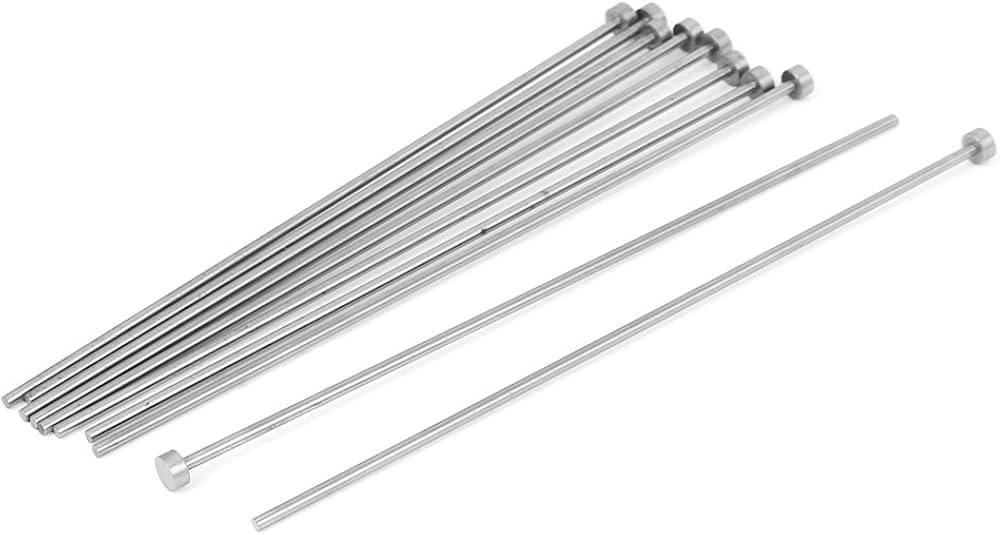
- Ejection System: After the part has solidified, the ejection system pushes it out of the mold. This typically includes ejector pins, ejector plates, and return pins. The ejector pins make contact with the part and push it away from the core or cavity.
- Guide Pins and Bushings: These components ensure that the mold halves align correctly when closing. Guide pins are mounted on one mold half, and bushings on the other, allowing for precise alignment.
- Clamping Plates: These plates hold the various mold components together and attach the mold to the injection molding machine. They provide the necessary rigidity to withstand the high clamping forces during injection.
Types of ABS Injection Molds (Single Cavity, Multi-Cavity, etc.)
- Single-Cavity Molds: These molds have only one cavity, producing one part per molding cycle. They are typically used for large parts or low-volume production runs, as they are less expensive to manufacture than multi-cavity molds.
- Multi-Cavity Molds: These molds have multiple cavities, allowing for the production of multiple identical parts per cycle. The number of cavities can range from 2 to 100 or more, depending on the size of the part and the production volume. Multi-cavity molds are more cost-effective for high-volume production, as they increase productivity and reduce the per-part cost.
- Family Molds: A family mold contains multiple cavities of different part designs. This allows for the production of different parts in a single molding cycle, which is useful when multiple components of a product are needed in similar quantities.
- Hot Runner Molds: In hot runner molds, the runner system is heated to keep the plastic in a molten state, eliminating the need for cold runners. This reduces plastic waste, as there is no runner material to discard or recycle. Hot runner molds are more expensive initially but can save costs in high-volume production due to reduced material waste and shorter cycle times.
- Insert Molds: These molds are used to produce parts with inserts, such as metal threads or electrical components. The insert is placed in the mold cavity before injection, and the molten ABS surrounds it, forming a bond. This allows for the integration of different materials into the final part.
- Stack Molds: Stack molds consist of two or more mold cavities stacked vertically, allowing for the production of more parts per cycle without increasing the mold's footprint. They are ideal for high-volume production of small to medium-sized parts.
Design Considerations for ABS Injection Molds
Mold Flow Analysis for ABS
- Flow Front Progression: This shows how the molten ABS fills the mold cavity over time. It helps identify areas where the flow may be too slow, leading to incomplete filling, or where it may be too fast, causing turbulence and air traps.
- Pressure Drop: The analysis calculates the pressure required to push the molten ABS through the mold. Excessive pressure can lead to mold damage or part defects, while insufficient pressure can result in incomplete filling.
- Temperature Distribution: It predicts how the temperature of the molten ABS changes as it flows through the mold and cools. Uneven temperature distribution can cause warpage, sink marks, or other defects.
- Cooling Time: The simulation estimates the time required for the ABS part to cool and solidify, which is crucial for determining the molding cycle time.
- Weld Lines: Weld lines form when two separate flow fronts meet in the mold cavity. Mold flow analysis helps predict the location and strength of these weld lines, which can be a source of weakness in the part.
Wall Thickness Design Guidelines
- Uniform Wall Thickness: It is essential to maintain uniform wall thickness throughout the part as much as possible. Variations in wall thickness can lead to uneven cooling, which causes warpage, sink marks, or voids. For example, a thick section will cool more slowly than a thin section, resulting in internal stresses that can deform the part.
- Recommended Thickness Range: For ABS, the typical recommended wall thickness ranges from 0.8 mm to 3.0 mm. Thin walls (less than 0.8 mm) can be challenging to fill properly, requiring high injection pressures and potentially leading to short shots. Thick walls (more than 3.0 mm) can result in longer cooling times, increased cycle times, and a higher risk of sink marks and voids.
- Gradual Transitions: When changes in wall thickness are necessary, they should be made gradually using tapers or fillets. Sharp transitions can create stress concentrations and lead to part failure.
- Ribs and Bosses: Ribs are used to increase the stiffness of a part without increasing wall thickness, while bosses are used for attaching components. For ABS, ribs should have a thickness of 50-60% of the adjacent wall thickness to avoid sink marks. Bosses should have a diameter of 2-2.5 times the hole diameter and a thickness similar to the surrounding wall.

Dongguan Sanlixin Plastic Technology Co.,Ltd
Shenzhen Sanlixin Technology Co., Ltd. and Dongguan Sanlixin Plastic Technology Co., Ltd. is a manufacturer integrating precision plastic mold design, mold opening, single (double) color injection molding, IML injection molding processing, producing various single (double) color, IML process high-end appearance decorative structural parts, two-color buttons, USB dust plugs, panels and other plastic products, providing customers with fast, excellent, Midea all-round service, the company has 15 years of experience in precision plastic mold design, processing and production, with a variety of advanced machine injection molding equipment with excellent quality and fast service to win the trust and strong support of our customers.
Why ABS Injection Molds Are a Game-Changer for Plastic Part Manufacturing
From Request to Approval: Navigating the Product Quotation Process Seamlessly