From Prototype to Production: How ABS Injection Molds Streamline Manufacturing
ABS injection molds excel at producing strong, precise plastic parts in high volumes, ideal for automotive and electronics with consistent quality and surface finish.
Table of Contents
1. Introduction: The Critical Role of ABS in Modern Manufacturing
2. Understanding ABS: Properties That Make It a Manufacturing Staple
2.1 Mechanical Strength and Durability
2.2 Versatility in Design and Customization
2.3 Cost-Effectiveness and Scalability
3. The Fundamentals of ABS Injection Molding
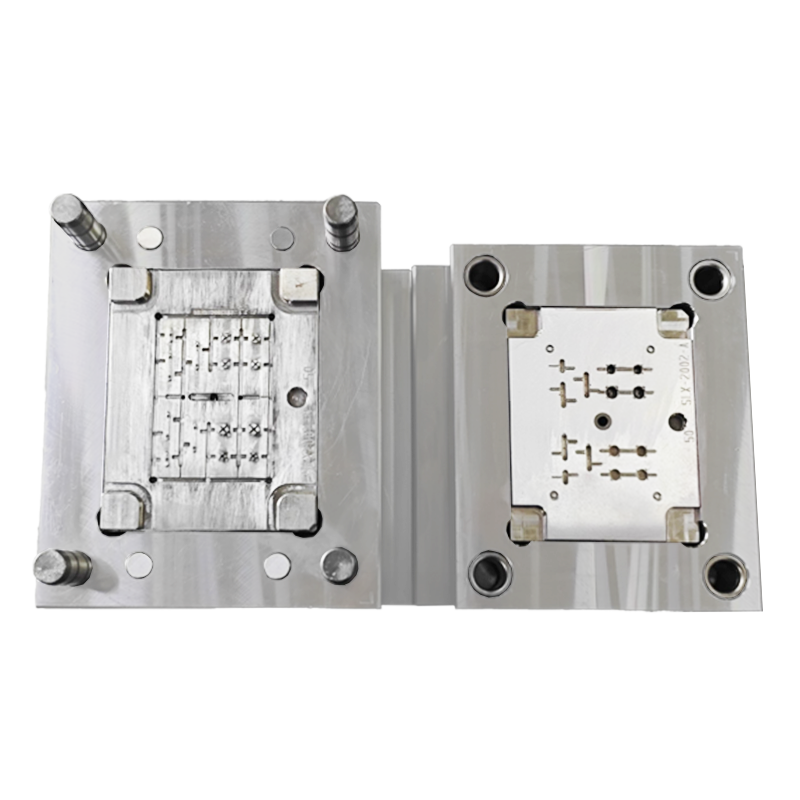
3.1 What Is an ABS Injection Mold?
3.2 The Injection Molding Process: Step-by-Step
- Material Preparation: ABS pellets are first dried to remove any moisture, as moisture can cause defects like bubbles or voids in the final part. The dried pellets are then fed into the hopper of the injection molding machine.
- Melting (Plasticization): The pellets are transported from the hopper to the heating barrel of the machine, where they are heated to their melting point. A rotating screw within the barrel mixes and compresses the molten plastic, ensuring a homogeneous melt.
- Injection: Once the molten ABS is ready, the screw moves forward, injecting the melt into the mold cavity at high pressure. This pressure is maintained to ensure the cavity is fully filled and to compensate for any shrinkage that occurs during cooling.
- Cooling: The molten ABS in the mold cavity begins to cool and solidify as heat is transferred to the mold and dissipated through the cooling system. The cooling time is determined by factors such as the thickness of the part, the mold temperature, and the thermal properties of ABS.
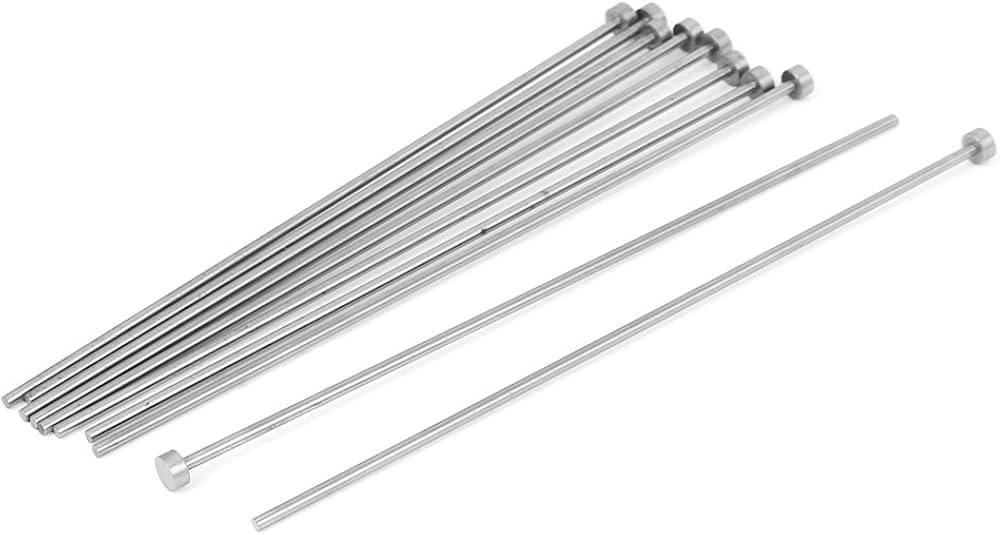
- Ejection: Once the part is fully solidified, the mold opens, and ejector pins push the part out of the cavity. The mold then closes, and the process repeats for the next cycle.
3.3 Why ABS and Injection Molding Are a Perfect Match
- Flowability: ABS has excellent flow properties when molten, allowing it to easily fill even complex mold cavities with tight tolerances. This makes it suitable for producing parts with intricate designs.
- Shrinkage Control: ABS exhibits relatively low and predictable shrinkage (typically between 0.4% and 0.8%), which makes it easier to design molds that account for shrinkage and produce parts with accurate dimensions.
- Impact Resistance: The toughness of ABS ensures that parts can withstand the injection and ejection forces involved in the molding process without cracking or breaking.
- Colorability: As mentioned earlier, ABS can be easily colored, and the injection molding process ensures that the color is evenly distributed throughout the part, resulting in a consistent finish.
- Cost-Effectiveness: The combination of ABS's low material cost and the high production rates of injection molding makes the process economically viable for both small and large production runs.
4. From Prototype to Production: The Journey with ABS Injection Molds
4.1 Prototyping with ABS: Iteration and Validation
- 3D Printing (Fused Deposition Modeling - FDM): ABS filaments are commonly used in FDM 3D printers to create quick, low-cost prototypes. While 3D printed ABS parts may not have the same mechanical properties as injection molded parts, they are useful for visual and functional testing of basic designs.
- CNC Machining: For more precise prototypes, CNC machining can be used to carve parts from solid ABS blocks. This method produces parts with better dimensional accuracy and surface finish than 3D printing but is more expensive for complex geometries.
- Rapid Injection Molding: For prototypes that closely mimic the properties of mass-produced parts, rapid injection molding using aluminum molds can be employed. These molds are less expensive and faster to produce than steel molds, making them ideal for small-batch prototyping (typically 10 to 10,000 parts).
4.2 Designing the ABS Injection Mold: Precision and Efficiency
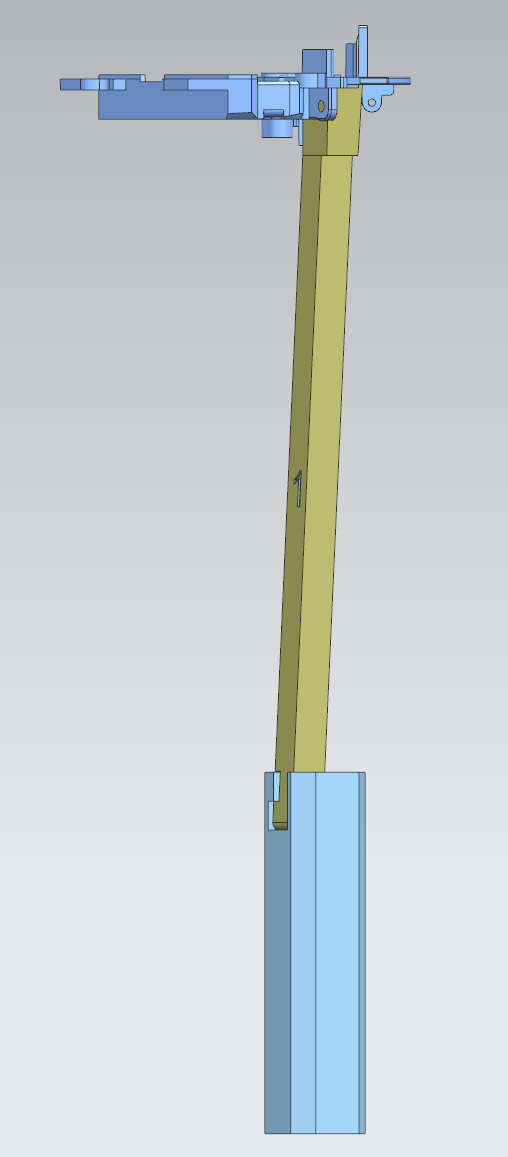
- Part Geometry: The mold must be designed to accommodate the part's geometry, including any undercuts, threads, or complex features. Undercuts, for example, may require the use of side actions or split cores in the mold to allow for proper ejection of the part.
- Gate Design: The gate is the point where molten ABS enters the mold cavity. The type and location of the gate (e.g., edge gate, sprue gate, hot runner gate) can affect part quality, including factors like weld lines, warpage, and surface finish.
- Cooling System: As mentioned earlier, an efficient cooling system is essential for reducing cycle times and ensuring part consistency. Cooling channels must be strategically placed to ensure uniform cooling across the entire part, avoiding areas of uneven cooling that can lead to warpage or dimensional inaccuracies.
- Ejection System: The ejection system must be designed to safely and efficiently remove the part from the mold without causing damage. Ejector pins, sleeves, or stripper plates are commonly used, and their placement is critical to prevent part deformation.
- Tolerance Considerations: Molds must be designed with tight tolerances to ensure that the final parts meet the required specifications. This includes accounting for ABS's shrinkage rate, as well as any thermal expansion or contraction that may occur during the molding process.
4.3 Tooling Up: Manufacturing the Mold
- Aluminum Molds: Aluminum is a popular choice for low-volume production runs or prototyping due to its lower cost and faster machining time. However, aluminum is less durable than steel and may wear out more quickly, especially with high-volume production.
- Steel Molds: Steel molds are more expensive and take longer to machine but offer superior durability and heat resistance, making them ideal for high-volume production runs (often millions of parts). Different types of steel, such as P20, H13, and S7, are used depending on the specific

Dongguan Sanlixin Plastic Technology Co.,Ltd
Shenzhen Sanlixin Technology Co., Ltd. and Dongguan Sanlixin Plastic Technology Co., Ltd. is a manufacturer integrating precision plastic mold design, mold opening, single (double) color injection molding, IML injection molding processing, producing various single (double) color, IML process high-end appearance decorative structural parts, two-color buttons, USB dust plugs, panels and other plastic products, providing customers with fast, excellent, Midea all-round service, the company has 15 years of experience in precision plastic mold design, processing and production, with a variety of advanced machine injection molding equipment with excellent quality and fast service to win the trust and strong support of our customers.
OEM vs. ODM: A Single Character Difference That Shapes a Brand’s Future
Why ABS Injection Molds Are a Game-Changer for Plastic Part Manufacturing