Why ABS Injection Molds Are a Game-Changer for Plastic Part Manufacturing
ABS injection molds offer cost-efficiency for large runs, balancing strength and design flexibility in plastic components.
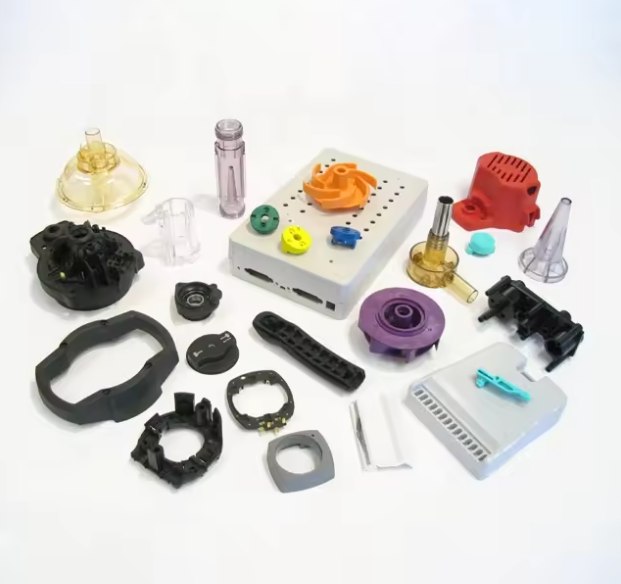
Table of Contents
1. Introduction: The Evolution of Plastic Part Manufacturing
2. Understanding ABS: A Versatile Thermoplastic
2.1 What is ABS?
2.2 Key Properties of ABS
- Impact Resistance: One of the standout properties of ABS is its excellent impact resistance, even at low temperatures. This is largely due to the butadiene component, which acts as a rubbery modifier, absorbing energy and preventing the material from shattering upon impact. This makes ABS suitable for applications where parts may be subjected to drops or collisions, such as in consumer electronics and toys.
- Mechanical Strength: ABS offers good tensile strength, flexural strength, and modulus, making it a structurally sound material for a variety of load-bearing applications. It can withstand moderate stress without deforming or breaking, providing reliability in parts such as automotive components and industrial enclosures.
- Heat Resistance: While not as heat-resistant as some high-performance polymers, ABS can tolerate temperatures up to around 80-100°C (176-212°F) for short periods, which is sufficient for many consumer and industrial applications. It has a relatively high glass transition temperature (Tg) compared to some other thermoplastics, meaning it retains its rigidity at higher temperatures than materials like polyethylene.
- Chemical Resistance: ABS is resistant to many common chemicals, including water, alcohols, dilute acids, and alkalis. However, it can be affected by strong solvents such as ketones and esters, which can cause swelling or dissolution. This chemical resistance makes it suitable for parts that come into contact with various fluids in everyday use.
- Electrical Insulation: ABS is a good electrical insulator, making it useful in electronics applications where electrical conductivity needs to be avoided. It can be used to manufacture housings for electrical devices, connectors, and other components that require insulation.
- Ease of Processing: ABS has excellent flow properties when melted, which makes it easy to inject into complex molds with intricate details. It can be molded with high precision, allowing for tight tolerances in part dimensions. Additionally, ABS can be easily machined, painted, glued, and welded, providing flexibility in post-processing and assembly.
- Aesthetic Appeal: ABS has a natural gloss finish that can be enhanced with various surface treatments, such as painting, plating, or printing. It is also available in a wide range of colors, either as pre-colored resins or through in-mold coloring, allowing for attractive and customizable parts.
2.3 Applications of ABS in Various Industries
- Automotive Industry: ABS is used in a variety of automotive components, including interior trim (such as dashboard panels, door handles, and console parts), exterior parts (like bumper covers and mirror housings), and under-the-hood components (such as sensor housings and connectors). Its impact resistance, heat resistance, and ease of coloring make it a suitable choice for these applications.
- Electronics and Appliances: In the electronics industry, ABS is commonly used for manufacturing device housings (for smartphones, laptops, tablets, and televisions), keyboard keys, and electrical connectors. Its electrical insulation properties and aesthetic appeal are particularly valuable here. In appliances, ABS can be found in parts such as refrigerator liners, washing machine control panels, and vacuum cleaner housings.
- Medical Devices: ABS is used in some medical devices and equipment, such as inhalers, medical instrument housings, and diagnostic equipment components. It is chosen for its chemical resistance, ease of sterilization (in some cases), and ability to be molded into precise shapes.
- Consumer Goods: A wide range of consumer goods are made from ABS, including toys (especially those requiring durability, like building blocks and action figures), luggage, cosmetic containers, and kitchen utensils. Its impact resistance and ability to be colored and decorated make it popular for these products.
- Industrial and Construction: In industrial settings, ABS is used for manufacturing pipes, fittings, and valves, thanks to its chemical resistance and durability. It is also used in construction for parts such as electrical boxes, conduit systems, and decorative trim.
3. The Basics of Injection Molding
3.1 How Injection Molding Works
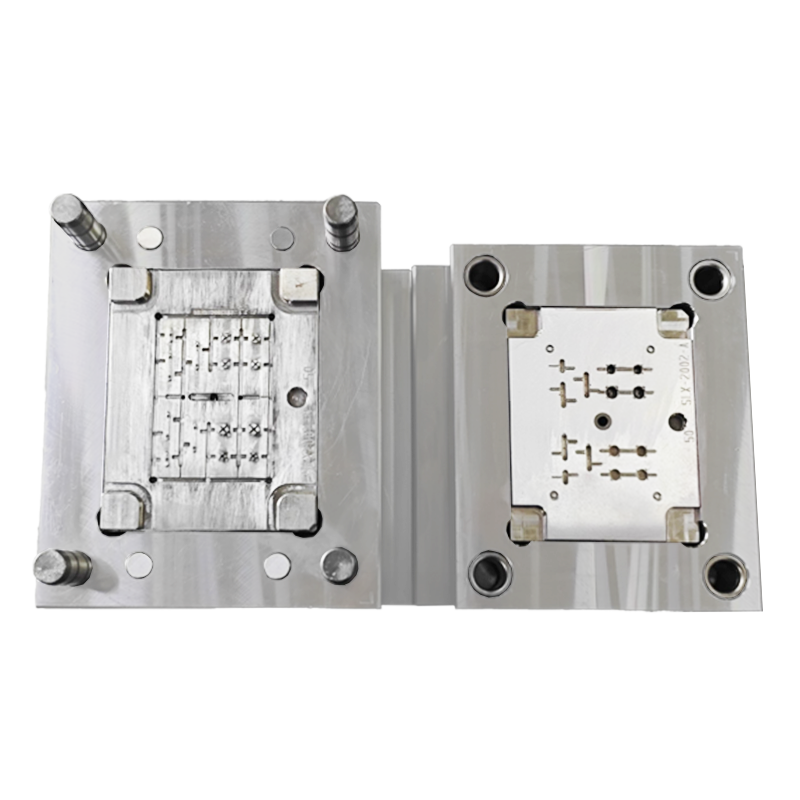
- Clamping: The first step in injection molding is clamping the two halves of the mold together. The mold is held in a machine called an injection molding press, which has a clamping unit that applies significant force to keep the mold closed during the injection and cooling phases. The amount of clamping force required depends on the size and shape of the part, as well as the pressure used during injection.
- Injection: Once the mold is securely clamped, the molten plastic material (in this case, ABS resin) is injected into the mold cavity. The plastic is fed into a heated barrel, where it is melted by the heat of the barrel and the mechanical shear from a rotating screw. The screw then pushes the molten plastic through a nozzle and into the mold's runner system, which channels the material into the mold cavity. The injection phase is controlled by parameters such as injection speed, pressure, and volume, which are carefully adjusted to ensure the mold cavity is completely filled.
- Dwelling: After the mold cavity is filled, a holding pressure is applied to the molten plastic to compensate for any shrinkage that occurs as the material cools. This dwelling phase ensures that additional material is packed into the cavity to maintain the part's dimensions and prevent voids or sink marks. The duration of the dwelling phase depends on the material and the part's thickness.
- Cooling: Once the dwelling phase is complete, the molten plastic in the mold cavity begins to cool and solidify. The mold is typically water-cooled, with cooling channels built into the mold halves to facilitate heat transfer. The cooling time is critical, as it affects the part's quality, dimensional stability, and production cycle time. The plastic must cool sufficiently to maintain its shape when the mold is opened.
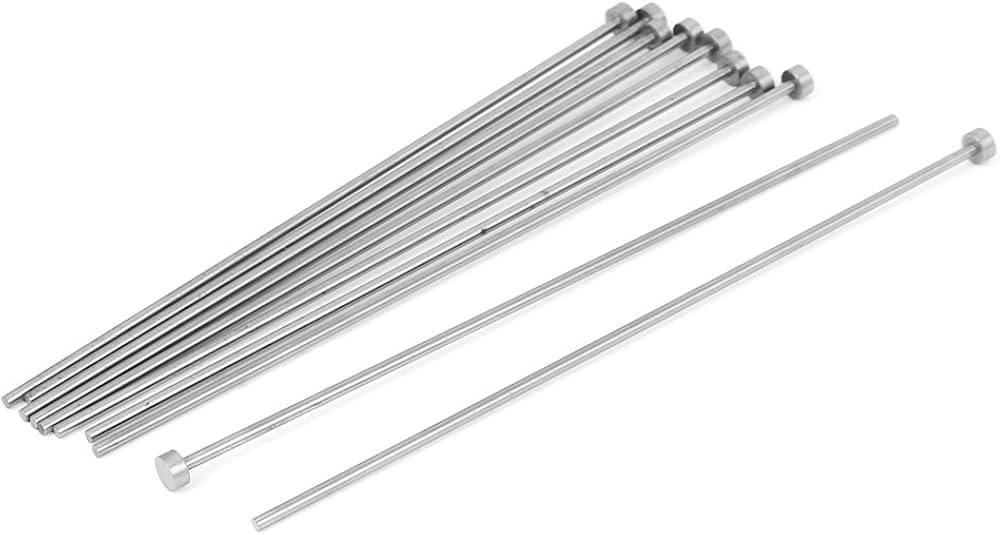
- Ejection: Once the plastic has solidified, the mold is opened, and the finished part is ejected from the cavity using ejector pins or other ejection mechanisms. The ejected part may still have some residual heat, and it may undergo additional cooling before further processing or assembly.
- Mold Closing: After ejection, the mold is closed again, and the process repeats for the next part.
3.2 Types of Injection Molds
- Single Cavity Molds: These molds have a single cavity, meaning only

Dongguan Sanlixin Plastic Technology Co.,Ltd
Shenzhen Sanlixin Technology Co., Ltd. and Dongguan Sanlixin Plastic Technology Co., Ltd. is a manufacturer integrating precision plastic mold design, mold opening, single (double) color injection molding, IML injection molding processing, producing various single (double) color, IML process high-end appearance decorative structural parts, two-color buttons, USB dust plugs, panels and other plastic products, providing customers with fast, excellent, Midea all-round service, the company has 15 years of experience in precision plastic mold design, processing and production, with a variety of advanced machine injection molding equipment with excellent quality and fast service to win the trust and strong support of our customers.
From Prototype to Production: How ABS Injection Molds Streamline Manufacturing
ABS The Complete Guide to ABS Injection Molds: Design, Benefits & Applications