? [Impact-Resistant ABS Raw Materials] Hardcore Protection + Flexible Innovation, Unlocking the "Philosophy of Rigidity and Flexibility" in Industrial Materials ?
Plastic raw materials refer to the basic polymer compounds used in the production of various plastic products and serve as the core foundation of the plastics industry.

? [Impact-Resistant ABS Raw Materials] Hardcore Protection + Flexible Innovation, Unlocking the "Philosophy of Rigidity and Flexibility" in Industrial Materials ?
Introduction to ABS Materials
The Magic of Impact-Resistant ABS
Parameter Comparison of Different ABS Raw Materials
|
ABS Type
|
Impact Strength (J/m)
|
Tensile Strength (MPa)
|
Heat Deflection Temperature (°C)
|
Advantages
|
Disadvantages
|
|
General-Purpose ABS
|
160 - 270
|
35 - 55
|
80 - 95
|
Good balance of properties, easy to process, cost-effective
|
Lower impact resistance compared to impact-resistant grades, relatively low heat resistance
|
|
Impact-Resistant ABS
|
270 - 530
|
25 - 45
|
70 - 90
|
Exceptional impact resistance, suitable for applications where high mechanical stress is expected
|
Slightly lower tensile strength and heat resistance compared to some other grades, may be more expensive
|
|
Heat-Resistant ABS
|
100 - 200
|
40 - 60
|
100 - 120
|
Higher heat deflection temperature, can withstand elevated temperatures without significant deformation
|
Lower impact resistance than impact-resistant ABS, may have reduced processability
|
|
High-Gloss ABS
|
150 - 250
|
30 - 50
|
80 - 95
|
Excellent surface gloss and aesthetics, suitable for products where appearance is crucial
|
Average mechanical properties, may not be ideal for applications requiring high strength or impact resistance
|
Advantages and Disadvantages Analysis
- Impact-Resistant ABS
-
- Advantages: Its outstanding impact resistance makes it the go-to choice for applications where products are likely to be subjected to impacts, such as automotive bumpers, tool housings, and electronic device enclosures. It offers reliable protection against mechanical damage, ensuring the longevity and functionality of the products.
-
- Disadvantages: The relatively lower tensile strength compared to some other grades may limit its use in applications that require high tensile load-bearing capacity. Additionally, its heat resistance is not as high as that of heat-resistant ABS, so it may not be suitable for applications in extremely high-temperature environments.
- General-Purpose ABS
-
- Advantages: It provides a good all-round performance, with a balance of mechanical, processing, and cost properties. This makes it widely applicable in many common applications where high-performance in a single property is not the primary requirement, such as toys, household appliances, and some consumer goods.
-
- Disadvantages: Its impact resistance is not as high as impact-resistant ABS, and its heat resistance is also relatively limited. In applications where higher impact or heat resistance is needed, it may not be sufficient.
- Heat-Resistant ABS
-
- Advantages: Ideal for applications that are exposed to elevated temperatures, such as under-the-hood automotive parts, electrical components in high-temperature environments, and some industrial equipment. It can maintain its shape and mechanical properties under heat stress.
-
- Disadvantages: Sacrifices some impact resistance and may have more challenging processing requirements compared to general-purpose ABS. This restricts its use in applications where impact resistance is a critical factor.
- High-Gloss ABS
-
- Advantages: The excellent surface gloss gives products an attractive and high-quality appearance, which is highly desirable in applications such as decorative parts, consumer electronics exteriors, and high-end product casings.
-
- Disadvantages: Its mechanical properties are more average, and it may not be suitable for applications that demand high strength, impact resistance, or heat resistance.
Expert Views on Impact-Resistant ABS
Applications of Impact-Resistant ABS in Various Industries
- Automotive Industry: Impact-resistant ABS is extensively used in automotive applications. It is used to make bumpers, which need to absorb impacts during collisions to protect the vehicle and its occupants. Interior components like door panels and instrument panel bezels also benefit from its impact resistance, as they may be subject to accidental impacts during normal use. Additionally, ABS is used in the production of automotive trim parts, where its good processability and surface finish properties are advantageous.
- Electronics Industry: In the electronics sector, impact-resistant ABS is commonly used for the enclosures of electronic devices such as laptops, tablets, and smartphones. These devices are often exposed to drops and impacts during daily use, and the impact-resistant ABS provides a protective shell that can withstand such mechanical stress, safeguarding the delicate internal components. It is also used for the housings of power tools, where durability and impact resistance are crucial.
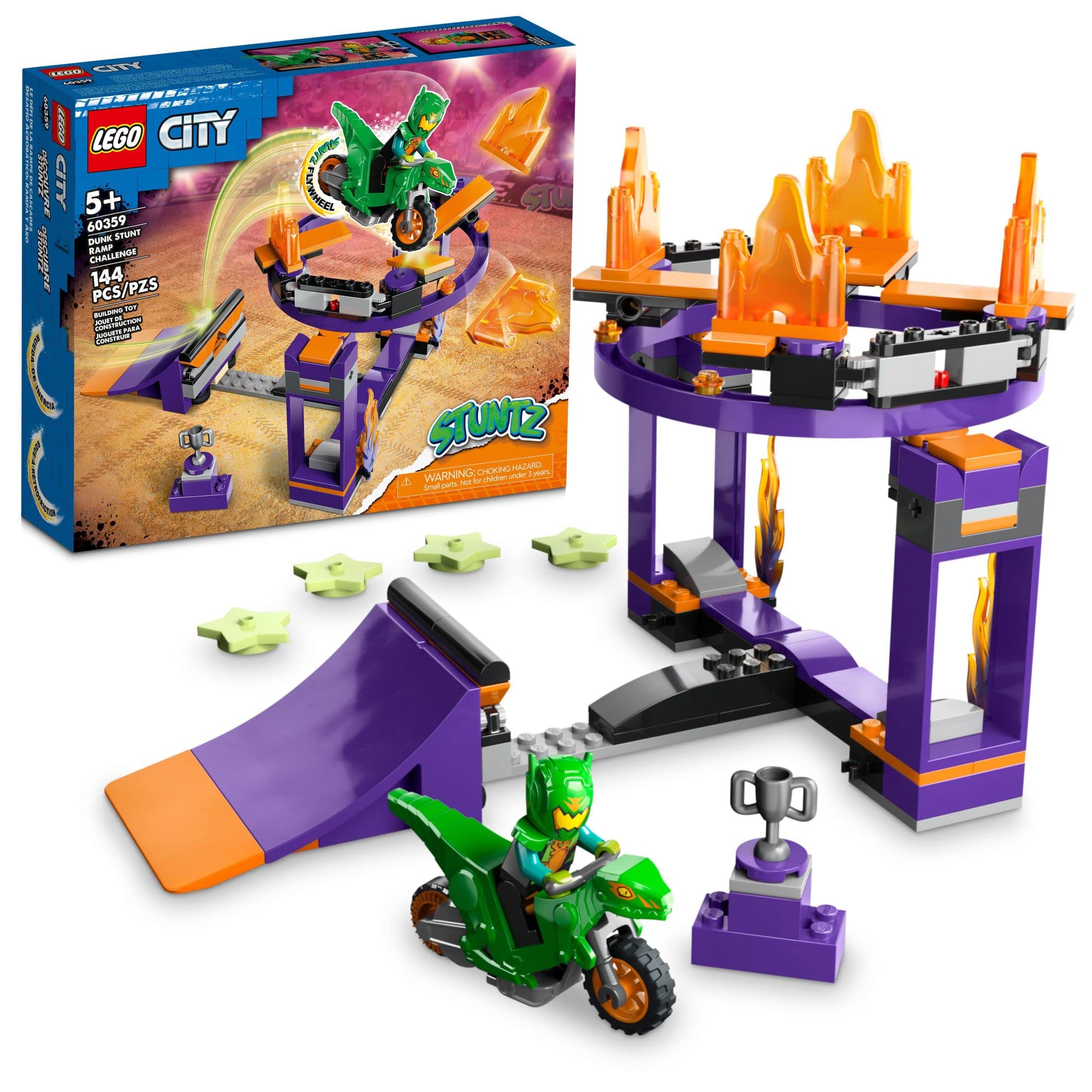
- Consumer Goods Industry: Many consumer products, such as vacuum cleaner bodies, sports equipment cases, and children's toys, are made from impact-resistant ABS. In the case of toys, the material's impact resistance ensures the safety of children during play, while for vacuum cleaners and sports equipment cases, it protects the products from damage during handling and transportation.
FAQs about Impact-Resistant ABS
- Q: Can impact-resistant ABS be recycled?
-
- A: Yes, impact-resistant ABS is recyclable. However, the recycling process may require specific techniques to ensure the quality of the recycled material. The recycled ABS can be used in applications where the performance requirements are not as stringent as those for virgin material, such as in some non-critical consumer goods or lower-end industrial products.
- Q: How does the temperature affect the impact resistance of ABS?
-
- A: Generally, as the temperature decreases, the impact resistance of ABS, including impact-resistant grades, also decreases. At low temperatures, the polymer chains become more rigid, reducing the material's ability to absorb impact energy. However, impact-resistant ABS is designed to maintain a relatively higher level of impact resistance even at low temperatures compared to general-purpose ABS.
- Q: Can impact-resistant ABS be painted or coated?
-
- A: Yes, impact-resistant ABS has good adhesion properties, making it suitable for painting and coating. The surface of ABS can be pre-treated to further improve the adhesion of the paint or coating. This allows for customization of the product's appearance and can also provide additional protection against environmental factors.
- Q: What is the difference between impact-resistant ABS and regular ABS?
-
- A: Impact-resistant ABS has a higher content of butadiene, which results in a more significant number of rubber particles in the polymer matrix. These rubber particles enhance the material's ability to absorb impact energy, giving impact-resistant ABS much higher impact strength compared to regular ABS. Regular ABS offers a more balanced set of properties, while impact-resistant ABS is optimized for applications where high impact resistance is the primary requirement.
Conclusion
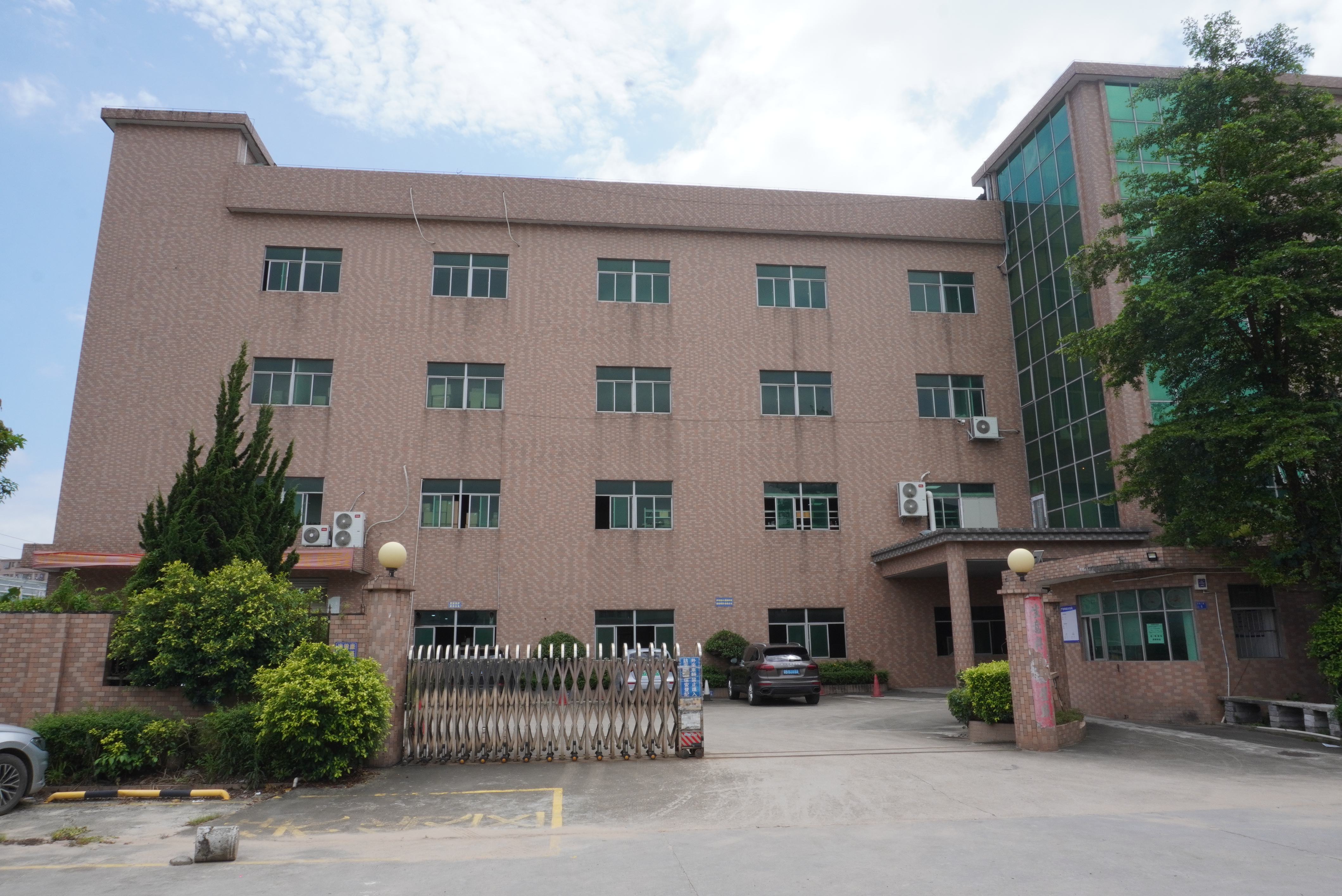
Dongguan Sanlixin Plastic Technology Co.,Ltd
Shenzhen Sanlixin Technology Co., Ltd. and Dongguan Sanlixin Plastic Technology Co., Ltd. is a manufacturer integrating precision plastic mold design, mold opening, single (double) color injection molding, IML injection molding processing, producing various single (double) color, IML process high-end appearance decorative structural parts, two-color buttons, USB dust plugs, panels and other plastic products, providing customers with fast, excellent, Midea all-round service, the company has 15 years of experience in precision plastic mold design, processing and production, with a variety of advanced machine injection molding equipment with excellent quality and fast service to win the trust and strong support of our customers.
**New Trends in Precision Manufacturing: Overmolding + Insert Molding Unlock Infinite Possibilities for Product Design**
From Design to Molding: How Does Mold Manufacturing Redefine the Benchmark for Efficient Production?